Plastic was once hailed as a miracle material, but today, it has become one of the greatest environmental crises of our time. While large plastic debris like bottles and bags are highly visible, there is a much smaller, invisible threat wreaking havoc on our planet: microplastic pollution.
From the deepest trenches of the ocean to the food on our plates, microplastics are everywhere. But what exactly are they, what is their impact on our ecosystems, and most importantly how can we transition to sustainable alternatives to protect India’s future?
What Are Microplastics?
In India, impact of microplastic pollution where bustling food markets, vibrant festivals, and thriving restaurant scenes define daily life, the demand for hygienic and sustainable food packaging is soaring. From street-side chaat stalls in Delhi to fine-dining takeaways in Mumbai, single-use plastics have long been a staple, but at a steep environmental cost.
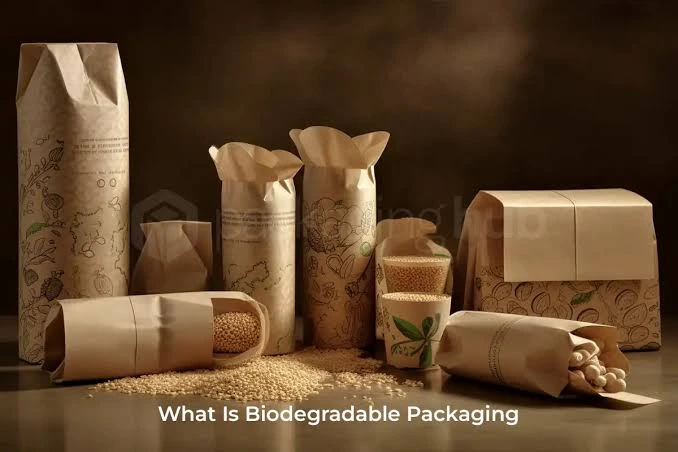
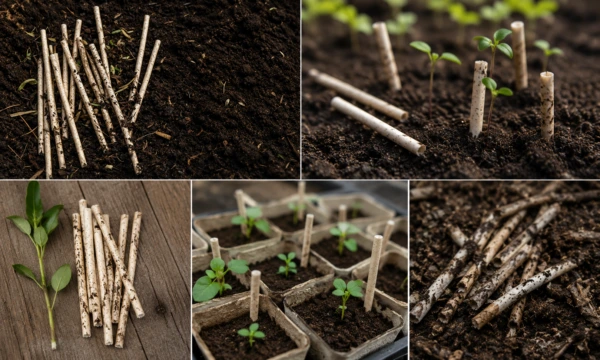
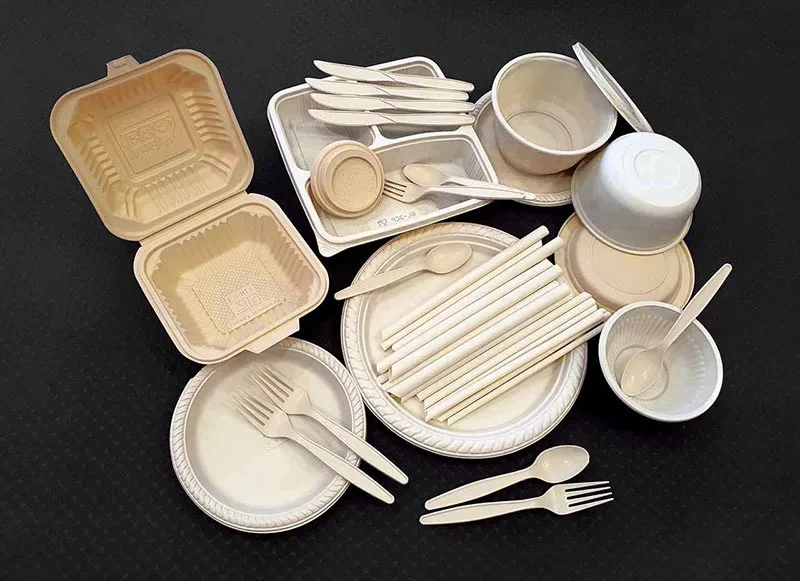
SAKRT’s compostable hygiene packaging, including clamshell containers and paper straws, offers a revolutionary alternative that delivers safety, convenience, and eco-friendliness. Crafted from natural crop fibers, these products decompose naturally, tackling the growing menace of microplastic pollution.
This blog explores how SAKRT’s compostable hygiene packaging, spanning revolutionary hygiene packaging, clamshell tubs, and straws, reduces microplastics, supports sustainable food service, and aligns with India’s vision for a cleaner future.
Microplastics are tiny fragments of plastic measuring less than 5 millimeters in length about the size of a sesame seed or smaller. They generally fall into two categories:
- Primary Microplastics: Tiny plastics designed for commercial use, such as microbeads found in cosmetics and synthetic fibers shed from clothing.
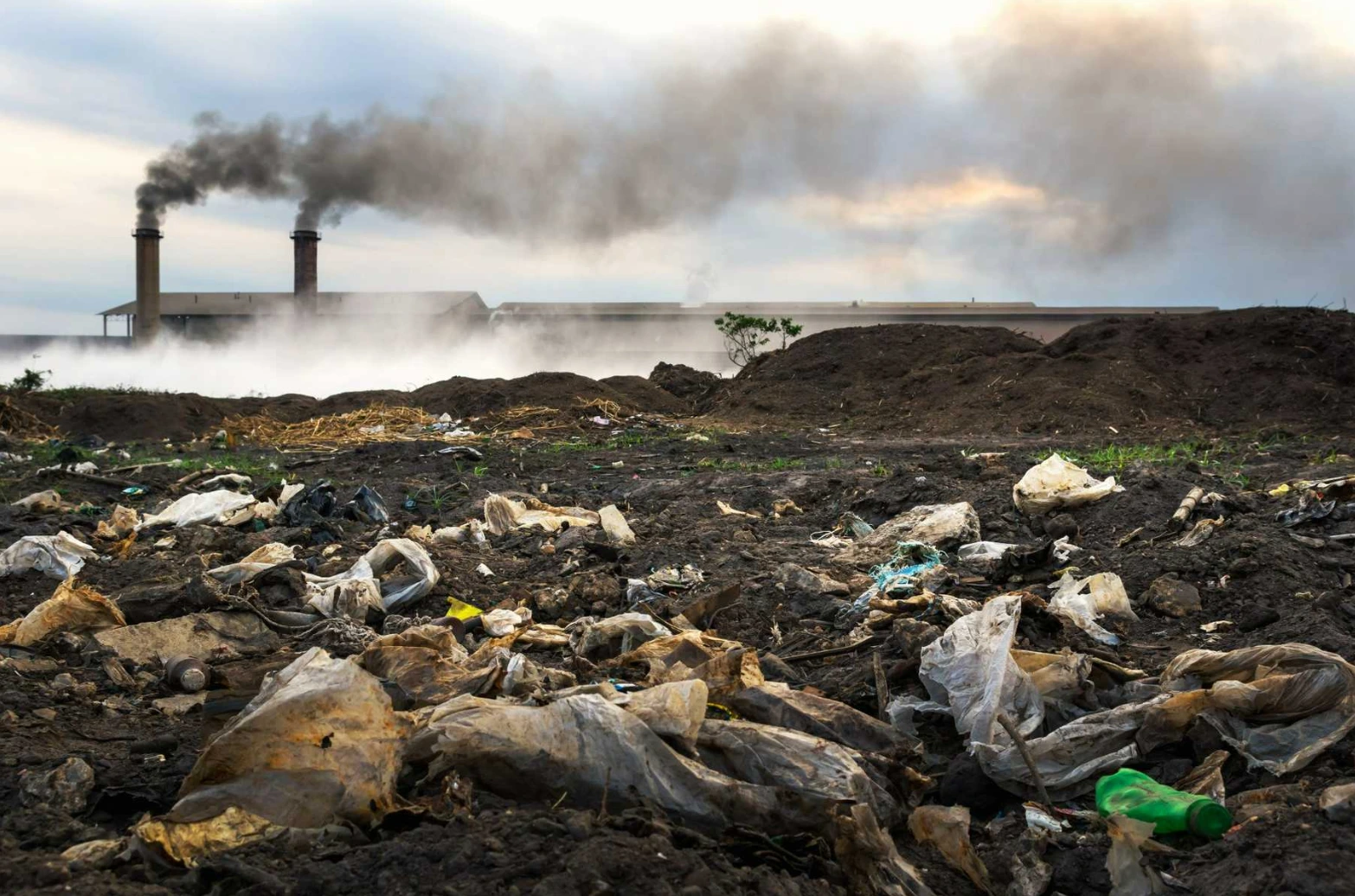
- Secondary Microplastics: Particles formed from the breakdown of larger plastic items, like single-use polythene bags, water bottles, and fishing nets, as they are exposed to the sun and ocean waves.
Because standard plastic never truly decomposes (it only breaks down into smaller pieces), every piece of plastic ever made still exists in some form today.
The Devastating Impact of Microplastic Pollution on Ecosystems
The consequences of microplastics entering our natural environment are severe and far-reaching.
1. Choking Marine Life and Oceans
The oceans bear the brunt of microplastic pollution. Marine animals, from microscopic plankton to massive whales, frequently mistake these tiny toxic particles for food. Once ingested, microplastics block digestive tracts, cause internal injuries, and lead to starvation. Furthermore, microplastics absorb toxic chemicals from the water, acting as poison pills that enter the marine food web.
2. Poisoning Terrestrial Ecosystems and Soil
While oceans get the most attention, microplastic pollution in soil is estimated to be 4 to 23 times higher than in our seas. When agricultural soils are contaminated by microplastics (often through plastic mulch films or contaminated wastewater), it disrupts earthworm activity, alters soil chemistry, and stunts plant growth.
3. The Hidden Threat to Human Health
Because microplastics have infiltrated the food chain, they have ultimately made their way into the human body. Recent scientific studies have found microplastics in human blood, lungs, and even the placenta. While the long-term health impacts are still being studied, the presence of these toxic polymers in our vital organs is a massive cause for concern.
How to Fight Microplastic Pollution: The Shift to Compostables
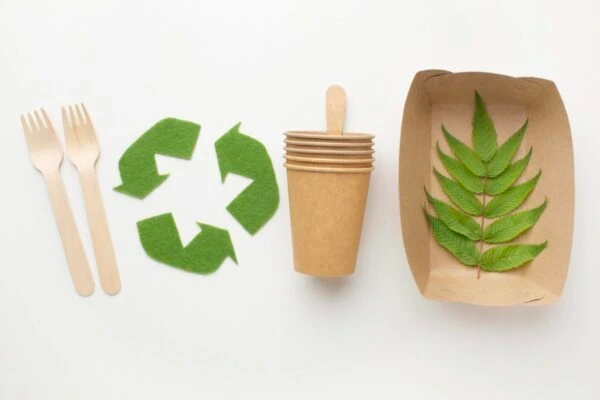
To combat this crisis, recycling is simply not enough. The ultimate solution lies in stopping the use of traditional, fossil-fuel-based plastics at the source. This is where 100% compostable packaging changes the game.
Unlike standard plastics or “oxo-biodegradable” plastics (which just break down into microplastics faster), true compostable products are made from plant-based materials like corn starch. When disposed of correctly, they break down completely into organic matter, leaving behind zero toxic residue and zero microplastics.
SAKRT: Leading India’s Revolution for a Cleaner Future
At SAKRT, we are committed to eliminating microplastic pollution by providing businesses and households with genuine, earth-friendly alternatives.
As a Mangaluru-based, CPCB-certified manufacturer, we produce a wide range of 100% compostable products, including:
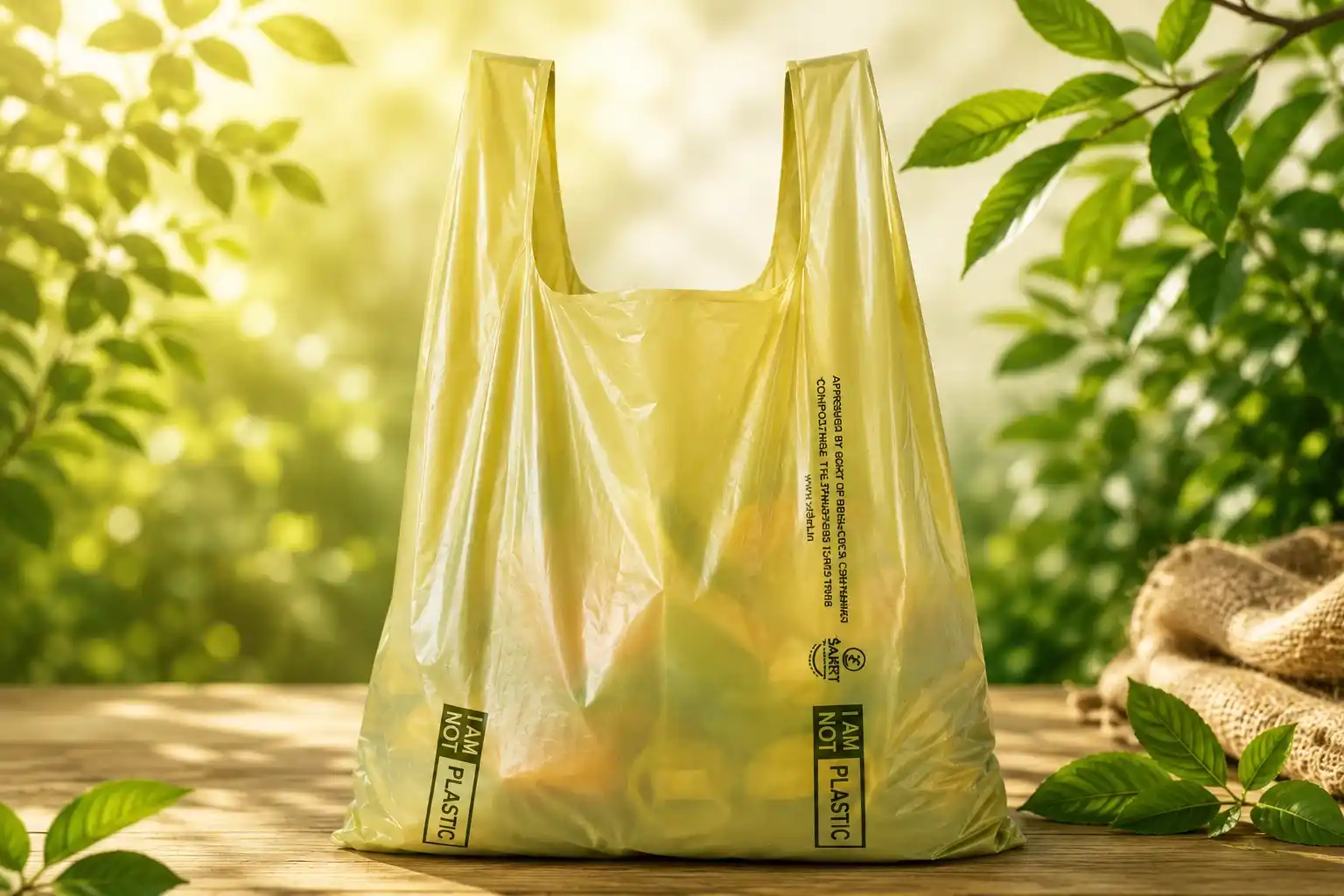
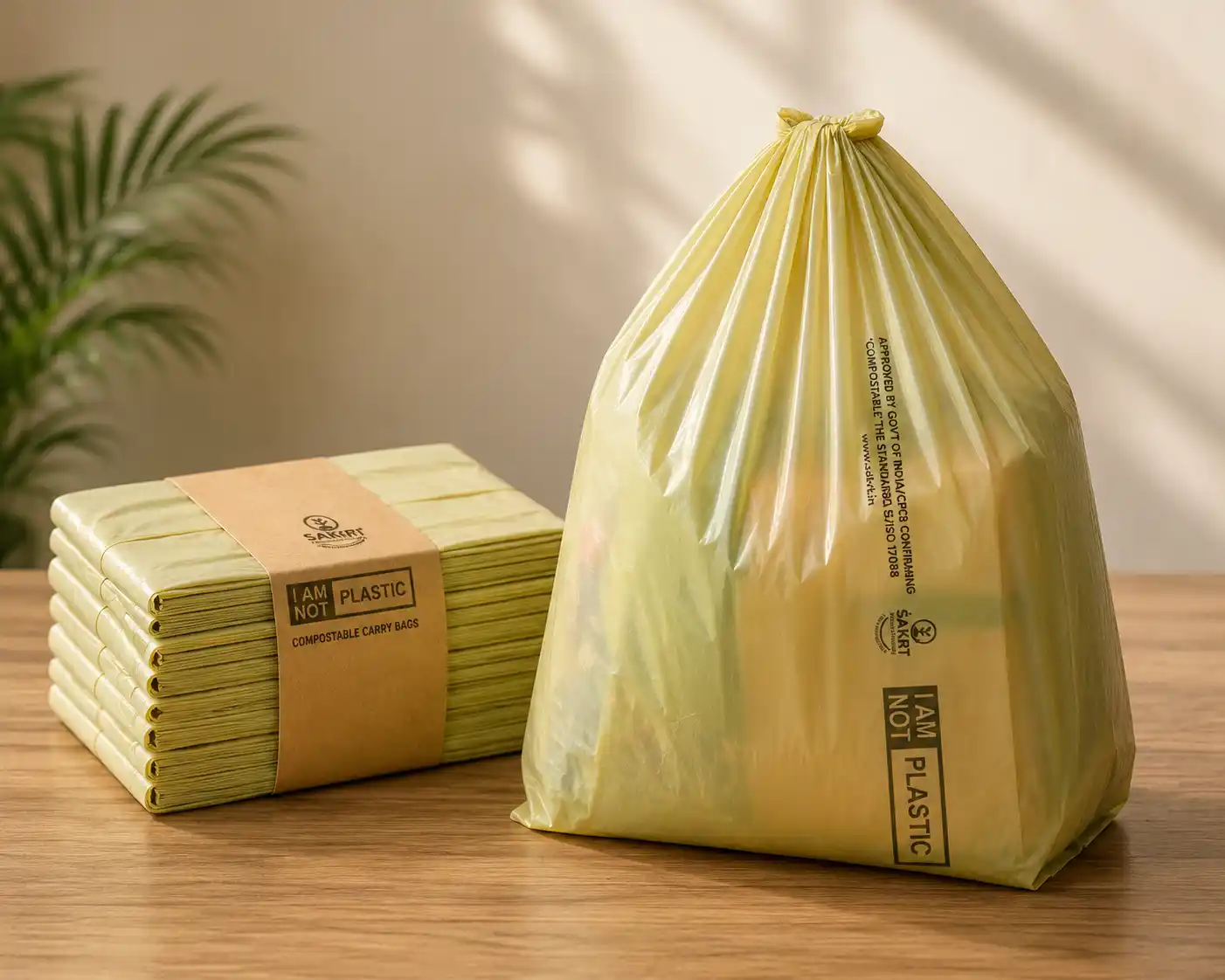
- Compostable carry bags and grocery bags
- Eco-friendly garbage liners
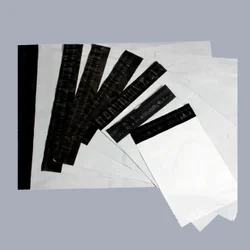
- Compostable e-commerce mailer bags
- Plant-based tableware
Our products decompose naturally within 180 days, ensuring that your business packaging leaves no permanent scar on the earth. By choosing SAKRT, you are not just buying a bag you are actively aligning with India’s vision for a cleaner, greener, and microplastic-free future.
SAKRT – A Brand of Envirly Innovations Pvt Ltd
Choose SAKRT’s Biodegradable Products
Join the sustainability revolution today!
Choose SAKRT’s biodegradable products for your home, business, or event and make waste disposal responsible.