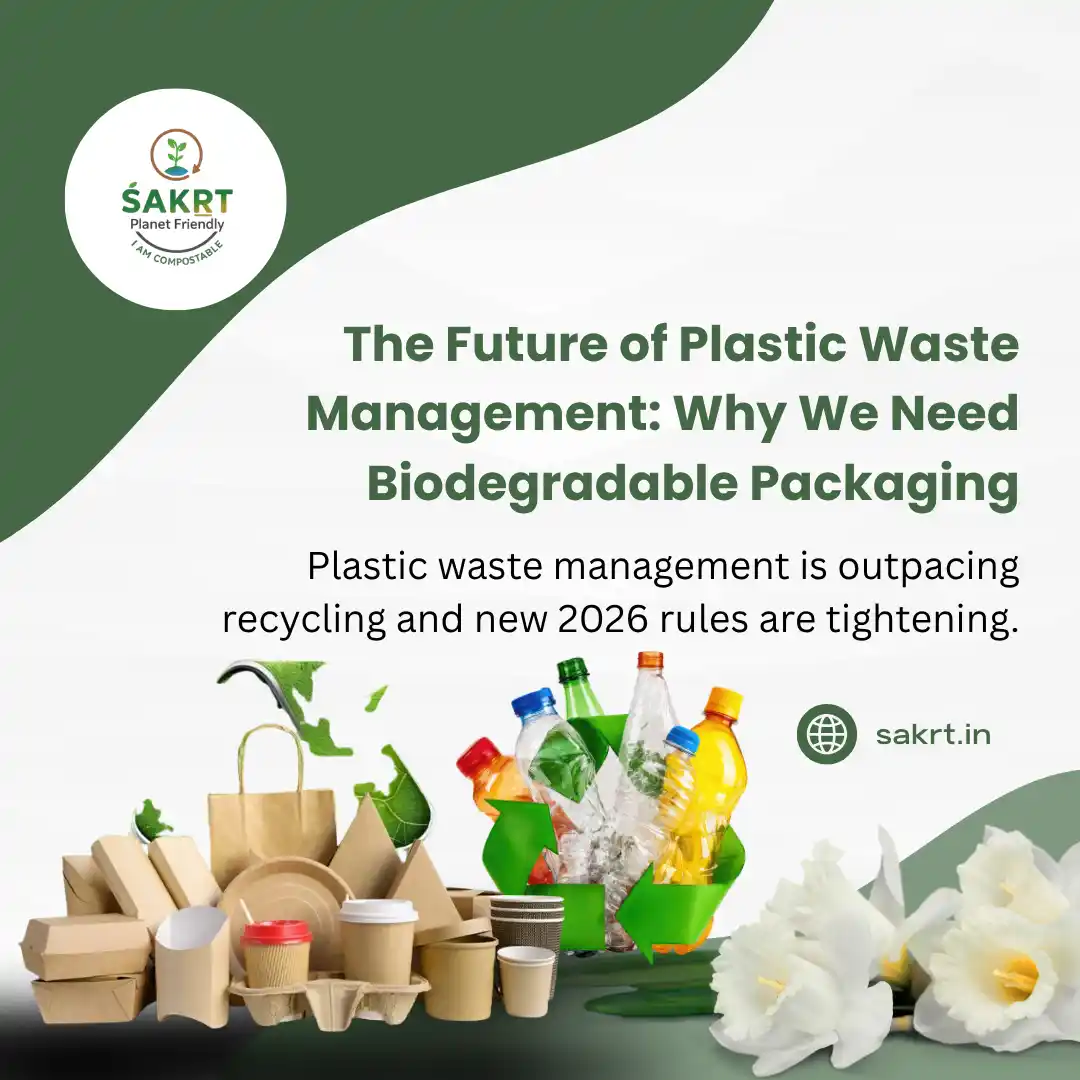
The global packaging landscape is undergoing a massive shift. As we navigate the realities of 2026, it is clear that traditional plastic waste management systems are struggling to keep up with the sheer volume of single-use plastics entering the market, especially in the food sector.
With recycling infrastructures overwhelmed and stringent new government rules tightening compliance for businesses, the old ways of handling packaging waste are no longer viable. So, what is the solution?
In this post, we will explore why modern plastic waste management is failing, how new 2026 regulations impact businesses, and why transitioning to biodegradable packaging is no longer just an eco-friendly choice, it is a business necessity.

The Crisis in Current Plastic Waste Management
For decades, the standard answer to plastic pollution was simple: recycle it. However, the reality of plastic waste management is far more complicated.
The Limits of Traditional Recycling
Despite widespread recycling initiatives, a staggeringly low percentage of plastic actually makes it through the recycling process. Food packaging, in particular, is notoriously difficult to recycle because it is often contaminated with food oils, grease, or mixed materials (like plastic-lined paper bowls). Once contaminated, these plastics are diverted straight to landfills or incinerators.
The Burden on Landfills and Ecosystems
Because traditional recycling cannot keep pace with production, landfills are overflowing. Worse, plastics take hundreds of years to break down, eventually fragmenting into harmful microplastics that seep into our soil, waterways, and even our food chain. We cannot recycle our way out of this crisis; we need to change the materials we use at the source.
How 2026 Regulations are Changing the Game
Governments worldwide, including local bodies across India, are cracking down on plastic pollution. The 2026 updates to Extended Producer Responsibility (EPR) and plastic waste management rules are putting heavy pressure on businesses to rethink their packaging.
- Stricter Penalties: Companies failing to meet plastic reduction and recycling targets face higher fines and operational restrictions.
- Bans on Single-Use Plastics: More categories of single-use plastics, particularly in food delivery and takeaway, are facing outright bans.
- Mandatory Alternatives: Businesses are increasingly required to offer sustainable, compostable, or biodegradable alternatives to their customers.
Why Biodegradable Packaging is the Ultimate Solution
To survive the tightening regulations and alleviate the burden on plastic waste management systems, the food and retail industries must pivot to materials designed to return to nature safely.
Here is why biodegradable packaging is the answer:
1. Zero Reliance on Complex Recycling Facilities
Unlike conventional plastics that require energy-intensive sorting, cleaning, and melting, true biodegradable and compostable packaging is designed to break down naturally. When disposed of in the right composting environment, these materials decompose into nutrient-rich biomass, water, and carbon dioxide, completely bypassing the broken recycling system.
2. Eliminating Microplastic Pollution
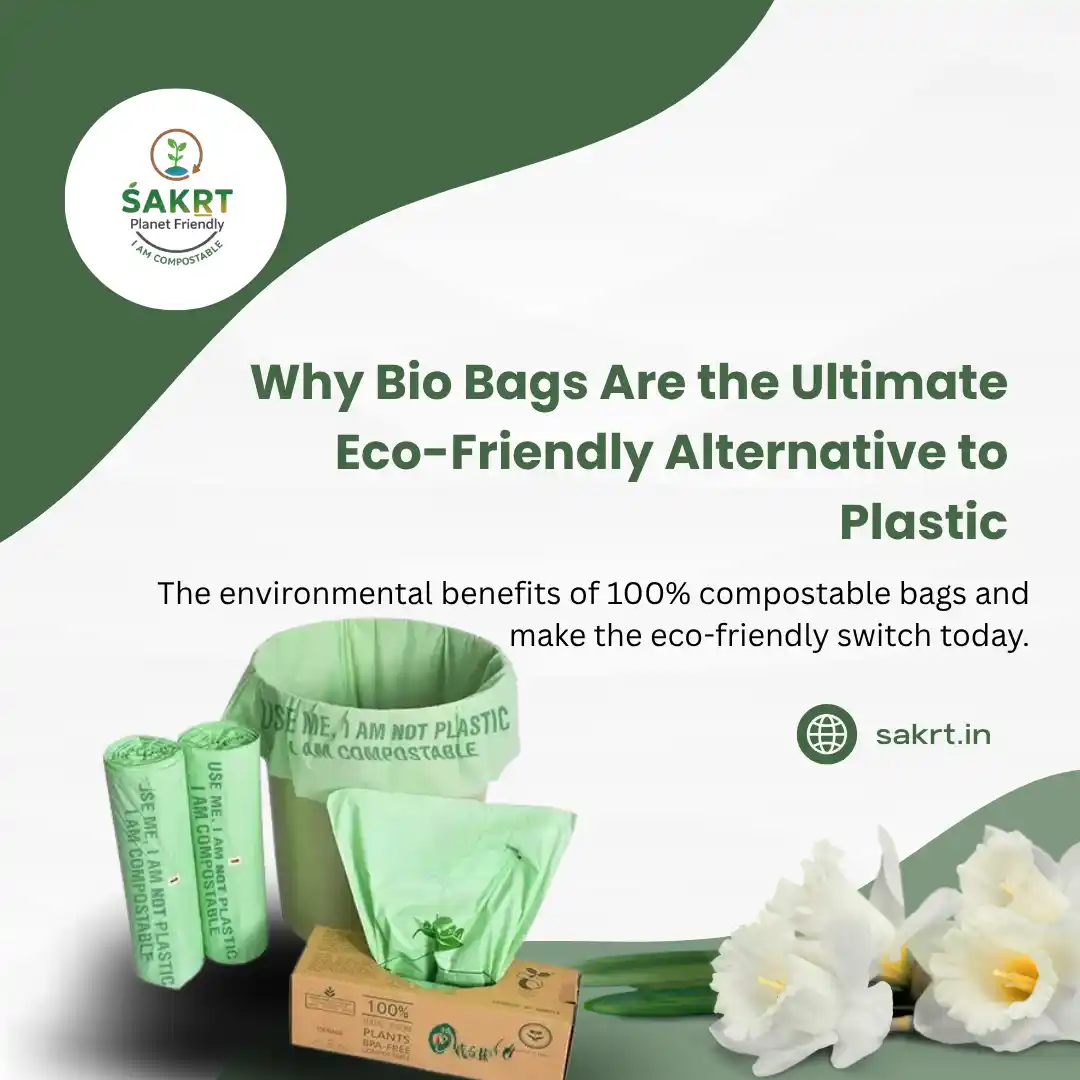
Because biodegradable packaging is made from plant-based materials (like cornstarch, PLA, or bagasse) rather than petroleum, it does not leave behind toxic microplastics. This is especially crucial for food packaging, where consumers are highly sensitive to chemical contamination.
3. Seamless Regulatory Compliance
By switching to certified biodegradable bags and containers, businesses instantly align themselves with the new 2026 waste management guidelines. It removes the headache of tracking plastic EPR targets and shields your business from sudden regulatory fines.
Make the Smart Business Move Today
Effective plastic waste management starts before the waste is even created. By adopting biodegradable packaging, businesses can reduce their environmental footprint, easily comply with strict 2026 regulations, and appeal to a rapidly growing base of eco-conscious consumers.
Don’t wait for the laws to force your hand. Future-proof your business today by switching to smart, sustainable packaging. Explore our wide range of certified biodegradable food packaging and carry bags to find the perfect fit for your brand!
SAKRT – A Brand of Envirly Innovations Pvt Ltd
Choose SAKRT’s Biodegradable Products
Join the sustainability revolution today!
Choose SAKRT’s biodegradable products for your home, business, or event and make waste disposal responsible.
FAQs
Why do we need biodegradable packaging now explain
We need biodegradable packaging now to reduce the growing problem of single-use plastic waste. Traditional plastics can take hundreds of years to decompose. In contrast, biodegradable and compostable packaging breaks down naturally into harmless substances. This helps lower carbon footprints and reduces pollution in landfills and oceans. It also supports global sustainability goals and complies with evolving environmental regulations.
Benefits of biodegradable packaging
Biodegradable packaging naturally breaks down into safe organic materials. This helps reduce landfill waste and prevents microplastic pollution. It uses plant-based materials such as cornstarch, seaweed, and sugarcane instead of petroleum-based plastics. These renewable materials lower carbon emissions and support efforts to combat climate change.
Biodegradable packaging in food industry
In the food industry, biodegradable packaging is made from plant-based materials, agricultural leftovers, and fungi. These natural materials allow the packaging to break down without creating harmful microplastics. It helps reduce waste in landfills and supports a cleaner environment. Biodegradable packaging is also a safer and non-toxic alternative to conventional plastic. However, it requires industrial composting facilities to decompose properly.
Disadvantages of biodegradable packaging
While biodegradable packaging aims to reduce environmental harm, it also has some limitations. These materials often cost more to produce than conventional packaging. They may also be less durable, making them unsuitable for certain applications. In many cases, they require specialized disposal methods to break down effectively. Some biodegradable materials decompose only in industrial composting facilities. If disposed of incorrectly, they can contaminate existing recycling streams and reduce recycling efficiency.
How is biodegradable packaging made
Creating biodegradable packaging uses materials from renewable sources such as starch, cellulose, sugarcane waste fibers or agricultural waste.