Single-use plastic bags are used for an average of just 12 minutes, yet they persist in our ecosystem for hundreds of years. Every year, trillions of plastic carry bags are produced globally, and the vast majority end up clogging landfills, littering oceans, and degrading into toxic particles.
Understanding the far-reaching effects of plastic bags is essential for consumers and businesses alike. From threatening wildlife to entering human food supplies, single-use plastics cause long-term damage at every level. Here is a closer look at the true cost of plastic packaging and how sustainable alternatives can stop the destruction.
1. The Environmental Effects of Plastic Bags
Soil and Groundwater Contamination
When plastic bags end up in landfills or open dumps, exposure to sunlight causes them to break down into microplastics. As they break down, harmful additives such as heavy metals, phthalates, and bisphenols leach directly into the surrounding soil and underground water tables, degrading agricultural productivity.
Urban Flooding and Blocked Drainage
In cities across India, discarded plastic bags are a primary cause of urban flooding. They block storm drains, gutters, and sewage systems, creating stagnant water pools that breed mosquitoes and cause waterborne diseases like malaria and dengue.
2. The Impact of Plastic Bags on Animals and Marine Life
Wildlife suffers directly from plastic pollution. Animals cannot distinguish synthetic debris from natural food sources:
Marine Life Ingestion and Entanglement
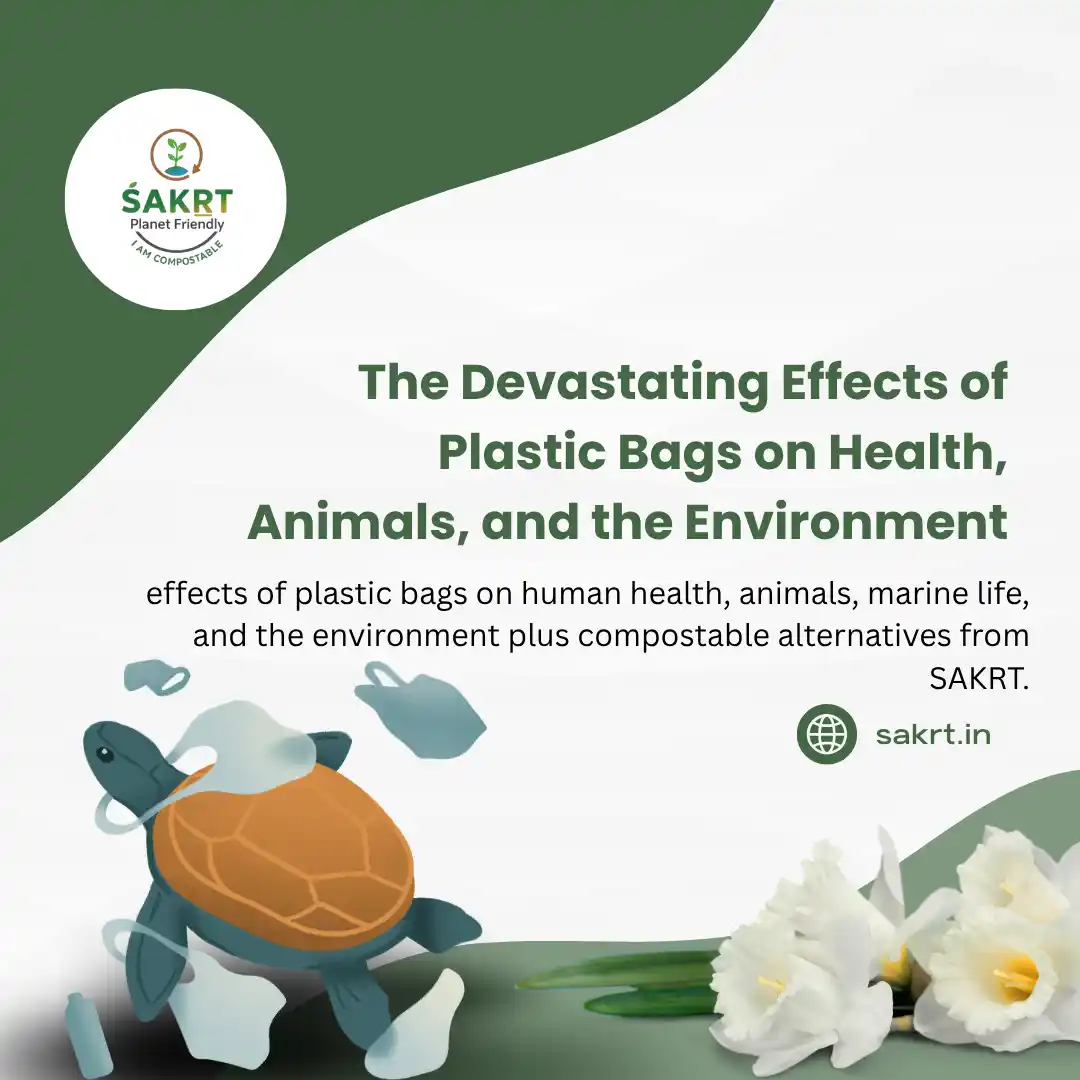
Over 100,000 marine mammals and sea turtles die annually from single-use plastics. Sea turtles frequently mistake floating plastic carry bags for jellyfish—their primary food source. Once ingested, plastic blocks their digestive tracts, leading to starvation and death.
Threat to Terrestrial Wildlife and Cattle
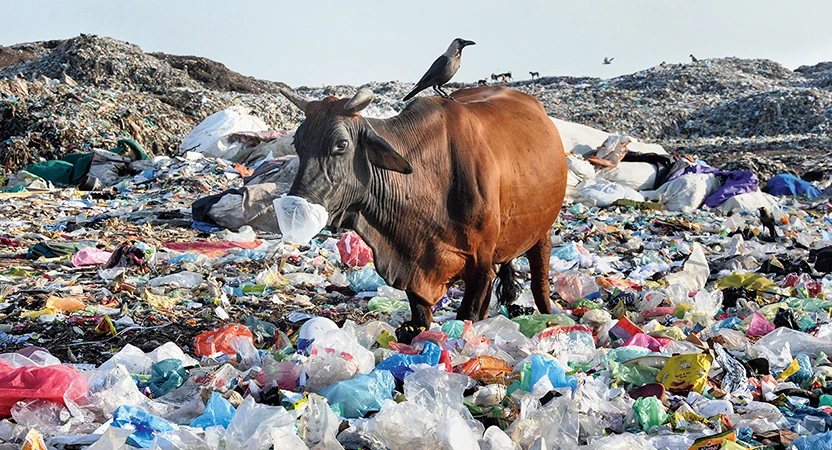
In urban and rural regions, stray cows, goats, and wild animals often eat plastic bags while foraging through garbage heaps. Cattle frequently ingest kilograms of plastic waste, leading to fatal stomach blockages and internal organ damage.
3. How Plastic Bags Harm Human Health
The effects of plastic bags extend beyond nature—they directly impact human physiology through microplastics and toxic chemical leaching.
Chemical Leaching During Everyday Use
Storing hot food or groceries in low-quality plastic bags causes endocrine-disrupting chemicals like Bisphenol A (BPA) and phthalates to leach into food items. Long-term exposure to these chemicals is linked to hormonal imbalances, reproductive health issues, and metabolic disorders.
Ingestion of Microplastics via the Food Chain
When fish and livestock consume microplastics, those toxic particles accumulate up the food chain—ultimately ending up on our dinner plates. Recent medical studies have detected microplastics in human blood, lung tissue, and even placenta, highlighting a growing public health crisis.
The Solution: Switching to Certified Compostable Bags
Educating society on the harm caused by traditional plastic is only the first step. To achieve lasting change, businesses and consumers must switch to viable, eco-friendly alternatives.
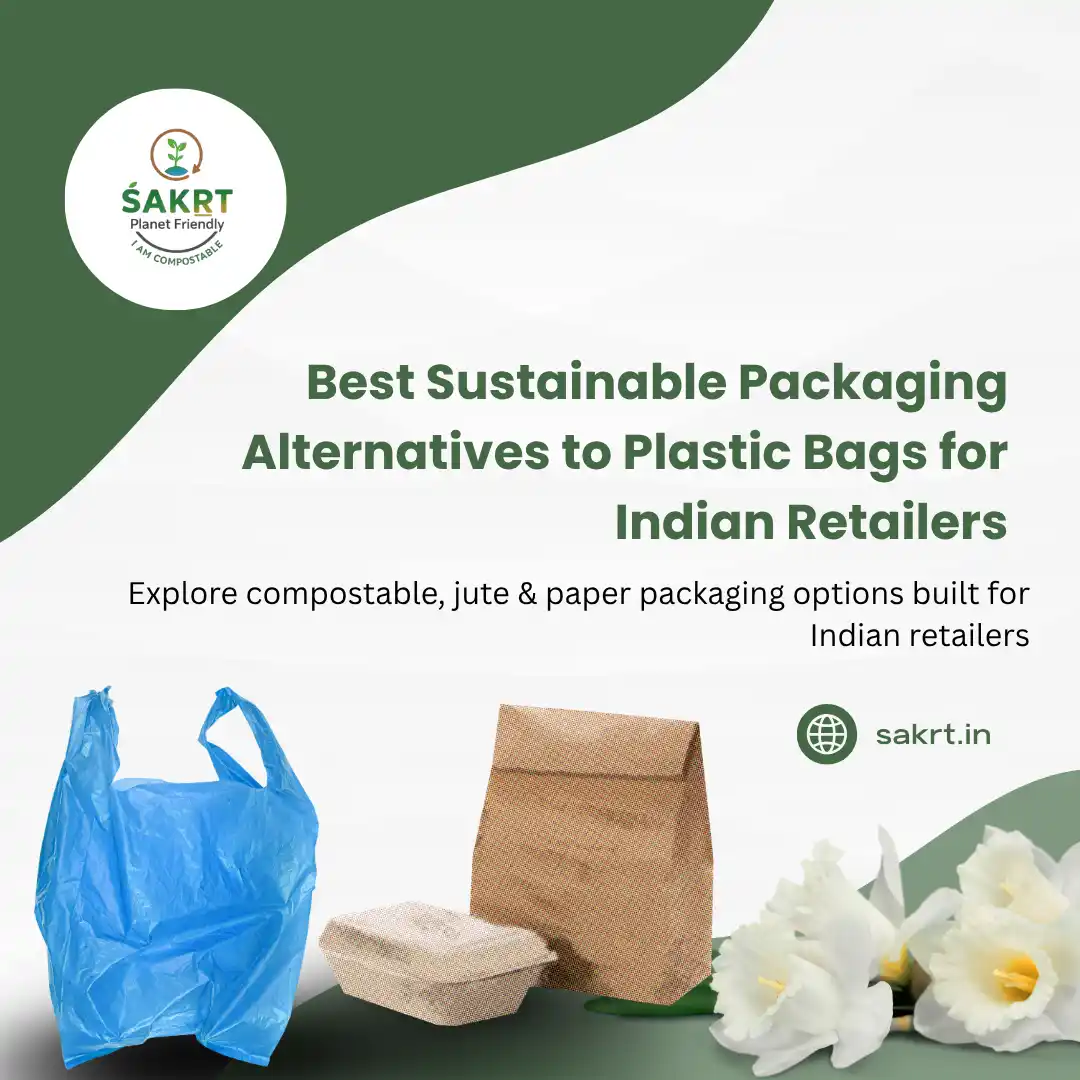
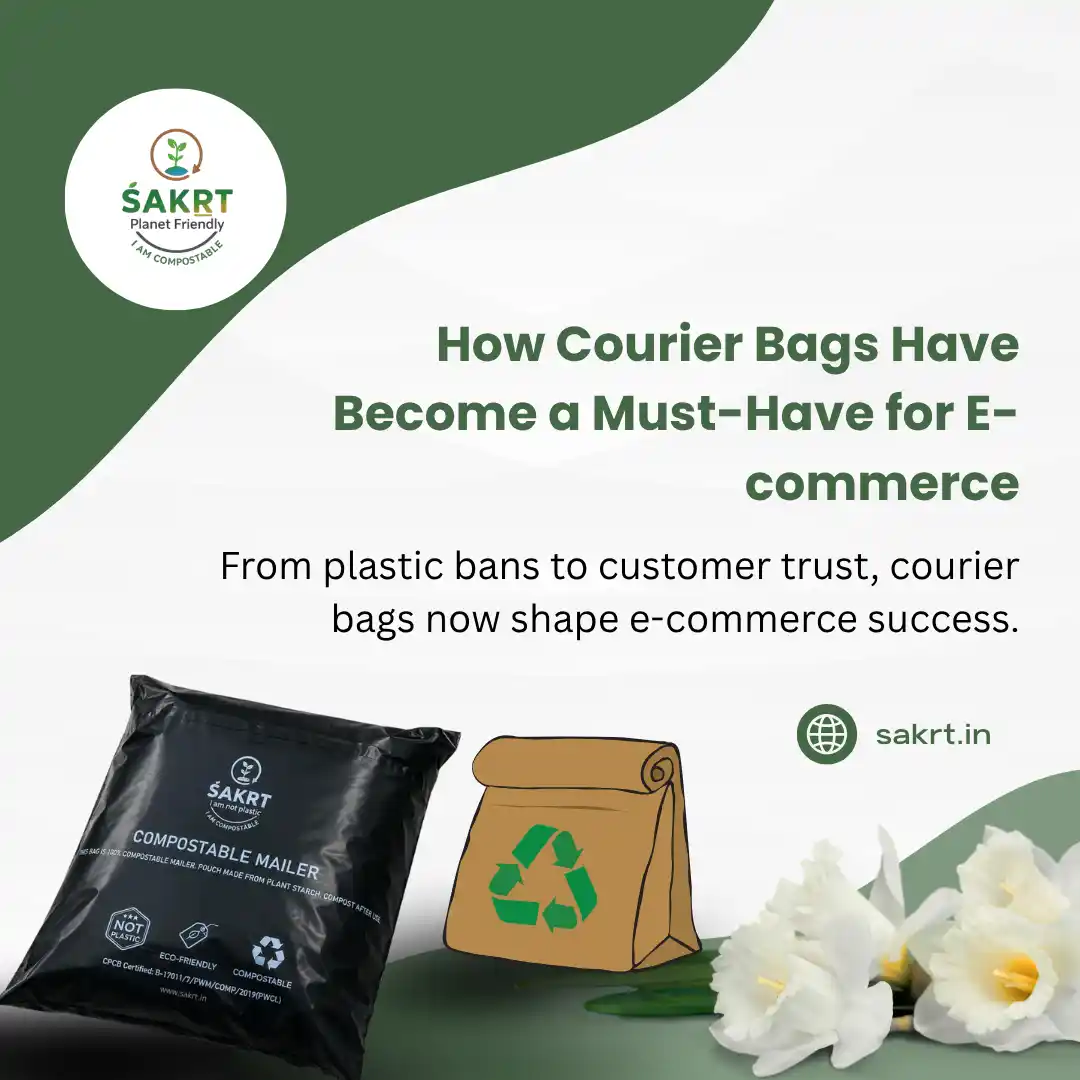
SAKRT offers 100% plant-based, IS 17088-certified compostable bags made from organic materials like corn starch and sugarcane bagasse. Unlike traditional plastic bags:
- They decompose naturally within 180 days in soil or compost conditions.
- They leave zero toxic chemical residue or microplastics behind.
- They provide the same durability, tear-resistance, and load capacity as conventional plastic.
Make the Switch to a Cleaner Future
Understanding the effects of plastic bags makes it clear: single-use plastic packaging has no place in a sustainable future. By switching your business to certified compostable alternatives, you protect ecosystems, safeguard public health, and position your brand as an eco-conscious leader.
FAQs
What are the main effects of plastic bags on human health?
Plastic bags can leach chemicals like BPA and phthalates into food, release toxic fumes when burned, and break down into microplastics that have been found in human tissue. Together, these create both immediate and long-term health risks.
How do plastic bags affect animals in India specifically?
Stray cattle and other scavenging animals often eat food scraps still tied in plastic bags, which then accumulate in the stomach and cause slow starvation. Veterinary cases have documented tens of kilograms of plastic removed from a single animal.
Why are plastic bags especially dangerous for marine life?
Sea turtles and other marine animals mistake floating plastic bags for jellyfish, and ingestion creates a false sense of fullness that leads to starvation. Entanglement in bags and debris also causes drowning and injury across many species.
How long do plastic bags take to break down in the environment?
Plastic bags can take anywhere from a few decades to several hundred years to fully break down, and even then they persist as microplastic fragments rather than disappearing completely.
What is India doing to reduce the effects of plastic bags?
India’s Plastic Waste Management Rules now ban carry bags thinner than 120 microns, enforce Extended Producer Responsibility, and require QR-code traceability on plastic packaging, alongside growing adoption of IS 17088-certified compostable alternatives.