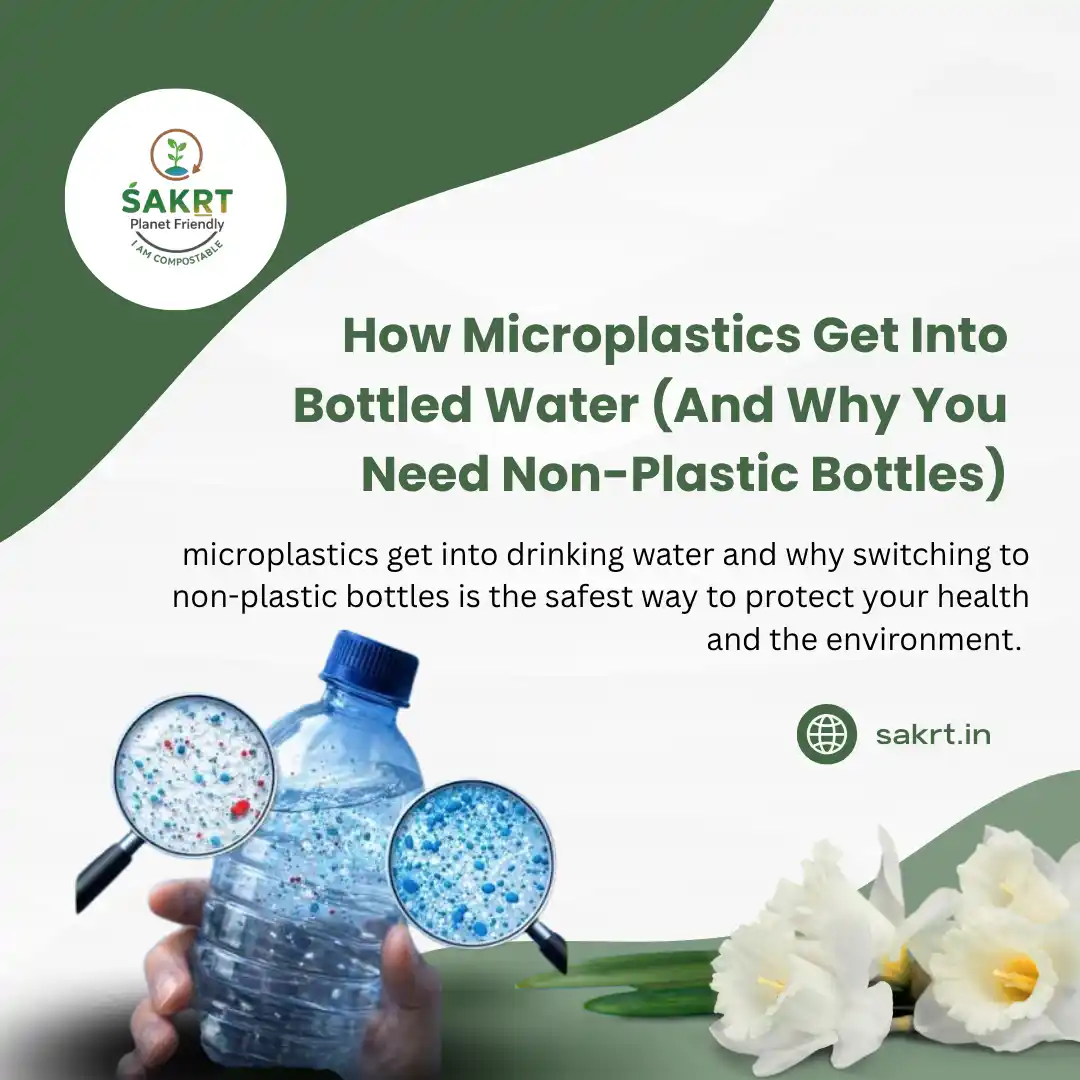
When you buy a bottle of water, you expect pure, clean hydration. Unfortunately, recent scientific studies have revealed a hidden danger floating inside: microplastics. These tiny plastic particles, often invisible to the naked eye, are being consumed by humans at alarming rates.
Non Plastic Bottles
But how do these synthetic fragments end up in our drinking water in the first place? More importantly, how can you protect yourself? The answer lies in understanding the lifecycle of packaging and making the switch to non-plastic bottles.
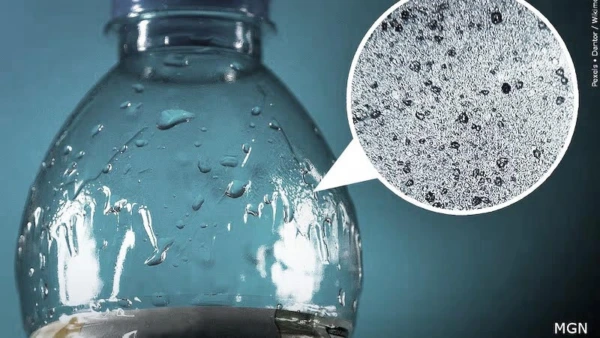
How Do Microplastics Actually Get Into Bottled Water?
It is a common misconception that water is contaminated at the source. While some microplastics exist in natural water supplies, the vast majority of plastic particles found in bottled water come directly from the packaging itself. Here is how it happens:
1. The Manufacturing and Bottling Process
The very act of injecting water into a plastic PET (polyethylene terephthalate) bottle at high speeds can cause microscopic plastic fragments to shed from the bottle’s inner walls into the liquid.
2. Friction from the Cap
Every time you twist the plastic cap open or closed, the friction between the cap and the bottle threads grinds off tiny slivers of plastic. These particles fall straight down into your water.
3. Heat and UV Exposure
If a plastic bottle is left in a hot car, exposed to direct sunlight, or stored in a warm warehouse, the plastic begins to degrade. This chemical breakdown accelerates the release of microplastics and nanoplastics, along with harmful chemical additives like BPA or phthalates.

The Health Impacts of Drinking Microplastics
While research is still ongoing, the World Health Organization (WHO) and other health bodies are actively studying the long-term effects of microplastic ingestion. These particles can carry toxic chemicals and heavy metals, potentially causing inflammation, disrupting the endocrine system, and impacting cellular health. The safest approach is proactive prevention.
The Ultimate Solution: Switching to Non-Plastic Bottles
The only foolproof way to eliminate the risk of plastic shedding into your drinks is to stop drinking from standard plastic. Switching to non-plastic bottles is a simple, highly effective lifestyle change that protects both your body and the environment.
Here are the safest alternatives to traditional single-use plastics:
Stainless Steel Bottles
Food-grade stainless steel is incredibly durable, does not leach chemicals, and will never shed microplastics into your beverage. As a bonus, double-walled steel bottles offer excellent temperature retention, keeping your drinks cold or hot for hours.
Glass Bottles
Glass is non-porous, completely inert, and infinitely recyclable. It preserves the pure taste of your water without the risk of chemical leaching, making it one of the healthiest non-plastic bottles available on the market today.
Next-Generation Compostable Alternatives
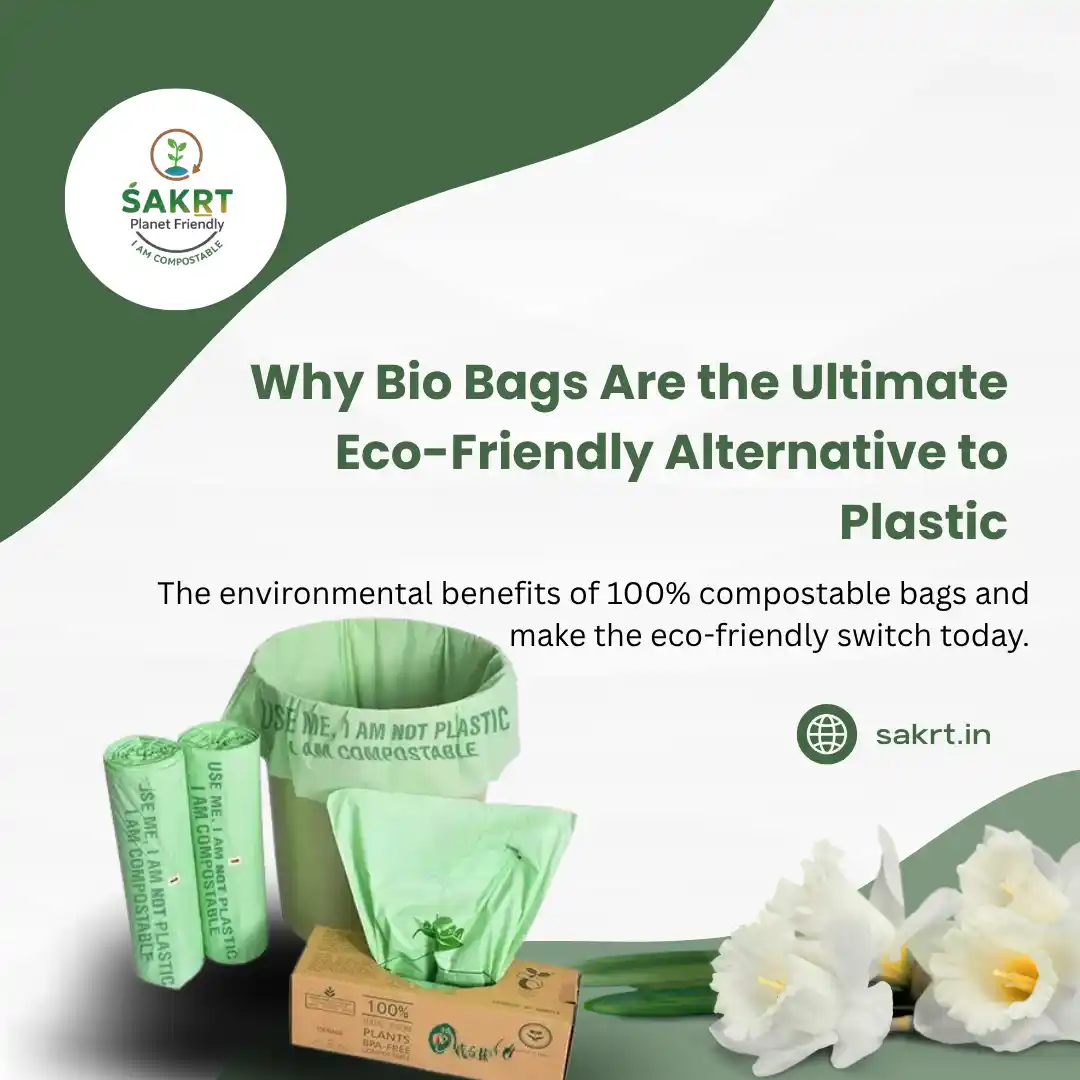
For brands and consumers looking for the convenience of a disposable bottle without the ecological nightmare, advanced bio-based and compostable bottles are changing the game. These innovative materials break down naturally without leaving behind toxic microplastic residue.
Salient Features of High-Quality Non-Plastic Bottles
When choosing an alternative to plastic, look for these key features to ensure you are getting the best product:
- 100% Toxin-Free: Free from BPA, BPS, and phthalates.
- Eco-Friendly Lifecycle: Either highly durable for lifelong reuse or made from certified compostable materials that return to the earth.
- Odor and Stain Resistant: Materials like glass and steel do not retain flavors from previous beverages.
Make the Switch Today
Every sip of water from a standard plastic bottle carries a hidden risk. By understanding how microplastics enter our water supply, you can make informed, healthier choices.
Protect your health and reduce global plastic pollution by investing in non-plastic bottles today. Whether you choose stainless steel, glass, or cutting-edge compostable packaging, you are taking a crucial step toward a cleaner, safer future.

FAQs
Does bottled water contain more microplastics than tap water?
Most studies say yes. Research has found bottled water can contain hundreds to thousands of particles per liter, while treated tap water generally shows far lower counts, though it isn’t completely free of them either.
Can storing a plastic bottle in a hot car really increase microplastic release?
Yes. Studies simulating heat and shaking together found nanoparticle release increased several-fold compared to bottles stored at room temperature, making hot-car or direct-sun storage one of the worst conditions for a PET bottle.
Do all plastic bottle brands release the same amount of microplastics?
No. Research comparing Indian bottled water brands found meaningfully different particle counts between national and local brands, likely due to differences in storage, transport, and manufacturing conditions.
Are non plastic bottles completely free of microplastic release?
Compostable and plant-based bottles avoid the specific PET degradation and threaded-cap abrasion mechanisms documented in these studies, making them a meaningfully lower-risk choice, though material quality and proper certification still matter.
SAKRT – A Brand of Envirly Innovations Pvt Ltd
Choose SAKRT’s Biodegradable Products
Join the sustainability revolution today!
Choose SAKRT’s biodegradable products for your home, business, or event and make waste disposal responsible.