India single-use plastic ban is one of the biggest environmental efforts in a nation facing huge plastic pollution problems. The ban was introduced step by step following the Plastic Waste Management Rules, and it started targeting items with little use on July 1, 2022. But there are still questions: has this ban actually reduced plastic bottle waste and overall pollution? Some areas show improvement, but issues like poor enforcement and the fact that many bottles are not included in the ban mean the effect isn’t as strong as it could be.
This post looks at the present situation, the difficulties faced, available alternatives, and how India compares with other countries. It also covers Extended Producer Responsibility in India and real-world solutions. By the end, readers will see why a mix of bans, innovation, and shared responsibility is the best way to move forward.
What is the Current Landscape of Single-Use Plastics?
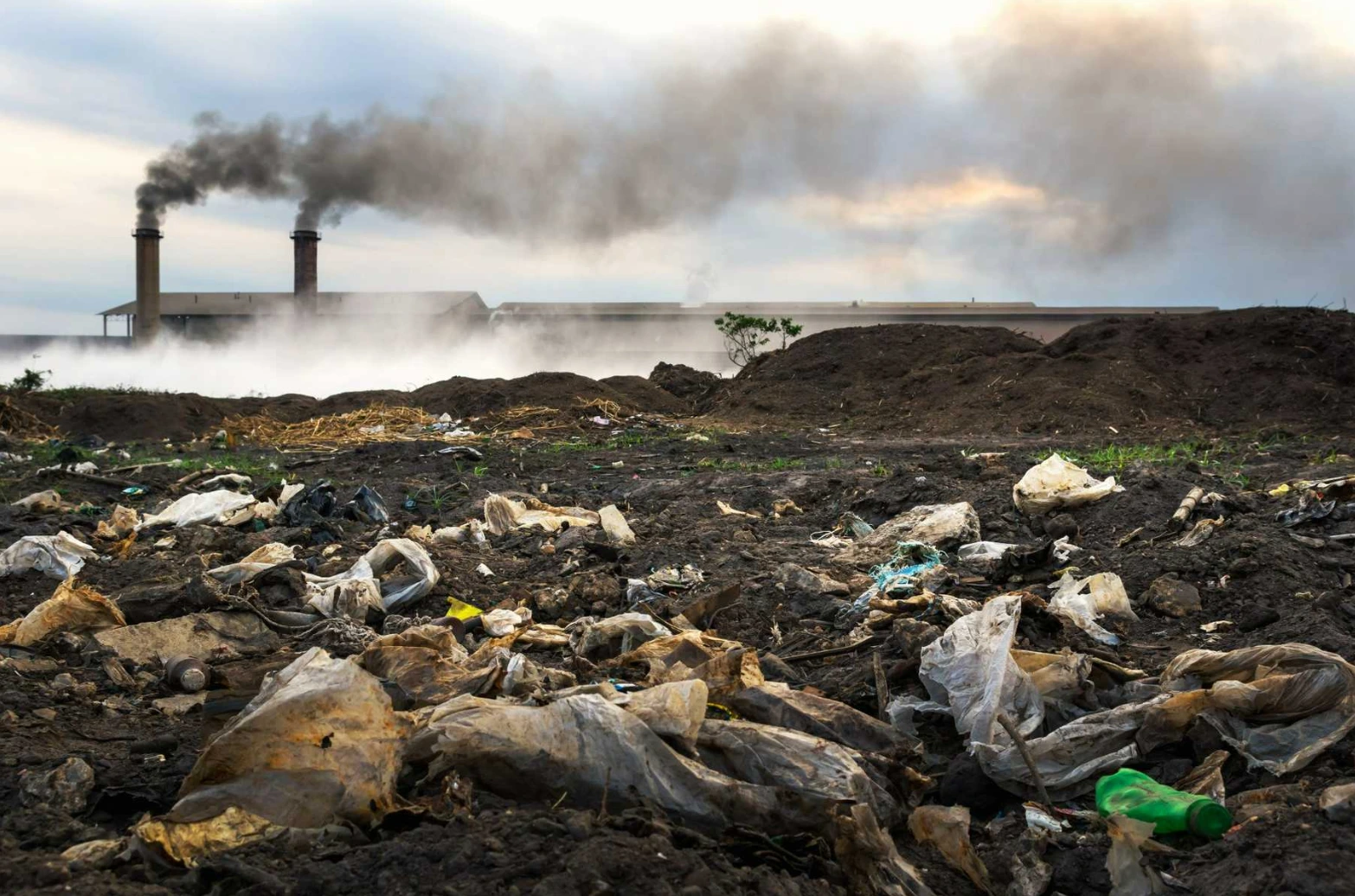
In India, single-use plastics are widely used in everyday life, such as in carry bags and packaging. The country produces millions of tonnes of plastic waste each year, much of which ends up in landfills, rivers, and the ocean. A ban on single-use plastics in India has stopped the use of items like straws, cutlery, plates, and thin bags, with the goal of reducing litter.
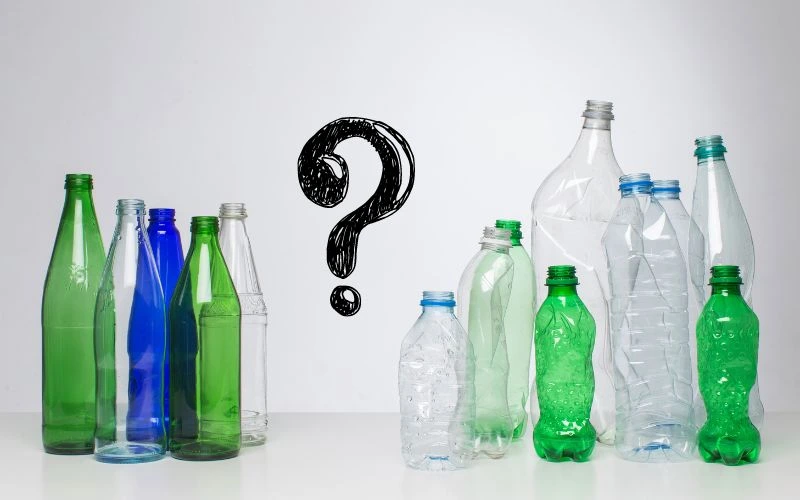
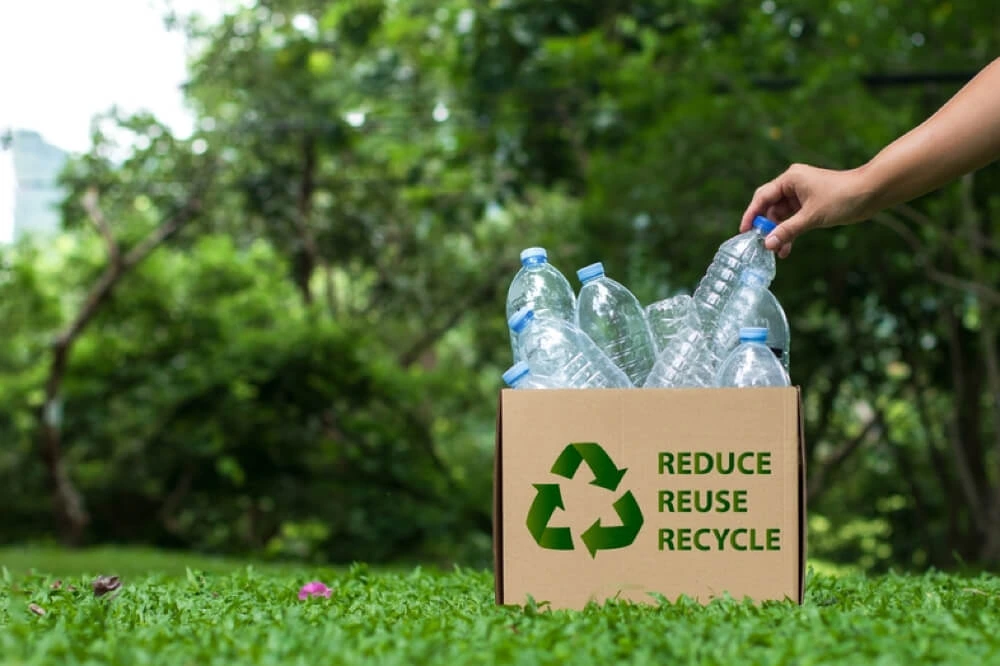
However, plastic bottles for water and drinks are not included in the main ban, so they still create a lot of waste. Surveys after the ban show that banned items are less common in cities, but people still use them in smaller markets and on the streets. Although awareness about plastic use has increased, big changes are slow because there is still a high demand for plastic and it is very cheap.
Key Highlights of the Report Released at UNEA-6 Regarding SUP?
UNEA-6, which took place in 2024, focused on taking global action against plastic pollution as countries discussed creating an international agreement. Reports showed the importance of looking at the entire life cycle of single-use plastics and urged taking steps to prevent plastic use rather than just managing it after it’s already been made. Important ideas included supporting systems that reuse items, as these often have a smaller effect on the environment compared to single-use options, especially when used many times.
The talks also stressed the importance of expanding sustainable alternatives to single-use plastics and reuse systems.
India is working towards these goals, india single-use plastic ban but fully implementing extended producer responsibility and alternatives is still in progress. UNEA-6 made it clear that quick action is needed to reduce single-use plastics in order to protect both the ocean and land environments.
What are the Challenges in Tackling Single-Use Plastic?
Ban on plastic in India faces many challenges. The rules are not followed the same way in every state. Pollution control boards often have too few workers, and the penalties for breaking the rules are not strong enough. Small sellers and people often go back to using plastic because it is cheaper and they are used to it.
Plastic bottles are still being made and used a lot. Even though there are alternatives, they can cost more at first. Also, there isn’t enough waste collection and recycling in many areas. Illegal production and smuggling of plastic also make it hard to stop. These problems affect people who collect waste and small businesses, making the situation more complicated.
All these issues show why the India single-use plastic ban has only partly helped in cutting down plastic bottle waste, rather than making a big change.
Extended Producer Responsibility India: A Game Changer?
Extended Producer Responsibility (EPR) in India holds producers, importers, and brand owners accountable for managing plastic packaging waste. With updated Plastic Waste Management Rules, companies are required to meet recycling goals, register on a central online platform, and ensure proper waste processing. EPR promotes investment in waste collection systems and the use of recycled materials.
Despite these efforts, challenges remain in ensuring complete compliance, tracking waste sources, and achieving target recycling rates by 2027-28. When properly enforced, EPR helps tackle plastic bottles and packaging that aren’t fully covered by existing bans. Enforcing EPR more strictly could lead to a major drop in plastic bottle waste.
Alternatives to Plastic Bottles and Single-Use Plastic Alternatives
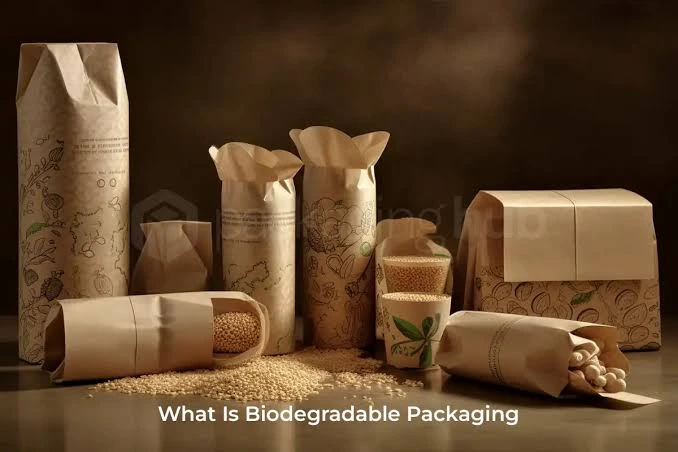
Looking for alternatives to plastic bottles is key to making long-term changes. Options like reusable steel, glass, or bottles made from corn starch and sugarcane waste are strong choices for people to use. Companies are also using materials that break down naturally, such as those from plants, edible wraps, or systems that let you refill containers.
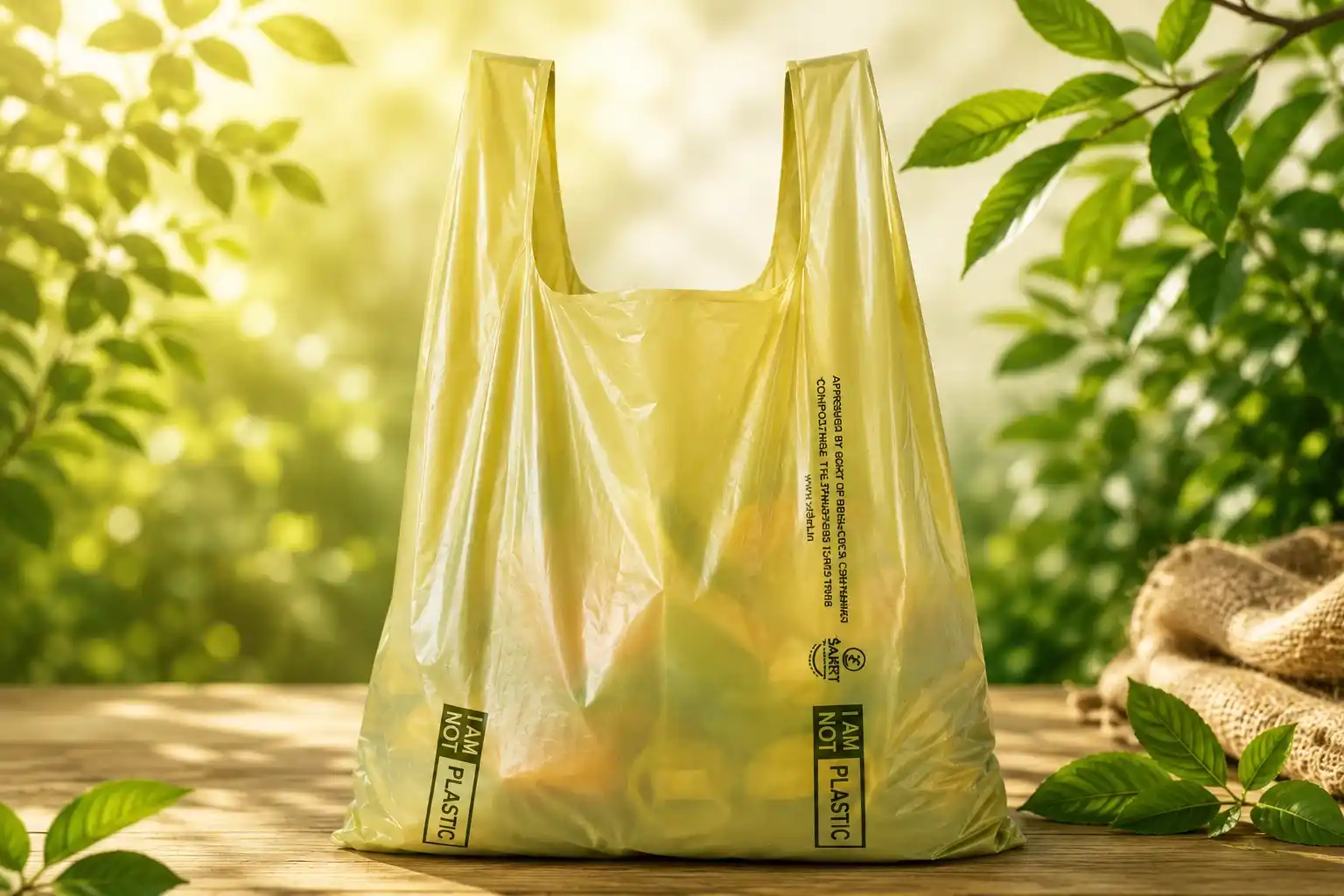
For single-use plastics. Compostable bags, cups, straws, and packaging made from plant-based materials break down naturally in months under the right conditions, greatly reducing long-term pollution compared to regular plastics.
Both the government and companies need to help these options be more affordable and widely available. When people start using their own bottles and choose brands that use eco-friendly packaging, it helps push the whole industry toward better practices.
How are other Countries Dealing with SUP?
Many countries offer useful examples. Rwanda’s strict rule on plastic bags, supported by the community, helped make cities cleaner. The EU has a rule that aims to collect 77% of bottles by 2025 and encourages using more recycled materials.
Kenya, Bangladesh, and some Australian states saw big reductions in plastic waste after introducing bans and charges. These efforts usually work well because of strict rules, public education, financial rewards, and support for eco-friendly options. India can learn from these approaches by improving how local rules are followed and expanding systems that reuse materials.
What Measures can be Taken to Deal With the Issue of Single-Use Plastic?
Effective strategies involve using technology to monitor and enforce rules more strictly, expanding Extended Producer Responsibility in India with stronger rules on using recycled materials, and offering support for alternatives to single-use plastics. Educating the public and giving rewards for using reusable items can change habits. It’s important to invest in waste management systems, especially in rural and semi-urban areas. Working together between the government, companies, and non-profits can lead to affordable plastic bottle alternatives. Gradually including more types of bottles under regulations, along with holding producers responsible, can tackle plastic waste directly.
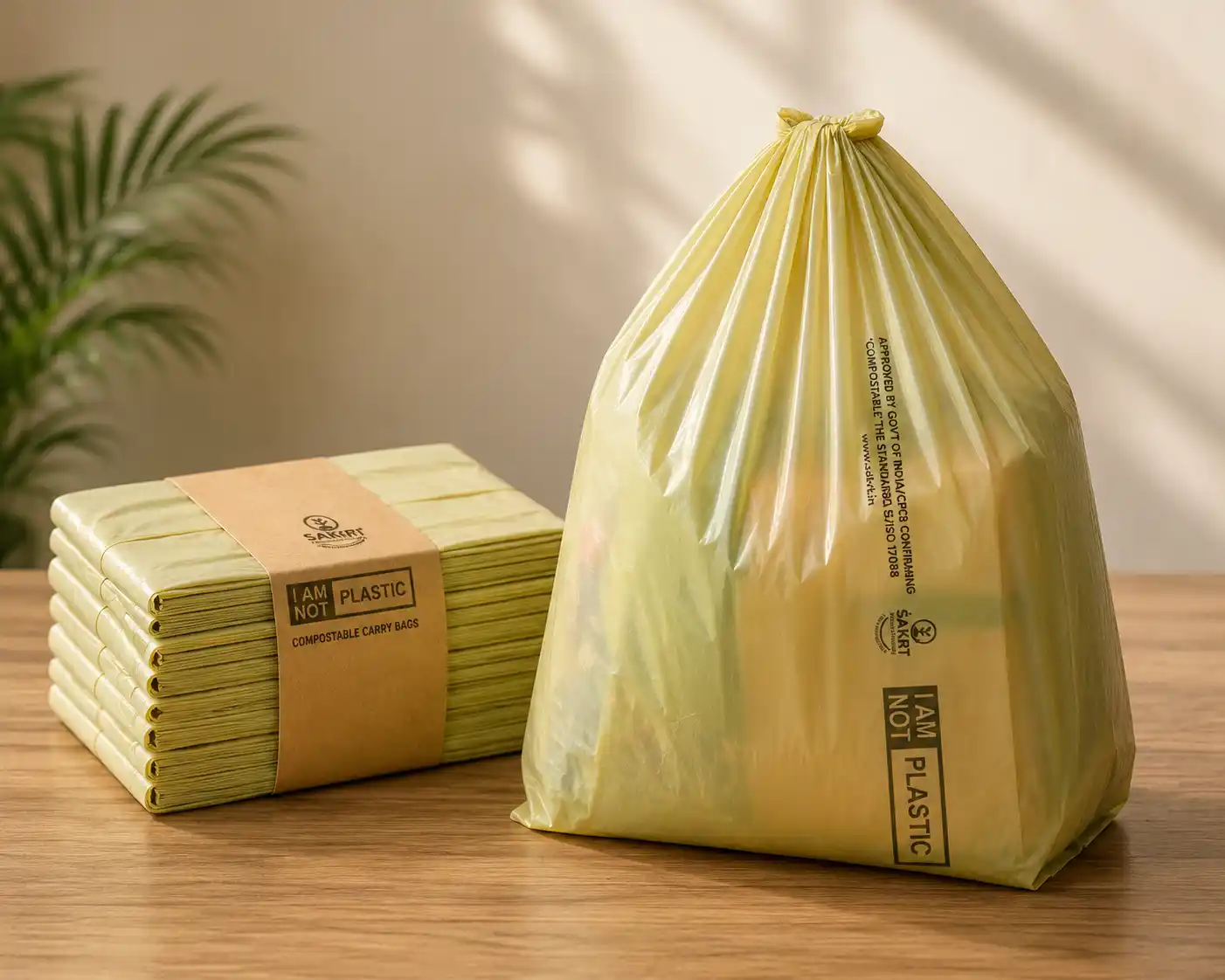
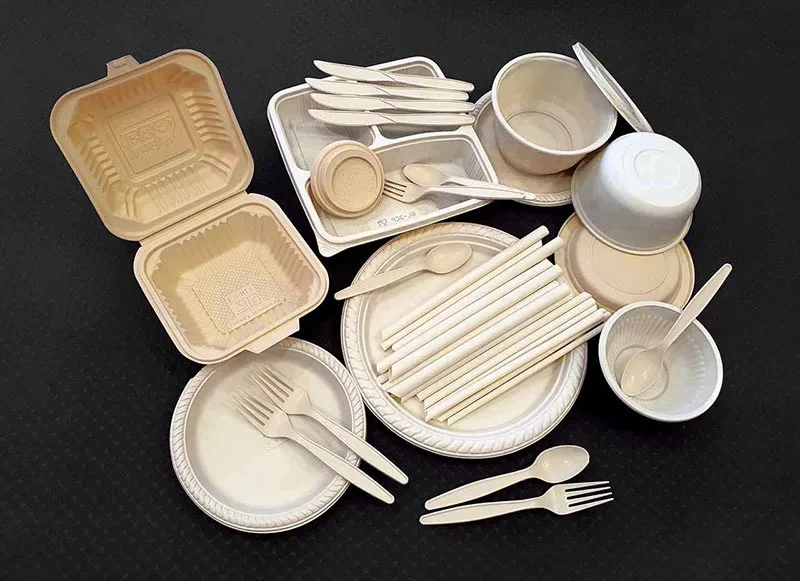
A very promising approach is promoting compostable products as good substitutes for single-use plastics. Compostable bags, cups, straws, and packaging made from plant-based materials break down naturally in months under the right conditions, greatly reducing long-term pollution compared to regular plastics.
Switching to certified compostable options supports the goals of India’s single-use plastic ban and helps build a circular economy. Both consumers and businesses can make a big difference by choosing high-quality compostable products for daily use. For a wide range of reliable and affordable compostable alternatives to plastic bottles and other single-use items, check out the sustainable collection at https://sakrt.in/.
Conclusion
The ban on single-use plastics in India has increased awareness and cut down on some plastic items, but its impact on reducing plastic bottle waste remains limited due to gaps in coverage and enforcement. Positive steps like Extended Producer Responsibility, the rise of alternative products, and international cooperation give hope, but ongoing efforts from all stakeholders are essential.
In the long run, combining bans with innovation, responsibility, and changes in behavior can help make India cleaner. Individuals can make a difference by opting for reusable items and supporting eco-friendly brands.
SAKRT – A Brand of Envirly Innovations Pvt Ltd
Choose SAKRT’s Biodegradable Products
Join the sustainability revolution today!
Choose SAKRT’s biodegradable products for your home, business, or event and make waste disposal responsible.
FAQs
The ban primarily targets low-utility items like straws, cutlery, and thin bags. Many plastic bottles remain in circulation, though EPR aims to manage their waste.
EPR has increased registration and recycling targets, but challenges in compliance and infrastructure limit full impact. It holds promise for better plastic bottle waste management.
Reusable stainless steel or glass bottles, along with biodegradable and refillable options, serve as excellent single-use plastic alternatives. Many brands now offer these affordably.
Enforcement inconsistencies, cost of alternatives, and behavioral habits pose significant hurdles despite the ban plastic policy.
Carry reusable bottles, support brands with strong EPR practices, and choose alternatives to plastic bottles. Small daily actions multiply into big environmental gains.