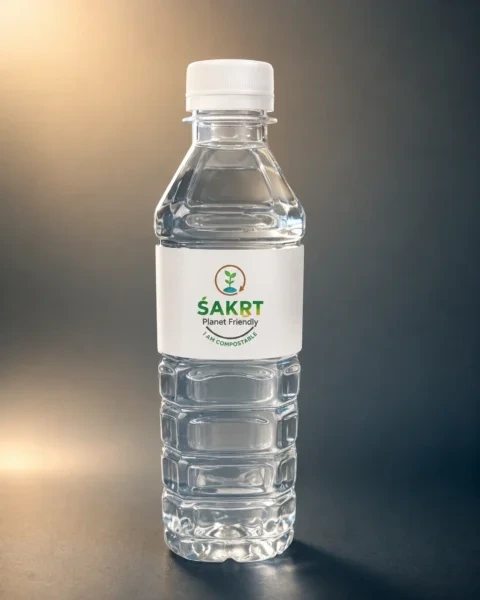
Eco Friendly Biodegradable Bottles

Certified
Product

Ontime
Delivery

Custom
Orders

Easy
Returns
About Our Biodegradable Bottles
- These Biodegradable water bottles are made from plant-based, materials that break down naturally without harming the environment.
- Designed as an eco-friendly alternative to single-use plastic bottles.
- Helps reduce plastic pollution and landfill waste.
- Strong, durable, and suitable for daily water storage and transport.
- Lightweight and easy to carry for travel, events, offices, and outdoor use.
- Supports businesses and individuals moving toward sustainable packaging solutions.
- Ideal for corporate events, hospitals, educational institutions, and eco-conscious brands.
- standard sizes available.

CPCB CERTIFIED
BPA-free and non-toxic, safe for storing drinking water.

Easy Order

Easy Payment

CIPET Certified
CIPET Certified
Easy Order
Easy Payment
Why Choose Biodegradable Water Bottles
Biodegradable water bottles are a smart step toward reducing plastic pollution without compromising convenience. Unlike traditional plastic bottles that remain in landfills and oceans for hundreds of years, these bottles are designed to break down naturally under the right conditions, leaving a much smaller environmental footprint.
One of the biggest advantages of biodegradable water bottles is their eco-friendly composition. Made from plant-based or compostable materials, they help lower dependence on fossil fuels and reduce harmful carbon emissions. This makes them an ideal solution for businesses, events, hospitals, and environmentally conscious consumers looking to adopt sustainable alternatives.
Read More
Additional Product Details
- Made from plant-based / biodegradable materials instead of petroleum plastics.
- Designed to break down naturally under proper composting or disposal conditions.
- Strong, durable structure with leak-resistant design.
- Lightweight and easy to carry.
- Helps reduce plastic waste and carbon footprint.
- Manufactured following eco-friendly production practices.
- Available in multiple sizes and capacities.
Read More
Usage Applications:
- Corporate offices promoting eco-friendly initiatives
Hospitals & healthcare facilities reducing plastic waste. - Events, exhibitions & conferences as sustainable giveaway bottles.
- Schools & colleges encouraging green habits among students.
- Hotels & resorts offering eco-conscious guest amenities.
SAKRT – A Brand of Envirly Innovations Pvt Ltd
Choose SAKRT’s Biodegradable
Water Bottles
Join the sustainability revolution today!
Choose SAKRT’s biodegradable products for your home, business, or event and make waste disposal environmentally responsible.
What makes difference in Biodegradable Water Bottles & Plastic Bottles
Biodegradable Bottles – A Genuine Alternative to Plastic Water Bottles
Plastic water bottles are a major source of single-use waste in India, and most PET bottles can take more than 400 years to decompose. SAKRT’s biodegradable bottles are made from plant-based materials instead of oil-based plastics, so they break down naturally in months rather than hundreds of years. These bottles are made following strict quality standards with IS 17088 and CPCB certifications, offering businesses a real and legally compliant alternative to plastic that doesn’t sacrifice durability or looks.
Why Choose SAKRT's Biodegradable Bottles
SAKRT’s biodegradable bottles are designed for real-world use in business, not just for looking eco-friendly. Each batch is certified under IS 17088 and approved by CPCB, ensuring that what’s promised on the label actually works in a composting setting. The bottles are free from BPA, non-toxic, and safe for storing drinking water daily, meeting the same hygiene standards as regular PET bottles.
Beyond meeting regulations, these bottles are built to perform well. They are leak-proof, strong enough for carrying around and daily use, and light enough for events, offices, and travel. Businesses get a product that works and looks like a typical water bottle, without the long-term environmental impact that comes from throwing it away.
Why Indian Businesses Are Switching to Compostable Bottles
Demand for these bottles has increased a lot in areas like corporate gifting, hospitality, and event management in India. This is because of three main reasons. First, under India’s Plastic Waste Management Rules, single-use plastic bottles smaller than 200 ml are already banned, so companies are looking for legal alternatives before the rules are fully enforced. Second, people like guests, employees, and attendees are more aware of sustainable options, especially at places like wellness resorts, conferences, and environmentally friendly venues. Third, using these bottles at corporate events or as giveaways helps a brand show real environmental care, not just make empty promises.
For those in charge of procurement who have to follow Extended Producer Responsibility (EPR) rules, changing to packaging made from certified compostable materials, like switching from regular drinking water bottles, is a simple way to lower the plastic impact reported under EPR.
Related Products


FAQs
yes, biodegradable plastic water bottles don’t contain plastic materials.
Biodegradable plastic water bottles are made from pla based compostable materials. Sugarcane bagasse and corn starch are the main two raw materials used to manufacture biodegradable plastic bottles.
Biodegradable plastic is 100% compostable in nature. They are made from Sugarcane bagasse and corn starch which are the main two raw materials used to manufacture biodegradable plastic bottles and other biodegradable materials.
Bottles made from recycled aluminum have the smallest effect on the environment among single–use containers.
Recycling aluminum uses less energy and makes a smaller impact on the climate than making new aluminum from scratch.
Right now, they are mostly made from things like corn, beets, sugar cane, wood, potatoes, tapioca roots, or even nuts.
But in the future, they will probably be made from leftover materials and waste.The word “renewable” usually means something that can be used again within 10 years.Biobased plastics can either be compostable or recyclable, depending on what they are made from.