Plastic pollution is one of the most pressing environmental crises of our time. Every year, millions of tons of single-use plastics end up in our oceans and landfills, taking hundreds of years to break down. As awareness grows, both businesses and consumers are actively searching for sustainable solutions for carrying, storing, and disposing of daily items.
The answer? Bio bags.
If you have been wondering why you should make the switch, this guide breaks down exactly what bio bags are and why they are the smartest, most responsible choice for a greener future.
What Exactly Are Bio Bags?
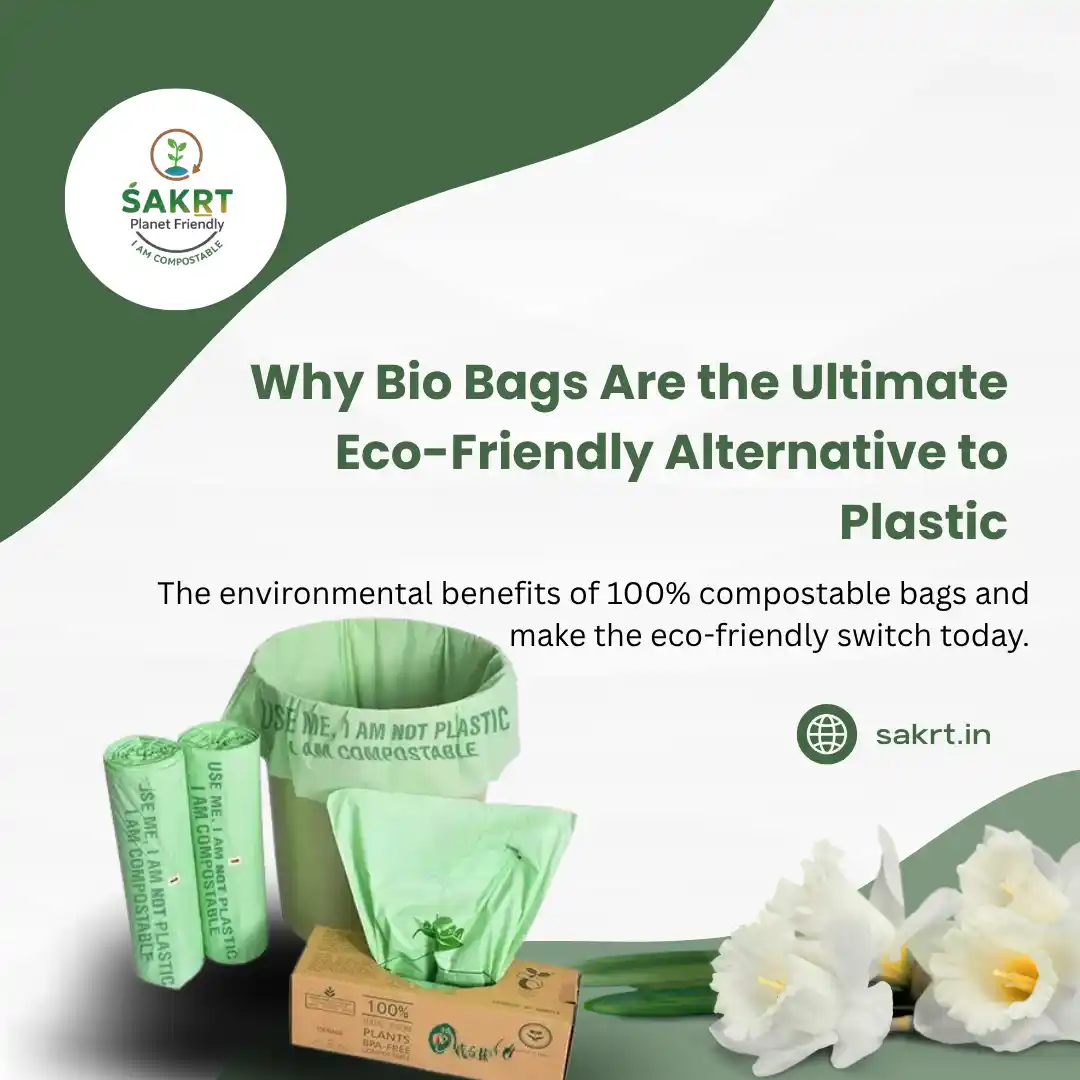
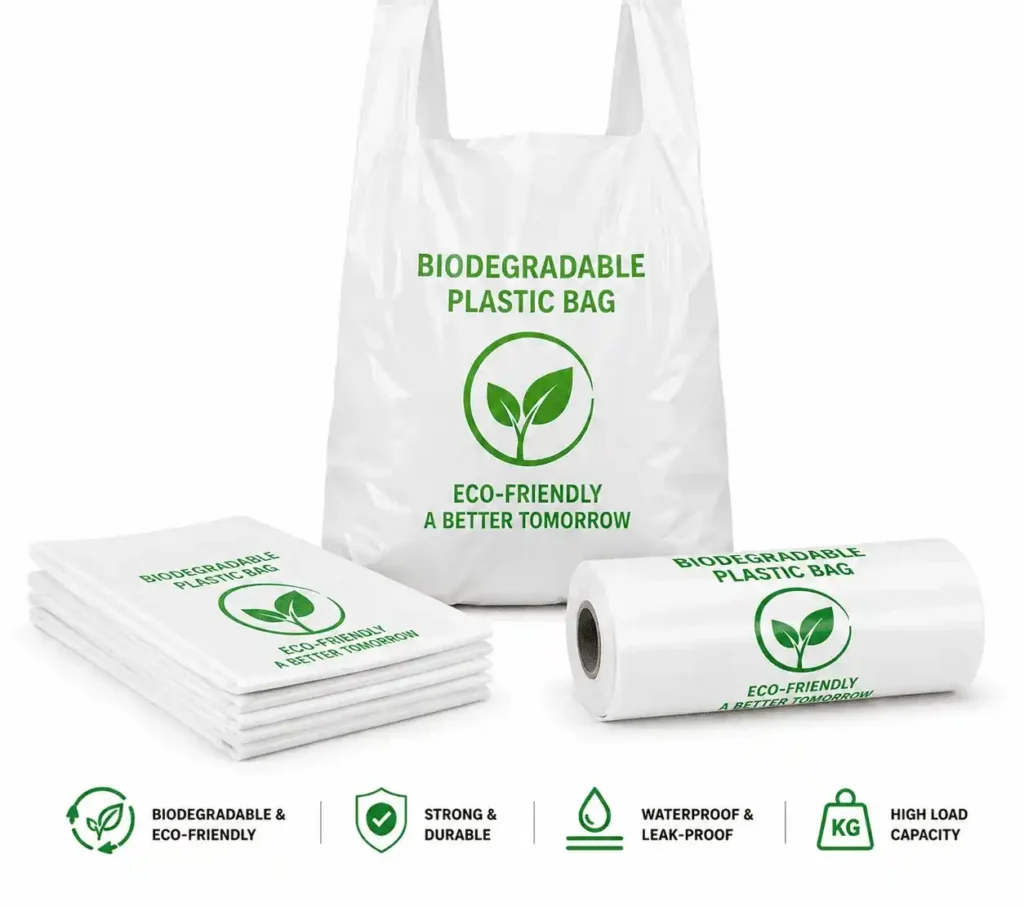
Unlike traditional plastic bags, which are made from petroleum-based chemicals, true bio bags are manufactured using natural, plant-based renewable resources like corn starch, PLA (Polylactic Acid), and PBAT.
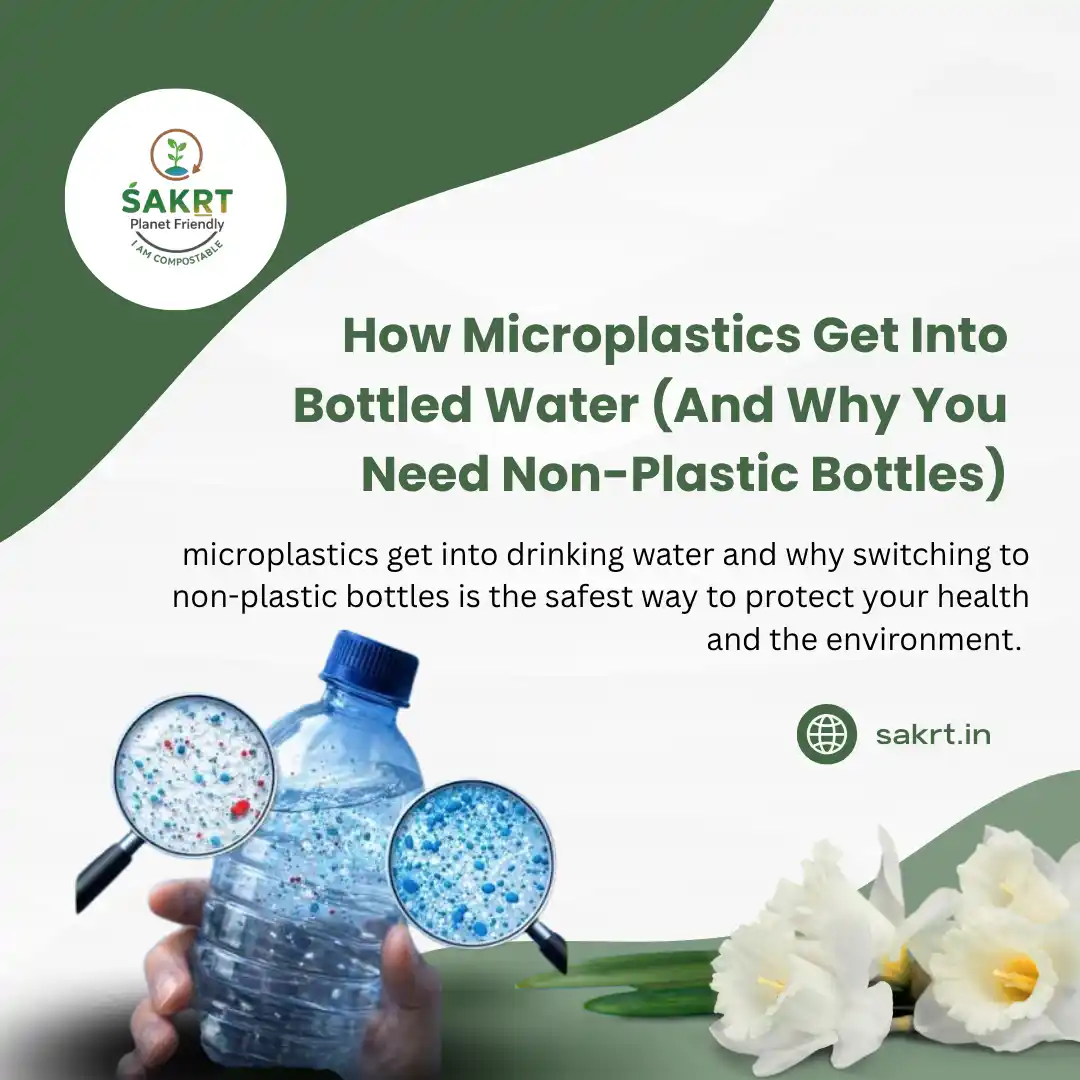
Because they are derived from nature, they are designed to return to nature. When disposed of correctly in a composting environment, a genuine bio bag will break down completely, leaving behind no toxic microplastics, only water, biomass, and carbon dioxide.
Top 4 Reasons to Make the Switch to Bio Bags
Why are eco-conscious consumers and forward-thinking businesses abandoning plastic? Here are the top reasons bio bags are becoming the global standard:
1. They Are 100% Compostable and Zero-Waste
The biggest advantage of a certified bio bag is its end-of-life cycle. Instead of sitting in a landfill for 500 years, compostable bio bags break down organically within a few months under the right composting conditions. They turn into nutrient-rich compost that can actually be used to improve soil health, creating a perfect zero-waste loop.
2. Significant Reduction in Carbon Footprint
Manufacturing traditional plastic generates a massive amount of greenhouse gas emissions. Producing plant-based bio bags requires significantly less energy and fossil fuels. By choosing bio-based packaging, you are actively helping to reduce the world’s carbon footprint.
3. Protection for Wildlife and Marine Ecosystems
Traditional plastic bags are notorious for devastating marine life, as animals often mistake them for food. Because bio bags are made from natural materials and decompose much faster, they pose a drastically reduced threat to wildlife and delicate ocean ecosystems.
4. Surprisingly Durable and Versatile
A common misconception is that eco-friendly bags are weak or easily tearable. Thanks to modern manufacturing innovations, today’s bio bags offer excellent tensile strength. Whether you are using them for heavy retail groceries, carrying daily apparel, or lining your garbage bins, they are just as reliable and leak-proof as their plastic counterparts.
Say No to Toxic Plastics
Every time we choose a sustainable alternative, we cast a vote for the health of our planet. The transition away from single-use plastics is no longer just a trend; it is a global necessity. By incorporating bio bags into your daily life or business operations, you are taking a direct, measurable step toward environmental conservation.
Join the Green Revolution with SAKRT
FAQs
What are bio bags used for?
The word “bio bag” can mean two different things based on the situation: it can refer to environmentally friendly bags made from plant materials that decompose on their own, or it can mean red bags used in medical settings for handling dangerous waste.
Is Biobag plastic?
The word “bio bag” can mean two different things based on the situation: it can refer to environmentally friendly bags made from plant materials that decompose on their own, or it can mean red bags used in medical settings for handling dangerous waste.
Do biobags leave microplastics?
Certified compostable biobags don’t leave behind harmful, man-made microplastics when they break down correctly. These bags are made from plant-based materials such as Mater-Bi, which microorganisms can fully break down into water, organic matter, and carbon dioxide in a proper composting environment.
Where can i purchase compostable bags?
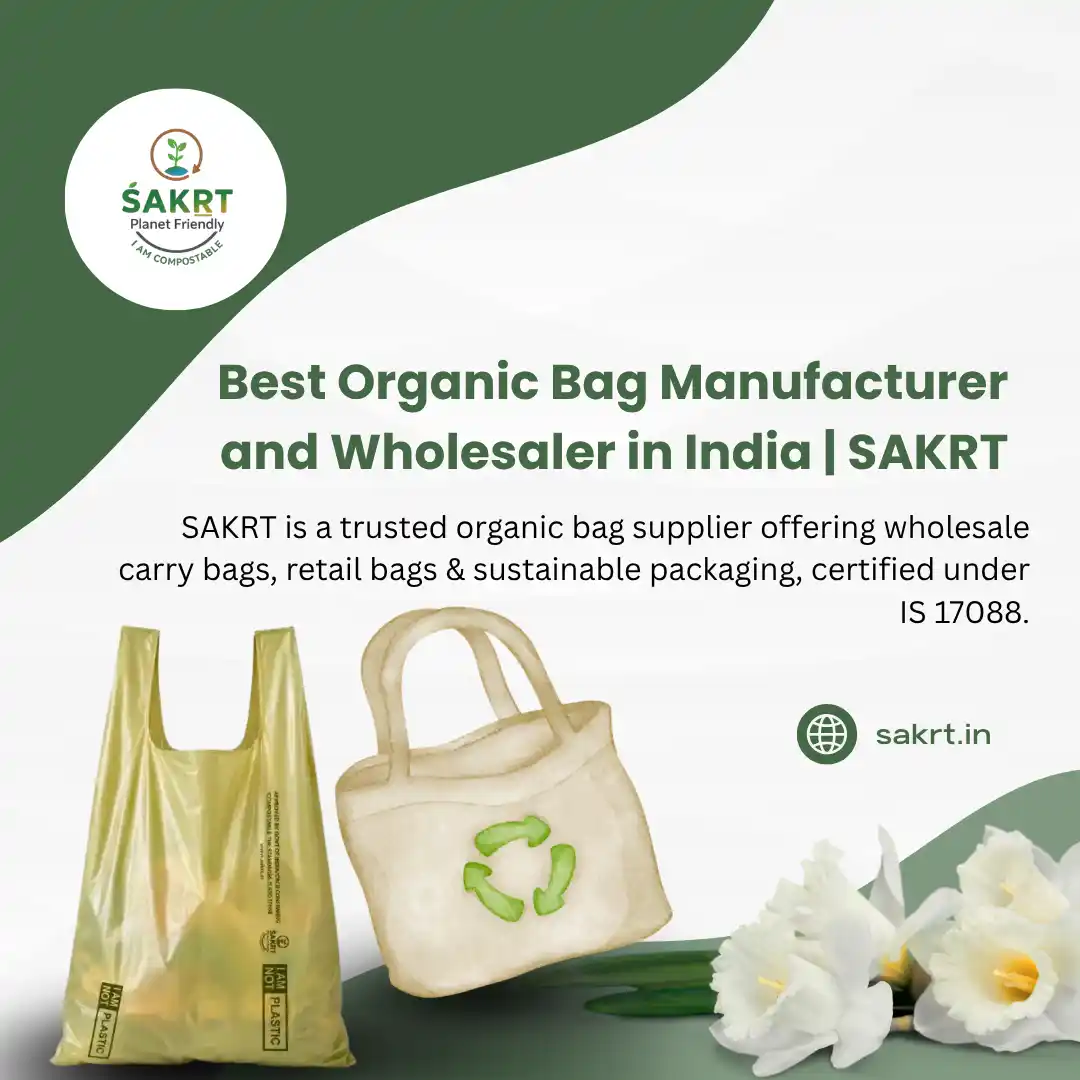
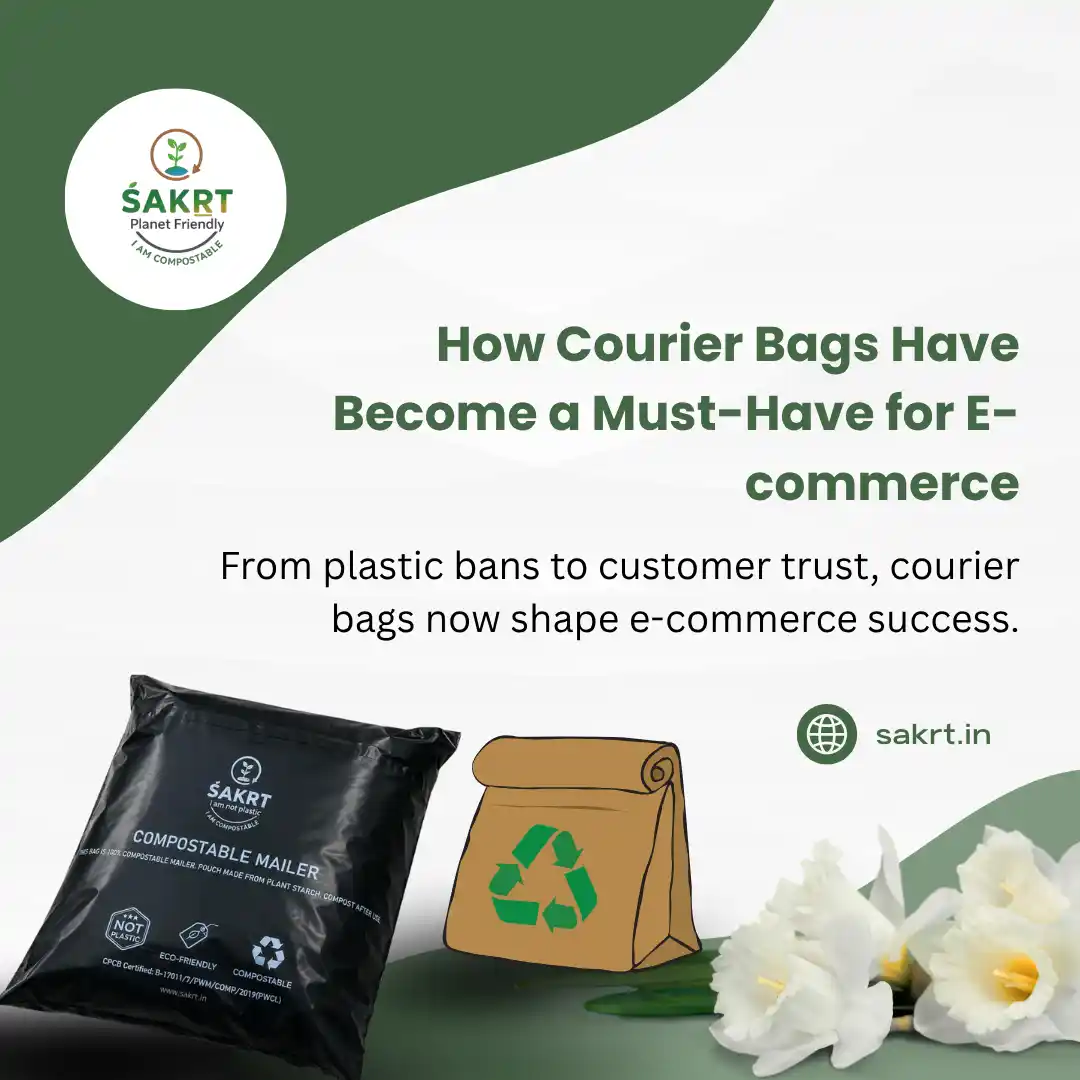
Sakrt manufactures 100% compostable bags and products made from plant based materials. They are CPCB certified and eco friendly in nature.