The global packaging industry is undergoing a massive transformation. For decades, traditional petroleum-based plastics dominated the market due to their low cost and high durability. But as environmental regulations tighten and consumer awareness peaks, businesses are being forced to adapt.
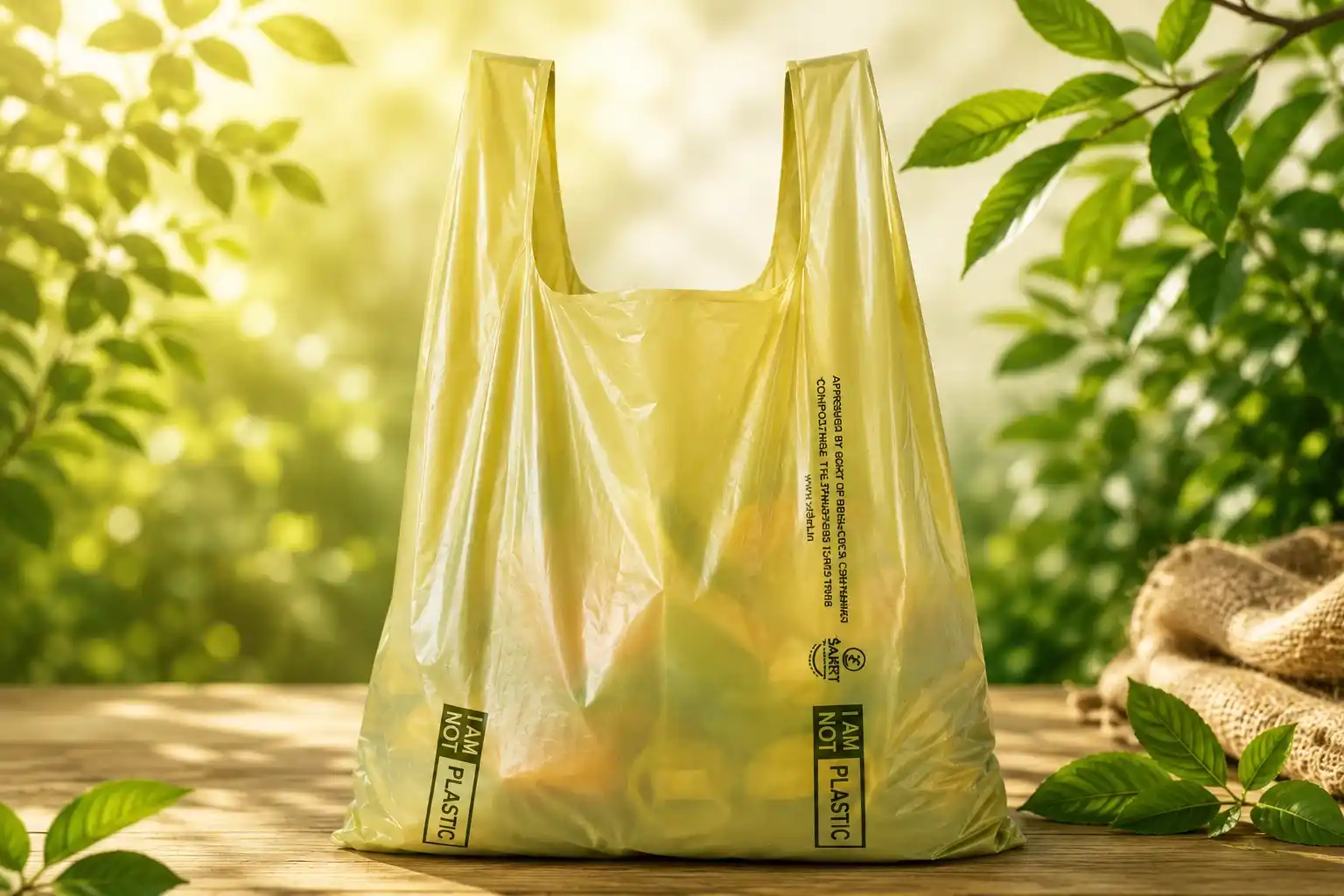
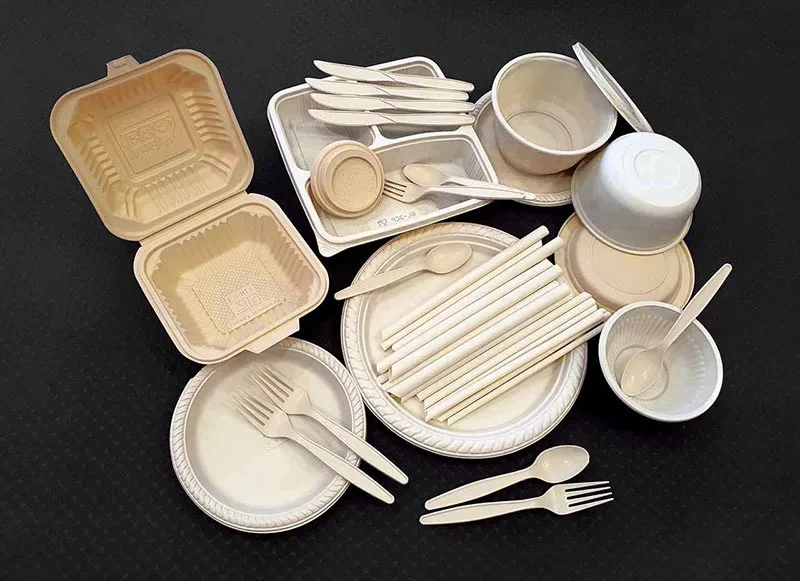
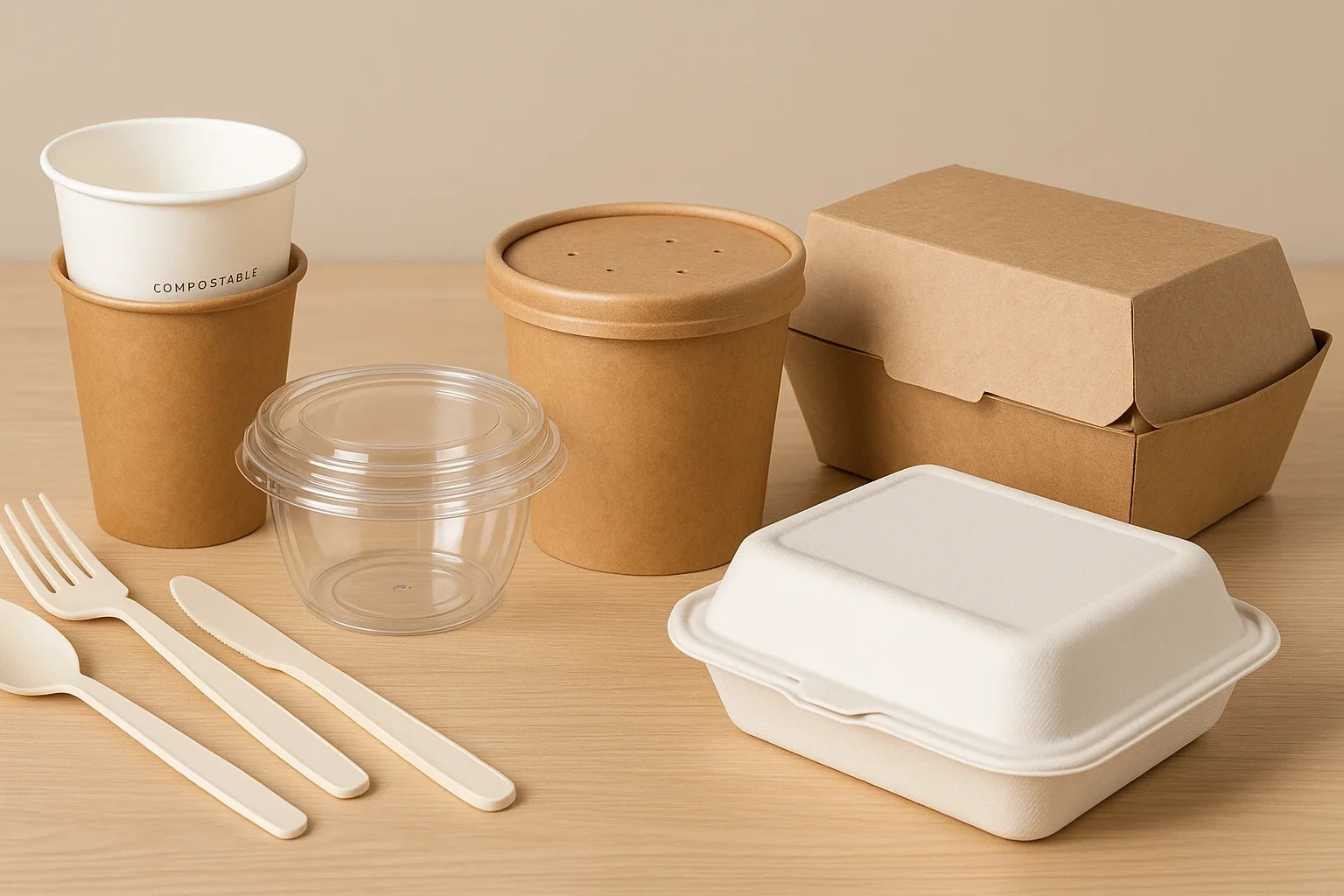
Today, the term compostable plastic bags is dominating supply chain conversations. While the phrase sounds like an oxymoron, it refers to advanced bioplastics packaging engineered from plant-based materials that mimic the strength of plastic but return entirely to the earth.
As single-use plastics face sweeping bans across India and the globe, compostable packaging is no longer just a niche eco-trend; it is the blueprint for the future. Here is why businesses are making the shift and how it is reshaping the industry.
The Crisis Forcing the Packaging Shift
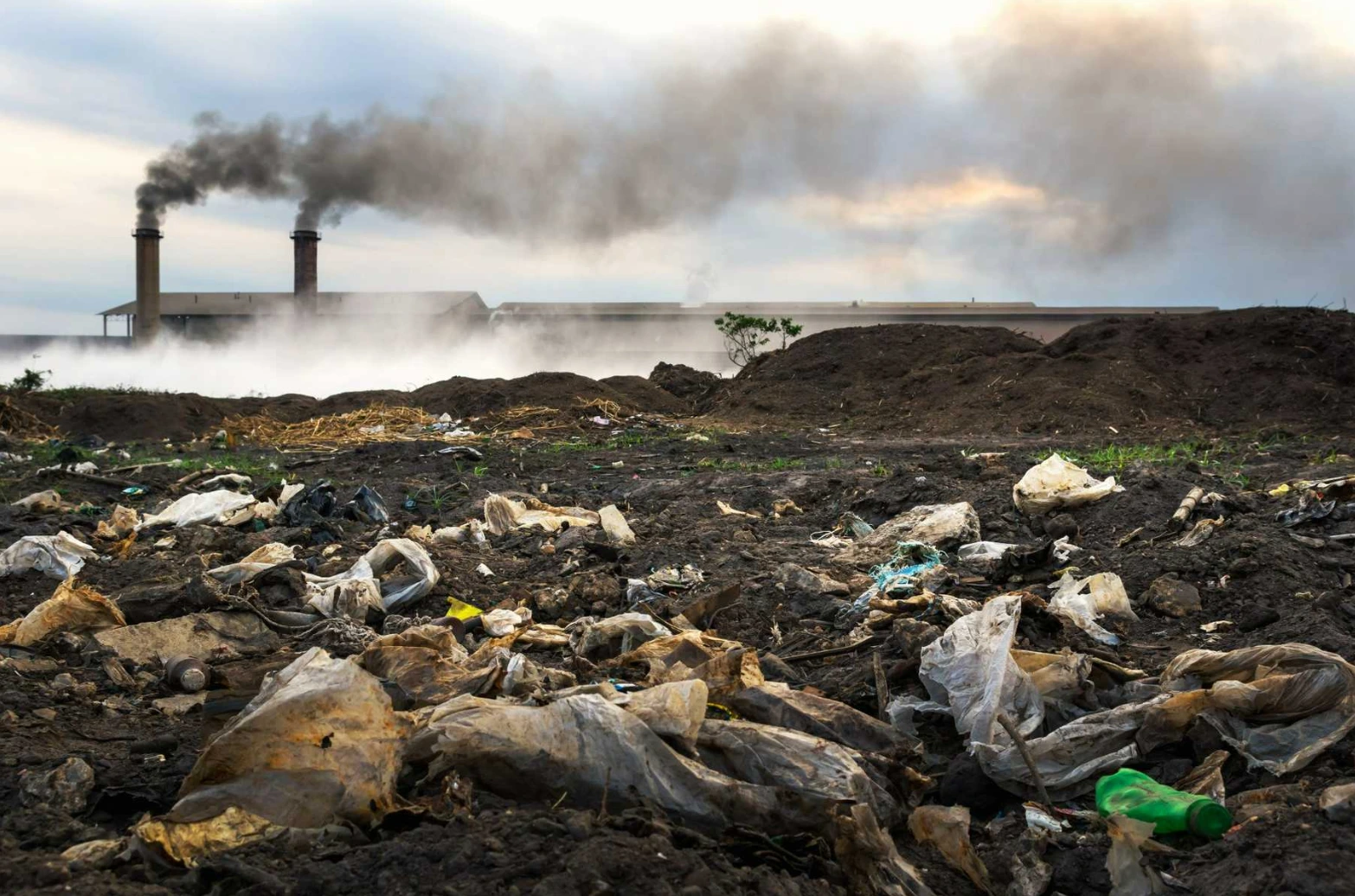
The numbers surrounding traditional plastic waste are staggering. Every year, millions of tons of synthetic packaging end up in landfills, water systems, and oceans. Standard polyethylene bags take up to 1,000 years to decompose, slowly breaking down into toxic microplastics that contaminate the food chain.
The Problem with "Recyclable" Plastics
For a long time, the industry relied on recycling as the ultimate solution. However, flexible plastics (like grocery bags, wrapping films, and courier mailers) are notoriously difficult and expensive to recycle. Most recycling facilities reject them because they jam machinery. The reality is that the vast majority of “recyclable” plastic bags still end up in landfills or incinerators.
This broken system has paved the way for materials that do not require complex recycling infrastructure materials that simply decompose.
What Exactly Are Compostable Plastic Bags?
When consumers search for compostable plastic bags, they are looking for bioplastics (like PLA, PBAT, or cornstarch blends). These materials look, feel, and perform exactly like traditional plastic, but their chemical makeup is entirely different.
Biodegradable vs. Compostable: Knowing the Difference
It is crucial for businesses to understand that not all eco-friendly claims are equal:
- Biodegradable Products: These will eventually break down into smaller pieces in nature, but there is no time limit, and they may still leave behind microplastics or chemical residues.
- Certified Compostable Products: These are heavily regulated. Under the right composting conditions, they must break down into water, carbon dioxide, and nutrient-rich biomass within 90 to 180 days, leaving absolutely zero toxic residue behind.
Why Businesses Are Rapidly Adopting Compostable Packaging
The transition from traditional plastics to compostable alternatives is accelerating rapidly across retail, hospitality, and e-commerce sectors.
1. Strict Government Compliance and CPCB Rules
In India, the Central Pollution Control Board (CPCB) and local state governments are continuously expanding bans on single-use plastics. Businesses caught using unauthorized plastic carry bags or packaging face heavy fines and operational shutdowns. CPCB-certified compostable packaging provides a legal, government-approved alternative that keeps businesses compliant and operational.
2. Meeting the Demands of the Eco-Conscious Consumer
Modern consumers vote with their wallets. Studies consistently show that buyers are more likely to support and return to brands that demonstrate environmental responsibility. Utilizing compostable packaging visually communicates a brand’s commitment to sustainability, creating a powerful marketing advantage over competitors who still use synthetic plastics.
3. Supporting a True Circular Economy
The ultimate goal of sustainable packaging is a circular economy a system where waste is eliminated. Compostable carry bags, garbage liners, and mailers fit perfectly into this model. After their useful life, they can be disposed of in composting facilities alongside organic waste, eventually turning into fertilizer that grows the very plants used to create the next generation of packaging.
Make the Switch with SAKRT
The transition to sustainable packaging is inevitable. Businesses that adapt now will stay ahead of regulatory curves, build stronger brand loyalty, and actively reduce their environmental footprint.
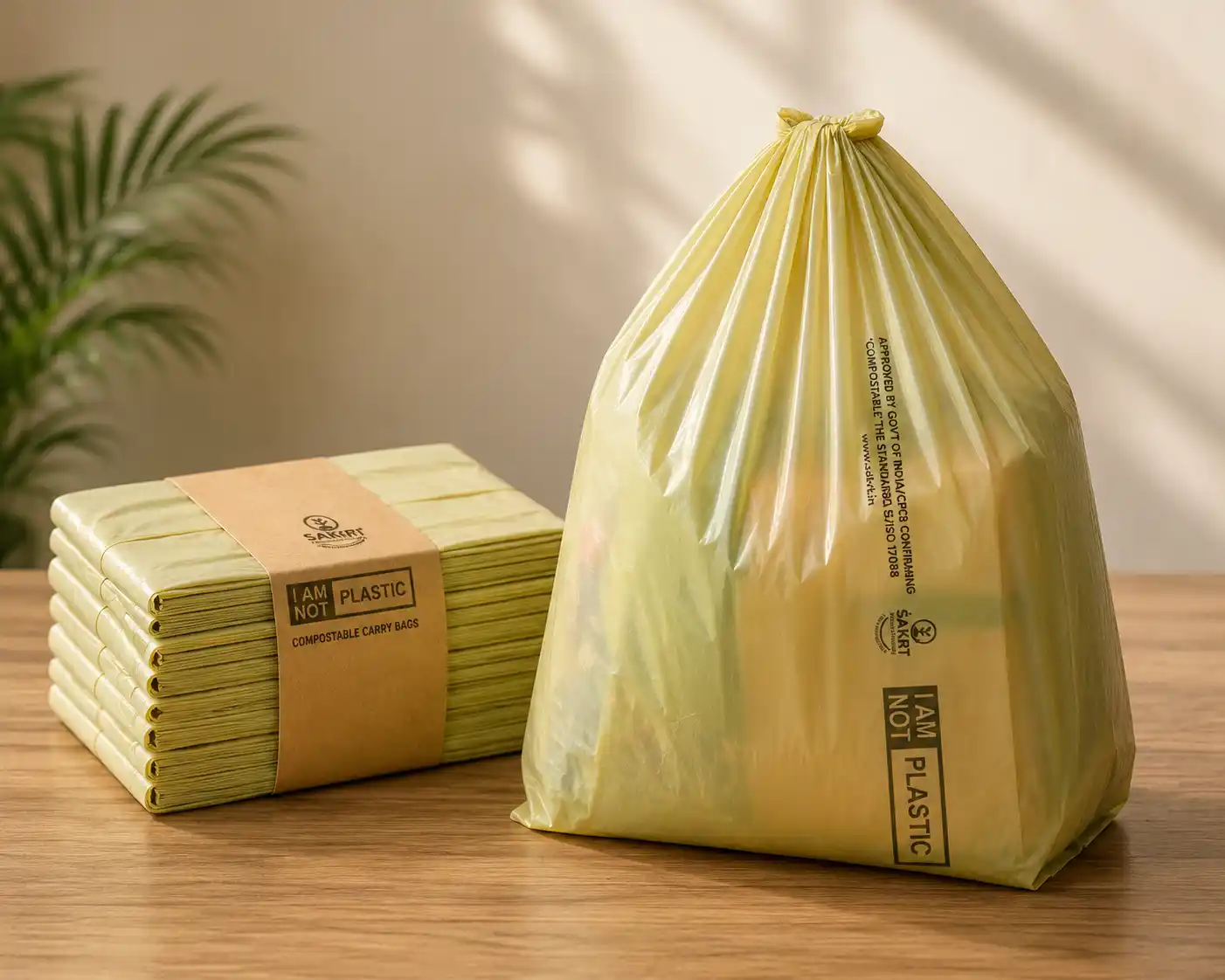
At SAKRT, we manufacture premium, CPCB-certified biodegradable products that perform exactly like traditional plastics without the environmental toll. From heavy-duty garbage bags to retail carry bags, our solutions are engineered for businesses ready to embrace the future.
SAKRT – A Brand of Envirly Innovations Pvt Ltd
Choose SAKRT’s Biodegradable Products
Join the sustainability revolution today!
Choose SAKRT’s biodegradable products for your home, business, or event and make waste disposal responsible.
FAQs
SAKRT’s compostable bags, made from plant-based materials, decompose in industrial facilities, reducing the 9.46 million tonnes of annual plastic waste in India from persisting in landfills and waterways.
Unlike plastic bags that fragment into microplastics (up to 1.9 mg per kg of soil), SAKRT’s bags break down fully into organic matter, eliminating residues that contaminate ecosystems like the Ganges basin.
They close the loop by turning waste into compost for agriculture, supporting India’s zero-waste goals; for example, bio compostable garbage bags from SAKRT enrich soil, reducing reliance on synthetic fertilizers.
They close the loop by turning waste into compost for agriculture, supporting India’s zero-waste goals; for example, bio compostable garbage bags from SAKRT enrich soil, reducing reliance on synthetic fertilizers.
Issues include higher costs (up to 20% more than plastic) and limited composting facilities, but declining PBAT prices and CPCB certifications, as with SAKRT’s products, are enabling broader production.