In today’s world, even everyday habits like drinking straws a cool beverage can have an unexpected impact on the environment. Single-use plastic straws contribute significantly to the growing microplastic pollution problem. These tiny plastic particles end up in oceans, soil, and even the human body. As a result, they can harm wildlife and pose risks to human health.
Switching to eco-friendly biodegradable straws helps reduce plastic waste and promotes sustainable habits. This small change can make a positive difference for the planet.
By choosing environmentally friendly alternatives, individuals and businesses can help combat plastic pollution. This article explores the challenges caused by plastic straws, highlights sustainable options such as natural straws, and provides practical tips for making the switch. Choosing biodegradable straws is an easy yet meaningful step toward creating a cleaner and healthier environment.
Understanding Microplastics Pollution from Plastic Straws
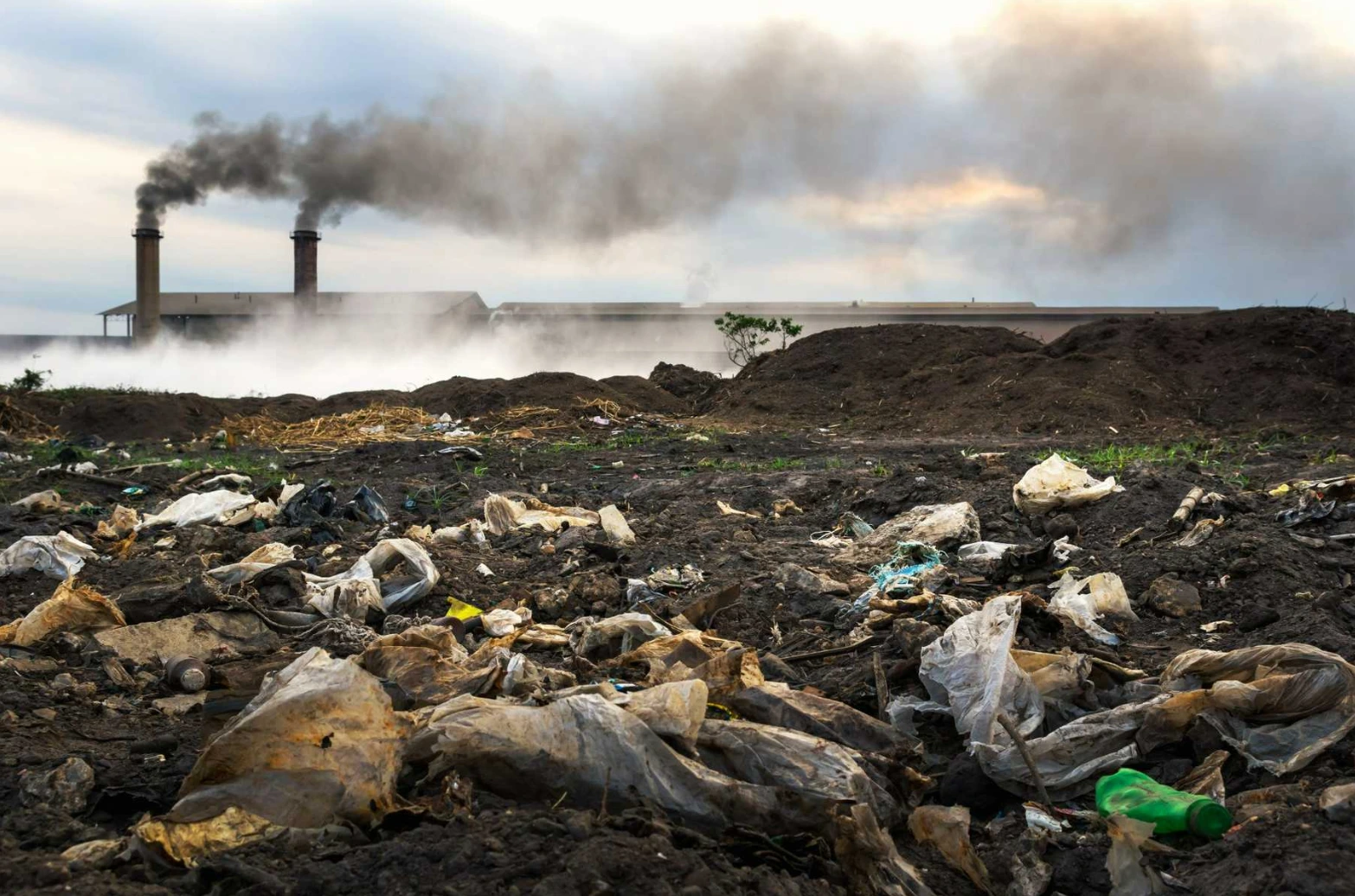
Microplastics pollution has become one of the biggest environmental problems today. Small things like plastic drinking straws don’t just disappear; they break down into tiny pieces over time. These bits, often smaller than 5mm, can stay in nature for hundreds of years. Regular plastic straws add to this problem because they are made from materials that don’t come from nature, like polypropylene.
When people throw them away carelessly, they end up in rivers and oceans. Animals in the sea may eat them, thinking they are food, which can hurt them and even get into the food chain that humans eat. People can also end up eating microplastics through the water they drink, the seafood they eat, or even the air they breathe. Research shows that these tiny bits might carry harmful chemicals, and scientists are still learning how they might affect health.
Why Biodegradable Straws Serve as Effective Plastic Pollution Solutions
Biodegradable straws can break down naturally with the help of microbes, turning back into the earth without leaving harmful toxins or tiny plastic pieces. Unlike regular plastics, these straws can decompose in just a few months if the right conditions are met, which helps reduce harm to the environment over time. A lot of these biodegradable options are made from plant-based materials, making them better for people and nature.
They don’t let harmful chemicals leak out like some plastics do. Because of this, using them helps stop microplastics from getting into the environment at the start. Also, making these straws often uses resources that can be renewed, which means their overall effect on the planet is less harmful if handled properly.
Both businesses and everyday people can benefit from this change. When restaurants use biodegradable straws, it shows they care about being eco-friendly, which can attract customers who value sustainability. This kind of action encourages more industries to find and use solutions that help cut down on plastic pollution.
Exploring Eco Friendly Straws and Their Advantages
Eco-friendly drinking straws come in many different types, each with its own special benefits that fit different uses. These options are designed to be good for the environment without making it hard to use them. One common type is made from plants.
These straws are strong enough to hold up in drinks. They don’t get soggy as quickly as older paper straws and can fully break down in nature. Many people find that these straws work well for cold drinks and even some warm ones, depending on the material they’re made from.
Natural Drinking Straws Options from Nature
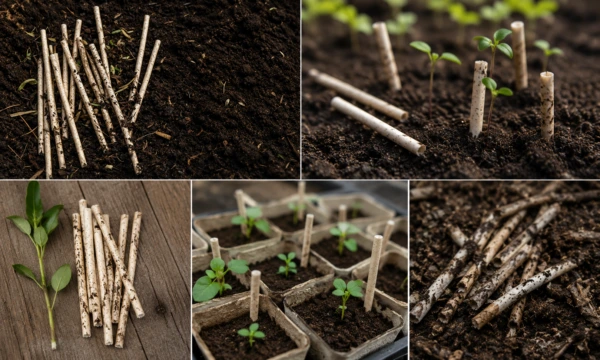
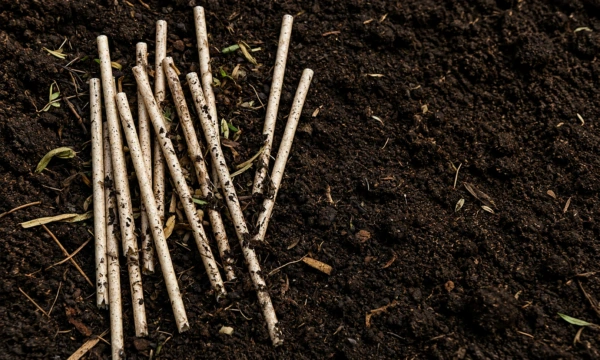
Natural drinking straws are made from plant based materials that can be manufactured again and again. Materials like sugarcane waste, corn starch are used to make these straws.They are strong and hollow, perfect for drinking hot and cold beverages. These straws are special because they don’t need a lot of changes. For example, some grasses or stems are just cut, cleaned, and maybe a little treated to make them last longer.
This makes them look and feel natural, and they still work really well. Many of these straws can be thrown away in a home compost or a big compost center. When they break down, they help the soil instead of making it dirty.
Biodegradable Straws Materials and Performance Insights
Biodegradable straws mostly use materials like polylactic acid (PLA), which comes from corn starch, sugarcane fiber, or other plant-based sources. Some newer options use agave or seaweed, which make the straws more heat-resistant and durable. These materials are tested to make sure they break down well in composting settings. Importantly, high-quality biodegradable straws don’t leave behind microplastics, unlike regular plastics that keep breaking into smaller pieces forever.
However, it’s still important to dispose of them properly, as many work best in industrial compost facilities where the right conditions help them decompose. In real use, biodegradable straws stay strong enough for the usual time people use a straw. The passive voice is often used to show that “performance is achieved through careful material selection,” which points to the engineering involved. Over time, using more biodegradable straws can greatly reduce the amount of plastic waste overall.
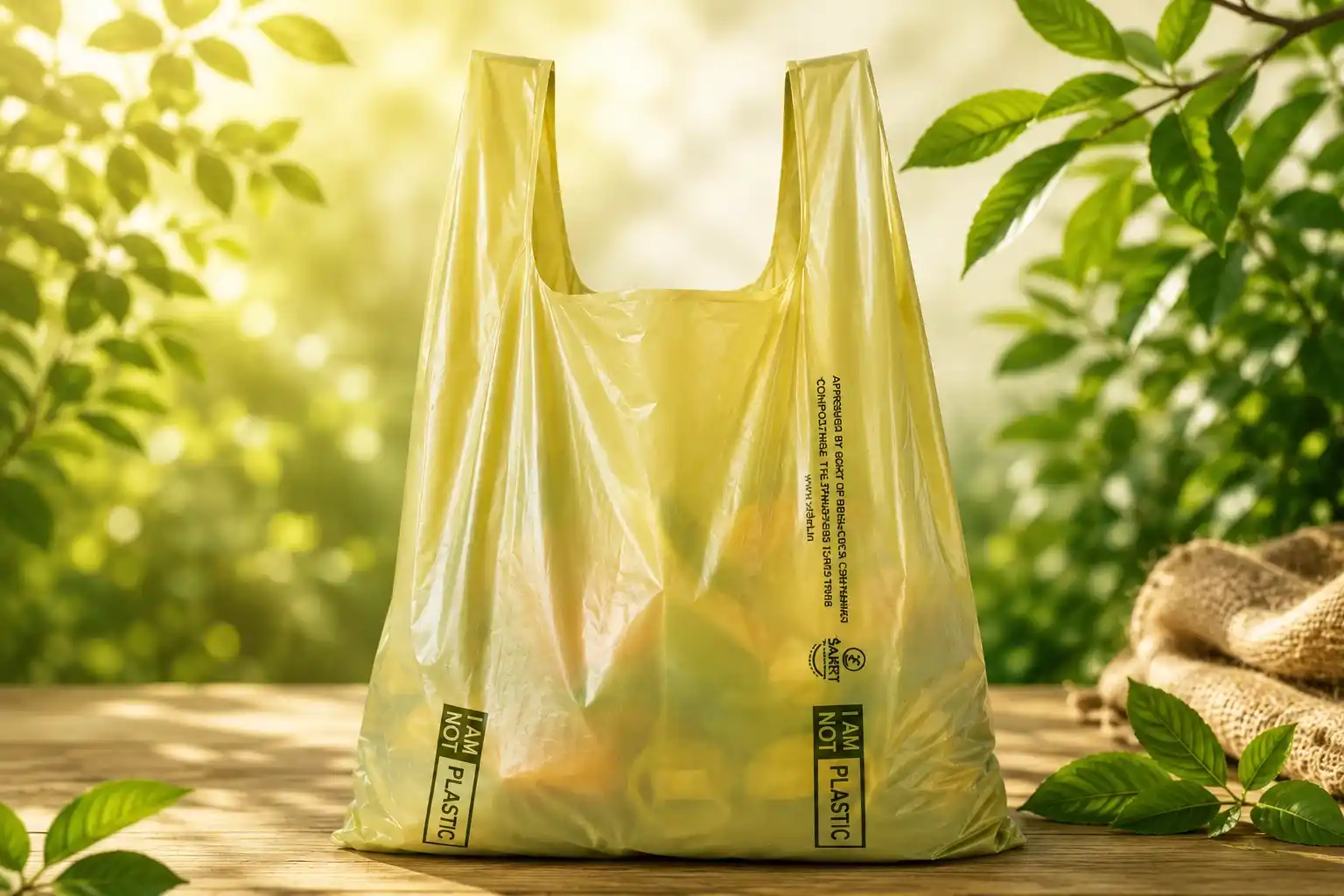
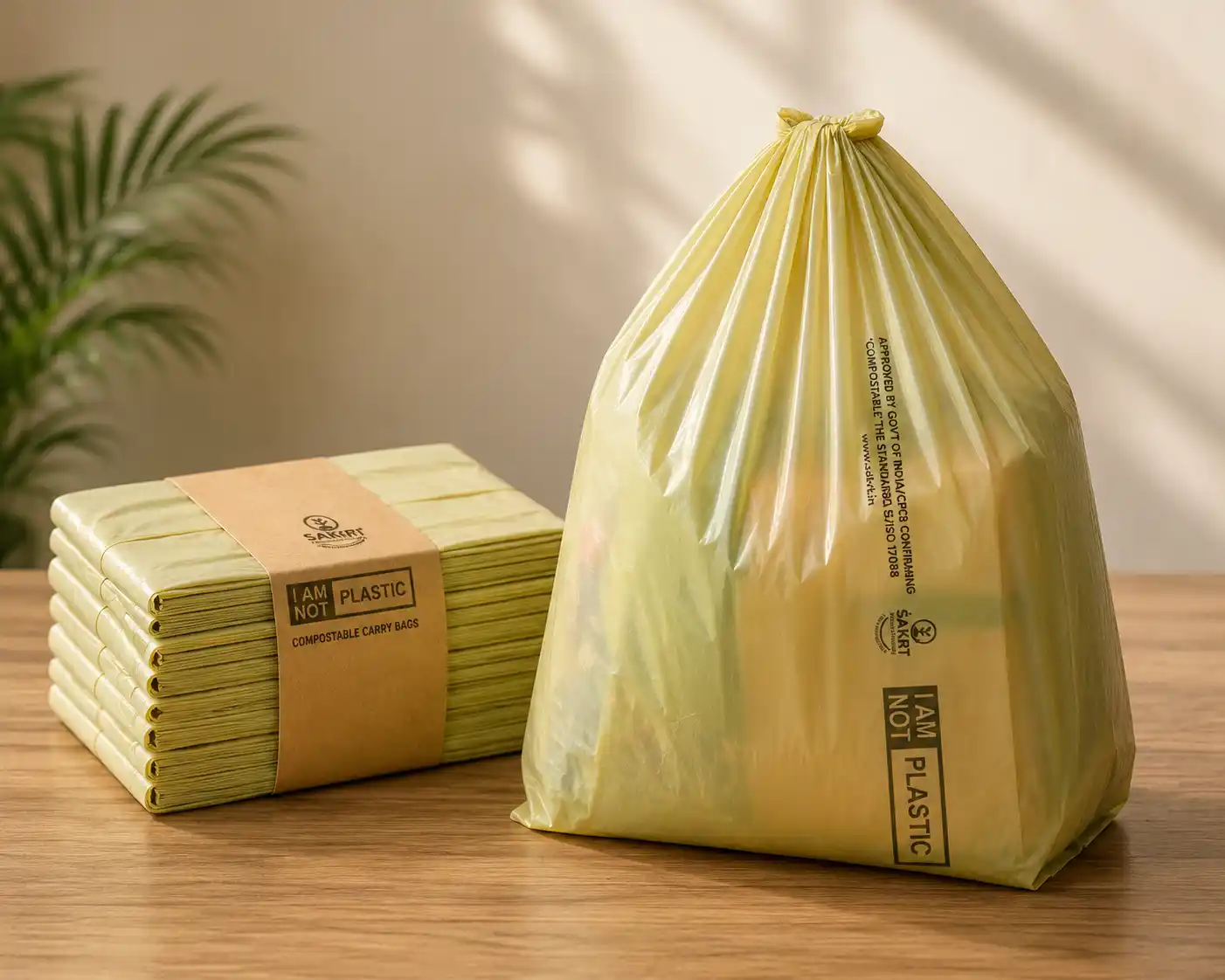
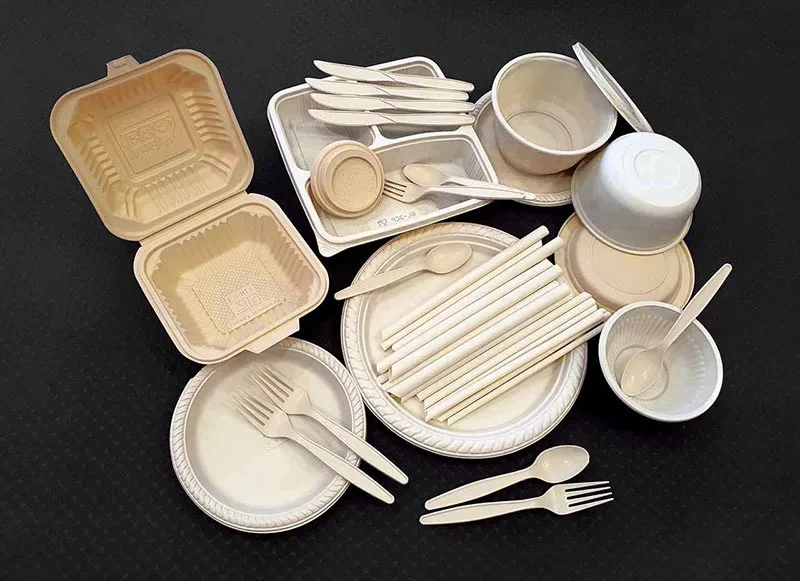
Many industries manufacture compostable products using a variety of eco-friendly materials. However, not all of these products are practical or convenient for everyday use. Sakrt stands out as a trusted brand offering high-quality compostable products made from sugarcane bagasse and cornstarch fiber. These products are 100% biodegradable, environmentally friendly, and designed to minimize harmful impacts on both human health and the planet.
Implementing Changes for Broader Impact
Adopting biodegradable drinking straws needs everyone to work together. People can begin by asking for them at cafes or bringing their own reusable ones. At the same time, businesses can save money in the long run by buying eco-friendly straws in bulk, and it also helps their brand image.
Education is really important. When people learn about the harm caused by microplastics, they make better choices. Schools, groups, and influencers spread the word about natural straws through campaigns, showing that small changes can make a big difference. Also, government rules that ban single-use plastics help move things toward more sustainable options.
Conclusion
Using biodegradable drinking straws instead of plastic ones is a real way to fight plastic pollution.When people pick eco-friendly or natural straws, they help make the environment healthier and reduce harm to nature.Even though it takes some thought and effort to change habits, the benefits like cleaner oceans, safer animals, and better products are well worth it.
SAKRT – A Brand of Envirly Innovations Pvt Ltd
Choose SAKRT’s Biodegradable Products
Join the sustainability revolution today!
Choose SAKRT’s biodegradable products for your home, business, or event and make waste disposal responsible.
FAQs
Biodegradable straws break down on their own without leaving harmful microplastics, making them a good choice that helps fight plastic pollution while still being easy to use.
Eco-friendly straws turn into safe materials quickly, unlike plastic straws that stay around for a long time and can break into tiny pieces.
This makes them better for the environment in the long run.
Yes, natural straws made from materials like bamboo or reed are strong enough for most drinks and will fully break down after use, making them both dependable and eco-friendly.
Biodegradable straws are not a complete solution by themselves, but they help reduce microplastics as part of a wider effort to address plastic waste.
Visit https://sakrt.in to see a range of biodegradable and natural straws that are made to be sustainable without losing quality.