Table of Contents
1.Growth Trajectories for 2025 and Beyond
2.Innovations Reshaping Materials and Functionality
3.Standing Up to Traditional Plastics
4.A Greener Footprint
5.Tailored Applications in India’s Food and Logistics Sectors
6.Regulatory Tailwinds and Industry Alignment
7.Pathways for Businesses Through Seamless Integration
8.Conclusion
9.FAQs

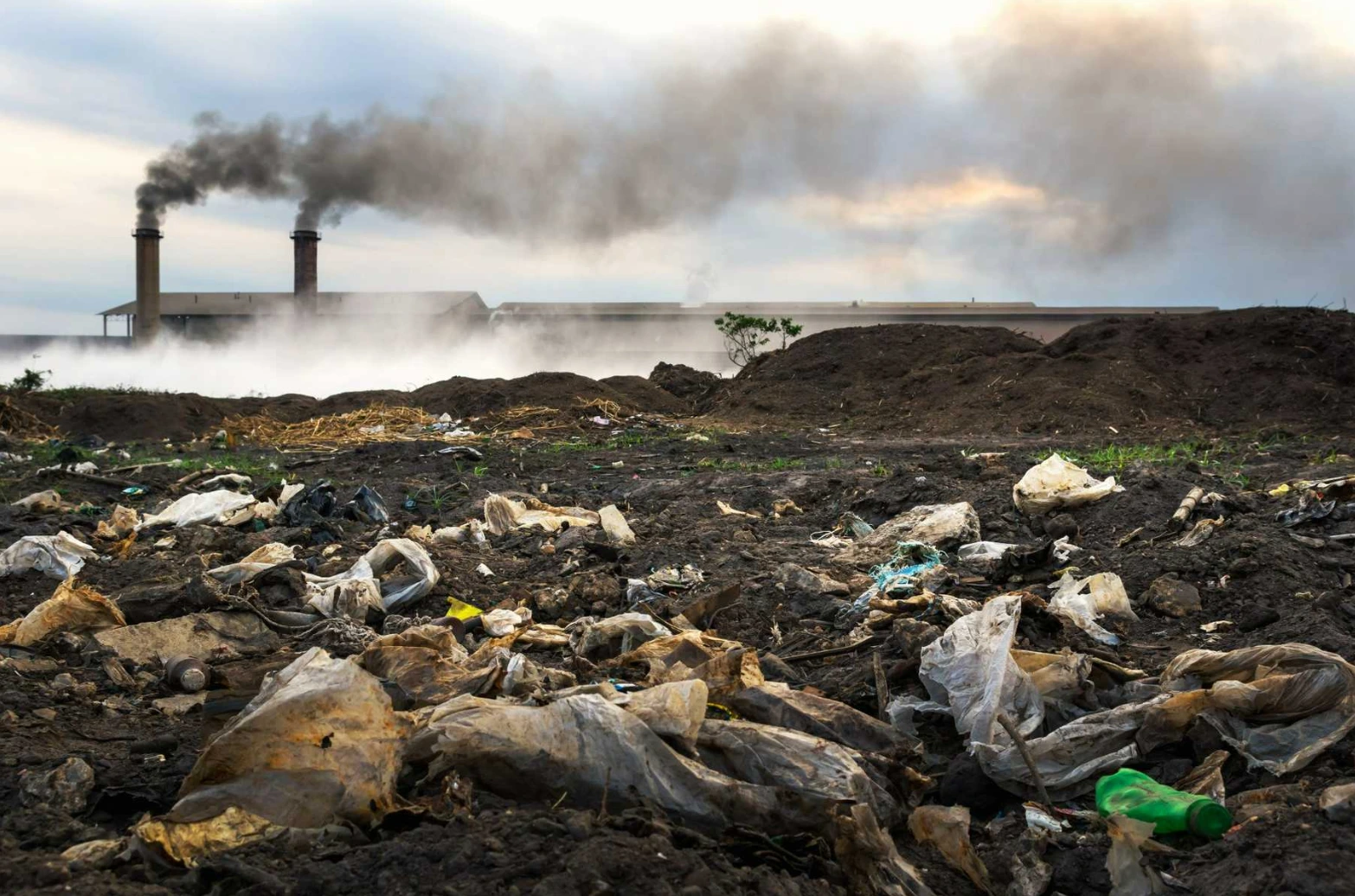
In India’s dynamic logistics and food sectors, where goods move swiftly from farms in Punjab to bustling markets in Mumbai, the need for reliable, eco-conscious packaging has never been more urgent. Traditional plastic films, once a staple for wrapping everything from fresh produce to household items, now pose significant environmental challenges, lingering in landfills and waterways.
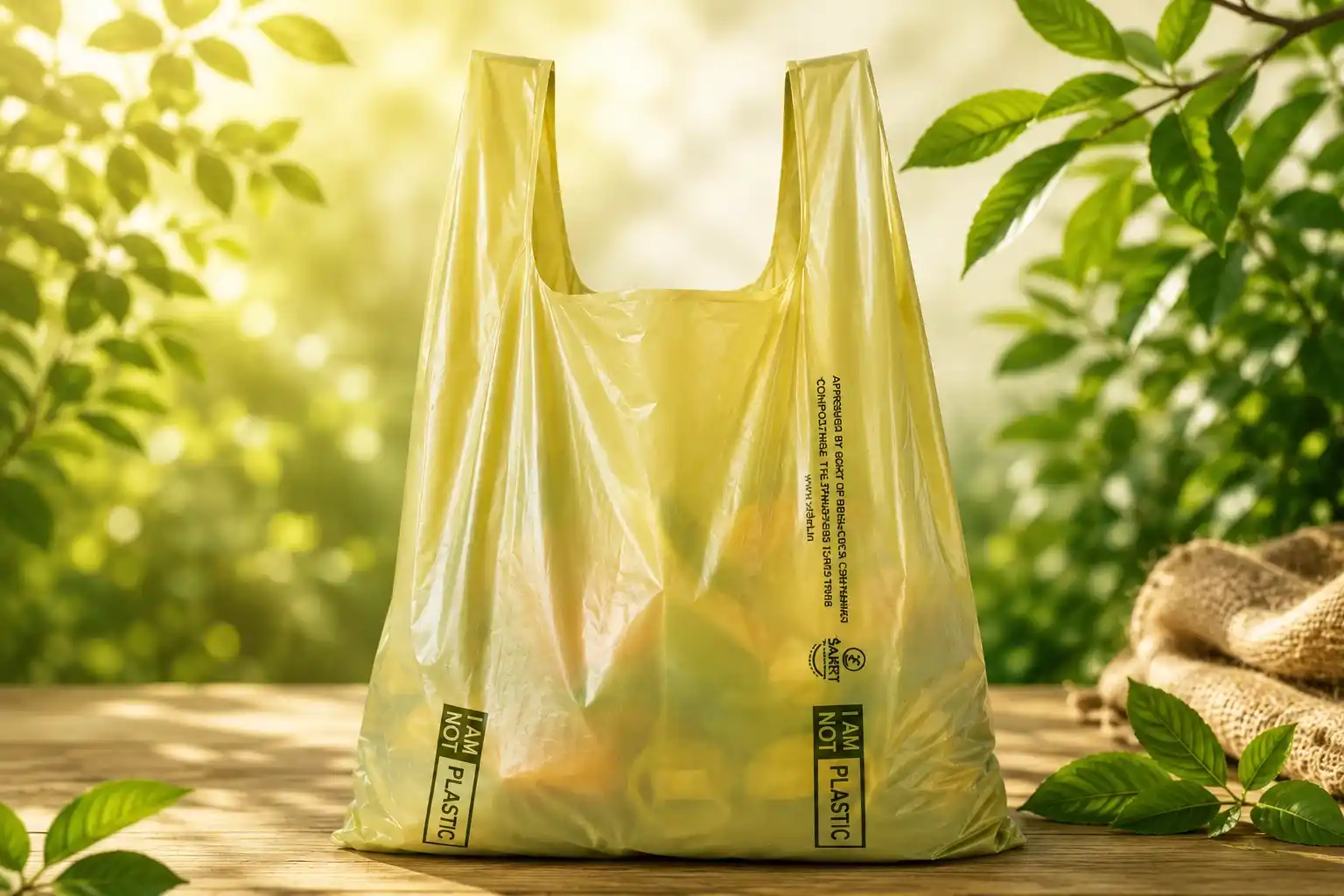
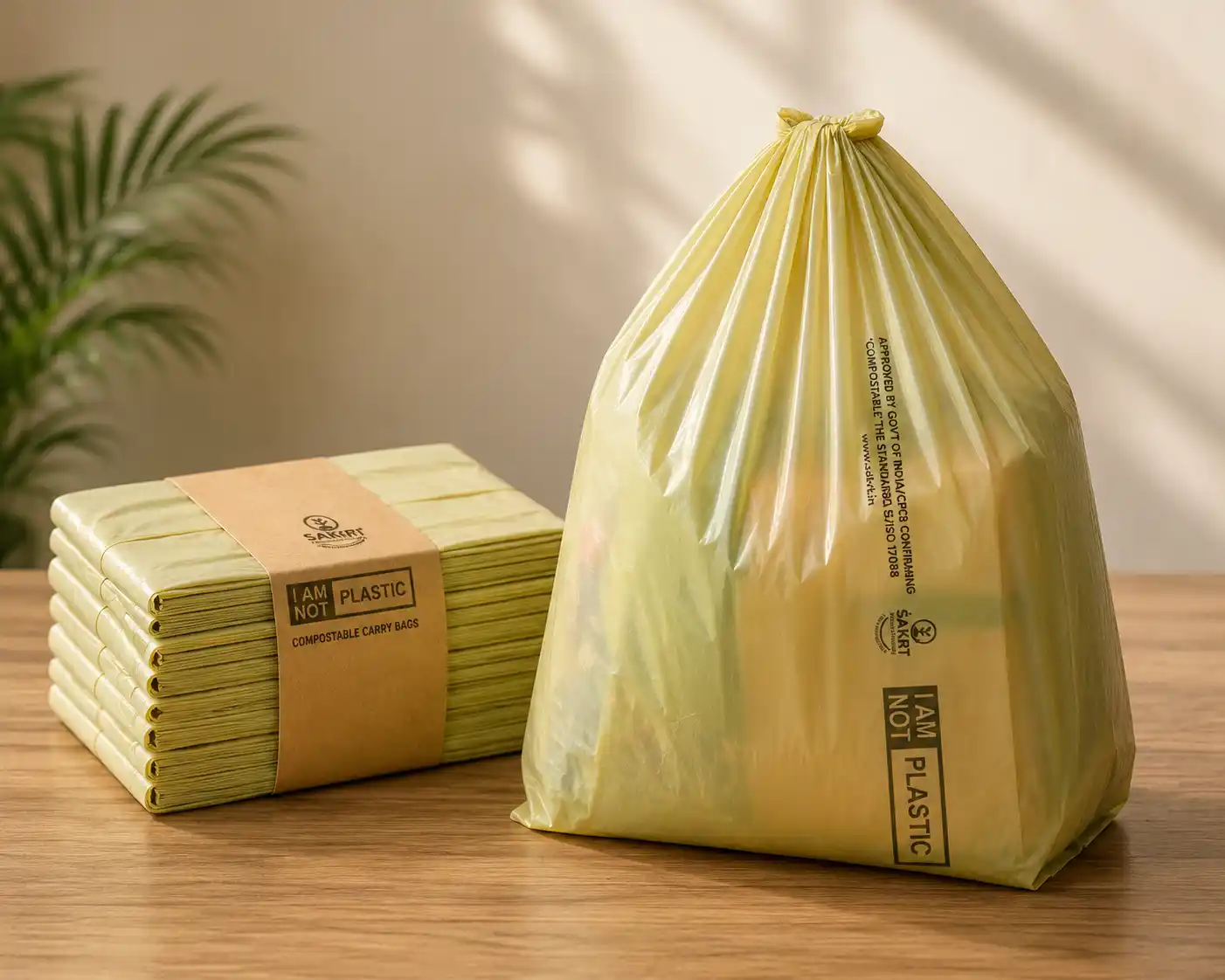
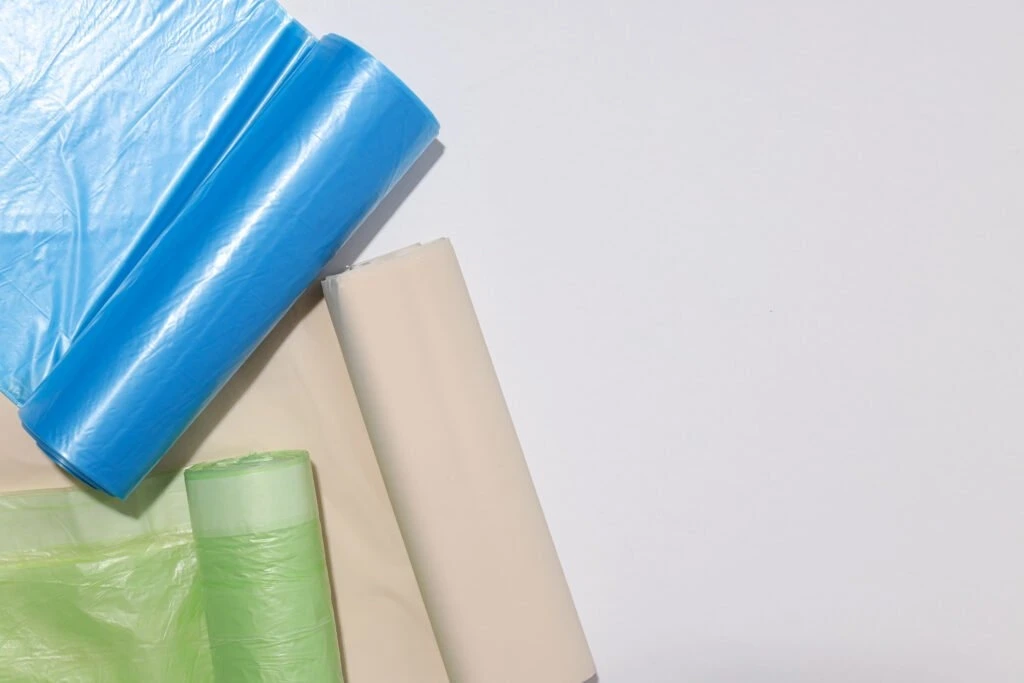
SAKRT’s compostable wrapping films, engineered from bio-based polymers, represent a forward-thinking solution that combines durability with decomposability. These films, with their high transparency and flexibility, are setting the stage for a shift toward sustainable practices that benefit businesses, consumers, and the planet alike.
This exploration highlights the evolving landscape of compostable films, their performance advantages, and the innovations propelling them into mainstream use across Indian industries.
Growth Trajectories for 2025 and Beyond
The compostable wrapping films sector is experiencing rapid growth, reflecting rising global and regional demand for greener alternatives. In 2025, the global compostable packaging films market is valued at USD 11.1 billion. By 2035, it is projected to reach USD 25.5 billion, growing at a CAGR of 8.7%.
This growth is driven by regulatory pressures, consumer demand for sustainable options, and advances in material science that make these films practical for daily use.
In India, growth is fueled by the Plastic Waste Management Rules, which promote compostable alternatives. Rising e-commerce volumes also increase demand for lightweight, protective packaging. The food and beverage segment alone accounts for 55% of market revenue in 2025, as brands seek films that extend shelf life for products like spices and dairy.
Regionally, Asia-Pacific benefits from rapid urbanization and high agricultural output. India contributes over 20% of global vegetable production, boosting the demand for compostable films. Local manufacturers are scaling up to meet domestic needs.
SAKRT’s compostable wrapping films support this growth. Rolls typically weigh 5–10 kilograms, serving both small exporters in Coimbatore and large distributors in Delhi. Production costs for bio-based materials like polylactic acid (PLA) are dropping by up to 15% annually, making these films more accessible and cost-effective for India’s packaging industry.
Innovations Reshaping Materials and Functionality
Biodegradable film innovations are driving sustainable packaging, with bio-based polymers leading the charge. Derived from renewable sources such as corn starch, sugarcane bagasse, and cassava, polymers like PLA and polyhydroxyalkanoates (PHA) offer a lower carbon footprint—up to 70% less than petroleum-based options—while maintaining high performance.
Recent developments include nano-cellulose reinforcements, which enhance strength and transparency. These films can withstand temperatures from -10°C to 60°C without cracking.
In 2025, starch-based blends with bioactive additives like carvacrol are emerging. These provide antimicrobial properties, ideal for wrapping perishables such as mangoes or paneer. They can extend freshness by 20–30%.
Companies are incorporating these advancements, ensuring their films are BPA-free, non-toxic, and TUV-certified food-safe. With 2.5X elongation, the films can wrap heavy loads up to 50 kilograms without tearing.
These bio-based polymers decompose in home compost bins within 6–12 months and support recyclability. They fit into India’s growing network of organic waste facilities. Innovations in multilayer structures, combining PLA outer layers with inner PHA barriers, improve moisture resistance. This makes them suitable for humid climates, such as Kerala or Rajasthan.
Standing Up to Traditional Plastics
Compostable wrapping films are proving their mettle in real-world scenarios, often surpassing traditional plastic films in key areas.
How do compostable wrapping films compare to traditional plastic films in performance? SAKRT’s films boast tear-resistant properties that match or exceed low-density polyethylene (LDPE), with advanced tensile strength handling stretches up to 250% before breaking, ideal for securing furniture during transport from factories in Noida to showrooms in Chennai.
High-quality transparency ensures visibility for inventory checks, while the lightweight design reduces shipping costs by 10–15% compared to bulkier plastics. In food applications, their compostable packaging films food industry applications shine as the TUV-certified food-safe composition prevents migration of harmful substances, safeguarding items like rotis or salads during delivery. Unlike plastics that fragment into microplastics, these films break down fully, avoiding soil contamination in agricultural uses.
For logistics firms in Gujarat, the films’ flexibility simplifies application with manual dispensers, covering pallets of 100–200 kilograms efficiently. Environmental testing shows they retain integrity under 80% humidity, outperforming many conventional wraps in India’s monsoon-prone regions.
A Greener Footprint
The environmental benefits of compostable wrapping films extend far beyond disposal, addressing India’s plastic waste crisis head-on.
What are the environmental benefits of using compostable wrapping films? By replacing fossil-fuel-derived plastics, they cut greenhouse gas emissions by 60–80% during production, as bio-based feedstocks sequester carbon while growing.
In a country generating over 3.5 million tonnes of plastic waste yearly, these films decompose into nutrient-rich compost, enhancing soil fertility for farms in Uttar Pradesh without adding toxins.
Home compostability means urban households in Bengaluru can process used rolls in backyard bins, reducing landfill burdens. For the food industry, where 40% of produce spoils due to poor packaging, these films minimize waste, conserving water and energy equivalent to 500 liters per kilogram of saved food.
SAKRT’s recyclable design supports circular systems, where films can be reprocessed into new batches, aligning with India’s Extended Producer Responsibility norms.
Tailored Applications in India's Food and Logistics Sectors
Compostable wrapping films are versatile across industries, with compostable wrapping films food industry applications gaining prominence in India. In the food sector, they wrap fresh fruits like guavas from Andhra Pradesh farms, providing a breathable barrier that retains moisture and prevents bruising, extending market life by 5–7 days. Dairy processors can use them for cheese blocks, leveraging the non-toxic materials to ensure compliance with FSSAI standards.
Beyond food, logistics benefits from their tear resistance for bundling electronics or textiles during rail transport from Mumbai ports. In agriculture, films protect seedlings in Maharashtra nurseries, decomposing to enrich soil post-use. E-commerce giants are piloting these for last-mile deliveries, wrapping 10–20 kilogram parcels with films that add minimal weight yet provide robust security. SAKRT’s films suit small-scale users like spice exporters in Kerala, offering customization.
Regulatory Tailwinds and Industry Alignment
India’s policy landscape is accelerating adoption, with the 2022 single-use plastic ban and 2025 amendments mandating compostable options for non-essential packaging.
Certifications like EN 13432 ensure SAKRT’s films meet these, easing compliance for businesses. Globally, EU directives inspire similar moves, fostering export opportunities for Indian manufacturers.
This regulatory push, combined with schemes like the National Mission on Sustainable Agriculture, encourages integration, reducing fines and enhancing brand reputation.
Pathways for Businesses Through Seamless Integration
How can businesses adopt compostable wrapping films in their packaging processes? Start with a pilot. Assess needs for a 500-square-meter warehouse in Hyderabad, sourcing 20-kilogram bulk rolls from SAKRT. Training on dispensers takes minimal time, and integration with existing lines requires no major overhauls.
For a mid-sized exporter, switching yields branding as eco-leaders, attracting premium clients. Contact SAKRT to customize solutions, from furniture wrapping in Jodhpur to produce bundling in Varanasi, transforming operations sustainably.
Conclusion
Compostable wrapping films from SAKRT are charting a sustainable course for India’s packaging future, blending innovation with practicality. As market growth surges and materials evolve, these films deliver unmatched performance while slashing environmental harm.
From Delhi’s warehouses to Tamil Nadu’s farms, they empower businesses to thrive responsibly. Step into this era of green efficiency and secure a legacy of innovation for your operations.