Modern agriculture relies heavily on mulch films to control weeds, conserve water, and regulate soil temperature. However, traditional plastic mulches leave behind toxic microplastics that degrade soil quality over time.
The sustainable solution transforming modern farming is compostable mulch film.
Designed to provide all the agricultural benefits of traditional plastics without the environmental hazard, compostable mulching is changing how farmers approach crop yield. Let’s explore how switching to 100% plant-based mulch films directly boosts root development, enhances plant productivity, and protects the environment.
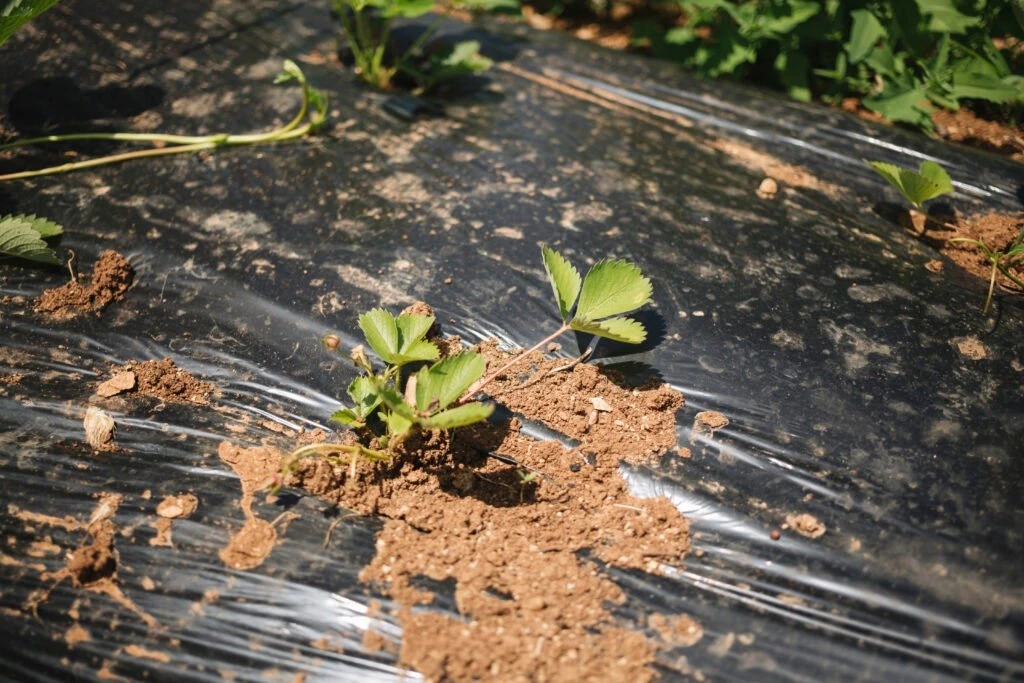
What is a Compostable Mulch Film?
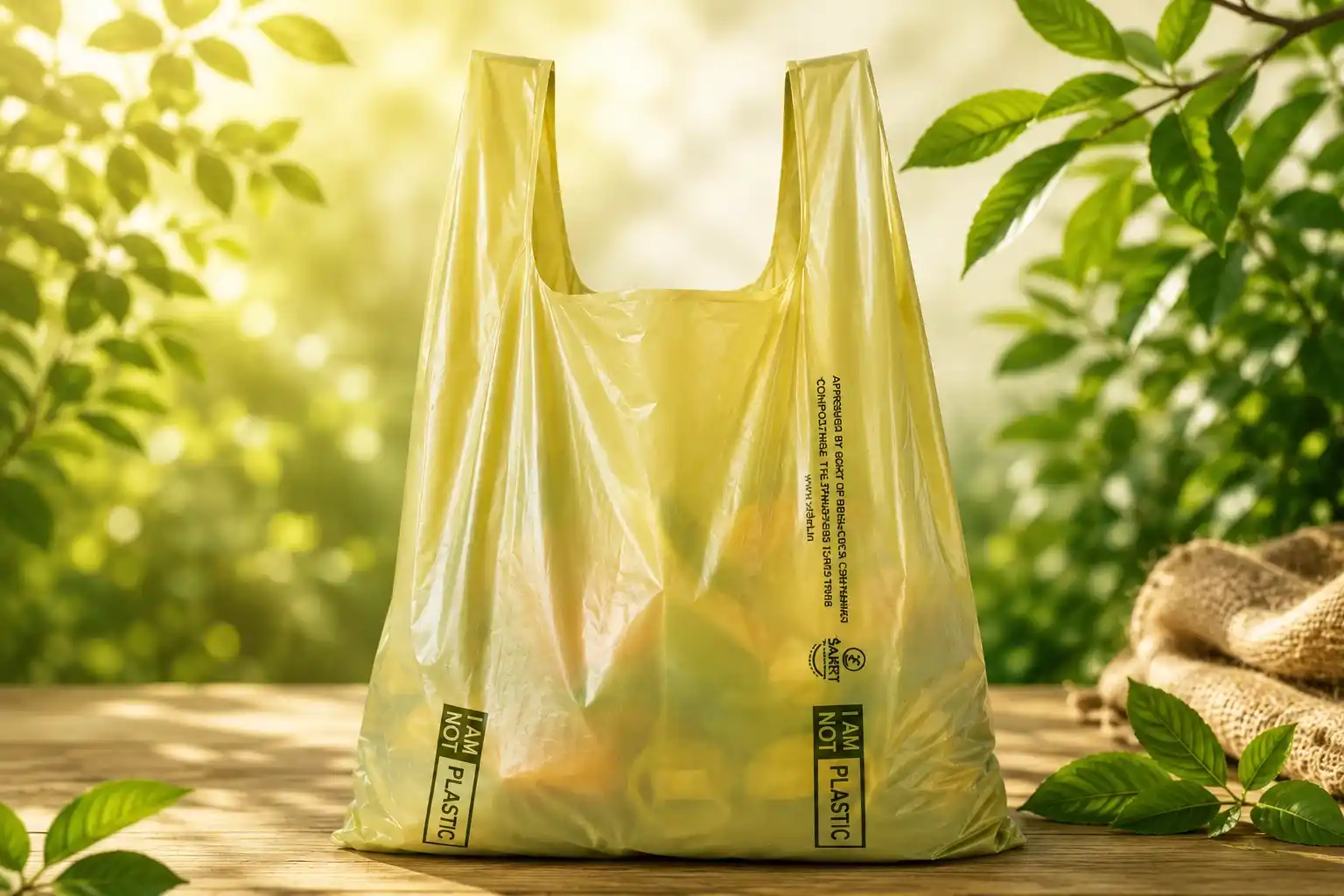
A compostable mulch film is an eco-friendly agricultural ground cover made from plant-based polymers and starches (such as PLA and PBAT). Unlike conventional polyethylene (PE) plastics that must be manually removed and burned or sent to landfills after harvest, compostable films are designed to be tilled directly back into the soil.
Once in the soil, microorganisms, moisture, and heat break the film down into natural elements water, carbon dioxide, and biomass leaving zero toxic residue behind.
The Direct Impact on Root Development
The primary goal of any mulch is to create an optimal microclimate for plant roots. Here is how compostable options excel at supporting robust root systems:
1. Superior Soil Temperature Regulation
Roots thrive in stable temperatures. Compostable films act as an insulating layer over the topsoil. During colder nights, they trap heat, preventing root shock. During scorching days, specific colored films can reflect excess sunlight, keeping the root zone at an optimal temperature for nutrient absorption.
2. Enhanced Moisture Retention
Water evaporation is a major challenge in open-field farming. Compostable mulch films significantly reduce water loss by trapping moisture in the soil. This consistent hydration ensures that root tips do not dry out and die, allowing them to expand deeper and wider in search of natural nutrients.
3. Encouraging Beneficial Microbial Activity
Because compostable films are made of organic materials, their eventual breakdown feeds the soil microbiome. A healthy population of soil bacteria and fungi creates a symbiotic relationship with plant roots, improving nitrogen fixation and overall nutrient uptake. Traditional plastics, on the other hand, slowly leach chemicals that can suppress these beneficial microbes.
Plastic vs. Compostable Mulch: The Environmental Impact
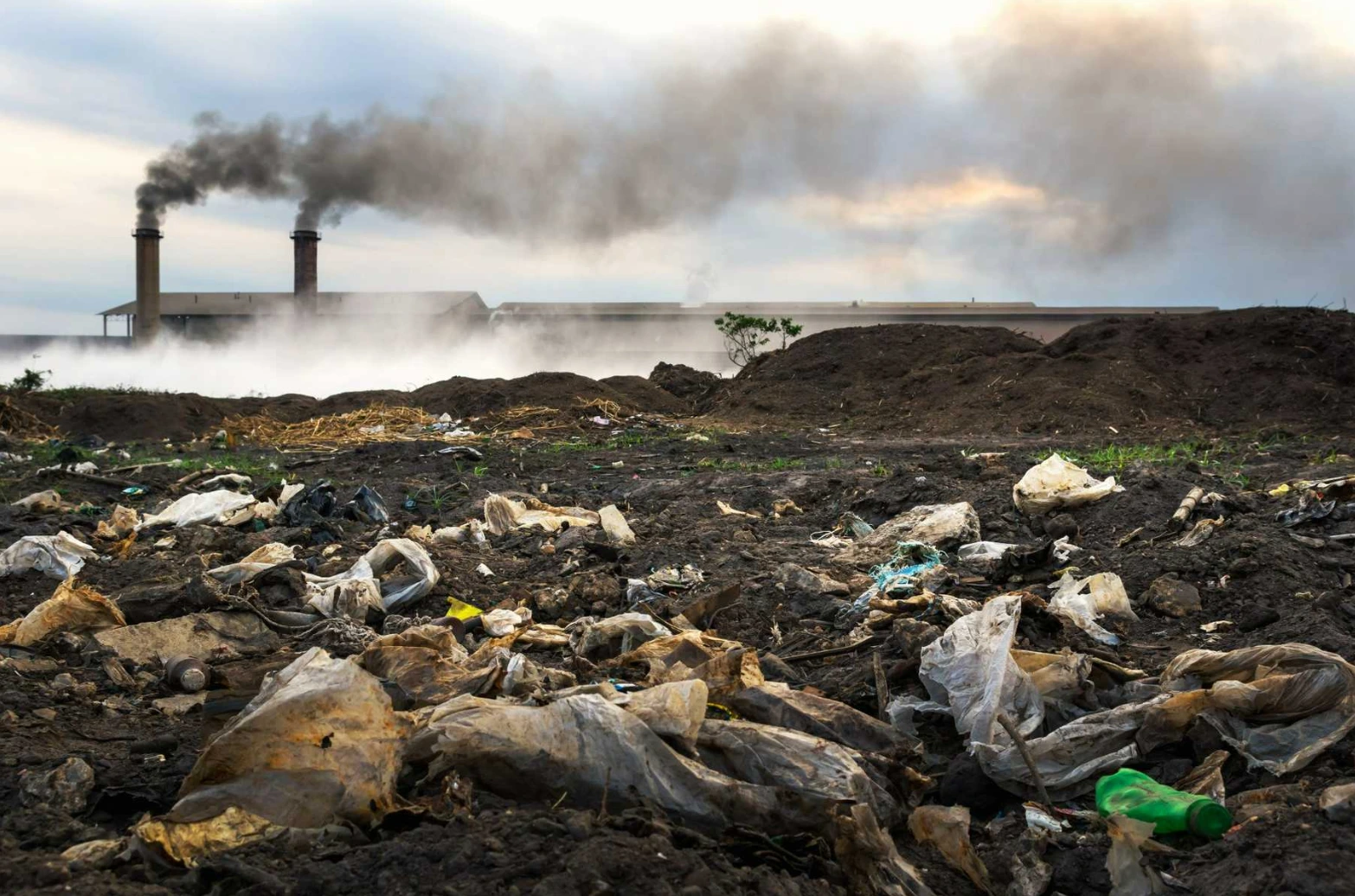
The long-term cost of traditional plastic mulch is steep. Even with careful removal, fragments tear off and remain in the field. Over years of farming, this plastic accumulation:
- Restricts water infiltration into the soil.
- Hinders root penetration.
- Stunts crop growth.
By switching to compostable alternatives, farmers eliminate the labor-intensive process of post-harvest plastic retrieval. More importantly, it ensures the agricultural land remains fertile and free of microplastic pollution for future generations.
Why Choose SAKRT's CPCB-Certified Mulch Films?
When selecting sustainable agricultural products, certification matters. Many products label themselves as “biodegradable” but still contain fossil-fuel plastics that merely break down into smaller, invisible toxic flakes.
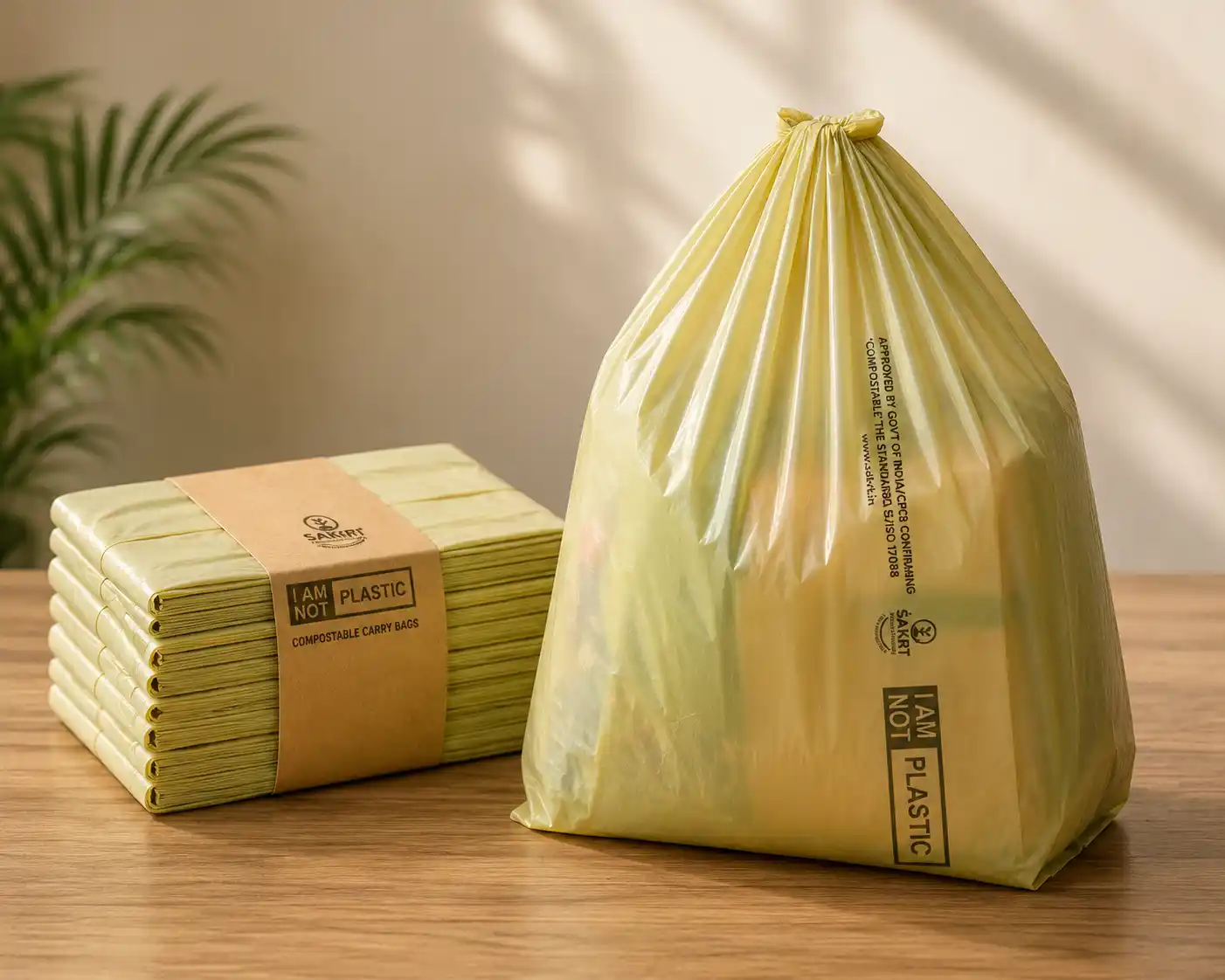
SAKRT manufactures 100% compostable mulch films that are rigorously tested and CPCB-certified (Central Pollution Control Board). Manufactured right here in Mangaluru, our agricultural films guarantee:
- Zero microplastic residue.
- Customizable thickness and durability for different crop cycles.
- Complete conversion into nutrient-rich compost after tilling.
Ready to Upgrade Your Farming Practices?
Investing in soil health today guarantees better yields tomorrow. If you are an agricultural supplier, a large-scale farmer, or an eco-conscious nursery looking to eliminate plastic waste, making the switch has never been easier.
SAKRT – A Brand of Envirly Innovations Pvt Ltd
Choose SAKRT’s Biodegradable Products
Join the sustainability revolution today!
Choose SAKRT’s biodegradable products for your home, business, or event and make waste disposal responsible.