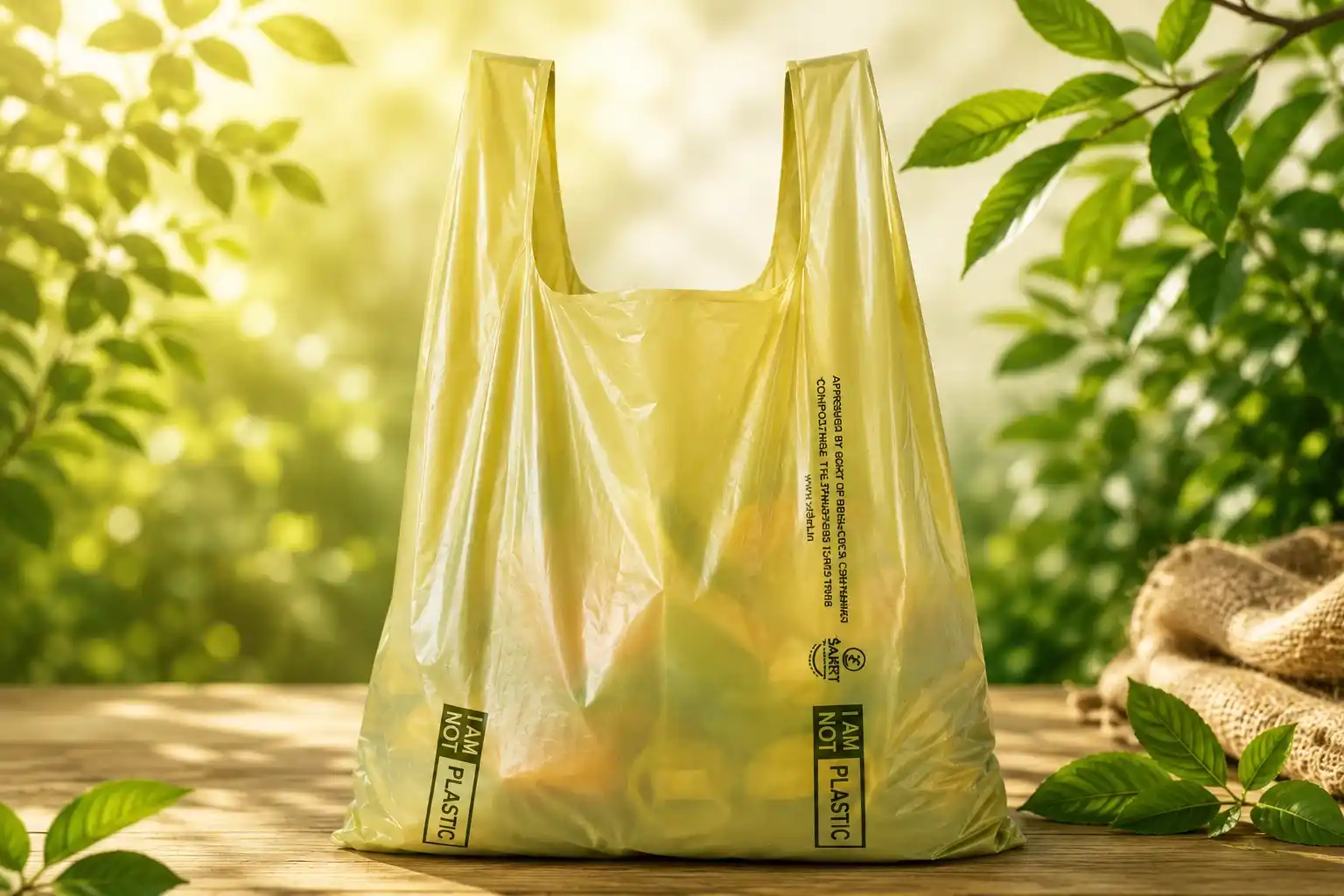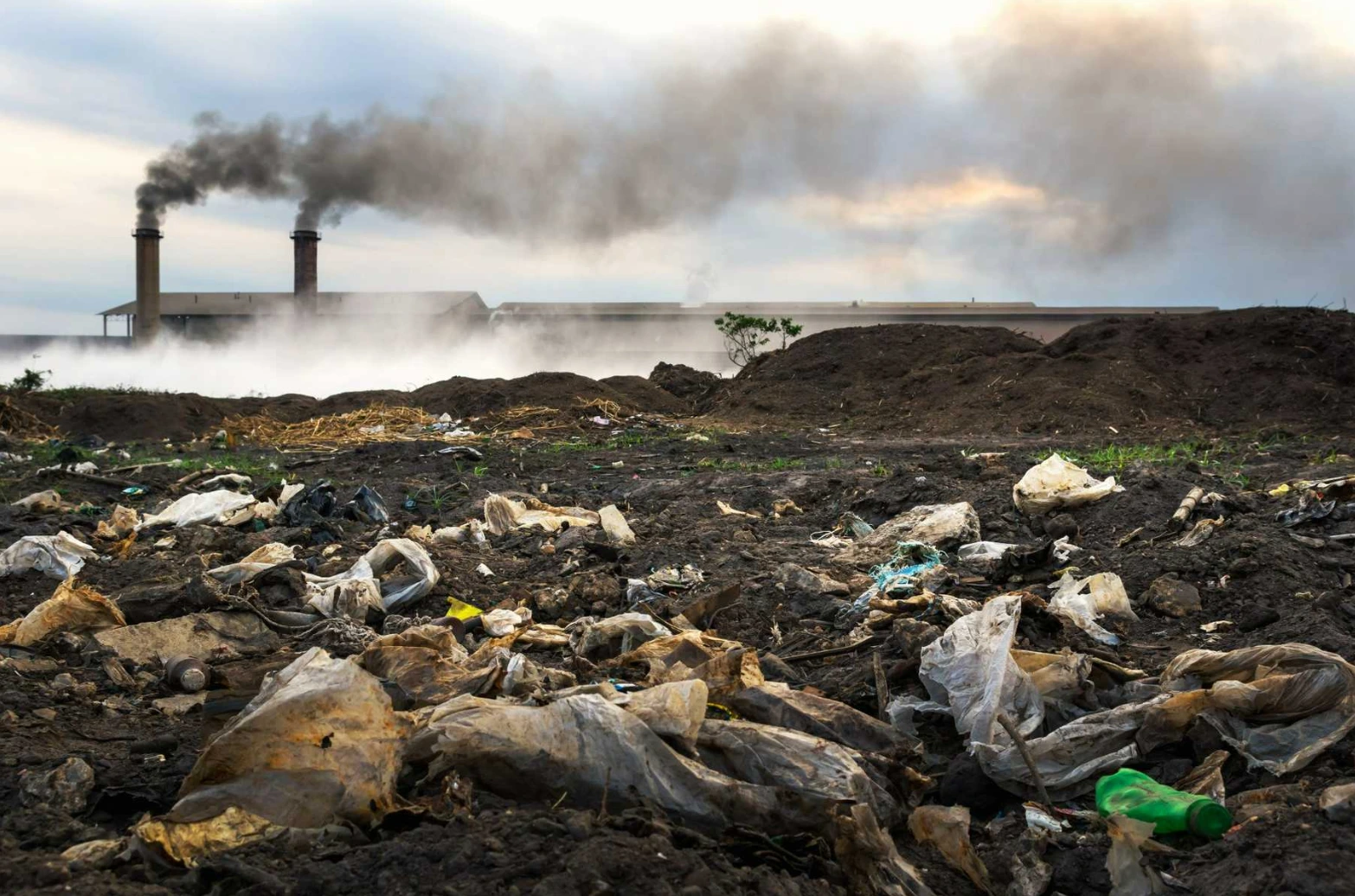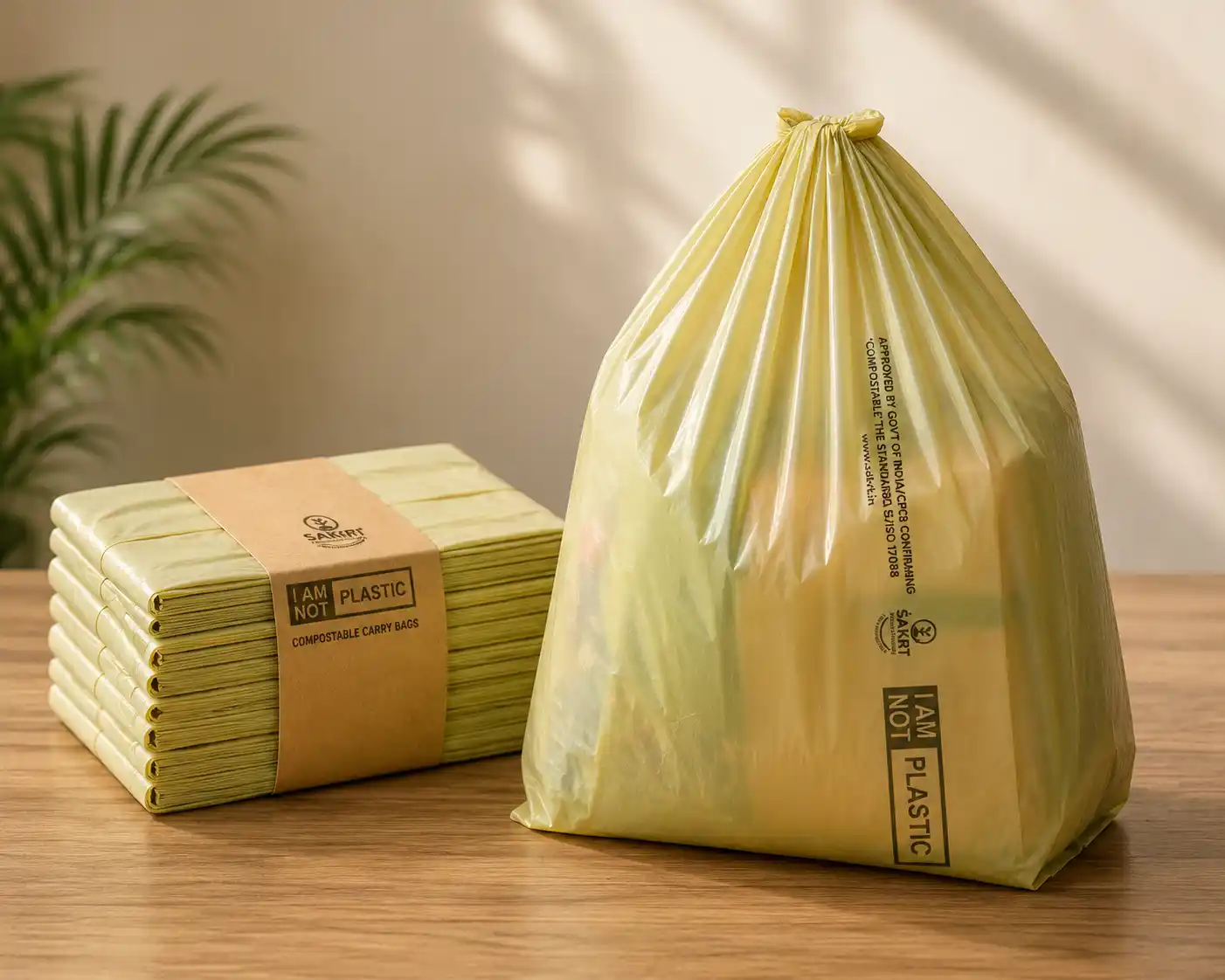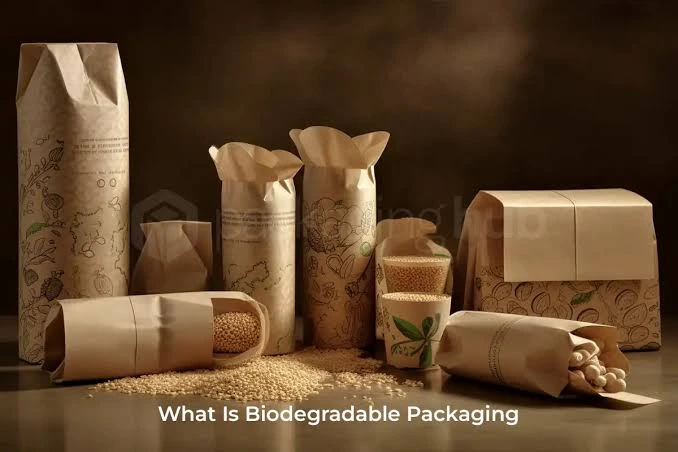
In our current generation that is plagued by the problem of plastic waste in landfills and even the oceans, people look for viable solutions. The best example is an eco friendly food package that uses compostable materials. Such types of packaging are effective in protecting food and can easily be decomposed, thus playing an important role in reducing waste.
The adoption of eco-friendly packaging is not just about the new trend but is more about necessity. In choosing to adopt compostable products, both individuals and organizations play a big role in creating a circular economy where waste is converted to soil.
What Makes Compostable Packaging Different?
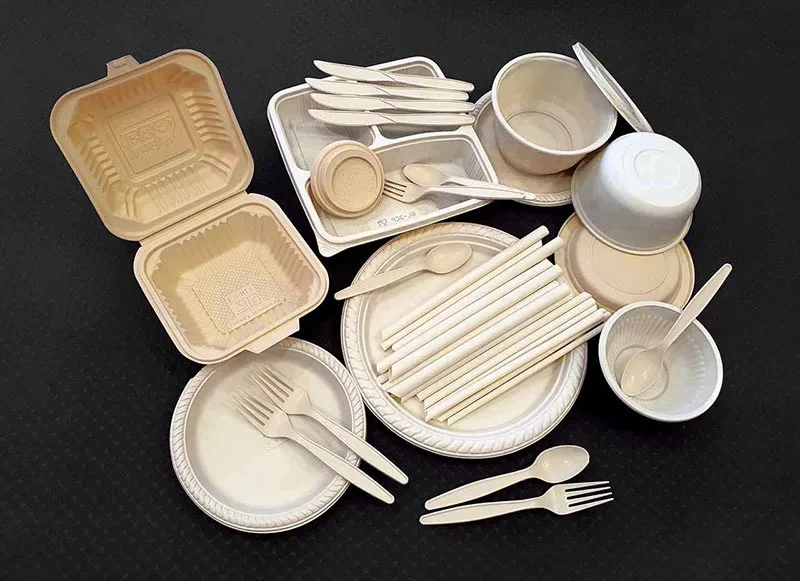
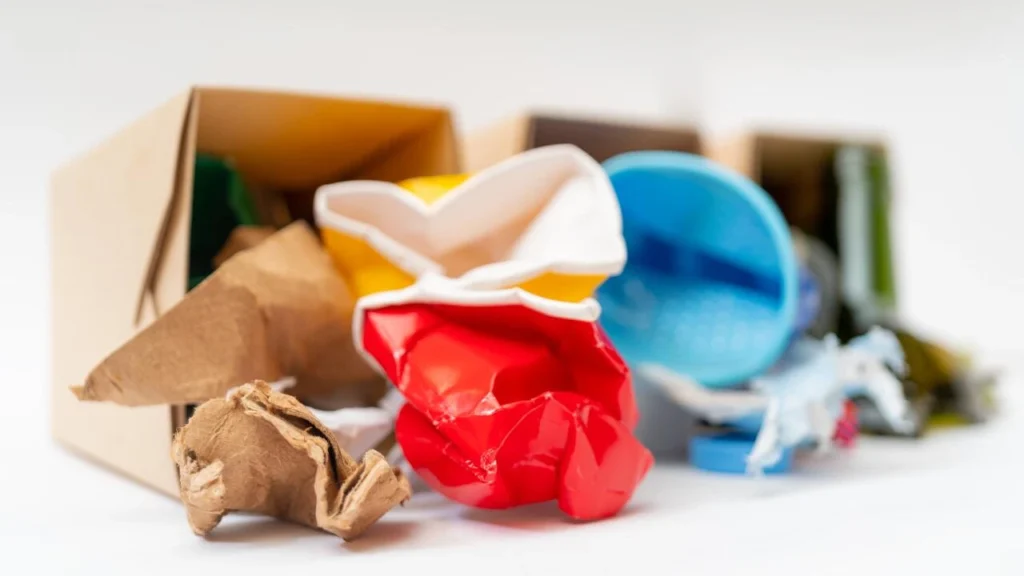
Compostable food containers are made out of plant materials like corn starch, or sugarcane bagasse. Unlike the plastics that will last hundreds of years before breaking down, they will go through biological degradation either in an industrial or domestic composter. This results in decomposition to water, carbon dioxide, and biomass without any harmful products remaining.
Using this kind of sustainable packing material tackles the problem of food service waste. Every day restaurants, cafés, and delivery services produce a lot of waste in the form of packaging.
How Eco Friendly Packaging Reduces Landfill Waste
Green packaging acts as an important component in reducing the amount of waste being sent to overflowing landfills. Plastic packaging is often dumped in landfills due to food contaminants, which makes the packaging non-recyclable. The use of compostable packaging resolves this issue effectively in such a way that the packaging and food waste are all thrown into one organic bin.
This is an excellent method of ensuring higher diversion of waste, since the landfilling of organic waste creates the emission of methane gas, which is extremely harmful to the environment compared to CO2. With green packaging, the reduction of environmental damage is easily quantifiable. Waste facilities convert collected material into compost to be used for agricultural purposes. Additionally, there is less pressure on municipalities due to the use of compostable packages.
The Environmental Advantages of Sustainable Packaging Solutions
The adoption of sustainable packaging provides numerous advantages. Firstly, sustainable packaging utilizes natural resources instead of non-renewable energy sources. Additionally, the production process of sustainable packaging consumes less energy than plastic-based packaging.
Secondly, sustainable packaging addresses the issue of plastic pollution. The breakdown of conventional plastic packages creates microplastics, which contaminate nature, wildlife, and even tap water. Compostable alternatives eliminate any risk of this occurring through proper disposal. Environmental conservation involves the protection of biodiversity. Sustainable packaging prevents oceanic pollution, benefiting sea creatures, while compost nourishes the soil without releasing hazardous compounds.
Finally, companies benefit from their environmentally-friendly packaging through improved corporate image. Customers tend to support businesses exhibiting sustainability, leading to increased customer loyalty.
Integrating Use of Plastic Free Water Bottle and Other Innovations
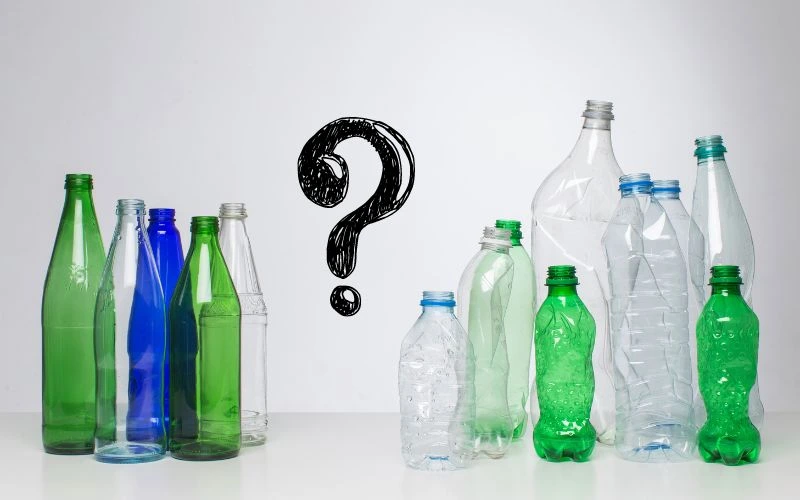
This shift towards more environment-friendly packages for foods is well suited for broader trends such as providing water bottle replacements that are free of plastics. The use of bottles made of stainless steel, glass, or bioplastics complements efforts taken in food package production.
Combining the two provides an overall environmentally-friendly strategy. An example of this is a coffee shop that uses biodegradable containers for their takeaway food coupled with drinkware that does not contain plastics. Customers find it easier to trust such organizations.
Challenges and Best Practices for Adoption
Although the advantages are obvious, implementation must take care of certain things. There are composting facilities that do not accept all types of biodegradable materials, thus, certification (BPI, among others) is important. Companies need to inform their employees and consumers about correct disposal to optimize efficiency.
Fortunately, breakthroughs never cease. With new products that are durable, heat-resistant, and have extended shelf-life, sustainable packaging systems become possible, even for those that are hard to deal with, such as hot foods or oily products.
Switching to sustainable systems also requires investment. Nonetheless, savings from lower waste costs, tax breaks, and consumer preference may justify the expenses.
Real-World Impact on Waste Reduction
These communities and organizations have shown great success. There is a higher percentage of food waste diversion when coupled with proper infrastructure. In one case, it was mentioned that the use of compostable serviceware allowed them to divert more organic material from creating greenhouse gas emissions at landfills.
In terms of the global perspective, these actions will greatly reduce the ecological impact of the packaging industry as a whole, considering that it accounts for a large percentage of municipal solid waste.
The consumer plays an equally vital role in this process. It is through consumer preference that more companies can be encouraged to produce environmentally friendly food packages.
Conclussion
The advantages of compostable food packaging in terms of waste reduction are beyond question. By utilizing eco-friendly food packaging options, the world is making moves towards reducing the amount of waste going into landfills, decreasing emissions, and establishing a circular economy. Sustainable and eco-friendly packaging have become necessities rather than luxuries for the future.
Each decision matters. By opting for products that reduce environmental harm and using plastic-free water bottles, among other environmentally friendly items, individuals can make a collective effort towards positive environmental outcomes.
SAKRT – A Brand of Envirly Innovations Pvt Ltd
Choose SAKRT’s Biodegradable Products
Join the sustainability revolution today!
Choose SAKRT’s biodegradable products for your home, business, or event and make waste disposal responsible.
FAQs
An eco-friendly food package consists of compostable materials that break down naturally into compost. It helps reduce waste by allowing food scraps and packaging to be diverted together into composting streams instead of landfills.
Sustainable packaging solutions generally offer a reduced environmental impact because they use renewable resources and decompose without leaving microplastics. They also support better waste management practices overall.
Yes, many modern compostable options are designed to handle hot temperatures and greasy foods effectively, making them practical for various food service applications.
The use of plastic free water bottle complements compostable food packaging by extending the sustainability approach to beverages, reducing single-use plastic across the entire customer experience.
Visit sakrt.in for a wide range of certified eco friendly packaging solutions designed to meet diverse business needs while supporting strong waste reduction goals.