The food packaging industry in India is undergoing a massive shift. With tightening government bans on single-use plastics and growing consumer awareness around chemical contamination, restaurants, cloud kitchens, and caterers are evaluating their everyday takeaway containers.
When serving hot gravies, biryanis, and soups, the choice between traditional plastic bowls and plant-based alternatives is critical.
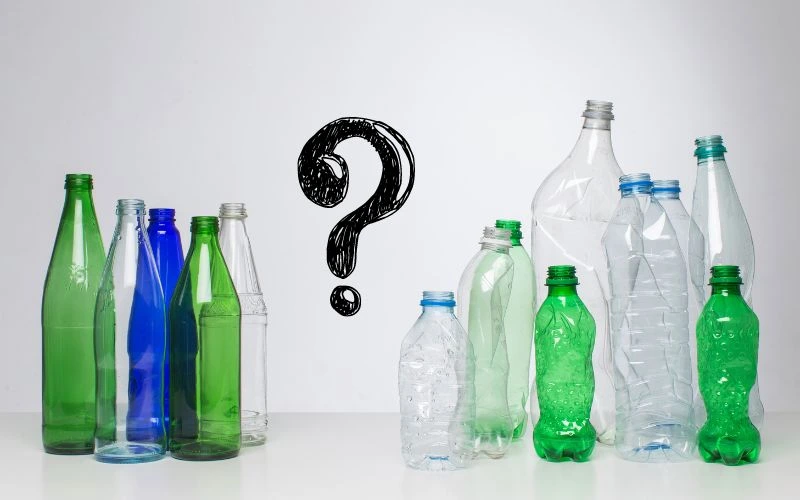
Here is a comprehensive breakdown comparing biodegradable bowls vs plastic bowls across safety, heat performance, environmental impact, and cost to help you make the right choice for your business.
What Are Biodegradable and Compostable Bowls Made From?
To understand how eco-friendly bowls compare to plastic, it helps to know what goes into making them.
Common Plant-Based Raw Materials
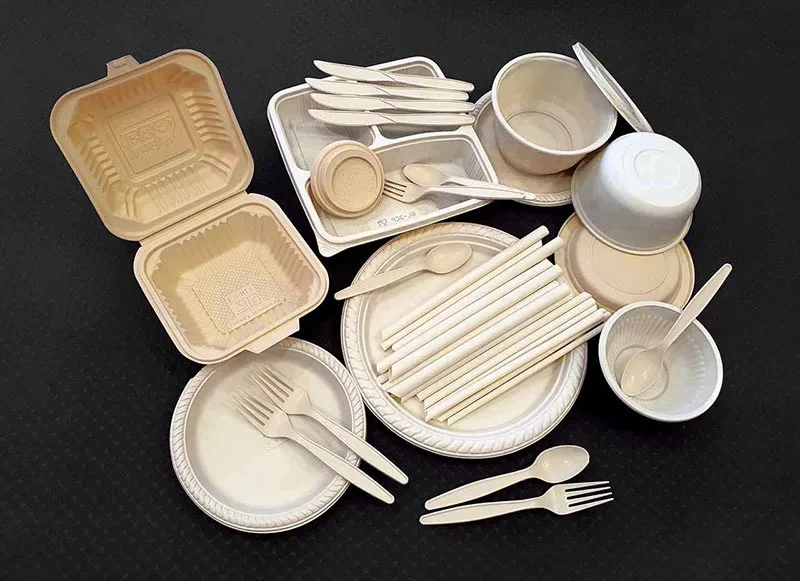
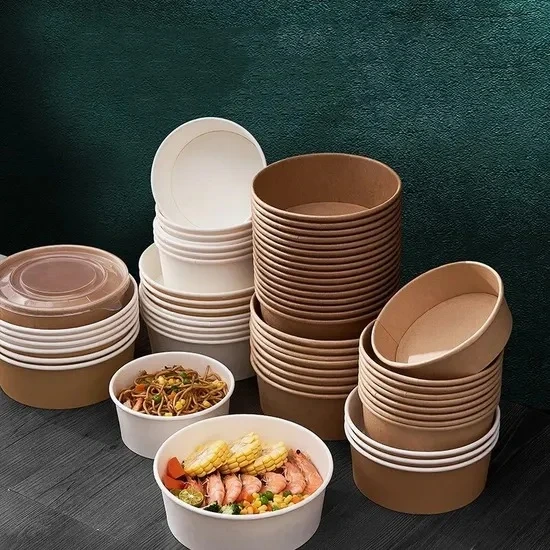
Most high-quality biodegradable bowls are manufactured from renewable agricultural byproducts, including:
- Sugarcane Bagasse: The fibrous pulp left over after extracting juice from sugarcane.
- Cornstarch (PLA): Bio-resins derived from corn starches that mimic the flexibility of plastic.
- Wheat Straw & Plant Fibers: Natural agricultural residues molded under high pressure and heat.
The Difference Between "Biodegradable" and CPCB-Certified "Compostable"
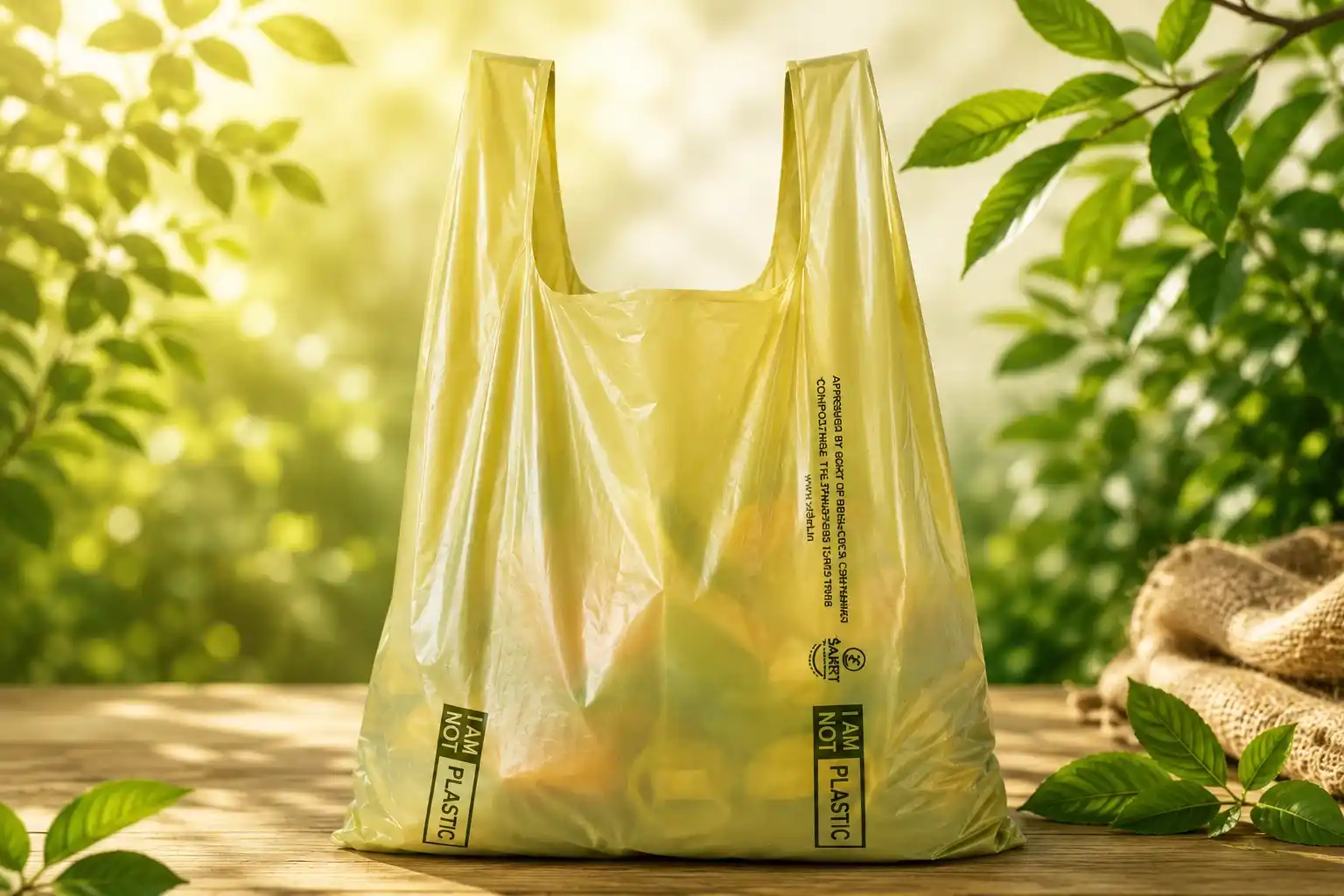
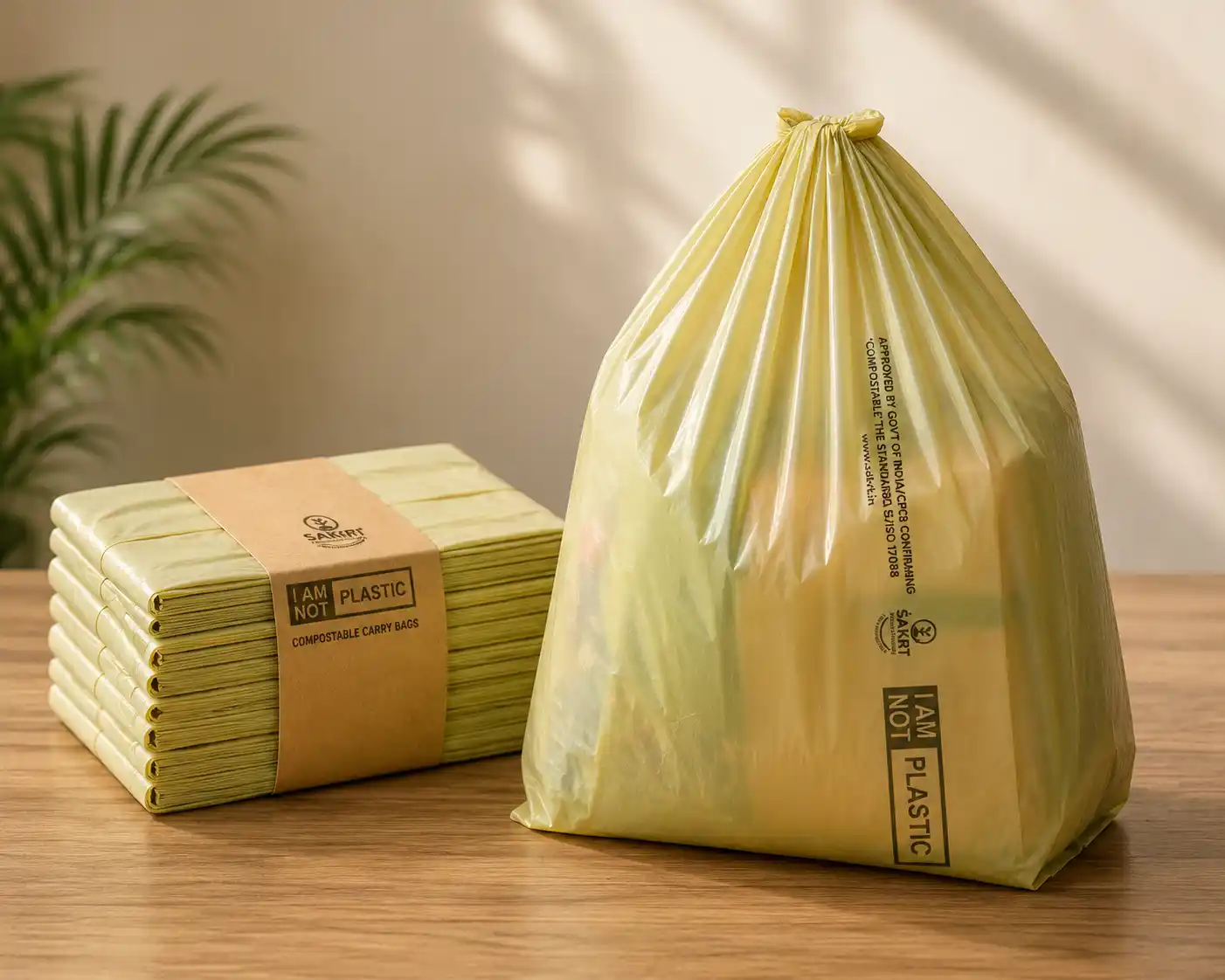
While the term “biodegradable” simply means a material can break down over an unspecified period, CPCB-certified compostable packaging guarantees that the material will break down into organic nutrient-rich soil within 180 days in a composting environment leaving behind zero toxic residue or microplastics.
Biodegradable Bowls vs Plastic Bowls: A Head-to-Head Comparison
1. Health & Food Safety: Chemical Leaching & Heat Resistance
Phthalates, BPA, and Microplastic Leaching in Plastics
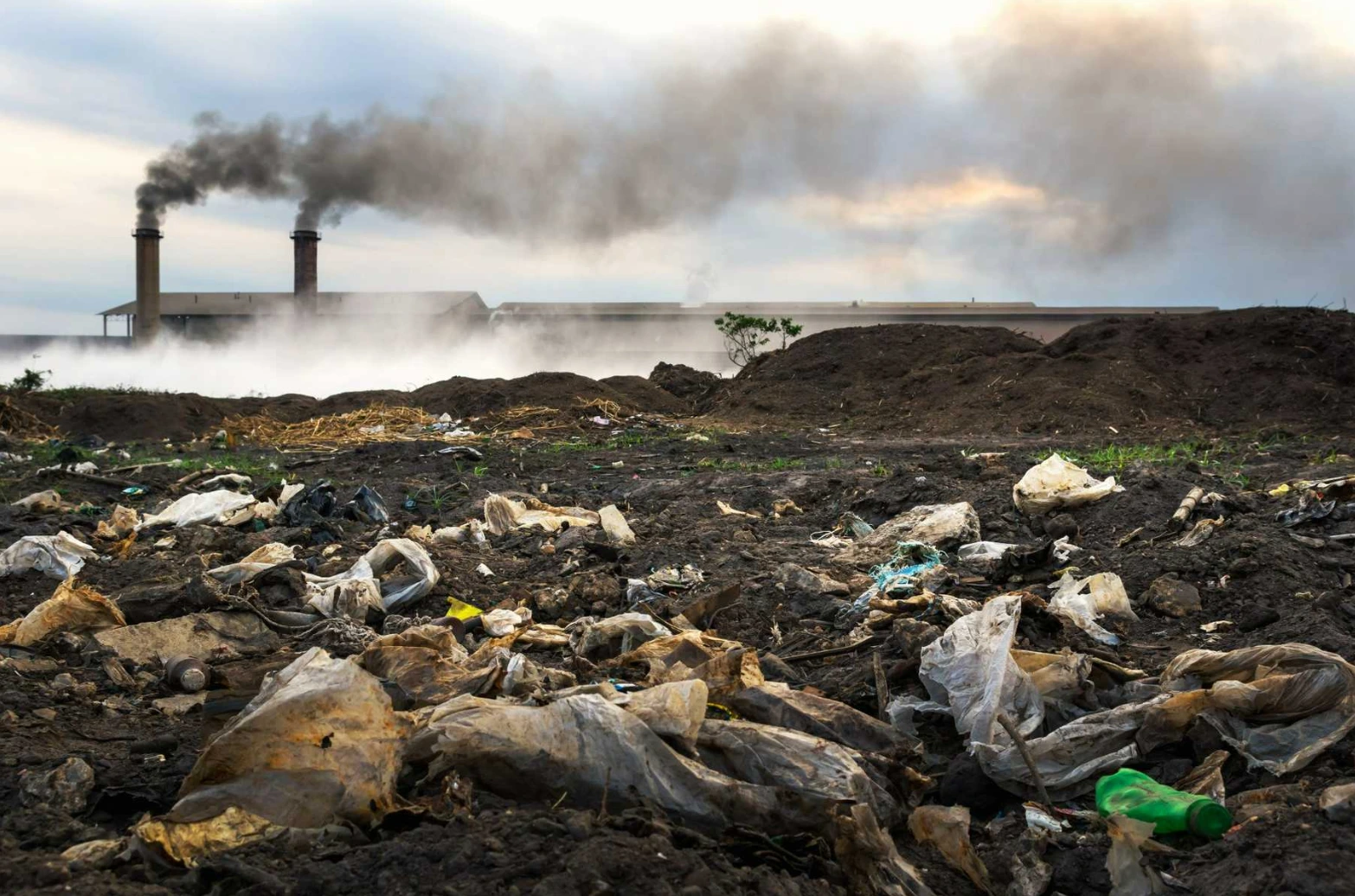
- When hot liquids or foods above 70°C touch polypropylene (PP) or polystyrene (PS) plastic bowls, toxic chemicals like Bisphenol-A (BPA) and microplastics leach directly into the food. Over time, ingesting these compounds can cause endocrine disruption and metabolic health issues.
Heat Tolerances for Hot Indian Gravies and Soup
- Plastic Bowls: Can warp, soften, or leach chemicals when exposed to boiling curries or reheated in a microwave.
- Sugarcane Bagasse & Compostable Bowls: Naturally heat-resistant up to 100°C–120°C. They do not warp, melt, or release harmful toxins when holding boiling curries or soups.
2. Regulatory Compliance & Government Regulations in India
Under India’s Plastic Waste Management Rules, state pollution control boards (such as KSPCB in Karnataka) are penalizing businesses that use non-compliant single-use plastic packaging.
Using non-permitted plastic bowls risks fines and business disruption. Transitioning to CPCB-certified compostable tableware ensures 100% legal compliance across India.
Why Food Businesses & Cloud Kitchens Are Making the Switch
Beyond environmental compliance, moving away from plastic packaging delivers strong business benefits.
Elevating Customer Perception & Sustainable Branding
Modern consumers, especially urban millennials and Gen Z actively prefer ordering from eco-conscious eateries. Delivering hot food in sturdy, natural, plastic-free tableware enhances brand perception and leads to higher customer retention rates.
Oil & Water Leak Resistance
A common misconception is that plant-based bowls turn soggy. High-grade bagasse bowls are engineered with natural water and oil repellents, ensuring they hold heavy gravies, dals, and oily dishes without leaking or compromising structural integrity.
Upgrade Your Food Packaging with SAKRT
At SAKRT, we manufacture and distribute 100% CPCB-certified compostable tableware including bowls, plates, and delivery containers engineered specifically for the demanding food service industry across Mangalore and India.
Our plant-based tableware is oil-proof, liquid-resistant, microwave-safe, and 100% plastic-free.
SAKRT – A Brand of Envirly Innovations Pvt Ltd
Choose SAKRT’s Biodegradable Products
Join the sustainability revolution today!
Choose SAKRT’s biodegradable products for your home, business, or event and make waste disposal responsible.
FAQs
Yes. High-quality sugarcane bagasse and compostable plant-fiber bowls are designed to withstand temperatures up to 120°C, making them completely safe for hot Indian curries, gravies, and soups without leaking or warping.
Yes. Unlike plastic bowls, which risk melting or leaching harmful toxins when heated, CPCB-certified sugarcane bagasse bowls are microwave-safe and freezer-safe.
Biodegradable bowls derive from renewable agricultural byproducts such as sugarcane fiber (bagasse), bamboo, palm leaves, or cornstarch (PLA)that naturally decompose into organic matter. Plastic bowls rely on refined petroleum polymers like polypropylene (PP) or polystyrene (PS), which resist natural decay and remain in ecosystems for centuries.
Not efficiently. Bagasse and palm leaf containers degrade in home compost bins within 60–90 days.
Plastic bowls maintain a lower upfront unit cost due to established fossil fuel supply chains. Biodegradable bowls carry a 15–30% price premium, but businesses frequently offset this cost through increased brand loyalty, customer preference for eco-friendly practices, and compliance with local single-use plastic bans.