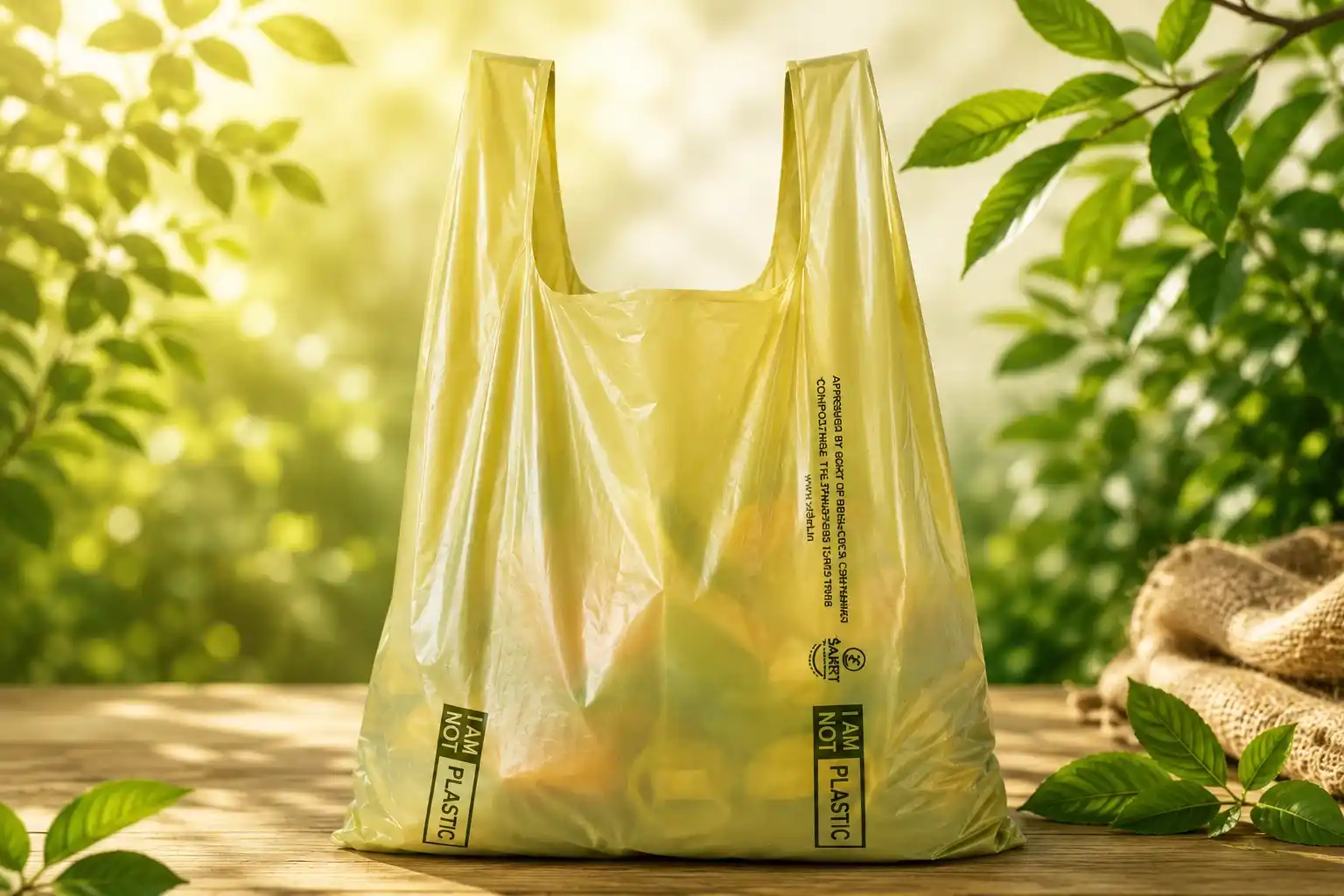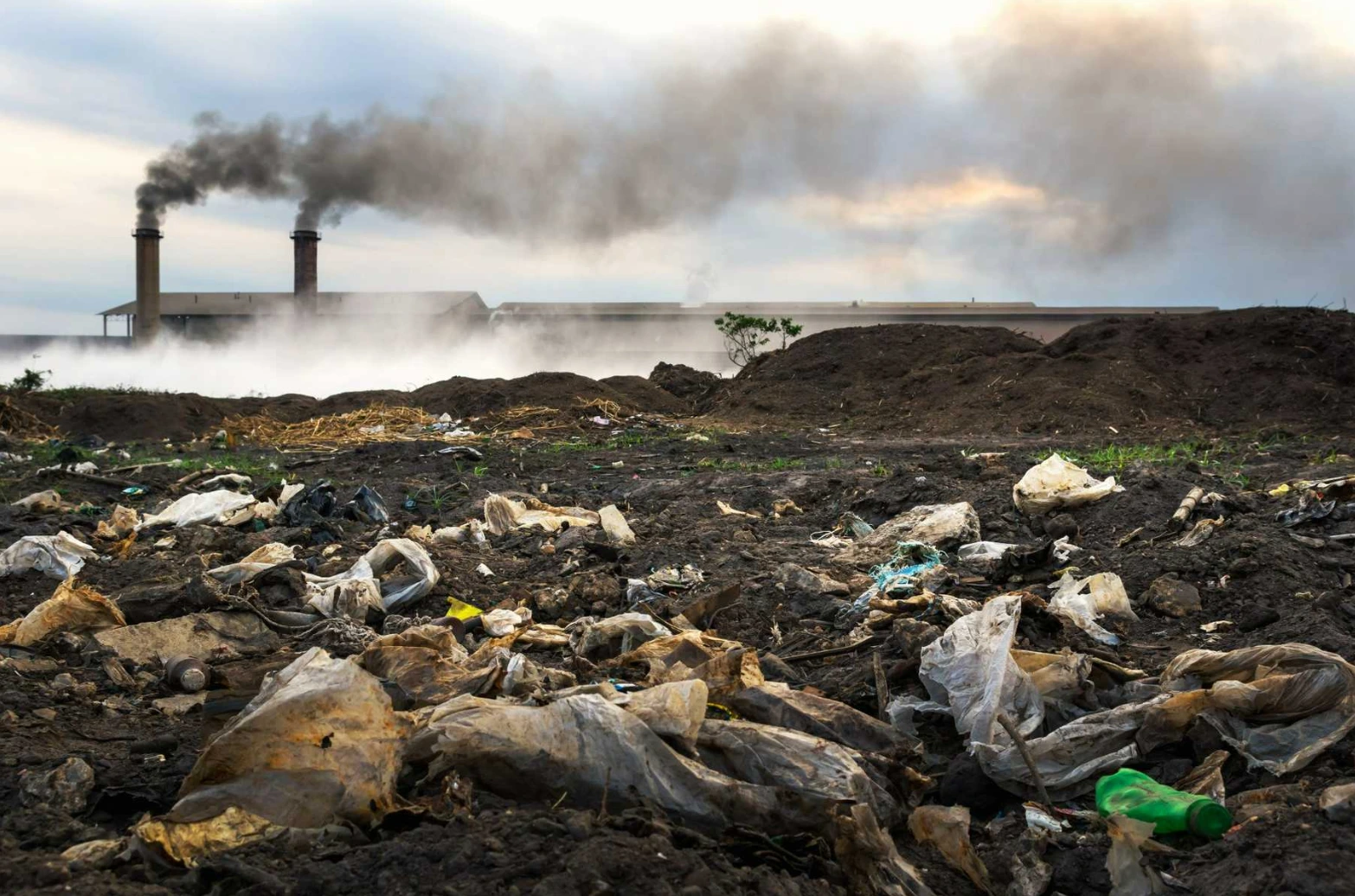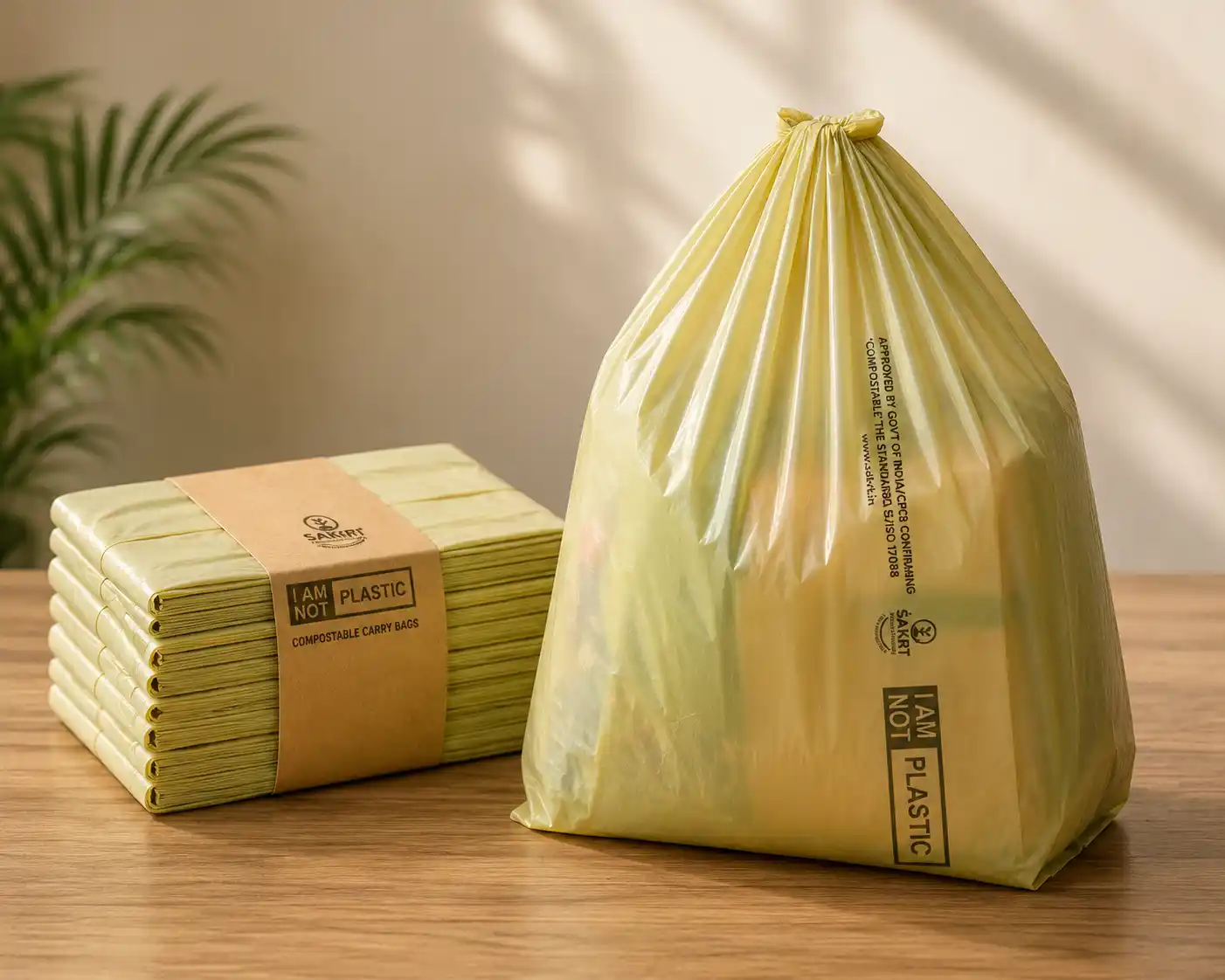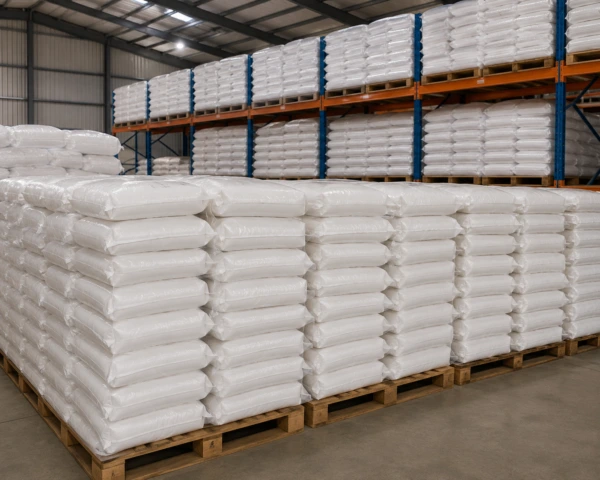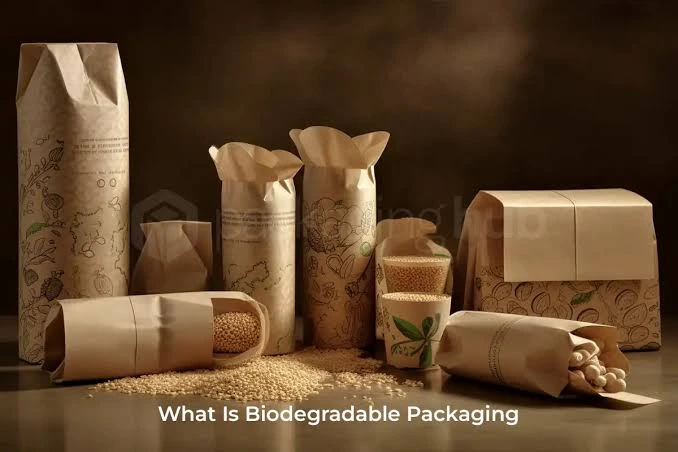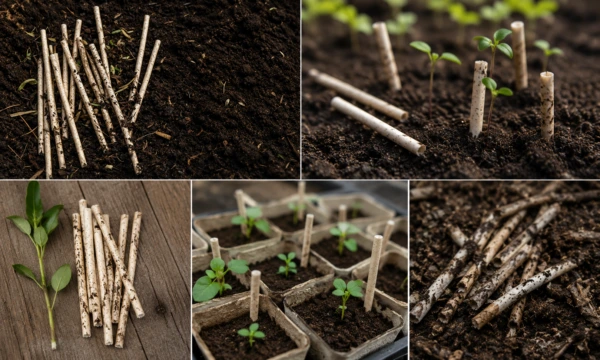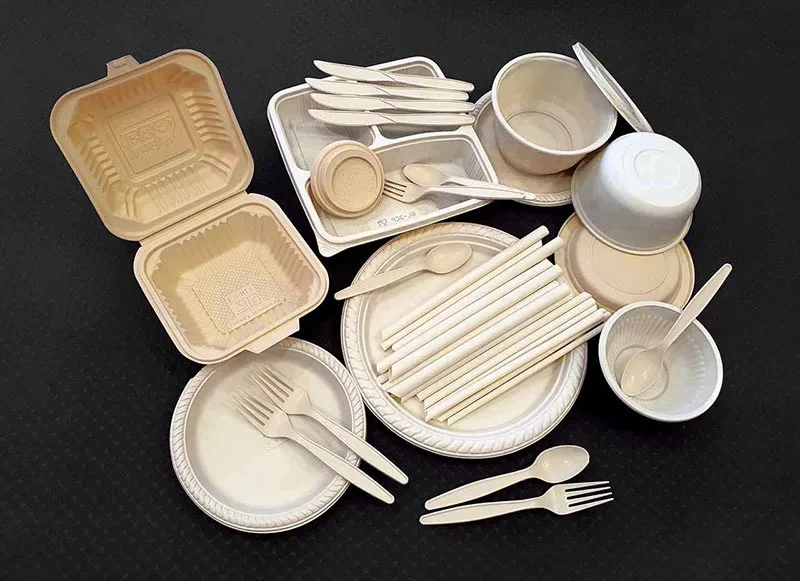
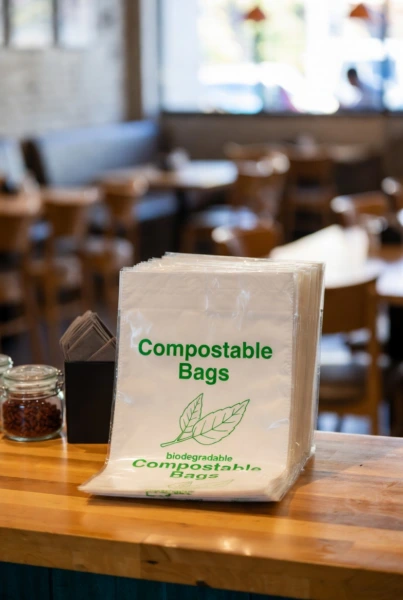
In today’s busy world, where people mostly order food through takeout or delivery, restaurants and eateries are under pressure to offer convenience while also being kind to the environment. Picture a busy café in Bengaluru, where customers take their favorite meals in bags that keep the food safe and also help protect the Earth. That’s where compostable packaging bags come in. These bags are a greener choice compared to regular plastic. As more people learn about how single-use plastics harm the oceans and landfills, businesses are choosing eco-friendly options. Compostable bags are made from plant-based materials and break down naturally without leaving harmful leftovers. This blog looks at how these new solutions are changing the food industry, discussing their advantages, how to use them, and what the future holds. We’ll focus on real-world use and environmental care to explain why compostable packaging bags are important for today’s restaurants.
Sustainable Packaging Companies in India
Sustainable packaging companies in India are leading the way in making compostable packaging bags that work well for restaurants and food places. These companies focus on being innovative and caring for the environment, making bags from materials like cornstarch or sugarcane that are renewable. For example, many businesses in cities like Mumbai and Delhi are using modern techniques to make strong and biodegradable bags. This change is also encouraged by government programs that push for greener actions across the country.
Now, restaurants can get compostable packaging bags that follow international standards for being compostable. The real benefit is how flexible these bags area they can handle hot, cold, or oily foods without losing their quality. Also, these companies often let food businesses customize the bags, so they can add their own branding while showing they care about the environment. In short, sustainable packaging companies in India are more than just suppliers; they are helping to create a better, greener future for the food industry.
Trends Shaping the Food Industry
Sustainable packaging is becoming more popular in India, especially in urban restaurants that want to lower their environmental impact. Compostable packaging bags are a big part of this trend because they meet the increasing need for eco-friendly choices. Also, as India’s rules on banning plastic get stricter, food businesses are looking for alternatives that follow these new laws. In cities like Chennai and Hyderabad, many places are using compostable bags without much trouble.
These bags break down in commercial composting centers within months, unlike regular plastics that can take hundreds of years to go away. Additionally, sustainable packaging in India often uses materials made locally, which helps cut down on transportation emissions and supports local communities. As a result, restaurants that switch to these bags often find that customers are more loyal because they value the effort to protect the environment.
How Sustainable Food Packaging benefits the Restaurants and Outlets
Sustainable food packaging, like compostable bags, has many benefits that go beyond helping the environment. These bags are safe for food because they don’t have harmful chemicals that are often in regular plastic. They also keep food fresh while it’s being delivered, so customers get their meals in good condition. For businesses, using sustainable packaging can save money over time.
Even though it might cost more at first, it can reduce waste disposal costs and maybe even offer tax breaks. Plus, it helps create a better image for the brand, which is important for younger customers who care about the environment. But it’s important for restaurant staff to be trained on how to use these bags properly to get the most out of them.
In real use, places that use these bags say they get fewer complaints about packaging problems because the bags are strong and reliable. This makes them a great option for busy kitchens that want to be eco-friendly and efficient.
How Bioplastic Manufacturers Innovate Compostable Packaging Bags
Bioplastic makers are changing the market by making compostable packaging bags that work well for restaurants. They use advanced technology to create bioplastics from natural materials, so the final product is both useful and good for the environment. For instance, new discoveries in making plastics have led to bags that don’t get wet or break easily, which is perfect for takeout food.
Also, bioplastic companies work with food places to make packaging that fits their specific needs, like different sizes for various menu items. This is especially happening in India, where local companies are growing their businesses to keep up with more customers. Because of this, compostable bags from these companies are now easier to get and cheaper.
Even though there are problems like getting materials to the right places, companies are solving these issues by working together with other businesses. In the end, bioplastic makers are playing a big role in helping the food industry become more sustainable.
Implementation of Bioplastic Bags for Food Outlets
Bioplastic bags, which are a type of compostable packaging, offer useful ways for restaurants to become more eco-friendly. First, restaurants should look at their current packaging needs and find places where bioplastic bags can replace regular plastic. They might start by using them for items like salads or desserts and then gradually use them for all takeout orders.
It’s also important to train the staff on how to properly handle and dispose of bioplastic bags so they follow composting rules. Many restaurants work with local composting centers to make sure waste is properly managed. Getting feedback from customers can also help improve the process and make the switch easier.
When it comes to promoting this change, restaurants can mention the use of bioplastic bags on their menus and social media. This not only helps reduce the environmental impact but also makes their operations more efficient.
The Future of Compostable Packaging Bags in the Food Sector
Looking ahead, compostable packaging bags are likely to become the usual choice for restaurants and food places around the world. As more research is done, these bags are expected to get stronger and cheaper, making them even more attractive. Also, as rules about using plastic get stricter globally, businesses will use more compostable options.
In India, the rise of e-commerce and delivery services is speeding up this change, encouraging food outlets to go green. But innovation will be important, with new ideas like antimicrobial coatings that can help food stay fresh longer. Plus, teaching people about compostable packaging through campaigns will help make these bags a normal part of daily life.
Overall, the future seems positive, with compostable packaging bags leading the way toward a waste-free food industry.
Conclusion
In conclusion, compostable packaging bags provide a great option for restaurants and food places that want to be more eco-friendly without losing their usefulness. Choosing these green alternatives helps businesses lower their impact on the environment, follow the rules, and attract customers who care about the planet. As we’ve seen, from the new ideas from sustainable packaging companies in India to the real advantages of bioplastic bags, moving to compostable packaging is both possible and good. In the end, using compostable packaging bags is more than just a passing fad it’s a key step toward a better future for the Earth. Restaurants that switch to these bags now will not only do well but also encourage others to do the same.
SAKRT – A Brand of Envirly Innovations Pvt Ltd
Choose SAKRT’s Biodegradable Products
Join the sustainability revolution today!
Choose SAKRT’s biodegradable products for your home, business, or event and make waste disposal responsible.
FAQs
No. All compostable items are biodegradable, but not all biodegradable items are compostable. Compostable items break down into nutrient-rich soil without leaving toxins.
Some can be composted at home, but many require industrial composting for proper breakdown. Always check the label.
In industrial facilities, they usually decompose within 90–180 days.
Yes, when certified food-safe, they are non-toxic and free from harmful chemicals.
Look for BPI Certified, OK Compost, or Seedling Logo to ensure genuine compostability.