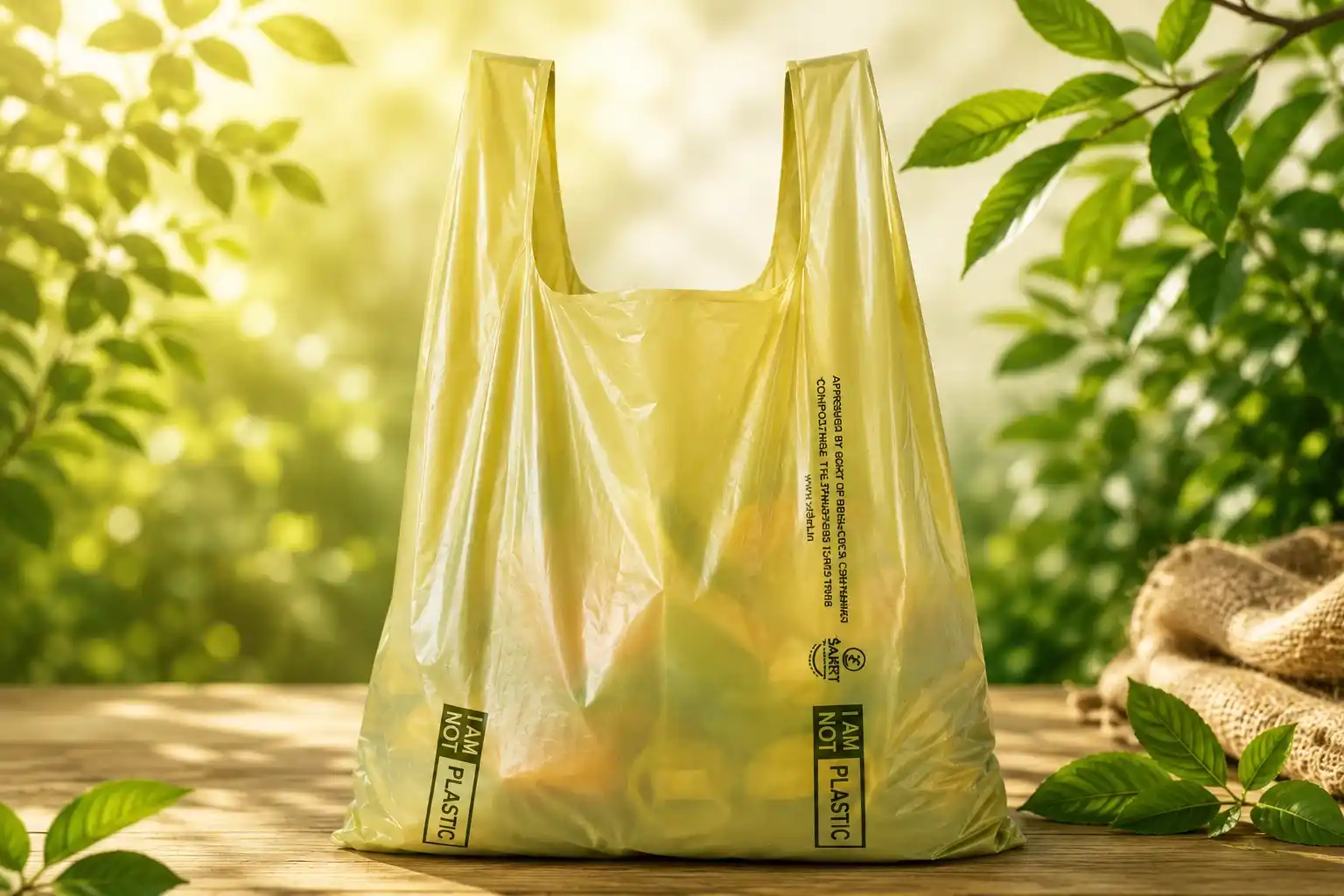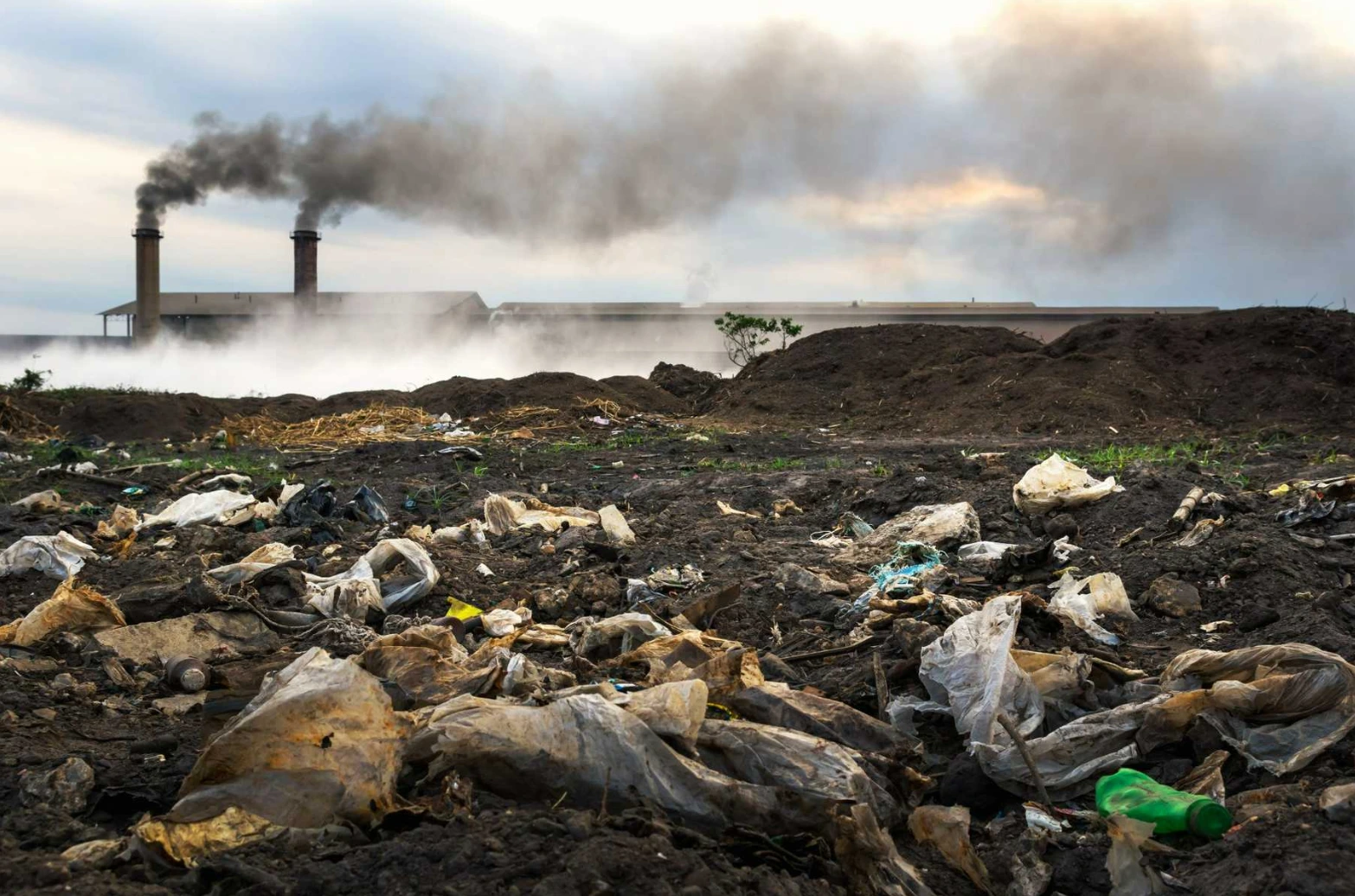
Single-use plastics have dominated the food and beverage industry for decades, offering cheap convenience at a massive environmental cost. From takeaway meals to wedding banquets, billions of plastic spoons, forks, and knives end up in Indian landfills and oceans every year, where they take centuries to break down into toxic microplastics.
As government regulations tighten and consumer preferences shift toward sustainability, businesses and individuals are actively seeking alternatives. The most effective solution? Compostable cutlery.
At SAKRT, we believe that switching to plant-based, 100% compostable tableware is the easiest way to significantly reduce your environmental footprint without sacrificing dining quality.
What exactly is Compostable Cutlery?
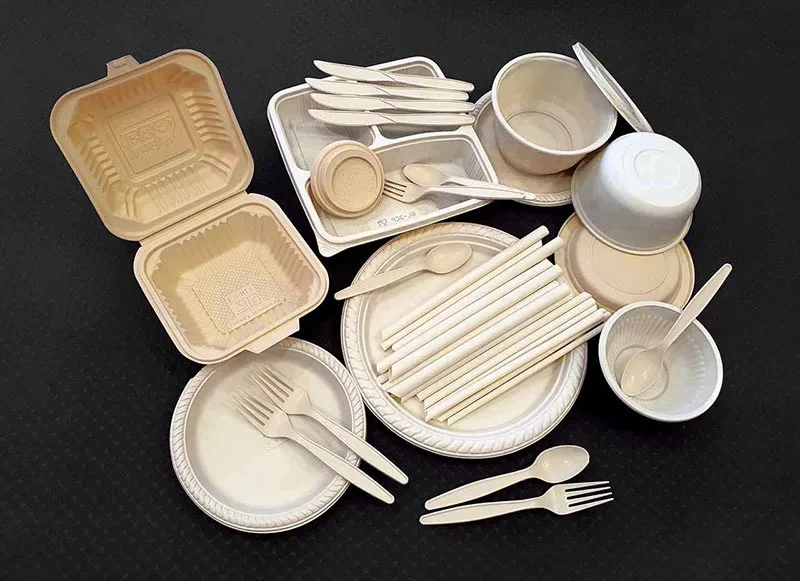
Unlike traditional plastic (which relies on petroleum) or standard “biodegradable” plastic (which often just breaks down into smaller, harmful microplastics), true compostable cutlery is made from organic, renewable resources.
When disposed of correctly in a composting environment, these utensils break down entirely into nutrient-rich biomass, carbon dioxide, and water within 90 to 180 days. They leave behind absolutely no toxic residue.
Common Plant-Based Materials Used
Manufacturers use a variety of agricultural byproducts to create durable, heat-resistant eco-cutlery.
1. Cornstarch and Polylactic Acid (CPLA)
Crystallized Polylactic Acid (CPLA) is derived from the fermented sugars of corn or cassava. It is engineered to withstand high temperatures (up to 85°C), making it perfect for hot soups and gravies. It looks and feels remarkably similar to traditional plastic but is 100% plant-based.
2. Birchwood and Bamboo
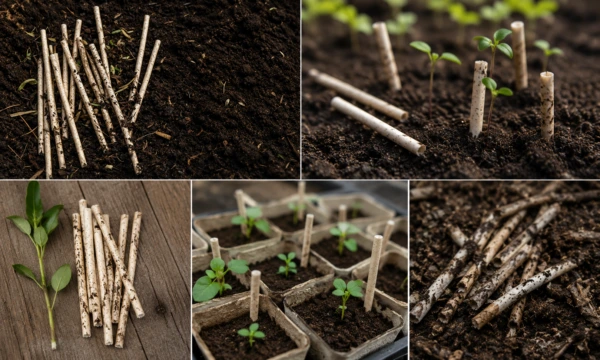
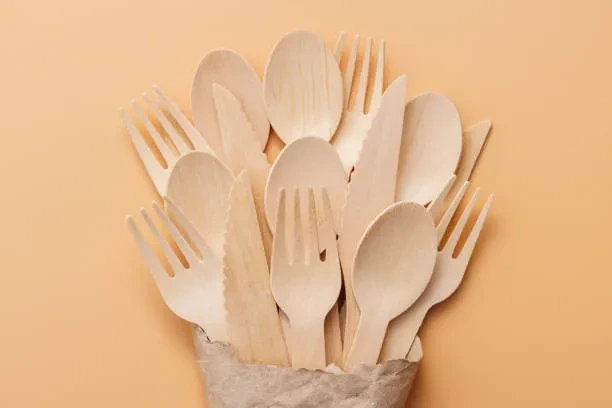
Wooden cutlery is perhaps the most recognizable eco-friendly option. Sustainably sourced birchwood and bamboo offer a rustic, natural aesthetic. They are incredibly sturdy, naturally antibacterial, and can easily pierce heavy foods without snapping.
3. Sugarcane Bagasse
While primarily used for plates and bowls, dense sugarcane fibers are occasionally molded into sturdy spoons. Bagasse is a byproduct of the sugar industry, making it a brilliant example of upcycling agricultural waste.
Why Your Business Needs to Switch to Compostable Cutlery
Whether you run a bustling cafe in Mangaluru, a cloud kitchen in Bengaluru, or an event management company, transitioning to eco-friendly utensils offers massive advantages.
1. Compliance with Single-Use Plastic Bans
With strict national and state-level bans on single-use plastics across India, using standard plastic cutlery risks heavy fines and business closures. SAKRT’s compostable products are CPCB-certified, ensuring your business is 100% legally compliant.
2. No Chemical Leaching into Hot Food
Have you ever used a flimsy plastic spoon in hot dal and noticed it softening or bending? That is the plastic melting and releasing harmful chemicals like BPA and phthalates directly into the food. Compostable cutlery is completely non-toxic and food-safe, maintaining its structural integrity in both hot and cold dishes.
3. Premium Customer Experience
Today’s consumers are highly eco-conscious. Serving a premium, plant-based meal with a cheap plastic spoon immediately downgrades the dining experience. High-quality compostable cutlery tells your customers that your brand cares about health and the environment, fostering brand loyalty.
Plastic vs. Compostable Cutlery: The Verdict
When comparing performance, compostable cutlery easily holds its own against traditional plastic.
- Strength: Premium compostable forks and knives can handle dense foods (like cutting through a thick paneer tikka or digging into biryani) without bending or snapping.
- Disposal: Plastic goes straight to the landfill. Compostable cutlery can be disposed of alongside food scraps, streamlining waste management for restaurants and catering events.
- Environmental Impact: Plastic creates generational pollution. Compostable tableware actively enriches the soil.
Upgrade Your Tableware with SAKRT
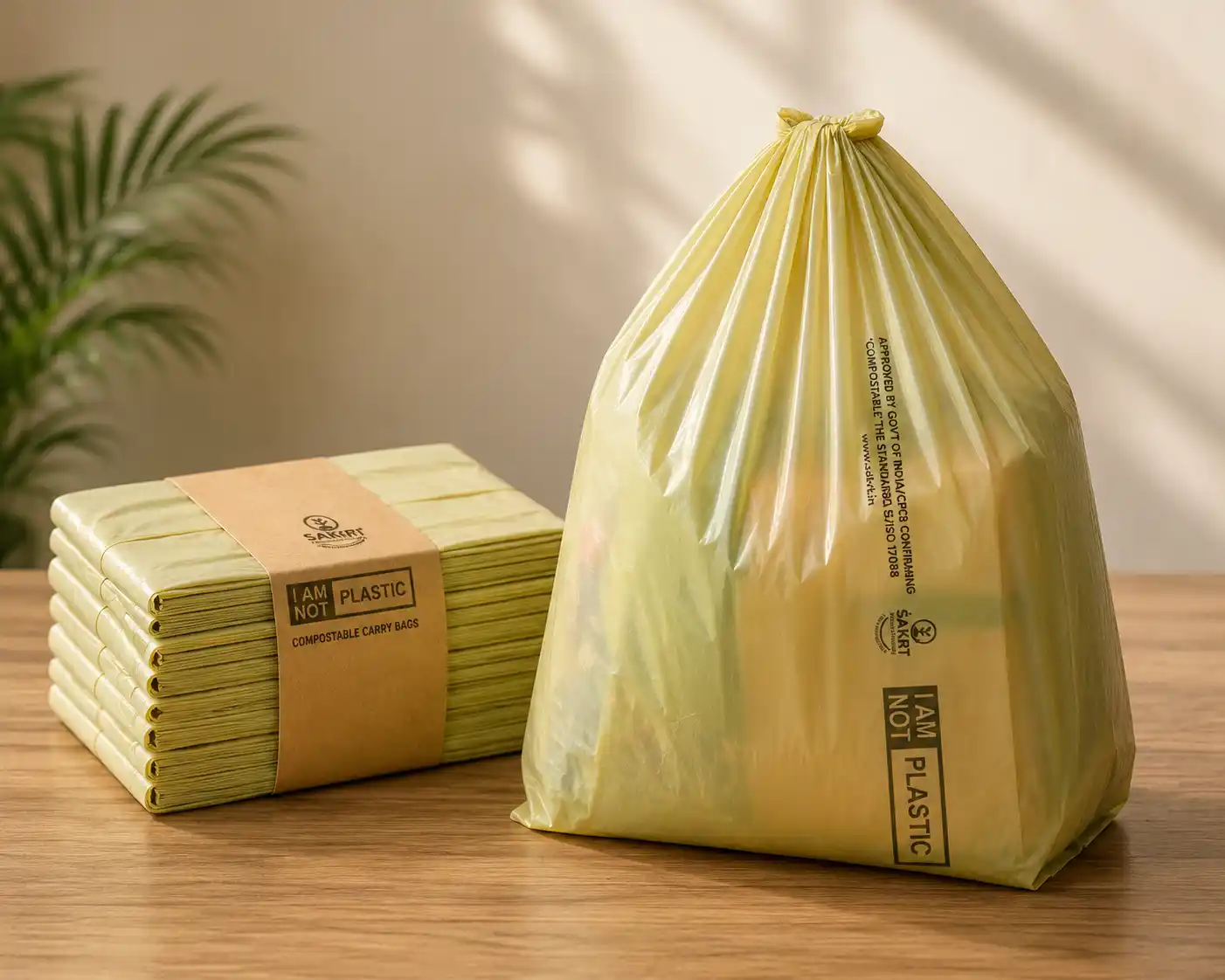
Making the switch to sustainable packaging has never been easier. At SAKRT, we manufacture and supply a comprehensive range of CPCB-certified compostable products, from garbage bags and carry bags to premium tableware.
If you are ready to eliminate plastic waste from your operations and embrace a zero-microplastic future, we are here to help.
SAKRT – A Brand of Envirly Innovations Pvt Ltd
Choose SAKRT’s Biodegradable Products
Join the sustainability revolution today!
Choose SAKRT’s biodegradable products for your home, business, or event and make waste disposal responsible.
Frequently Asked Questions (FAQs)
Plastic cutlery contributes to India’s 3.5 million tonnes of single-use plastic waste, breaking into microplastics (1.9 mg/kg soil) that pollute farmland and rivers, taking 400–1,000 years to decompose and releasing toxic fumes when incinerated.
SAKRT’s cutleries are made from cornstarch, sugarcane bagasse, and bamboo fiber, weighing 5–10 grams per piece. They decompose in 90–180 days, reduce CO₂ emissions by 65%, and are non-toxic, ensuring safe dining and soil enrichment.
SAKRT’s cutleries match plastic’s strength (handling 500 grams of food), are versatile for hot/cold dishes, and decompose fully, avoiding microplastics. They align with bans, restrictions and consumer eco-preferences.
Ideal for weddings (1,000 pieces for 500 guests), cafes (200 daily customers), and home dining, they handle diverse foods like biryani or lassi, enhancing eco-appeal in urban hubs like Pune or rural food stalls in Varanasi.
By composting into humus in 90–180 days, they divert 500–1,000 kg of plastic per caterer annually, support India’s 2022 plastic restriction, and cut emissions by 60%, aligning with Swachh Bharat and 2030 climate targets.