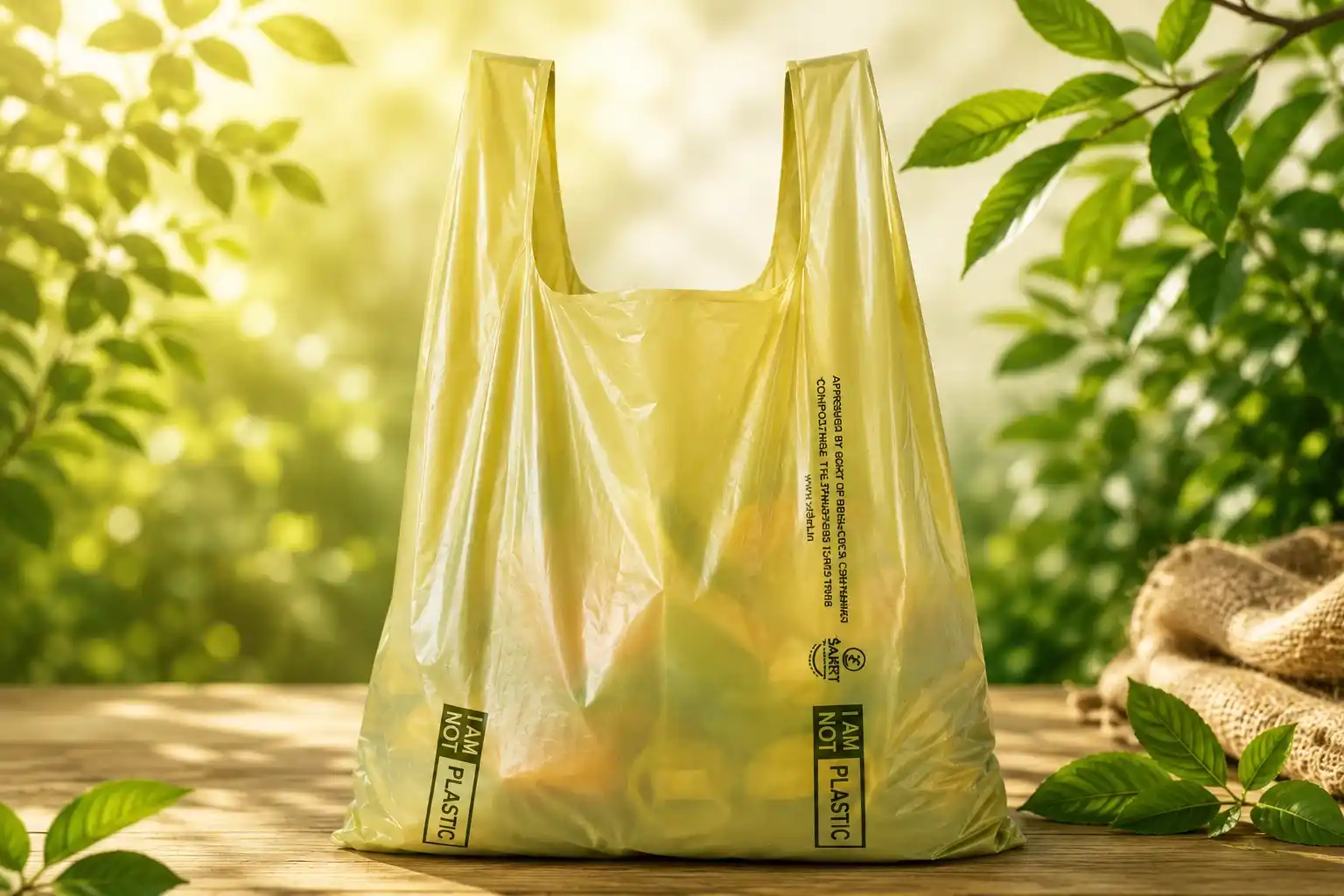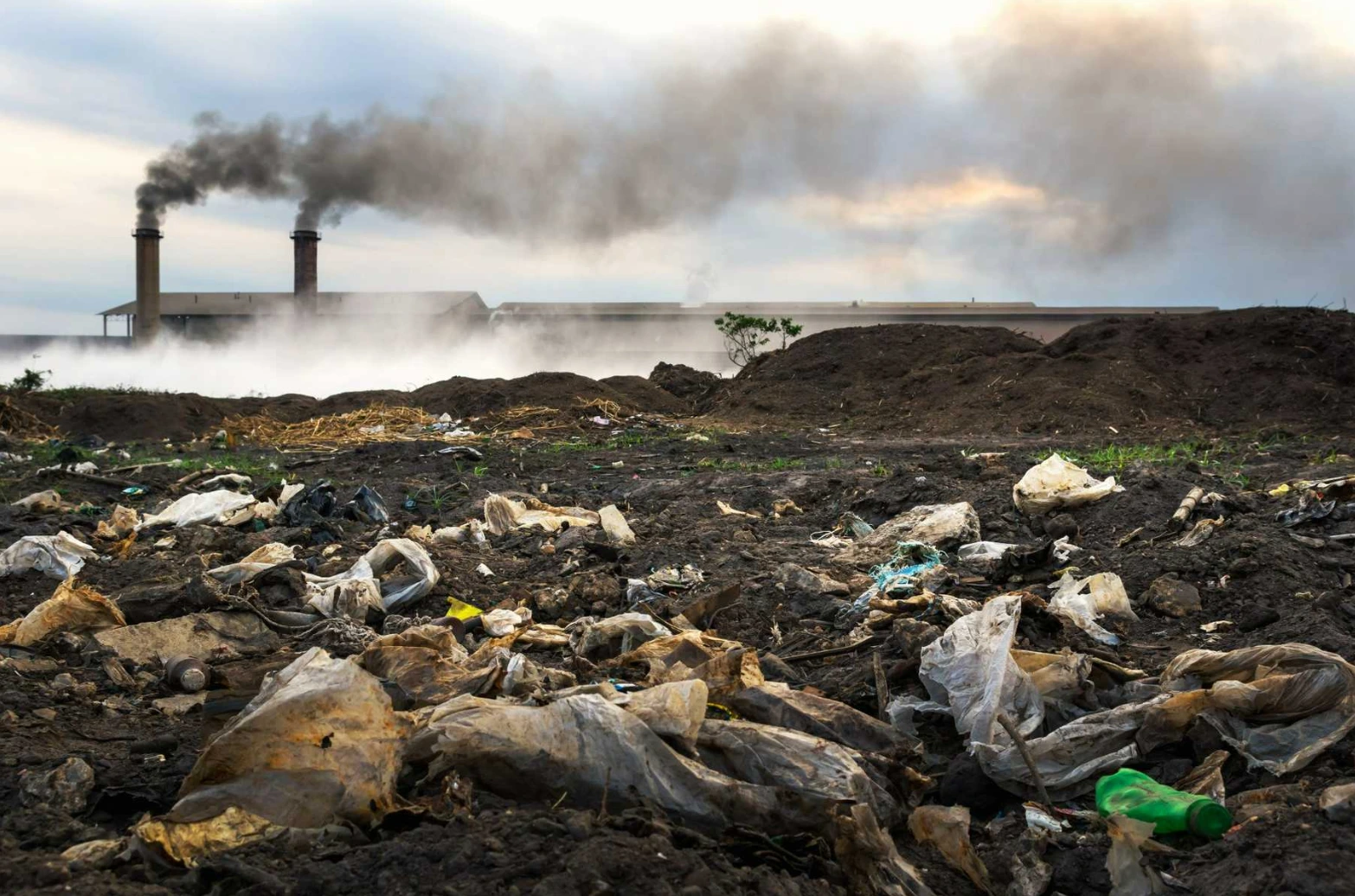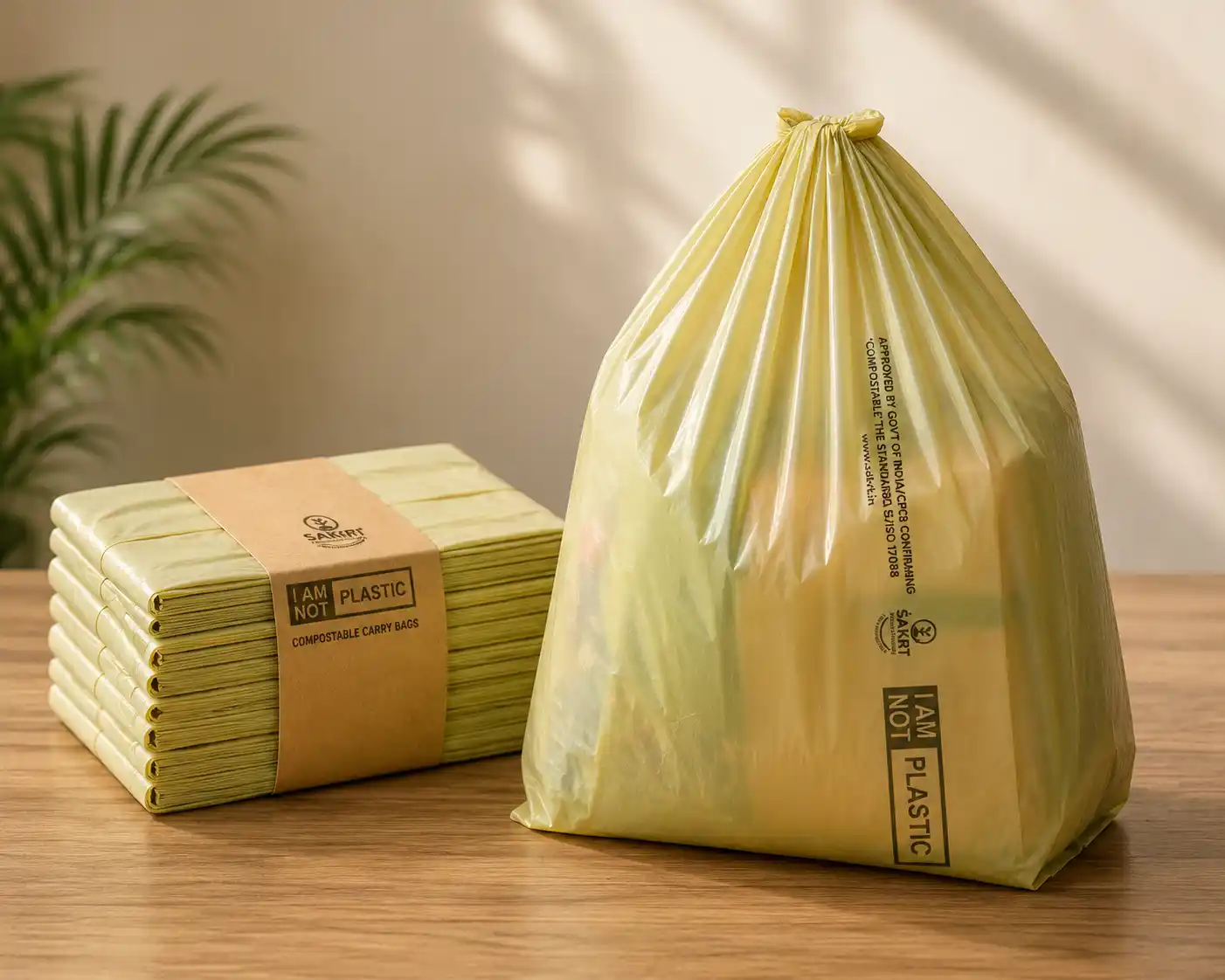

In a world where plastic pollution is filling our oceans and landfills are bursting with waste that doesn’t break down, small changes in how we live every day can make a big difference. Environmentally friendly bags picture carrying your grocery items in a bag that keeps your things safe while also helping the planet stay healthy. Eco-friendly bags have become a bright idea in the fight against environmental harm, giving us good alternatives to single-use plastics. As more people learn about how bad plastic is for animals and nature, more folks are choosing these green options. This blog looks at how eco friendly bags can help us move towards a future without plastic, showing their advantages, types, and how they fit into daily life. By using eco-friendly bags, we can leave a better environmental mark, making sure future generations have a cleaner planet to live on.
Switching from regular plastic to eco friendly bags is not just a fad it’s something we need to do. With many countries around the world putting rules in place to stop the use of plastic bags, there is growing need for alternatives like eco-friendly carry bags. Also, new ideas from eco bag makers are making these products easier to get and more affordable. In the sections that follow, we’ll go into detail about different aspects of eco-friendly bags, showing why they are a smart, thoughtful environmentally friendly bags.
What Is Driving the Rise of Eco-Friendly Bags in Today’s World?
Eco-friendly bags have become really popular in recent years because more people are worried about the environment. At first, these bags were considered special items, but now they are commonly found in supermarkets, clothing shops, and homes. This change is mainly because plastic bags are bad for the planet. They take a very long time to break down and can pollute the soil and water with harmful chemicals. On the other hand, eco-friendly bags are made from materials that either break down naturally or can be used over and over again.
More people are also starting to care about what they buy and how it’s made. They look for things that match their values, like being eco-friendly and supporting good production practices. Because of this, eco-bag makers all around the world are creating strong, long-lasting bags that are just as convenient as plastic ones. For example, jute bags made from natural fibers are both tough and stylish, and they don’t harm the environment. Many businesses now use these bags for their brand image, making them a great way to show support for green efforts.
But there are some challenges with switching to eco-friendly bags. They might cost a little more at first, but in the long run, they save money on waste and cleaning up pollution. By choosing eco-friendly bags, both people and companies help create a system where things are reused instead of thrown away.
Why Eco-Friendly Jute Bags Are Nature’s Best Alternative to Plastic
Environmentally friendly bags show how natural materials can work well instead of synthetic ones. Made from the jute plant, these bags break down easily and need very little water and pesticides to grow. Their strong texture makes them great for carrying heavy things, like shopping or garment bags, helping to keep clothes and groceries safe during transport. Also, eco-friendly jute bags help support biodiversity.
Growing jute helps local economies in places like India and Bangladesh, where factories make these bags using farming methods that are good for the environment. Unlike plastic bags, jute bags can be turned into compost at the end of their life, which helps the soil instead of hurting it. Words like “moreover” show how flexible these bags are; they can be printed with designs, making them useful for events or everyday use.
Can Eco-Friendly Tote Bags Be Both Stylish and Sustainable?
Eco friendly tote bags are now a popular choice for people who care about the environment and style. They are usually made from recycled materials like cotton or canvas, which makes them both good-looking and useful. Whether you’re going to the gym or visiting a farmers’ market, these bags offer plenty of room to carry your things without needing single-use plastic bags.
These bags can be used many times, which helps reduce waste a lot. One eco friendly tote bag can take the place of hundreds of plastic bags over time. Eco bag makers keep improving their designs by adding strong handles and water-resistant layers, making the bags last longer. Because of these qualities, eco friendly tote bags are not just helpful, but also show that you care about the Earth.
Are Eco-Friendly Tote Bags Where Style Meets Sustainability?
Eco friendly plastic bags may seem like a contradiction, but new technology has made them possible. These bags are usually made from materials like plant-based polymers or recycled plastic, and they break down more quickly than regular plastic bags. Some people still think they aren’t really good for the environment. In truth, eco friendly plastic bags are a helpful option for those who aren’t ready to stop using plastics completely.
They work well for things like trash bags or stretch wrap, where being flexible is important. When these bags are made in factories that follow strict rules, they help lower the amount of carbon emissions. Still, the main aim is to use less plastic overall, and eco friendly bags are helping lead the way towards that goal.
Eco Friendly Carry Bags: Versatile Solutions for Daily Needs
Eco-friendly carry bags come in many types, like paper-based ones or those made from biodegradable films. They are especially helpful in retail settings where shopping bags are given out often. Choosing these bags helps stores reduce their part in the plastic waste problem.
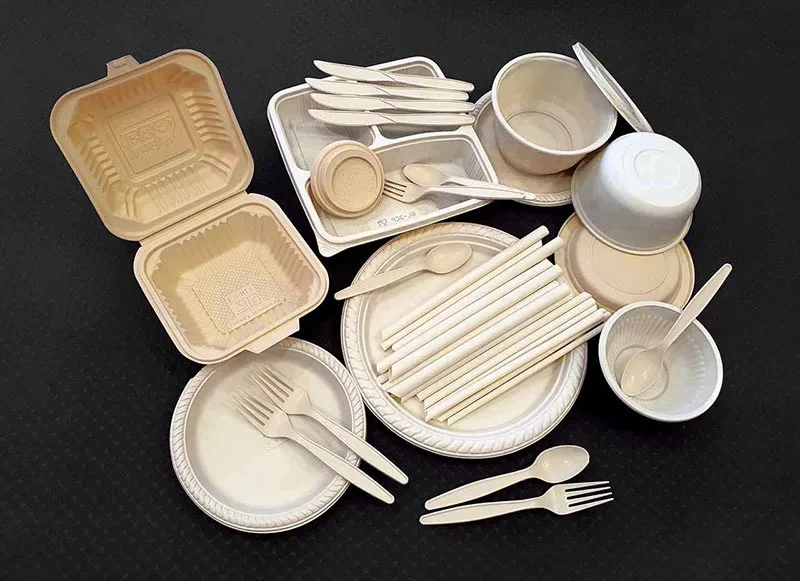
Also, eco-friendly carry bags work well with other sustainable items. For example, using them along with compostable plates or disposable bowls at events helps create a zero-waste setup. These bags are light but still strong enough to carry things like books or fruits.
How Can Eco-Friendly Bags Be Integrated with Other Green Products?
Eco-friendly bags aren’t just standalone solutions; they work well with other sustainable choices. Think about how they go together with things like clam shells used for packing food or garment bags that protect clothes. These combinations help make a bigger difference for the environment.
For example, using eco-friendly bags with stretch films made from recycled materials can make things run more smoothly in eco bag factories. Also, using biodegradable garbage bags helps stop methane gas from being released in landfills. When everyone switches to these kinds of products, it helps create a world with less plastic.
What Are the Challenges and Solutions in Adopting Eco-Friendly Bags?
While the benefits are obvious, there are still problems like limited availability and high cost that can stop people from using eco-friendly bags. But there are solutions coming up. Governments are giving rewards for using these bags, and factories are making more of them to bring down the price. Also, learning is very important. There are efforts to teach people about the differences between eco-friendly bags and regular plastic, helping them make better decisions. By dealing with these issues, it becomes easier to move towards a more sustainable future.
Conclusion
Eco-friendly bags are more than just a way to carry things; they show a promise for a future without plastic. From jute bags to tote bags, these options help cut down on waste, support local economies, and help keep nature healthy. When paired with items like carry bags, shopping bags, and compostable plates, their positive effect becomes even stronger. Even though there are some difficulties, the advantages are much bigger. By choosing eco-friendly bags today, we all take a step toward protecting the environment. Let’s use these bags and encourage others to be part of this helpful effort for a better, greener world.
SAKRT – A Brand of Envirly Innovations Pvt Ltd
Choose SAKRT’s Biodegradable Products
Join the sustainability revolution today!
Choose SAKRT’s biodegradable products for your home, business, or event and make waste disposal responsible.
FAQs
Eco-friendly bags are usually made from materials that are good for the environment, like jute, cotton, canvas, paper, bamboo fiber, recycled fabric, or bioplastics that can be broken down, such as PLA and materials made from cornstarch.
They use bags that can be reused or broken down naturally, instead of single-use plastic bags that take hundreds of years to break down. These bags help cut down on trash in landfills, stop plastic from going into the ocean, and reduce tiny plastic particles that pollute the environment.
Some items can break down on their own over time, which means they are biodegradable. Others can turn into natural things like soil when broken down in a compost pile, which means they are compostable. To know how to throw them away, always look at the labels on the products.
Some items can break down on their own over time, which means they are biodegradable. Others can turn into natural things like soil when broken down in a compost pile, which means they are compostable. To know how to throw them away, always look at the labels on the products.
Yes, especially when used many times. Even though making them uses resources, their long life helps reduce the environmental impact much more than single-use plastics.