Biodegradable products in India has increased a lot in the last ten years. As people become more aware of sustainability, cleanliness, and convenience, both individuals and companies are searching for smart, safe, and environmentally friendly options. Whether it’s for everyday home use, restaurants, events, or big industries, the correct disposable items make things easier without damaging the planet.
But India’s market has a lot of choices some are good, some are bad, and some are genuinely eco-friendly. This blog looks at the top disposable products available now, explains why eco-friendly brands are becoming important, and shows how these products are influencing the future of responsible consumption.

Best Disposable Products in India
Biodegradable Products Leading the Future of Disposable Use
Biodegradable products have changed how things are used and disposed of in India. These items are made from plant-based materials like cornstarch, sugarcane bagasse, and PLA, which break down naturally without creating harmful waste. They are now commonly used at home, in hotels, restaurants, and catering businesses.
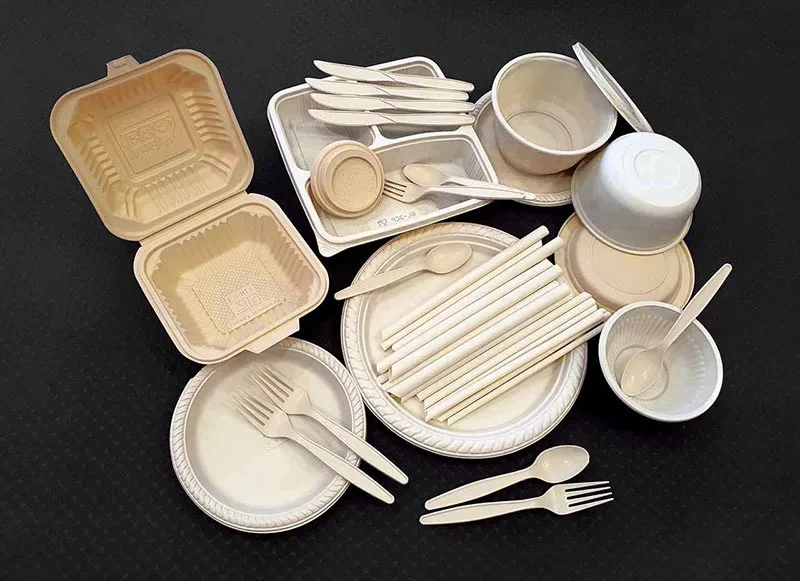
Compostable tableware, including disposable bowls, clam shells, and cutlery made from natural fibers, is just as strong as regular plastic. However, they safely break down in composting conditions.
These products are becoming more popular because they meet international sustainability standards and help India work toward reducing plastic waste.
Garbage Bags Becoming a Daily Essential for Every Household
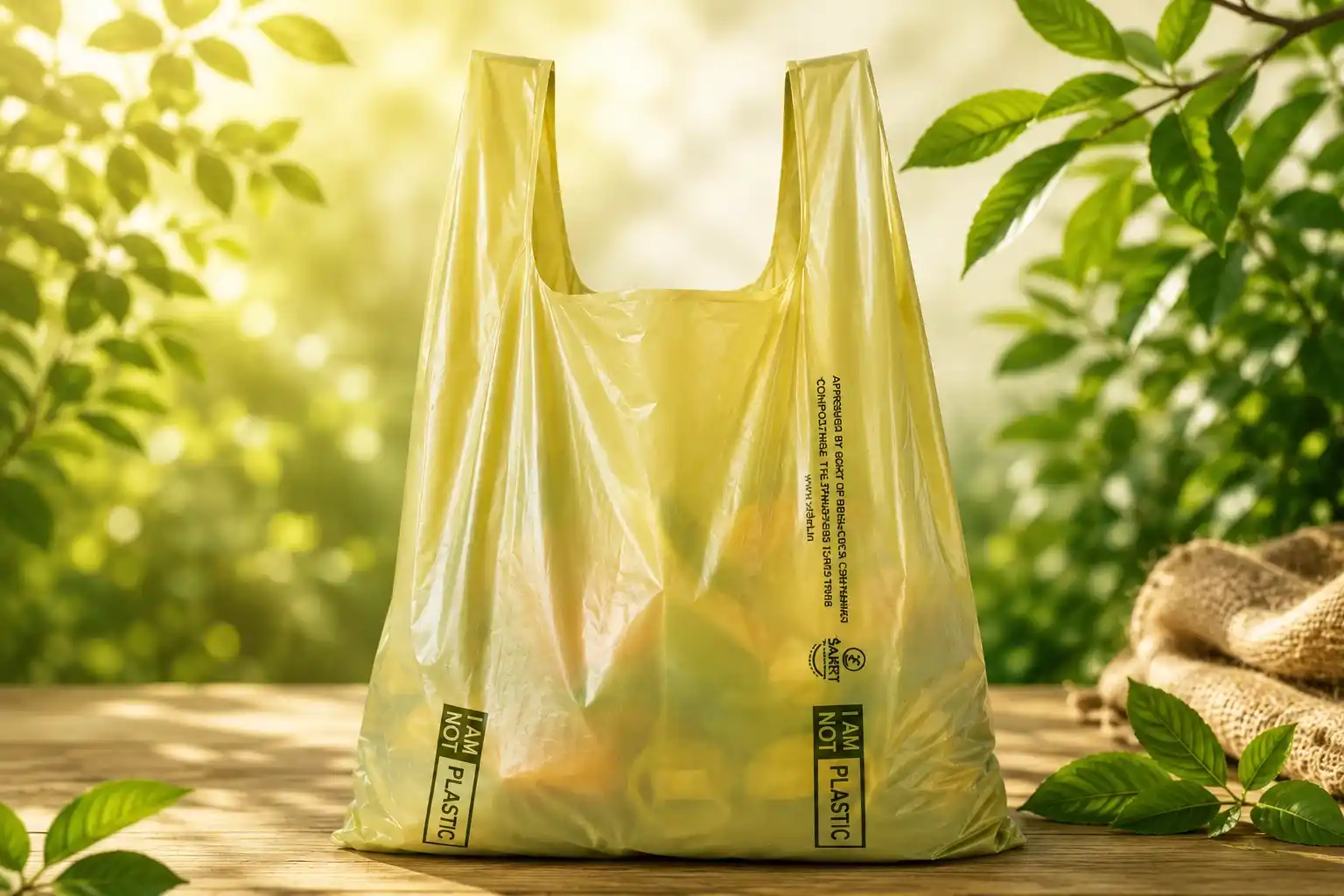
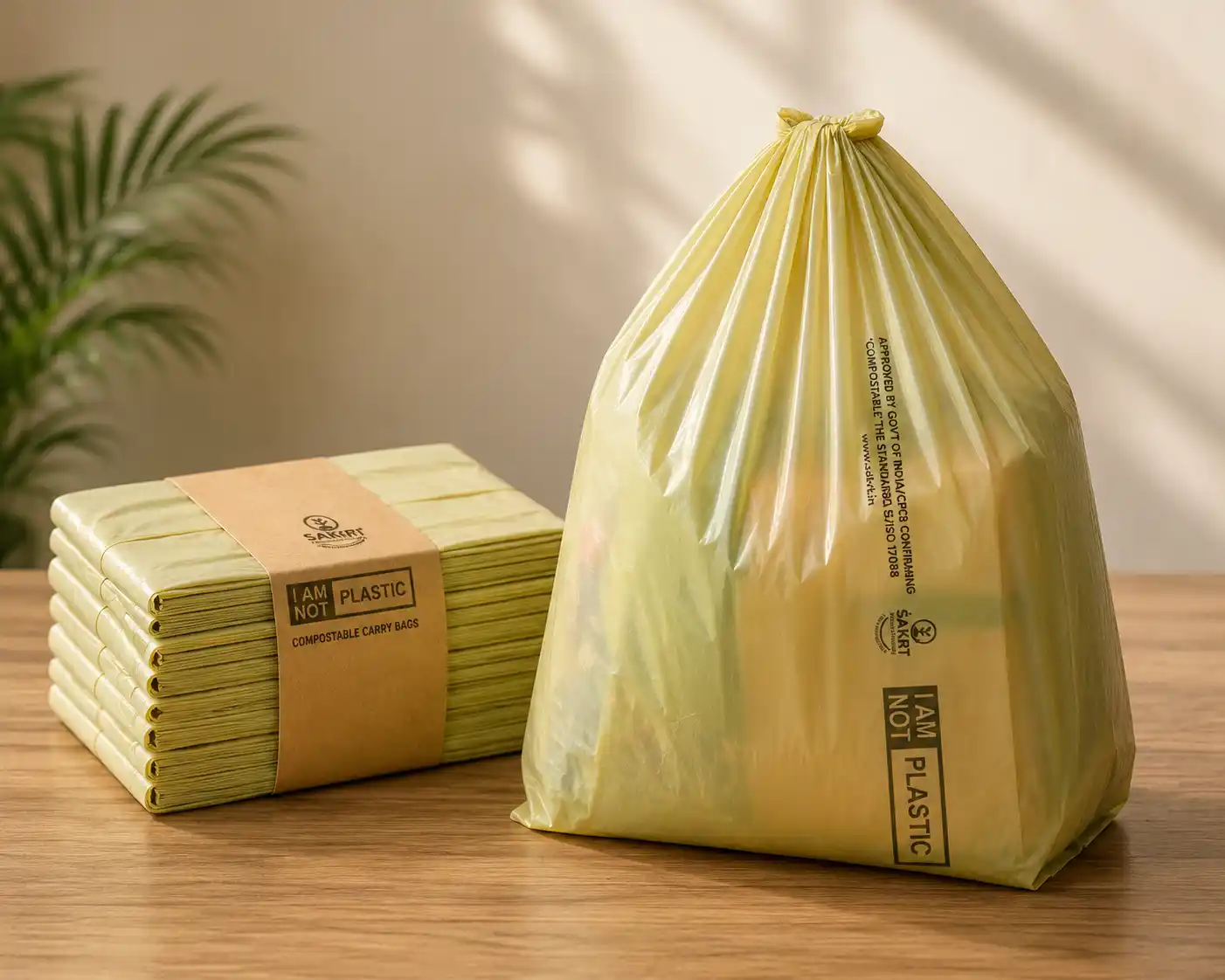
Garbage bags are among the most commonly used disposable items in everyday life. Although regular plastic bags are harmful to the environment, compostable garbage bags made from plant-based starch have become the go-to option. These bags are sturdy, watertight, and perfect for use in homes, businesses, healthcare facilities, and local governments. As India moves towards more sustainable waste management solutions, the demand for certified compostable garbage bags is growing quickly. They decompose much faster than traditional plastic bags, helping to lessen the strain on landfills and enhance the efficiency of waste handling systems.
Non Biodegradable Plastic Bags Still Found in Local Markets
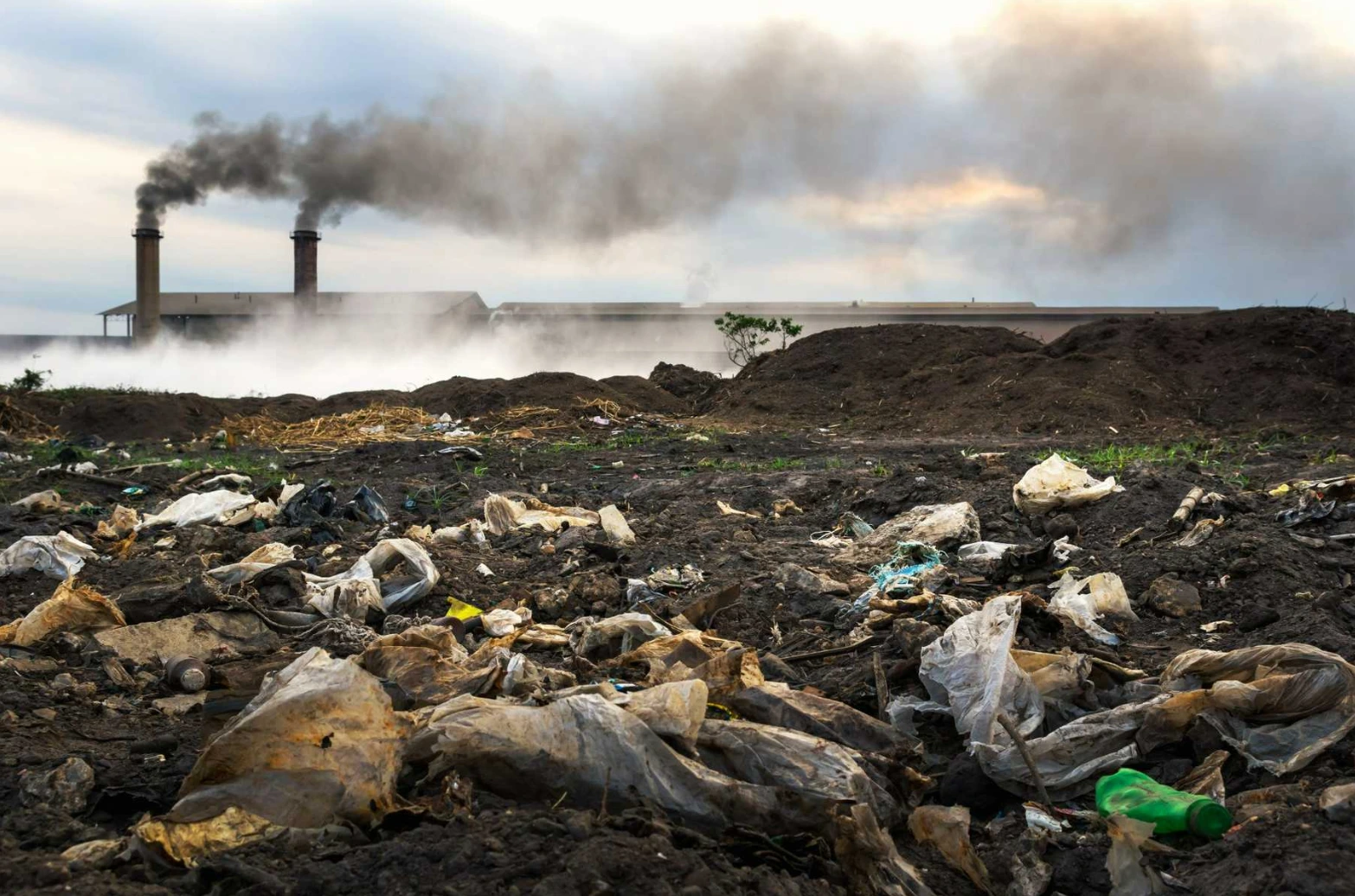
Non-biodegradable plastic bags are still common in local markets because they are cheap and easy to get. But they cause serious harm to the environment, can block drains, and make the soil worse for a long time. Even though many states have banned single-use plastics, these bags are still being used, especially in places that aren’t officially regulated. When buying disposable items, people should look for compostable or non-plastic bags that work just as well but don’t hurt the planet.
Eco Friendly Products Changing the Disposable Market in India
Eco-friendly products are quickly changing how people live and do business in India. From everyday carry bags and garment bags to food packaging and tableware, there’s a big move towards using greener materials than ever before. Compostable wrapping films, stretch films, and packaging pouches are not only strong and reliable but also help brands meet their sustainability targets. These environmentally friendly options help cut down on plastic waste and attract customers who care about the planet and choose responsible products.
Most Popular Types of Disposable Products in the Indian Market
Non Plastic Carry Bags Becoming the Smart Shopping Alternative
Non-plastic carry bags made from jute, cloth, paper, or compostable materials are becoming some of the most popular options for disposable products these days. These bags are durable, can be used multiple times, and naturally decompose over time. Many businesses are opting for them because they align with the country’s environmental and sustainability efforts.
These types of bags are now replacing traditional plastic bags in places like supermarkets, shopping malls, and retail stores. They also offer great opportunities for branding, making them both practical and eco-friendly.
Biodegradable Products as the Preferred Food Packaging Option
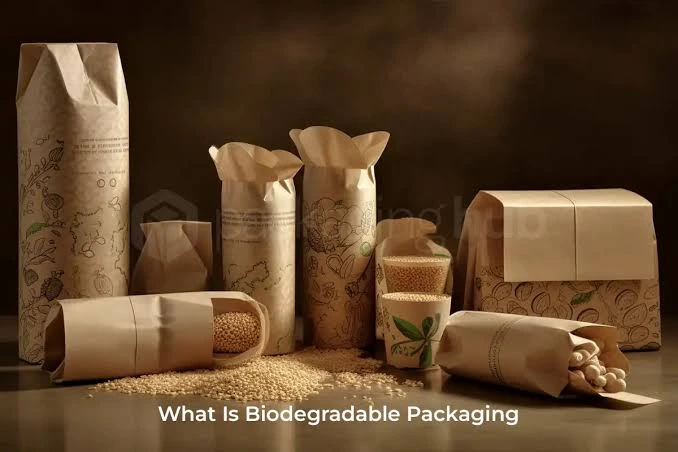
Biodegradable products used in food packaging, such as clam shell boxes, compostable bowls, and containers, have become increasingly popular. They help maintain the freshness of food while also reducing the amount of plastic waste. As food delivery services continue to expand, India requires a significant amount of disposable packaging daily. Companies that opt for biodegradable alternatives are contributing to environmental conservation and appealing to customers who are mindful of their impact on the planet.
Garbage Bags Supporting Waste Segregation Across India
Garbage bags are now an important part of keeping waste organized correctly. Compostable garbage bags are available in small, medium, and large sizes, making them perfect for use in homes, businesses, and municipal waste initiatives. Choosing biodegradable garbage bags supports a more environmentally friendly waste collection process.
Why India Should Shift to Eco Friendly Disposable Products
Eco Friendly Products Improving Public Health and Environment
Eco-friendly products are better for people, animals, and the environment. They don’t release harmful chemicals, which makes them safe for use in food packaging and around the home.
These products also help cut down on pollution, safeguard marine life, and support India’s efforts to create a cleaner, more sustainable future. With more people realizing the importance of taking care of the planet, the need for safer and more environmentally friendly disposable items is growing steadily.
Non Biodegradable Plastic Bags Posing Environmental Risks
Non-biodegradable plastic bags are still one of the major dangers to India’s environment. They block water sources, dirty the soil, and can take hundreds of years to break down. Switching to compostable and recyclable materials is vital to cut down on lasting harm. Using compostable carry bags, wrapping films, garment bags, and tableware is a smart and effective way to replace harmful plastics.
Conclusion
The market for disposable items in India is growing quickly and becoming more smart and eco-friendly. More people and businesses are choosing sustainable options, which is making products like compostable plates, wrapping films, garbage bags, and non-plastic carry bags very popular in different industries. These items are strong, easy to use, and safe, and they help reduce environmental pollution over time. From compostable tableware to biodegradable bags, India is heading towards a future where disposable products help protect the environment instead of harming it. By using eco-friendly choices, individuals and organizations can make a real difference in making the world cleaner and more sustainable.
SAKRT – A Brand of Envirly Innovations Pvt Ltd
Choose SAKRT’s Biodegradable Products
Join the sustainability revolution today!
Choose SAKRT’s biodegradable products for your home, business, or event and make waste disposal responsible.
FAQs
A biodegradable manufacturing process usually begins with sourcing renewable raw materials such as corn or sugarcane. These materials are fermented to create a base ingredient like lactic acid, which is then polymerized to form a biodegradable plastic. The resulting polymer is blended with specific additives, melted, and shaped into final products such as films, bags, or other items using techniques like extrusion and film blowing.
Estimates for India’s biodegradable products market in 2024–2025 vary across industry reports, placing the value between $2.06 billion and $3.09 billion for segments like packaging and tableware, and around $5.6 billion for the wider biodegradable plastics market. The sector is poised for strong growth, fueled by rising consumer awareness about sustainability, stricter government regulations on single-use plastics, and continuous improvements in product durability and cost-efficiency.
Estimates for India’s biodegradable products market in 2024–2025 vary across industry reports, placing the value between $2.06 billion and $3.09 billion for segments like packaging and tableware, and around $5.6 billion for the wider biodegradable plastics market. The sector is poised for strong growth, fueled by rising consumer awareness about sustainability, stricter government regulations on single-use plastics, and continuous improvements in product durability and cost-efficiency.
The global demand for biodegradable products is rising quickly, fueled by heightened environmental awareness, stricter regulations on single-use plastics, and a growing shift toward sustainable consumer choices. The biodegradable plastics market—estimated at USD 13–16 billion in 2024–2025—is projected to surge to USD 80–100 billion by 2034, with some forecasts indicating a CAGR of over 20%.
Paper bags are mainly made from wood pulp fibers, which are processed into different types of paper depending on the bag’s purpose and strength requirements. Common materials used in paper bags include:
1. Kraft Paper:
The most widely used material, valued for its high tensile strength, durability, and tear resistance. Kraft paper comes in natural brown (unbleached) or bleached white and is commonly used for grocery, retail, and industrial bags.
2. Recycled Paper:
Produced from post-consumer or industrial waste, this eco-friendly option reduces the need for virgin wood pulp. It typically has a slightly coarse texture and a grayish tone.
3. White Cardboard/Paperboard:
A thicker, more rigid paper made from bleached chemical pulp. It is often used for premium shopping bags such as those for cosmetics, jewelry, or gifts—because it supports high-quality printing and offers a refined appearance.
4. Coated Paper:
Paper treated with clay or polymer coatings to improve smoothness, print clarity, and resistance to moisture or handling. It’s commonly used for branded promotional bags with matte or glossy finishes, though certain coatings can reduce recyclability.