Modern agriculture faces a double-edged challenge: the urgent need to increase crop yields while protecting depleted soil systems. For decades, traditional plastic mulch films have helped farmers conserve water and suppress weeds. However, they have left behind a devastating legacy toxic microplastics, degraded soil quality, and labor-intensive post-harvest cleanup.
Compostable mulch films offer a game-changing solution. Designed to deliver all the protective benefits of conventional plastic without the environmental burden, these soil-biodegradable films represent the next evolution in eco-friendly farming.
What Are Mulch Films and How Do They Work?
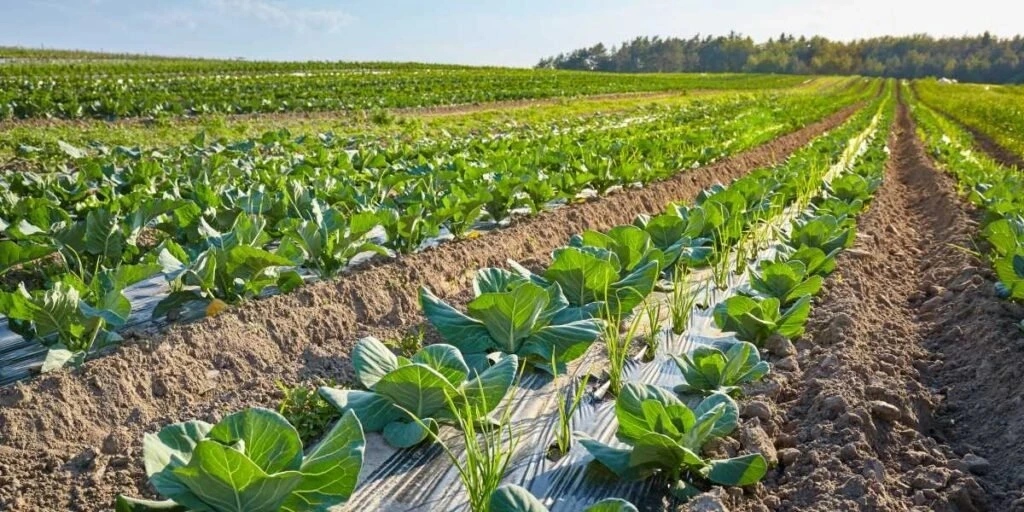
Mulch films are protective layers applied directly to the soil surface around crops. They create a favorable microclimate by regulating soil temperature, retaining moisture, and blocking sunlight to prevent weed growth.
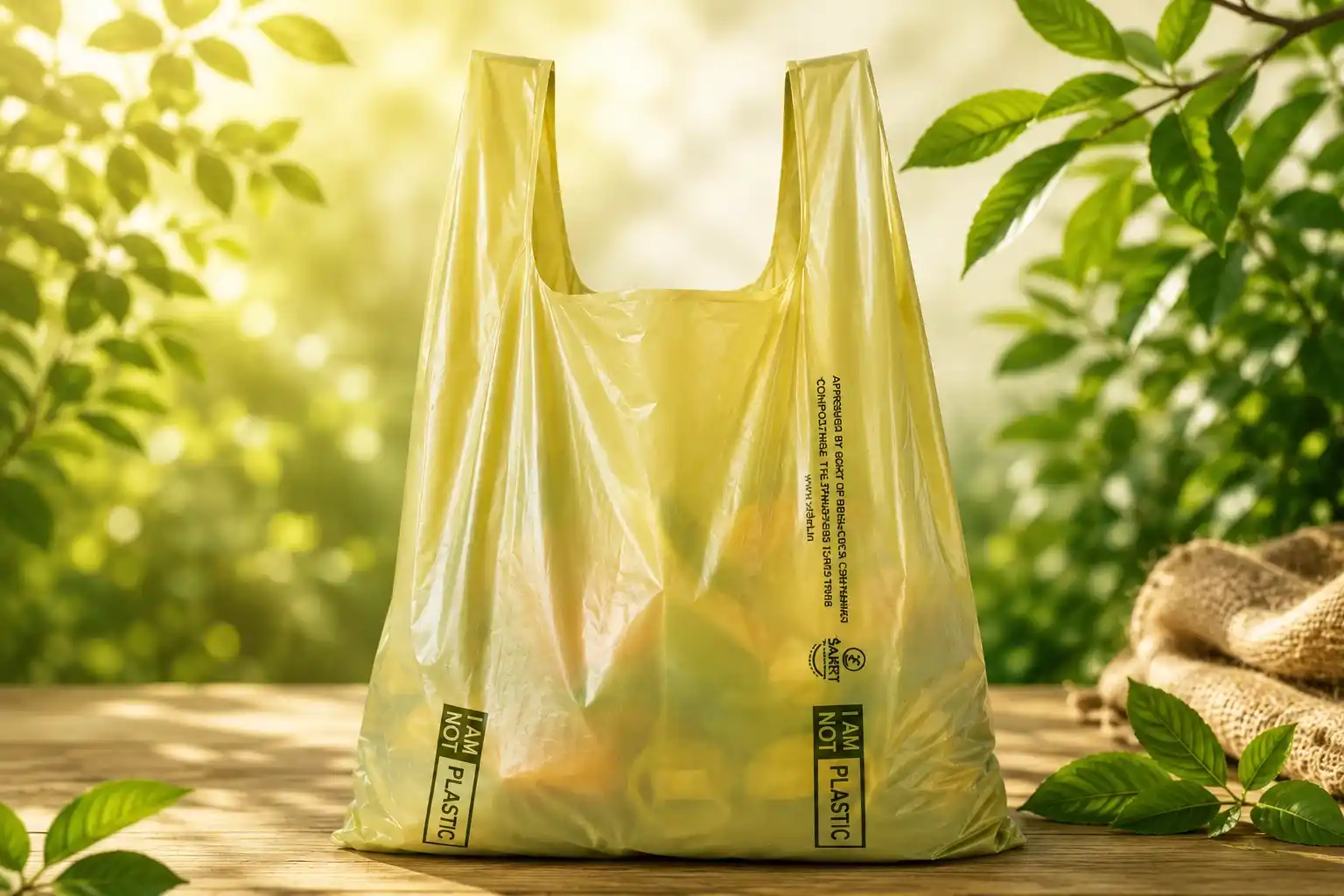
While traditional agricultural films are made from Non-biodegradable Polyethylene (PE), modern compostable mulch films are engineered from bio-based polymers. Once their operational lifespan ends, these bio-films naturally break down into water, carbon dioxide, and organic biomass through the action of naturally occurring soil microorganisms.
Traditional Plastic vs. Compostable Mulch Films
When comparing traditional plastic mulch to compostable bio-mulch films, the differences in environmental impact and farm labor are stark. Traditional films are manufactured from synthetic petroleum, whereas compostable films utilize plant-based bio-polymers.
After harvest, conventional polyethylene requires labor-intensive removal and is typically disposed of in landfills or by burning. In contrast, compostable films eliminate this costly step entirely; they are 100% soil-biodegradable and can be plowed directly back into the earth.
Crucially, while traditional plastics leach chemicals and leave harmful microplastic residues that degrade soil health over time, compostable alternatives boast zero ecotoxicity and actually enrich the soil biomass as they decompose naturally.
Key Benefits of Switching to Compostable Mulch Films
1. Superior Water Conservation
Water scarcity is one of the biggest threats to modern agriculture. Compostable mulch films significantly reduce soil moisture evaporation, allowing farmers to reduce irrigation frequency by up to 30% to 40%. This ensures roots retain moisture even during hot dry spells.
2. Natural Weed Suppression Without Chemicals
Weeds compete aggressively with crops for nutrients, sunlight, and space. By blocking photosynthetically active radiation (PAR), dark-colored compostable films suppress weed germination naturally, eliminating or minimizing the need for harmful chemical herbicides.
3. Accelerated Crop Growth and Early Harvest
Mulch films stabilize root zone temperatures. By keeping the soil warm during cool nights and maintaining optimum root microclimates, crops mature faster allowing farmers to harvest earlier and capture premium market prices.
4. Zero Removal and Disposal Costs
Removing conventional plastic film at the end of a season is expensive, tedious, and often damages soil structure. Compostable mulch films eliminate post-harvest retrieval costs entirely. Farmers can simply till the film directly into the soil after harvest, where it safely decomposes.
The Environmental Impact: Protecting Indian Soil Health
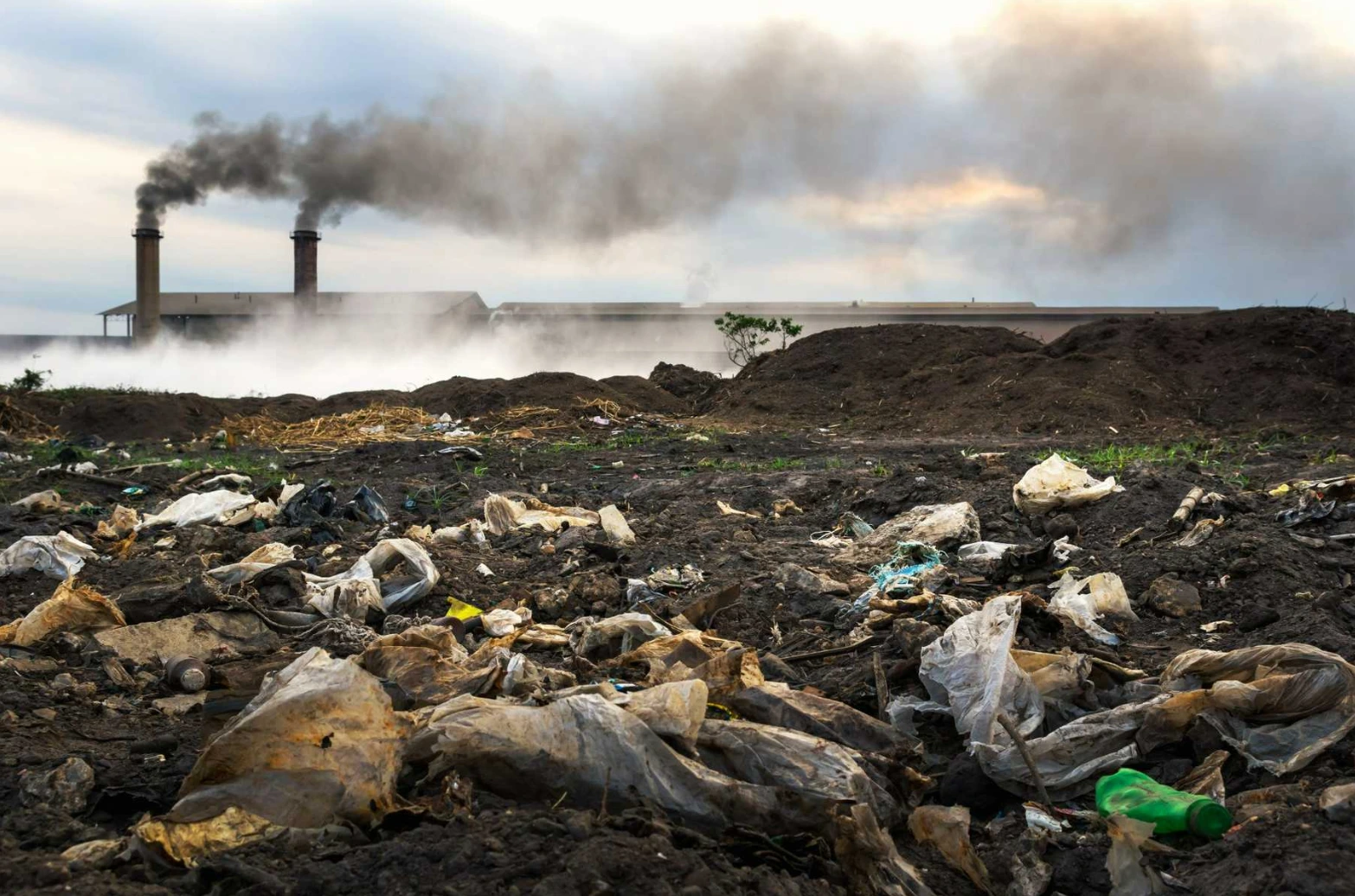
The widespread use of thin polyethylene films in farming has led to a condition known as “white pollution” the clogging of soil layers with synthetic plastic fragments. These microplastics impede root growth, disrupt water infiltration, and degrade beneficial microbial populations.
Switching to certified biodegradable mulch films helps restore long-term fertility:
- Eliminates Soil Toxins: Free from phthalates and heavy plasticizers.
- Supports Soil Microbiome: Fungi and bacteria feed on the organic polymer chains, leaving zero synthetic residue.
- Reduces Carbon Footprint: Derived from renewable resources, reducing dependence on fossil fuels.
Recommended Applications for Compostable Agricultural Films
Compostable mulch films are versatile and can be tailored for various crop lifecycles (ranging from 3 months to 12 months):
- Horticulture & Vegetables: Tomatoes, peppers, strawberries, cucumbers, and melons.
- Cash Crops: Cotton, sugarcane, and maize.
- Orchards & Nurseries: Sapling protection and bed preparation.
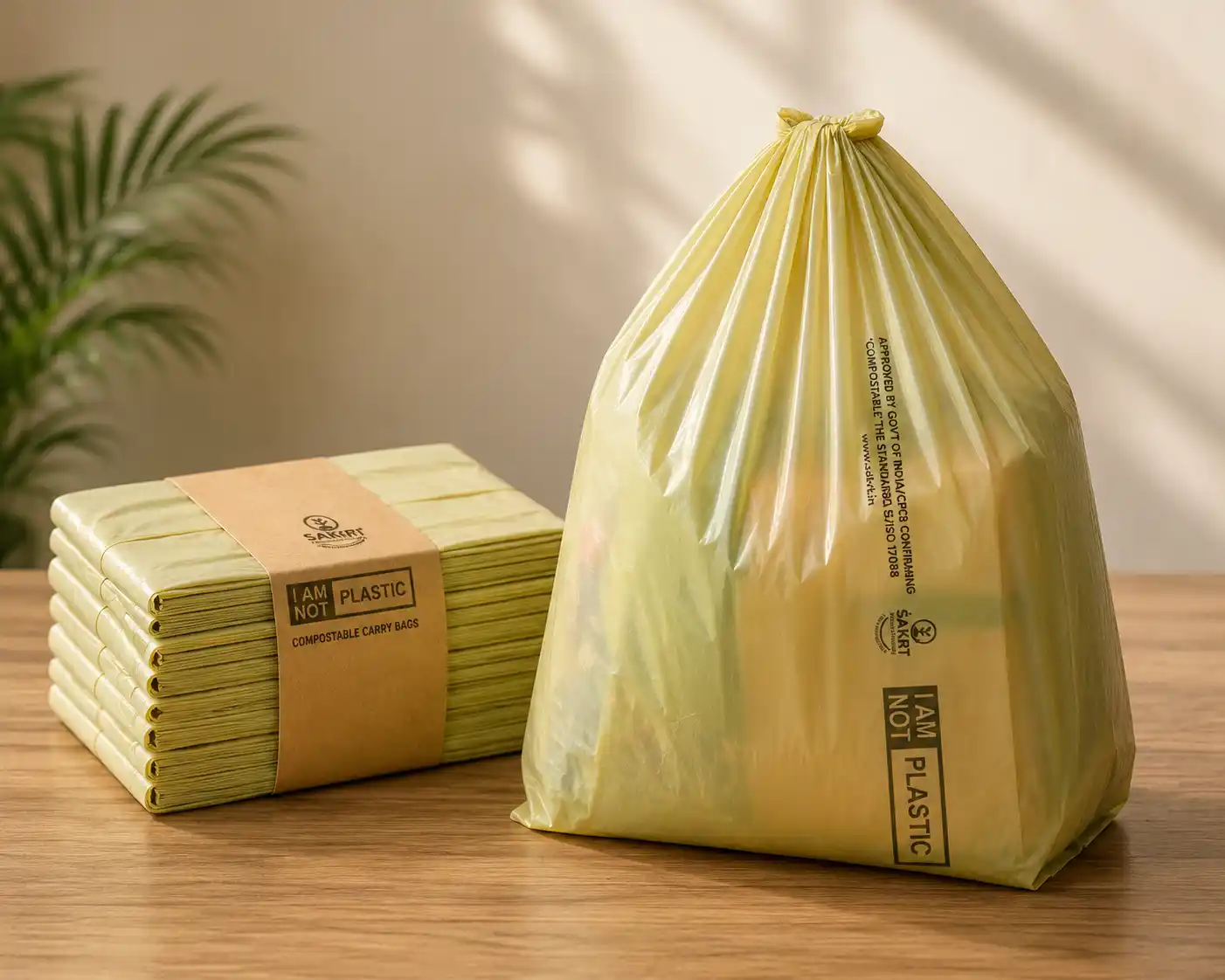
SAKRT – A Brand of Envirly Innovations Pvt Ltd
Choose SAKRT’s Biodegradable Products
Join the sustainability revolution today!
Choose SAKRT’s biodegradable products for your home, business, or event and make waste disposal responsible.