Whether you run a bakery, cloud kitchen, supermarket, or household kitchen, preserving food freshness is a top priority. For decades, traditional plastic stretch wraps were the go-to solution. However, growing awareness around chemical leaching and plastic pollution has changed what buyers look for in the best fresh cling film.
Today, the “best” cling film isn’t just one that stretches; it must keep food fresh without transferring toxic phthalates, releasing microplastics, or harming the environment.
What Makes the Best Fresh Cling Film?
Not all food wrapping films are created equal. When evaluating cling wrap for commercial or home use, look for these four non-negotiable qualities
1. 100% Food Safety & Non-Toxic Composition
Conventional cling wraps made from Polyvinyl Chloride (PVC) often contain chemical plasticizers and phthalates that can leach into oily or hot foods. The best fresh cling film is 100% food-grade, plasticizer-free, and non-toxic, preserving the natural flavor and aroma of food without chemical contamination.
2. Exceptional Cling & Self-Sealing Elasticity
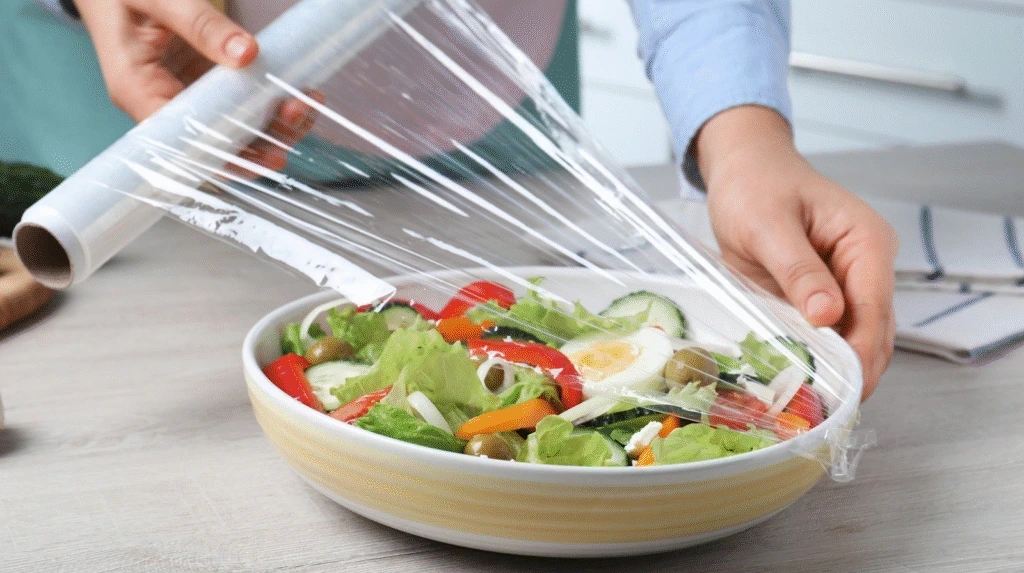
A high-performance cling film must create a tight, airtight seal over glass bowls, stainless steel trays, fruits, and vegetables. Strong cling strength prevents air exposure, locks in moisture, and significantly extends food shelf life.
3. Breathability and Anti-Fog Clarity
When wrapping fresh fruits, vegetables, or warm bakery goods, condensation can lead to premature spoilage. Quality food wrapping films offer balanced breathability and anti-fog transparency so food stays fresh and remains visually appealing on display shelves.
4. Certified Compostability & Zero Microplastics
With governments enforcing strict bans on single-use plastics, modern food businesses are shifting to plant-based alternatives. A certified compostable film breaks down naturally into organic biomass within 180 days, leaving zero microplastic residues behind.
Traditional PVC Plastic Wrap vs. SAKRT Compostable Cling Film
The Risks of Traditional PVC Plastic Wrap
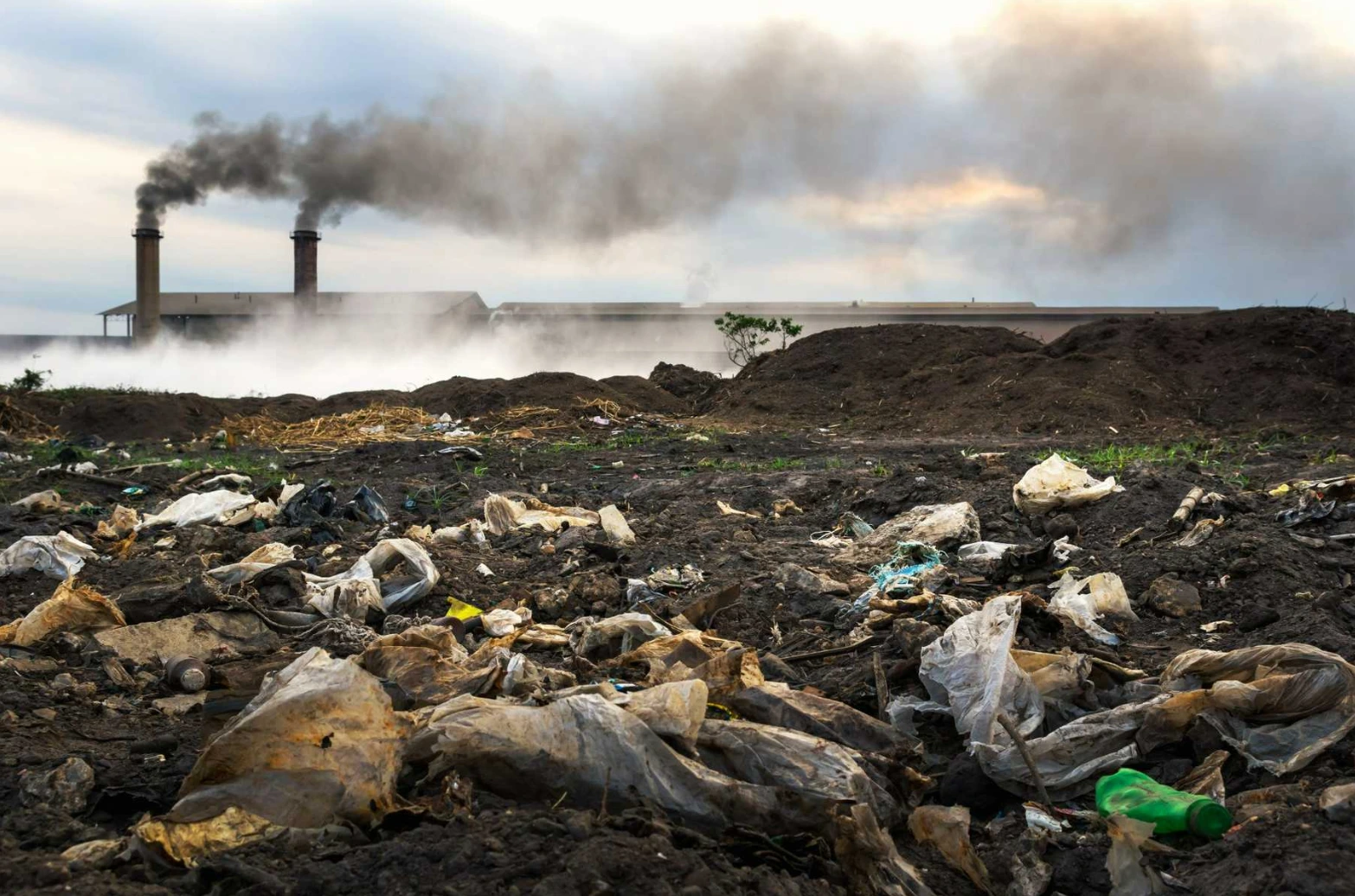
Conventional cling films are manufactured using petroleum-based materials like Polyvinyl Chloride (PVC) and Polyethylene (PE). To make these hard plastics stretch, manufacturers often add chemical plasticizers, including phthalates and BPA, which can leach directly into your food especially when covering hot, acidic, or oily dishes.
Beyond the immediate health risks, traditional plastic wrap is an environmental disaster. It takes over 400 years to break down in landfills, eventually fragmenting into toxic microplastics that permanently contaminate soil and water systems. Because of these severe ecological impacts, conventional plastic wraps are increasingly subject to strict government bans across India.
The SAKRT Compostable Cling Film Advantage
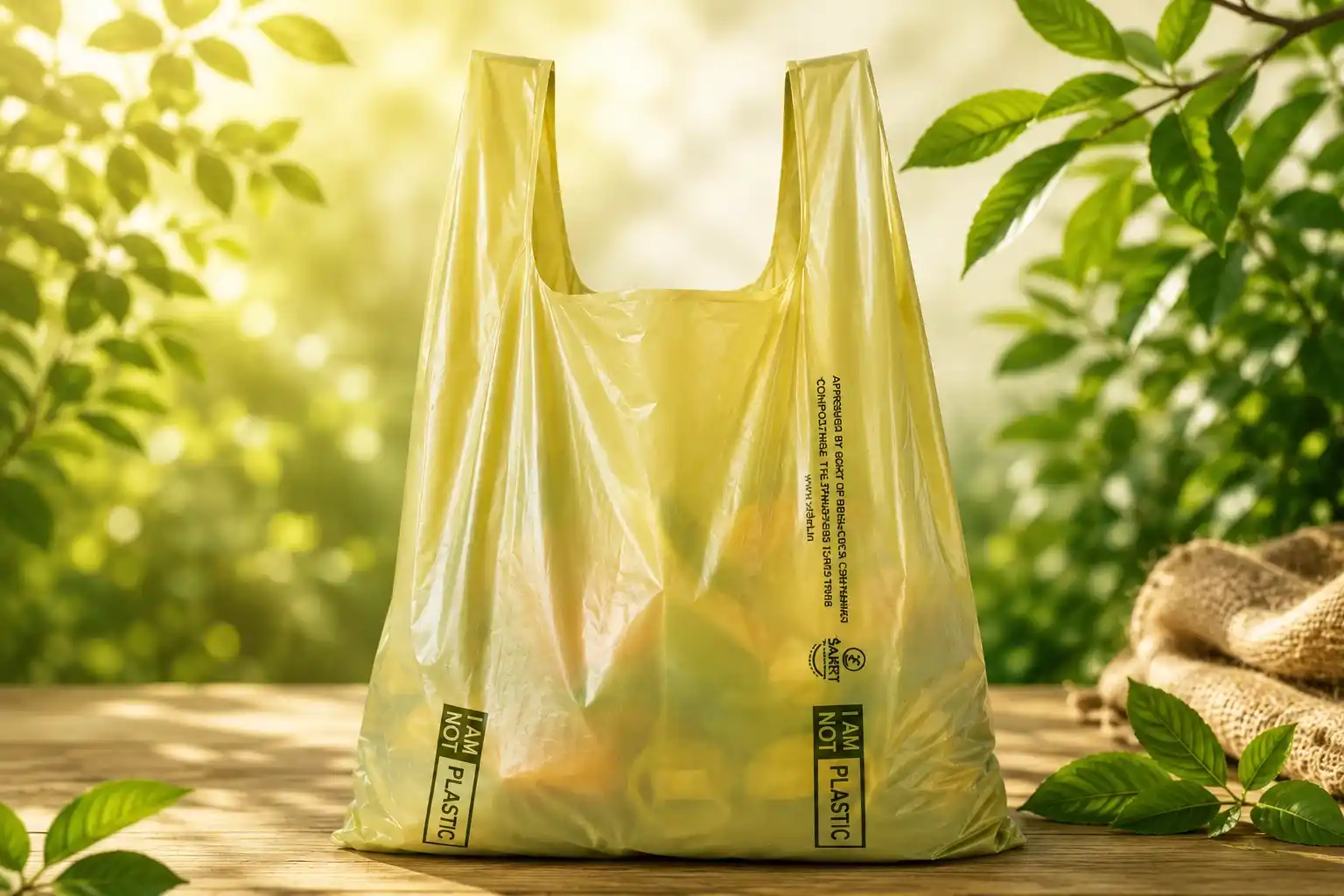
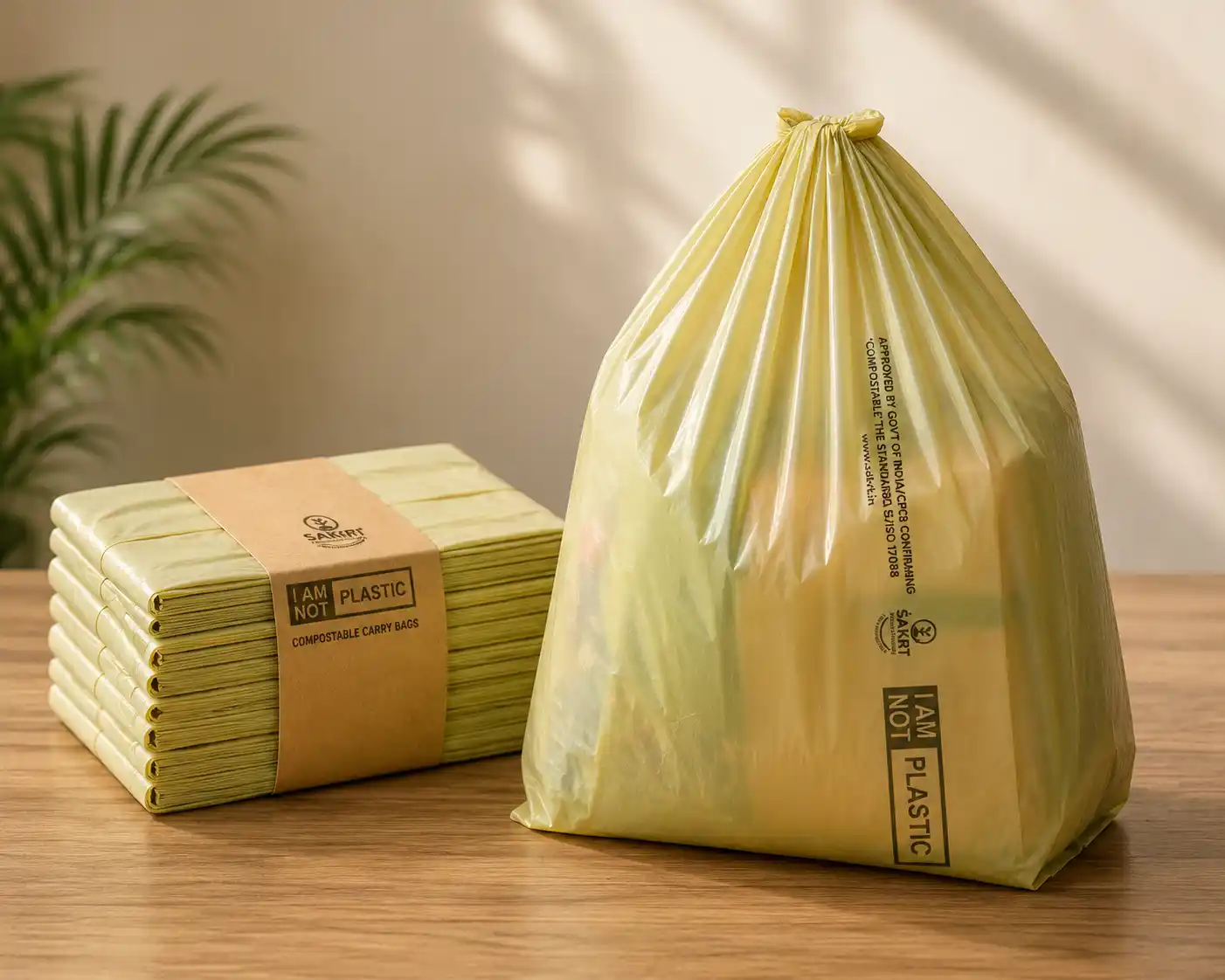
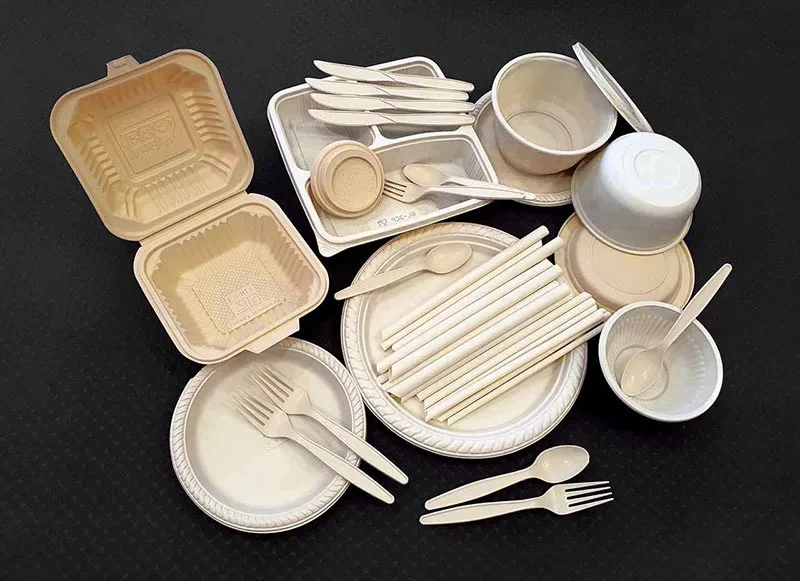
In contrast, SAKRT’s fresh cling film is crafted entirely from renewable, plant-based materials like corn starch and compostable polymers (PLA). This makes it 100% food-contact safe and completely free from harmful chemicals or artificial plasticizers, ensuring your food retains its pure taste without any risk of contamination. More importantly, SAKRT’s cling film is designed to return to the earth.
When disposed of in a composting environment, it fully decomposes into nutrient-rich organic matter within just 180 days, leaving absolutely zero microplastics behind. Backed by full CPCB certification, it provides businesses and households with a legally compliant, eco-friendly packaging solution that never compromises on stretch, seal, or performance.
Applications Across the Food Industry
SAKRT’s compostable cling wrap is engineered to match the stretch and cling performance of traditional films across various applications:
- Restaurants & Cloud Kitchens: Cover prepped ingredients, sauces, and dough to maintain freshness between meal prep.
- Bakeries & Confectioneries: Protect cakes, bread, and pastries from drying out without trapping excess moisture.
- Supermarkets & Retail Displays: Wrap fresh produce, cut fruits, and cheese platters for clean visual display.
- Home Kitchens: Safely store leftovers in the refrigerator without odors mixing.
Upgrade to India's Best Fresh Cling Film with SAKRT
At SAKRT, based in Mangaluru, we manufacture 100% compostable and biodegradable cling films engineered specifically for sustainable food packaging. Certified by the Central Pollution Control Board (CPCB), our fresh cling films deliver superior elasticity, airtight sealing, and complete peace of mind.
Make the switch today to protect your food, comply with environmental standards, and showcase your commitment to sustainability.
SAKRT – A Brand of Envirly Innovations Pvt Ltd
Choose SAKRT’s Biodegradable Products
Join the sustainability revolution today!
Choose SAKRT’s biodegradable products for your home, business, or event and make waste disposal responsible.
FAQs
- What are compostable films made of?
Compostable films are usually made from plant-based materials like corn starch, PLA (polylactic acid), or other renewable resources. - Are compostable films safe for food packaging?
Yes, compostable films are certified food-safe, making them suitable for wrapping fresh produce, bakery items, and takeaway meals. - How long does it take for compostable films to decompose?
Depending on conditions, compostable films can fully break down within 90–180 days in industrial composting facilities. - Can compostable films replace all plastic wraps in restaurants?
Yes, compostable films, along with other eco-friendly options like compostable clam shells and heat shrink films, are effective substitutes for most plastic packaging needs. - Where can businesses buy compostable packaging films?
Reliable suppliers like sakrt.in offer a wide range of compostable packaging products suitable for the food industry.