As global environmental regulations tighten and corporate sustainability mandates become standard, businesses across logistics, food service, and retail face a pivotal shift: replacing conventional single-use plastics.
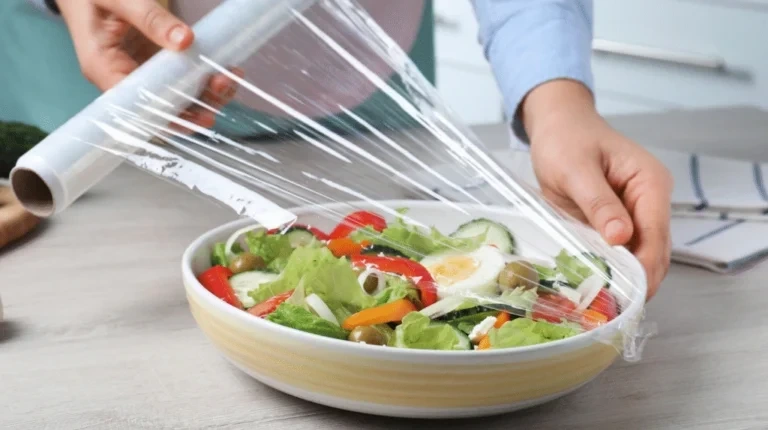
While traditional plastic wrap offers convenience, its environmental cost taking centuries to degrade in landfills is no longer viable for forward-thinking brands. Compostable wrapping film offers a durable, high-performing, and fully eco-friendly alternative that helps commercial enterprises meet strict environmental goals without compromising operational efficiency.
Why Modern Businesses Are Switching to Compostable Wrapping Film
Transitioning to eco-friendly packaging is no longer just a marketing strategy; it is a core business requirement. Replacing traditional plastic stretch wrap and cling film with a certified compostable product yields immediate operational and strategic advantages.
1. Meeting ESG Commitments and Consumer Demand
Environmental, Social, and Governance (ESG) frameworks now drive corporate purchasing decisions. Modern B2B buyers and end-consumers actively seek suppliers that demonstrate real carbon-reduction efforts. Implementing bio-based wrapping films provides verifiable evidence of eco-conscious operations.
2. Reducing Plastic Tax and Regulatory Friction
Governments worldwide are increasing restrictions and imposing fees on single-use non-recycled plastics. Adopting compostable stretch wrap ensures compliance with emerging packaging laws, helping your business avoid regulatory penalties and future-proofing your supply chain.
3. Enhancing Brand Loyalty and Corporate Reputation
Clear, sustainable choices strengthen brand equity. Displaying recognized eco-certifications on your outer packaging directly signals quality and care to retail partners and end customers.
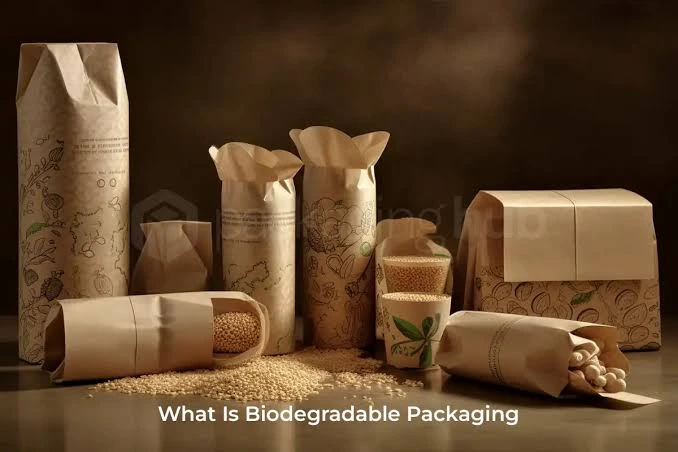
Compostable vs. Biodegradable: Understanding the Difference
In the sustainable packaging industry, terms are often misused. Understanding the technical distinction is vital when choosing the right materials for your enterprise:
- Breakdown Timeline
Biodegradable products may take several years or even decades to break down, depending on their material and environmental conditions. In contrast, certified compostable wrapping film is designed to break down within approximately 90–180 days in a controlled composting environment, making it a more predictable and environmentally responsible option.
Residue
Some products labeled as biodegradable may leave behind chemical residues or microplastics after degradation, depending on their composition. Certified compostable wrapping film, when properly composted, is designed to break down into water, carbon dioxide (CO₂), and nutrient-rich organic matter, leaving no harmful plastic residue.
Testing Standard
Biodegradable products do not always follow a uniform global standard, making it difficult to verify how and under what conditions they will degrade. Certified compostable wrapping films are tested against recognized standards such as EN 13432 or ASTM D6400, providing greater confidence in their compostability and environmental performance.
Key Takeaway
When choosing sustainable packaging, certified compostable wrapping film is generally a more reliable choice than products simply labeled “biodegradable,” especially when verified certifications such as EN 13432 or ASTM D6400 are available.
Core Commercial Applications
Compostable wrapping films are engineered to match or exceed the structural integrity of conventional polyethylene (PE) and polyvinyl chloride (PVC) films across multiple industries:
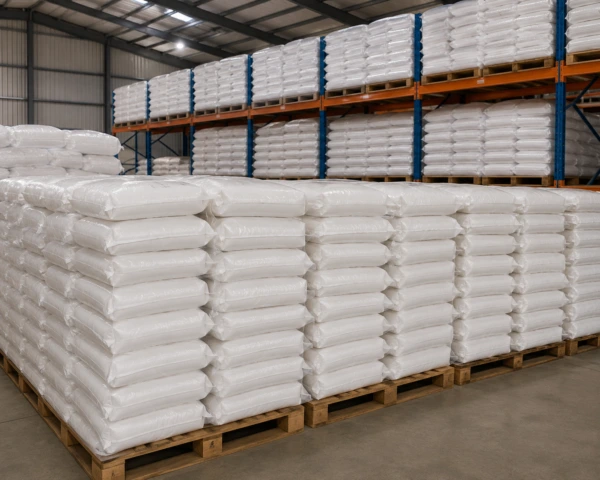
Pallet Stretch Wrap & Logistics
- resistance and stretch capacity.
- Cling Quality: Provides self-adhering properties without leaving sticky adhesives on products or machinery.
Food Packaging & Fresh Produce Cling Film
- Breathability: Maintains optimal oxygen and moisture exchange to extend fruit, vegetable, and bakery shelf life.
- Food Contact Approved: Free from harmful plasticizers, BPA, and phthalates.
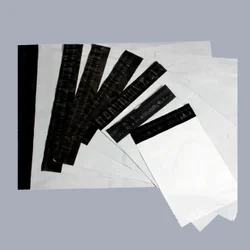
E-Commerce & Secondary Retail Protection
- Bundling & Security: Ideal for sealing individual product cartons, apparel, and direct-to-consumer bundles securely.
Material Composition and Industrial Compatibility
- High-performance compostable films rely on advanced bio-polymer blends, typically incorporating:
- PLA (Polylactic Acid): Derived from renewable plant sugars like cornstarch or sugarcane, providing clarity and stiffness.
- PBAT (Polybutyrate Adipate Terephthalate): A biodegradable random copolymer that provides flexibility and tear resistance.
Machinery Integration
Our compostable wrapping films are designed as drop-in replacements. They run seamlessly on existing automated pallet wrappers, manual dispensers, and high-speed food packaging lines—requiring no expensive equipment overhauls or temperature recalibrations
Industry Certifications to Look For
To ensure your supply chain remains transparent and compliant, ensure your compostable wrapping films carry these globally recognized certifications:
- EN 13432: European standard for industrial compostability.
- ASTM D6400: Standard specification for solid plastic composting in municipal and industrial facilities.
- OK Compost / Seedling Mark: Verification that the product naturally breaks down without harming soil quality.
SAKRT – A Brand of Envirly Innovations Pvt Ltd
Choose SAKRT’s Biodegradable Products
Join the sustainability revolution today!
Choose SAKRT’s biodegradable products for your home, business, or event and make waste disposal responsible.
FAQs
No. Compostable films require specific conditions humidity, microbial activity, elevated temperatures, and oxygen found in industrial or home composting setups. Under standard warehouse conditions (cool, dry storage), the film maintains a shelf life of 10 to 12 months without loss of strength.
Yes. The material is formulated to match the stretch, seal, and puncture specs of traditional PE and PVC wraps, working seamlessly with existing manual and automated equipment.
Used film should be routed to commercial or municipal industrial composting facilities. Where industrial composting is unavailable, it breaks down cleanly in aerobic landfill setups far faster than conventional plastic, leaving zero microplastics.
Unlike traditional plastics, biodegradable film decomposes naturally, helping businesses cut down landfill waste and disposal costs.
With rising plastic bans and consumer demand for sustainability, adopting compostable wrapping film improves compliance, reputation, and long-term savings.