Single-use plastic plates and plastic-coated paper tableware have quietly dominated catering, events, and daily dining for decades. However, behind that convenience lies an environmental crisis: non-recyclable plastic debris, toxic microplastics, and Styrofoam waste that lingers in landfills for over 500 years.
As environmental awareness grows and government regulations tighten across India, individuals and B2B businesses are actively replacing traditional plastic disposables with eco-friendly plates.
Whether you run a restaurant, manage a catering business in Mangaluru, host events, or simply want sustainable tableware for your home, switching to 100% plant-based, CPCB-certified sugarcane plates is the smartest choice you can make today.
Why Traditional Disposable Plates Are Outdated
For years, Thermocol (polystyrene) and plastic-lined paper plates were the default choice for gatherings. However, traditional disposables pose serious health and environmental hazards:
- Microplastic Contamination: Hot food served on Styrofoam or wax-lined paper plates causes microplastics and chemicals (like styrene and PFAS) to leach directly into meals.
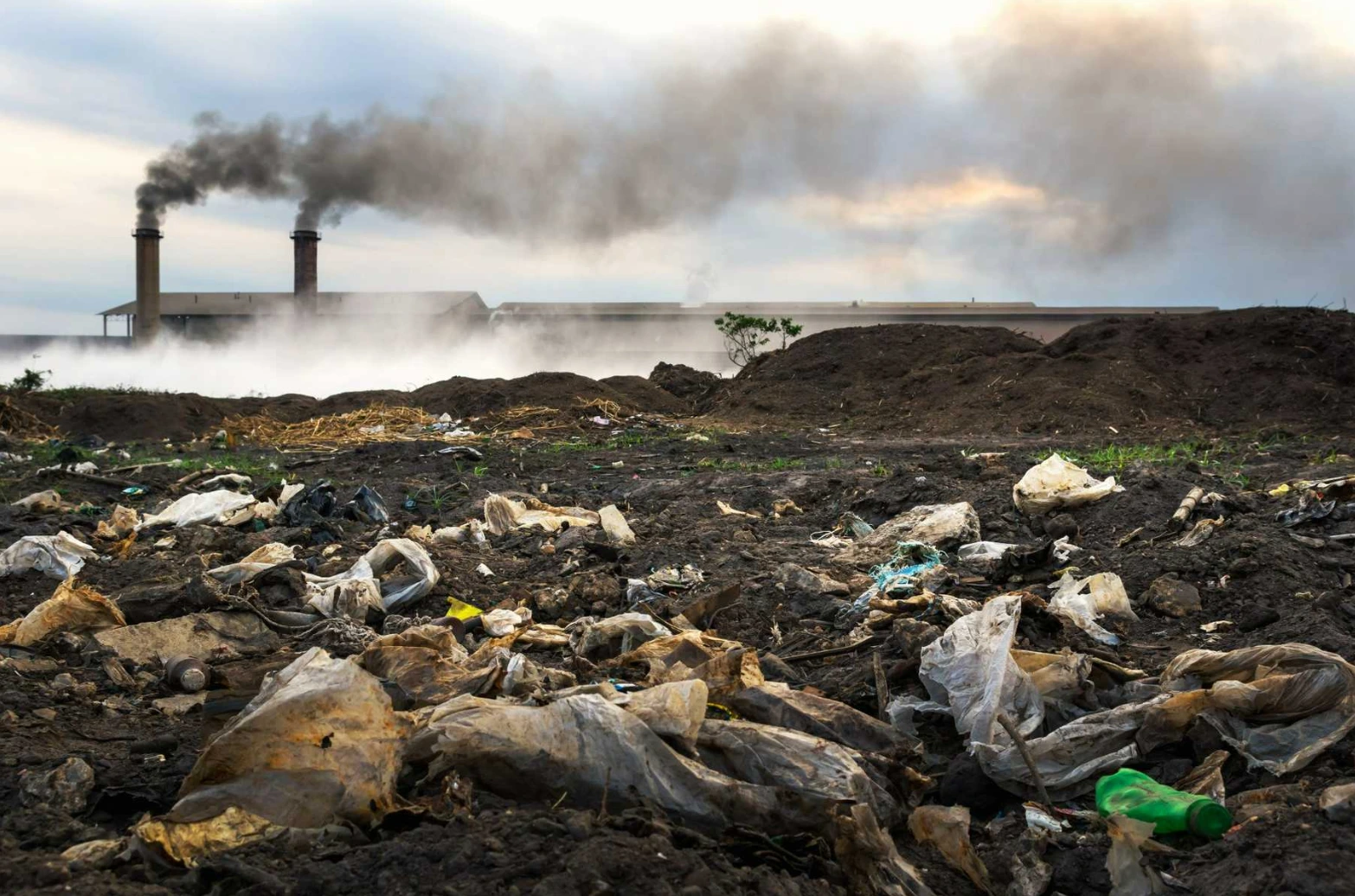
- Non-Recyclable Waste: Paper plates coated with polyethylene plastic film cannot be recycled or composted, leaving them trapped in landfills or marine ecosystems.
- Regulatory Bans: Government bans on single-use plastics are forcing caterers, food stalls, and enterprises to adopt certified sustainable packaging.
This shift has created a high demand for high-performance, biodegradable disposable plates made entirely from renewable plant waste.
The Science of Sugarcane Bagasse Plates
The most popular and durable alternative to plastic tableware is sugarcane bagasse.
What is Bagasse?
Sugarcane bagasse is the dry, fibrous material left behind after sugarcane stalks are crushed to extract juice. Instead of burning this agricultural byproduct (which contributes to air pollution), it is recycled into eco-friendly plates, bowls, and compartment trays through high-pressure molding.
Key Benefits of Bagasse Eco Friendly Plates
- 100% Plant-Based & Plastic-Free: Free from artificial wax coatings, plastic liners, bleaches, and harmful toxins.
- Heavy-Duty & Leak-Resistant: Unlike flimsy paper plates, sugarcane fiber creates a dense matrix capable of holding heavy, wet, or greasy dishes like Indian curries and gravies without sagging or leaking.
- Microwave & Freezer Safe: Bagasse plates withstand temperatures from -20°C to 120°C, making them safe for heating food in microwaves or storing in freezers.
- Rapid Composting: Under commercial or backyard composting conditions, these plates break down naturally into nutrient-rich organic soil within 90 to 180 days leaving zero microplastics behind.
Comparing Eco Friendly Plates: Bagasse vs. Paper vs Thermocol
Thermocol: A cheap, petroleum-based insulator that causes long-lasting environmental damage. It takes centuries to decompose, sheds toxic microplastics, and is facing global bans.
Paper: A resource-intensive traditional option. To function in food service, it usually requires a synthetic plastic lining that compromises its recyclability and prevents natural biodegradation.
Bagasse: A 100% compostable, zero-waste material made from sugarcane byproduct. It matches the strength of traditional plastics without long-lasting environmental damage, offering natural heat and grease resistance before fully disintegrating without leaving toxic residue.
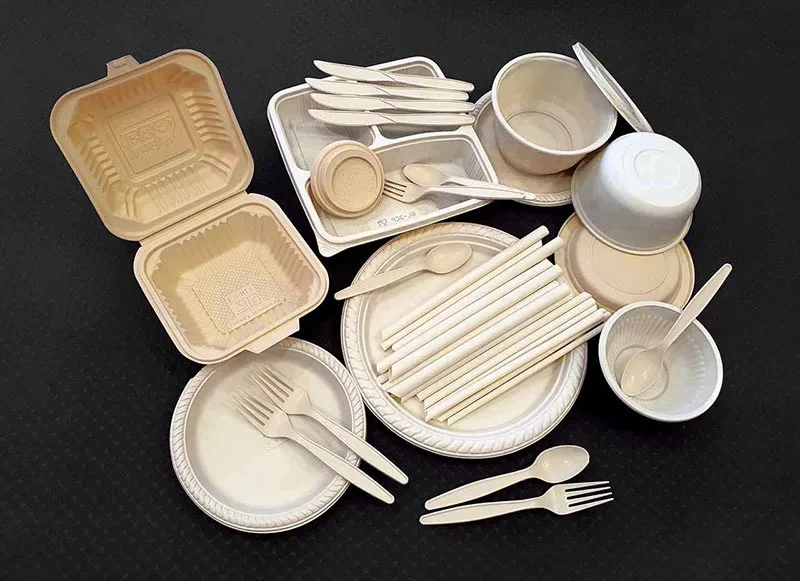
SAKRT’s Range of Compostable Tableware for Every Occasion
At SAKRT, we manufacture CPCB-approved, plant-based tableware engineered for strength, safety, and pure dining convenience:
1. Compostable Compartment Plates
Designed specifically for Indian meals, our 3-compartment and multi-compartment meal plates keep gravies, rice, sides, and appetizers neatly separated without bending or leaking. Perfect for caterers, weddings, corporate events, and temples.
2. Heavy-Duty Round Eco Friendly Plates
Available in multiple sizes (6-inch snack plates to 12-inch full-meal plates), these round bagasse plates offer clean aesthetics and superior structural integrity for parties, food trucks, and cafeterias.
3. Eco Bowls & Dona Tableware
Ideal for soups, desserts, and side dishes, our plant-fiber bowls provide leakproof performance without relying on synthetic linings.
Why B2B Businesses & Caterers Partner with SAKRT
As a leading CPCB-certified manufacturer based in Mangaluru, SAKRT provides wholesale compostable solutions designed for local and broad commercial markets across India:
- Certified Compliance: Fully compliant with Central Pollution Control Board (CPCB) standards for compostable materials.
- Bulk Supply & Customization: Direct manufacturer pricing with customized sizing and bulk packaging options for retailers, distributors, and event management firms.
- Sustainable Local Supply Chain: Serving Mangaluru, Udupi, Dakshina Kannada, and enterprise partners nationwide with reliable delivery schedules.
SAKRT – A Brand of Envirly Innovations Pvt Ltd
Choose SAKRT’s Biodegradable Products
By switching to SAKRT’s CPCB-certified sugarcane plates, you eliminate plastic waste while giving your customers, guests, and family a safe, chemical-free dining experience.
FAQs
Yes. Sugarcane bagasse plates are heat-resistant up to 120°C and oil-resistant, making them capable of holding hot soups, oily curries, and heavy meals without leaking or softening.
Under standard composting conditions, sugarcane plates decompose completely into organic soil matter within 90 to 180 days, releasing zero toxic residues.
Yes! Unlike plastic or metallic-coated paper plates, 100% sugarcane fiber plates are completely microwave-safe and freezer-safe.
Yes, high-quality sugarcane bagasse plates or best compostable plates are designed to handle hot, greasy, and oily foods without leaking or collapsing
Absolutely! Palm leaf plates are biodegradable, chemical-free, and sturdy, making them a far better option than single-use plastic plates.