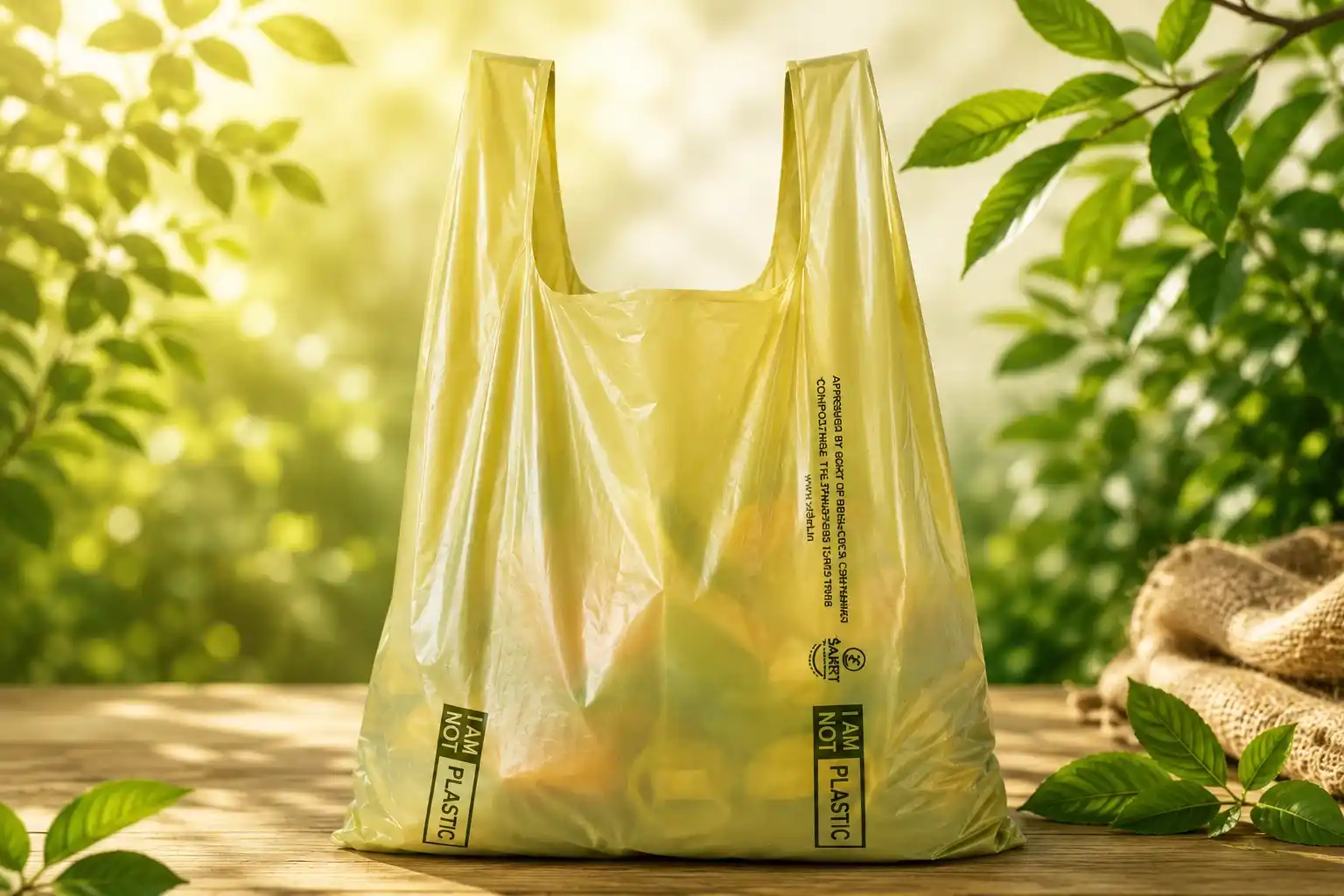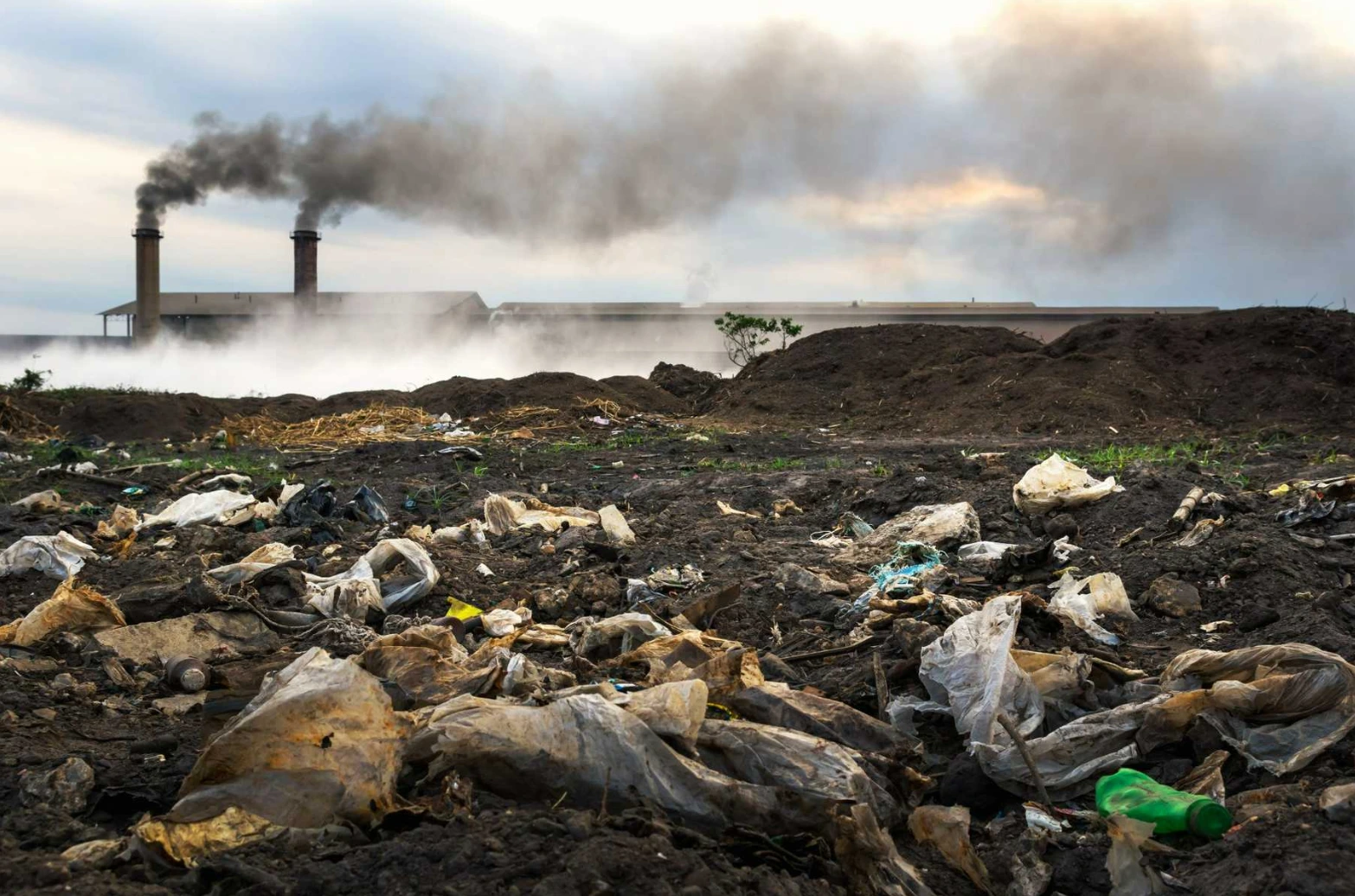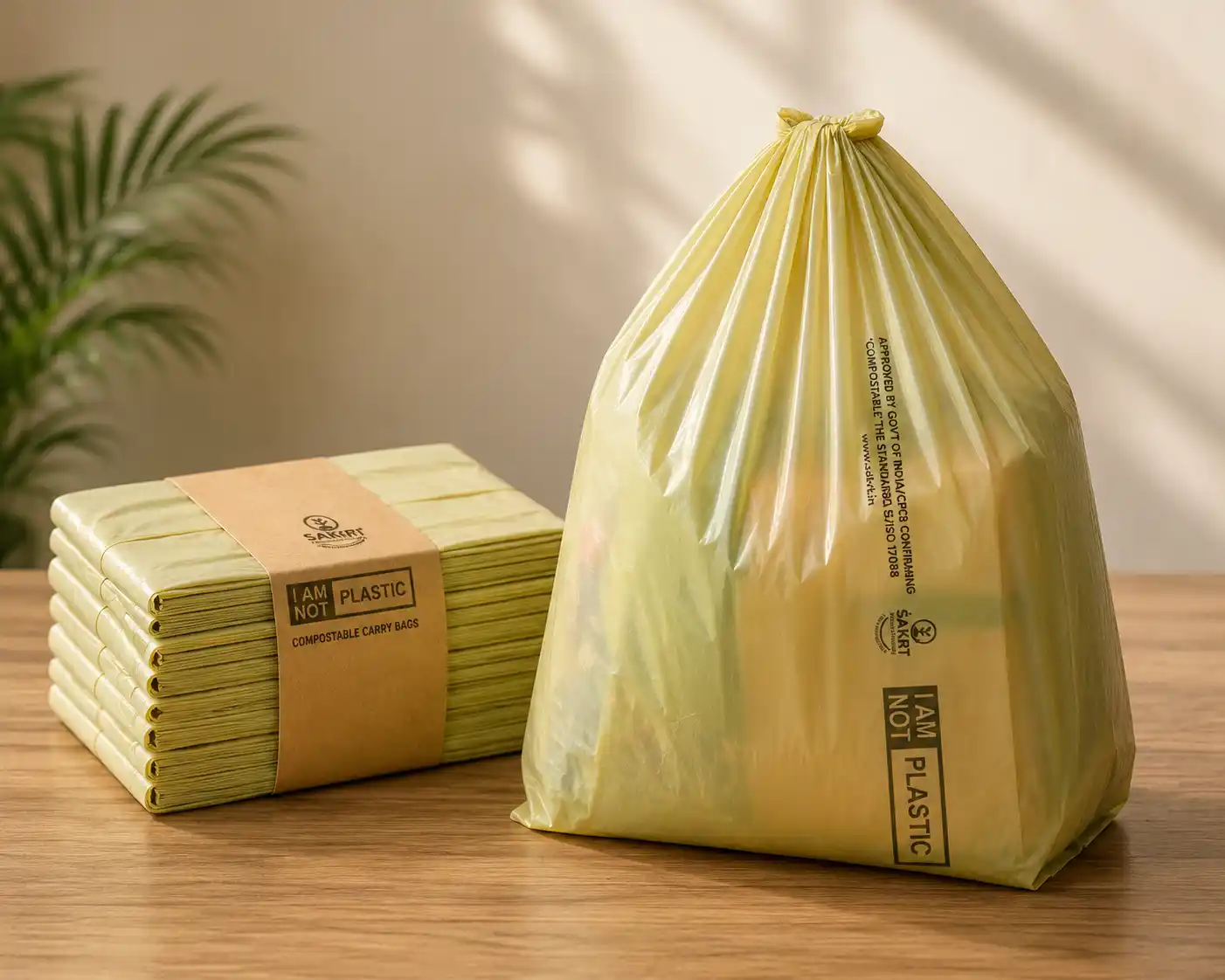

In today’s busy healthcare environment, safety depends on small but important details. One such detail is the biohazard waste bag, which plays a quiet yet vital role in keeping patients, medical staff, and the environment safe. Every day, hospitals, clinics, and labs produce a lot of materials that could carry harmful germs. If these materials aren’t properly contained, they can spread dangerous infections and lead to serious problems. That’s why high-quality biohazard bags are now a must-have in all responsible healthcare settings.
As more people become aware of the importance of infection control, medical facilities are looking for dependable solutions to handle waste safely. For top-quality, eco-friendly options in managing biomedical waste, check out the range available at sakrt.in.
Understanding Biomedical Waste and Its Hidden Dangers
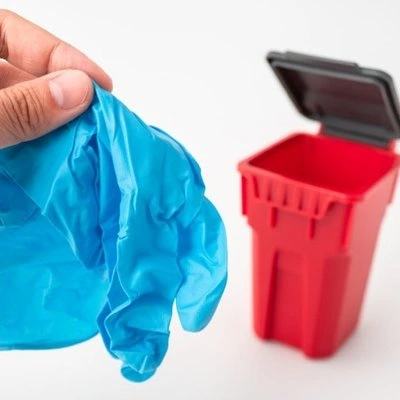
Biomedical waste refers to any material created during medical procedures like testing, treating, or giving vaccines that might contain harmful germs. Examples include blood-soaked dressings, old syringes, and dirty plastic items. If not handled properly, these materials can be very dangerous.
When biomedical waste is mixed with normal garbage, it raises the risk of people getting exposed to it by accident. Medical staff, cleaning workers, and even those who collect trash are more likely to get sick from infections like hepatitis B, hepatitis C, and HIV. Also, wrong disposal can pollute the soil and water, which harms the whole community. For this reason, keeping biomedical waste contained right from the start is the most important step in staying safe.
Biohazard waste bags are made specially to deal with these dangers. They are built from strong, waterproof materials and have clear warning signs showing that they contain hazardous materials. These bags often come in specific colors to help identify the kind of waste they hold.
The Critical Role of Biohazard Waste Bags in Infection Prevention
Biohazard waste bags are essential in stopping the spread of infections. They safely contain contaminated materials, which helps prevent leaks, spills, and the release of harmful particles when handling or moving waste. Healthcare workers often face stressful situations where time is critical.
Using properly marked biohazard bags helps reduce the mental stress of constantly evaluating risks. This allows medical teams to focus more on caring for patients. Research shows that places with strong waste separation practices see fewer cases of infections acquired in hospitals.
Additionally, these bags help meet strict rules. In India, the Biomedical Waste Management Rules stress the importance of properly separating and treating waste. As a result, hospitals and clinics rely on medical Biohazard Waste to stay compliant with these regulations.
Color Coding Bags for Biomedical Waste: Why It Matters
One of the best ways to manage waste is by using colored bags for biomedical waste. This easy but effective method takes away any confusion and makes sure that each type of waste is handled properly. In India, the Biomedical Waste Management Rules 2016 (and any changes made to them) use four main colors to help sort the waste correctly.
- Yellow bags handle highly infectious or pathological waste, such as human tissues, soiled dressings, and expired medicines. These typically undergo incineration or plasma pyrolysis.
- Red bags collect contaminated recyclable plastics like IV tubes, gloves, and syringes (without needles). After autoclaving or microwaving, the treated waste can often be recycled responsibly.
- Blue bags or containers are designated for glassware and metallic implants.
- White translucent puncture-proof containers safely store sharps, including needles and blades.
- Medical Biohazard Waste.
When bags for biomedical waste are color-coded properly, waste treatment facilities can handle the waste more efficiently. This helps reduce costs and also lessens harm to the environment by making recycling easier in some cases. Facilities that train their workers often on these color codes see fewer mistakes in sorting waste and run their daily work more smoothly.
Biohazard Garbage Bags: Features That Ensure Safety and Reliability
Not every bag is the same. High-quality biohazard garbage bags have special features that make them essential. These bags are made from thick, non-chlorinated plastic, which helps them stay strong and not tear easily.
Many have reinforced seals and expandable bottoms to stop leaks, even when they’re full. A clear biohazard symbol is printed on the bag, so people know right away it’s dangerous, helping them be careful during every step from picking it up to throwing it away. Also, top manufacturers now make eco-friendly options that are still strong but better for the environment. These choices support the trend toward more sustainable healthcare without losing safety.
Since biohazard bags go through rough handling during transport, they must pass strict durability tests during production. When hospitals go with reliable suppliers, they’re making a smart choice that ensures long-term safety instead of cutting costs short-term.
Biomedical Waste Disposal Methods: From Segregation to Safe Treatment
Using the right biohazard waste bags is essential for safely getting rid of biomedical waste. The process usually has four main steps: separating waste at the start, collecting and storing it, moving it, and finally treating it.
Once the waste is put into the correct biohazard bags, it is kept in safe, assigned areas for a short time usually no more than 48 hours to stop harmful germs from growing. Then, special vehicles carry the bags to Common Bio-Medical Waste Treatment Facilities (CBMWTFs) At these facilities, different treatment methods are used depending on the color code of the waste.
Yellow waste is often burned at high temperatures, while red waste is first sterilized using steam (autoclaved) before being shredded and reused. These methods are proven to kill harmful germs and make the waste smaller, so it no longer causes problems. When each part of the process from choosing the right biohazard bags to the final disposal is done carefully, it helps the whole healthcare system. It lowers risks, makes sure rules are followed, and protects the environment.
Challenges in Biomedical Waste Management and How Biohazard Waste
Even with clear rules, many places still have problems like mixing up waste, overfilled bags, or not enough training. These issues can cause waste to get mixed together, making it harder to process and increasing the chance of infections.
Using high-quality biohazard bags helps fix these problems by making it easier for people to follow the right steps right from the start. When bags are clearly labeled and colored, workers are more likely to use them correctly even when things get busy. Also, bags that don’t leak help prevent spills, which cuts down on cleaning costs and the risk of exposure.
Combining teaching with practical training makes these efforts even more effective. When teams understand both the reasons behind the rules and how to follow them, they’re more likely to follow the correct procedures consistently.
SAKRT – A Brand of Envirly Innovations Pvt Ltd
Choose SAKRT’s Biodegradable Products
Join the sustainability revolution today!
Choose SAKRT’s biodegradable products for your home, business, or event and make waste disposal responsible.
FAQs
Biohazard waste bags are typically manufactured from thick, leak-resistant, non-chlorinated plastic. They are important because they securely contain infectious materials, prevent leaks, and reduce the risk of pathogen transmission to healthcare workers and the public.
Color coding bags for biomedical waste streamlines segregation by assigning specific colors to different waste types. This ensures each category receives the appropriate treatment, minimizes cross-contamination, and makes the entire disposal process faster and safer.
Unlike regular garbage bags, biohazard waste bags (also called biohazard garbage bags) feature biohazard symbols, higher puncture resistance, and leak-proof construction. They are designed specifically to handle infectious medical waste and comply with strict safety standards.
Common biomedical waste disposal methods include incineration for highly infectious waste, autoclaving or microwaving for recyclable plastics, and secure landfilling after treatment. The chosen method depends on the color-coded bag used during segregation.
You can find reliable, planet-friendly biohazard waste bags and related solutions at sakrt.in. The platform offers products tailored for safe and compliant biomedical waste management in hospitals and clinics.