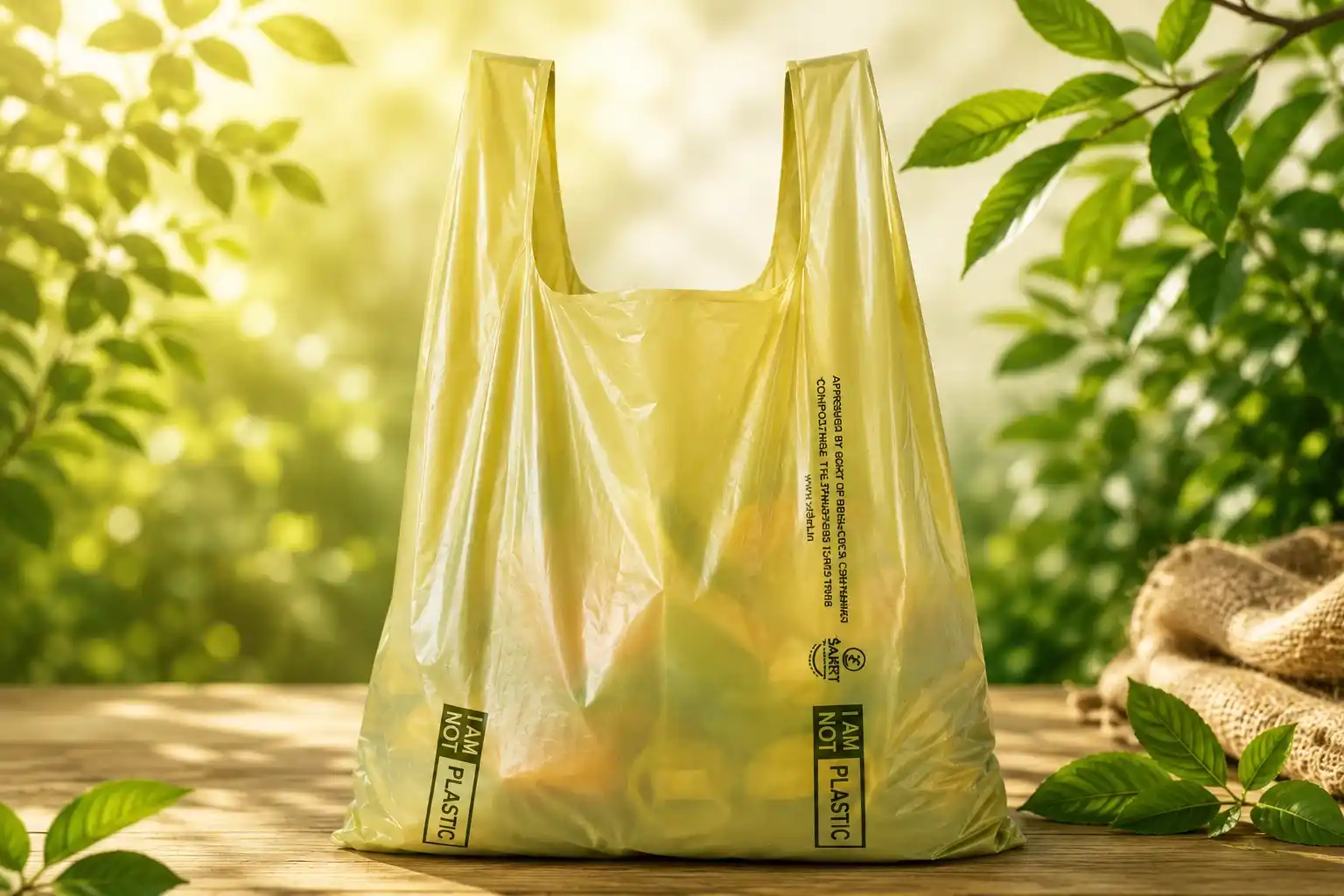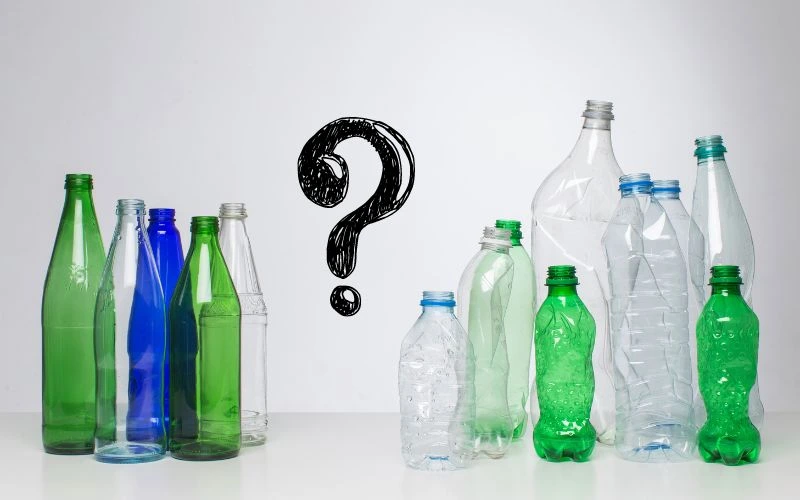
In today’s busy world, staying hydrated often means grabbing a water bottle on the go. But many people don’t realize the hidden dangers behind their everyday choices. Biodegradable water bottles have become a big change in the way we drink water, offering both convenience and a sense of security. Unlike regular plastic bottles that can take hundreds of years to break down, these new bottles naturally decompose while keeping you and the environment safe. This article looks into why switching to biodegradable water bottles is a smart choice for families, athletes, and people who care about the planet. By the end, you’ll see how these modern bottles provide better safety without giving up on style or usefulness..
Eco-Friendly Water Bottles For Superior Health Protection
When people grab a drink, they want it to be pure, not full of secret chemicals. Regular single-use plastic bottles release microplastics and endocrine disruptors over time, especially when they get hot or are washed repeatedly. Research has shown these tiny particles can end up in the drinks people pour from them, which is a big concern when it comes to long-term health. Eco-friendly water bottles, made from plant-based materials, avoid this problem completely. These bottles are made using renewable resources like corn starch or sugarcane, so there’s no risk of harmful chemicals seeping into the water during everyday use.
Also, the way these eco-friendly bottles are made doesn’t use the petroleum-based chemicals found in regular plastic. That means the water tastes better and stays free from strange or unpleasant flavors. Parents, for example, like knowing their kids can drink safely during school or sports. Plus, tests show these bottles stay strong and don’t break down into dangerous materials. This means families worry less about contamination compared to the traditional bottles that have been around for years.
How Plant-Based Materials Prevent Chemical Migration
Plant-based polymers are the main materials used in today’s biodegradable water bottles. These materials create a strong, stable layer that doesn’t break down easily under regular use, but can decompose properly when the bottle is thrown away. Since the structure stays intact during the product’s use, no tiny pieces get into the liquid. Additionally, tests done by independent labs show that these bottles release fewer harmful substances compared to traditional plastic bottles made from polyethylene terephthalate. This switch offers quick health advantages and helps achieve longer-term health and environmental goals.
Non Plastic Water Bottles Eliminate Microplastic Contamination Risks
Microplastics have made their way into food chains and even into human blood, which has led health officials around the world to issue warnings. Using non-plastic water bottles avoids this problem entirely, as they are made from natural materials or certified biopolymers. This allows people to stay hydrated without accidentally ingesting tiny plastic particles that can build up in organs over time. Studies are still connecting microplastic exposure to issues like inflammation and hormonal problems, so avoiding them is a wise decision.
In addition, non-plastic water bottles tend to hold up better than you might think. Their reinforced designs are less likely to crack, while still being light enough for carrying around during travel or gym sessions. Because they don’t suffer from the same brittleness that comes with repeated plastic recycling, they last much longer. Many families notice they need to replace their bottles less often and feel more satisfied with the switch. So, the benefits go beyond just safety they also offer real practical advantages.
Sustainable Water Bottles Reduce Environmental Footprint
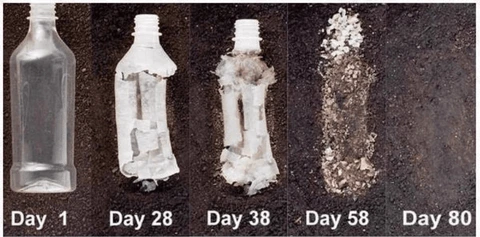
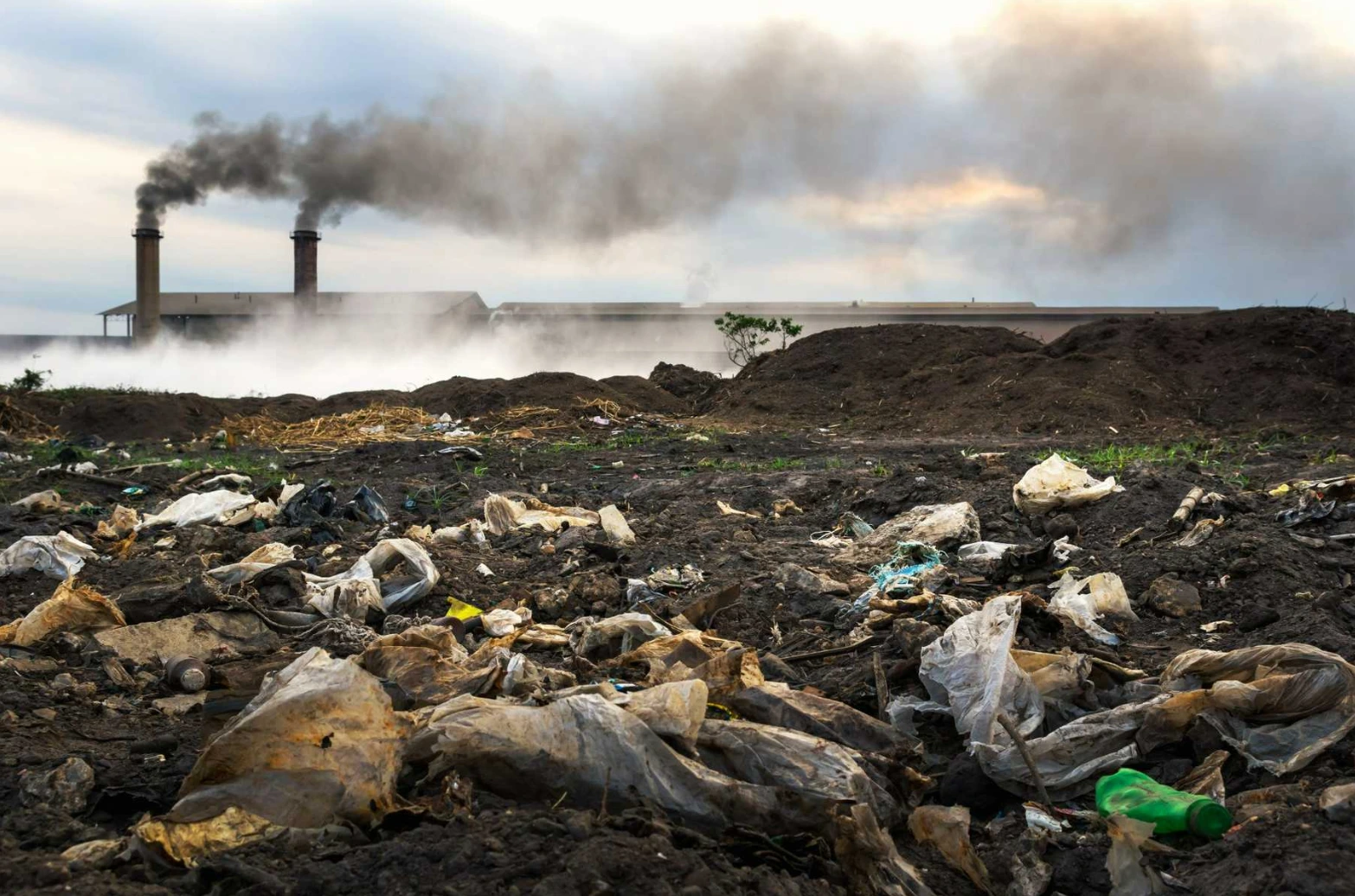
Landfills are filled with plastic that takes hundreds of years to break down, and during that time, it leaks harmful chemicals into the soil and water. Sustainable water bottles help solve this problem by breaking down into harmless material within months if properly composted. These bottles are made to meet global standards for biodegradability, so they don’t linger as trash but instead become safe organic matter. This helps keep oceans cleaner and reduces dangers to animals that might mistake plastic for food or get tangled in it. Also, making sustainable water bottles uses much less energy than making traditional ones.
They are made from materials that come from renewable sources instead of fossil fuels, which lowers the amount of carbon pollution from the start. Choosing these bottles helps people align their daily choices with bigger environmental goals. Companies that switch to these products also earn the trust of customers who care about the planet and want honest, eco-friendly choices. In the end, this change has a big positive impact on the environment, helping more than just the people using the bottles.
Composting Processes That Accelerate Safe Decomposition
Industrial composting plants speed up the decomposition of biodegradable water bottles by using controlled heat and dampness. In 90 to 180 days, the material breaks down and gives back nutrients to the soil without leaving harmful leftovers. People who compost at home can also get similar results if they take good care of their compost, though the time it takes may be different. As a result, cities that support these composting programs see a noticeable decrease in the amount of plastic waste. This process shows how smart design can help reuse resources and keep them in circulation.
Green Packaging Solutions Transform Daily Hydration Habits
Forward-thinking brands are focusing on eco-friendly packaging that works well and shows responsibility. Biodegradable water bottles are a great example of this shift. They look great with bright colors and comfortable shapes that people who care about style love. At the same time, the materials used are safe for users. Stores are placing these bottles in easy-to-find spots, showing that there’s a growing demand for products that are better for the planet.
In addition, using green packaging helps companies build their sustainability goals and meet what customers want from them. When companies switch from plastic to biodegradable options, they lower their environmental impact and build trust with their customers. People like these choices and often talk about them online. This kind of support helps push the movement forward, as small, everyday decisions add up to big changes.
Conclusion
In summary, the evidence clearly shows that choosing biodegradable water bottles is a safer and more responsible choice for staying hydrated. Recent research from 2025 and 2026 has revealed concerning amounts of microplastics and nanoplastics in regular bottled water sometimes reaching hundreds of thousands of particles in just one liter. These microscopic fragments can seep into the water, especially when exposed to heat or used repeatedly. Along with these particles, harmful chemicals like BPA, phthalates, and antimony are also present, which can affect hormone levels, reproductive health, cause inflammation, and may even be linked to long-term issues such as cancer or immune system problems.
On the other hand, biodegradable water bottles are made from plant-based materials like PLA, which comes from corn starch or sugarcane. These materials don’t include any synthetic additives, helping to avoid chemical leaching into the water. When properly made and certified, they provide a cleaner taste and more confidence in everyday use. Although some studies on bioplastics have found that certain additives might leach out in specific situations, recent advancements in material science have led to safer options that are better than traditional plastics for drinks. These biodegradable bottles don’t release microplastics during their normal use.
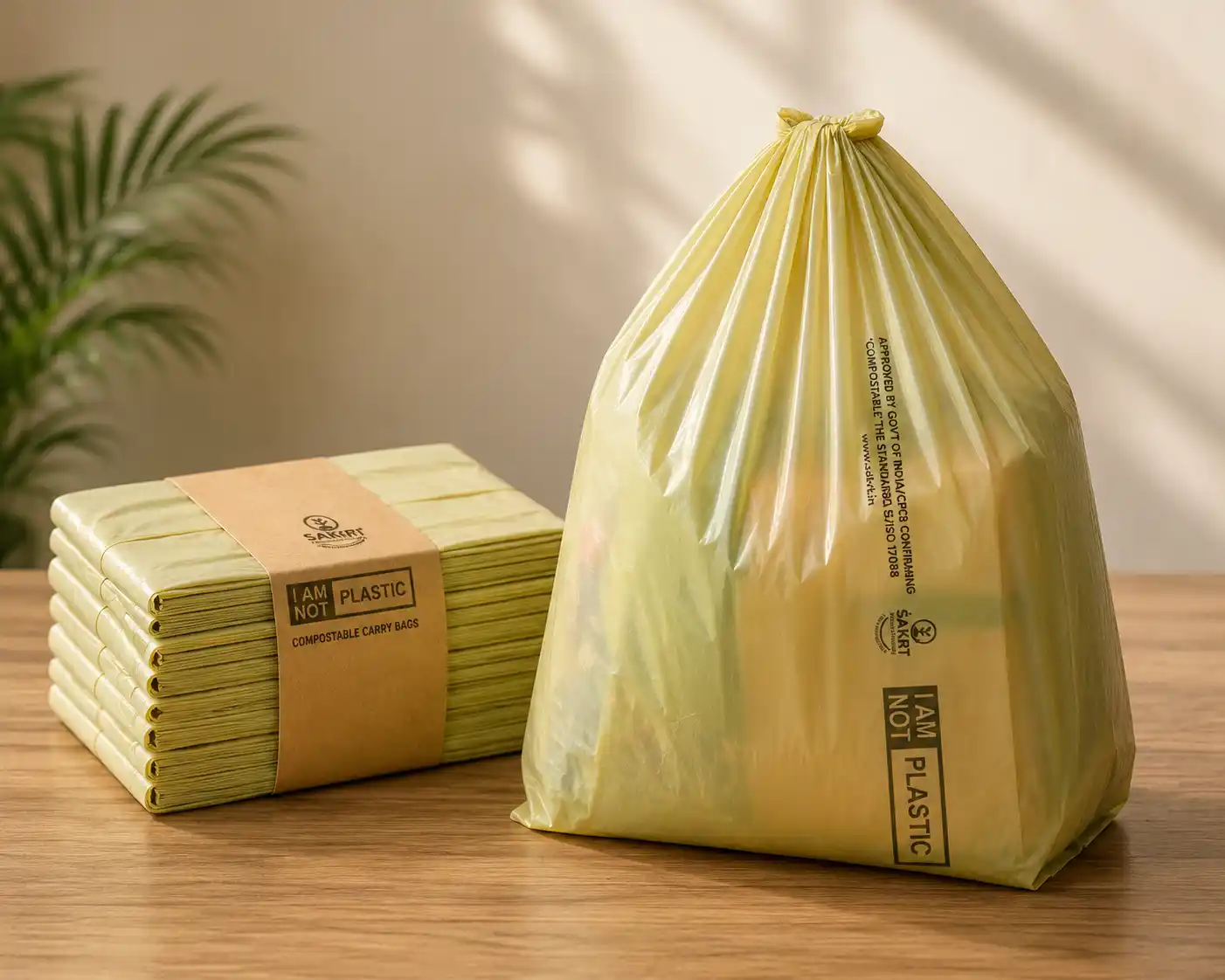
SAKRT – A Brand of Envirly Innovations Pvt Ltd
Choose SAKRT’s Biodegradable Products
Join the sustainability revolution today!
Choose SAKRT’s biodegradable products for your home, business, or event and make waste disposal responsible.
FAQs
Yes, because they contain no petroleum-based additives that leach into liquids. Independent tests confirm zero detectable toxins under normal conditions, giving parents confidence during school lunches or sports events.
Modern sustainable water bottles feature reinforced biopolymer blends that resist dents and cracks as effectively as plastic yet decompose safely afterward. Most users report equal or longer lifespan with proper care.
Absolutely. Their stable molecular structure prevents warping or flavor transfer across temperature ranges, making them ideal for coffee on the go or chilled water during workouts.
Although initial prices may match plastic, reduced replacement frequency and lower waste fees create savings. Many brands now offer bulk discounts, further improving long-term value for households and offices.
Industrial composting yields the fastest results, yet many home systems also work. Check local guidelines or use certified collection points to ensure complete, non-toxic decomposition within months.