Plastic waste management has quietly become one of the defining problems of our time, and packaging sits right at the center of it. What used to feel like a distant environmental concern is now showing up in regulations, compliance deadlines, and daily headlines. This blog breaks down why the shift to biodegradable packaging isn’t a future consideration anymore, it’s a present-day necessity.

The Plastic waste management Crisis Has Outgrown Recycling
Global plastic production has exploded from just 2 million tonnes in 1950 to over 450 million tonnes today. That growth has far outpaced our ability to deal with the aftermath. Despite decades of recycling campaigns and blue-bin programs, only 9% of all plastic ever produced has actually been recycled.
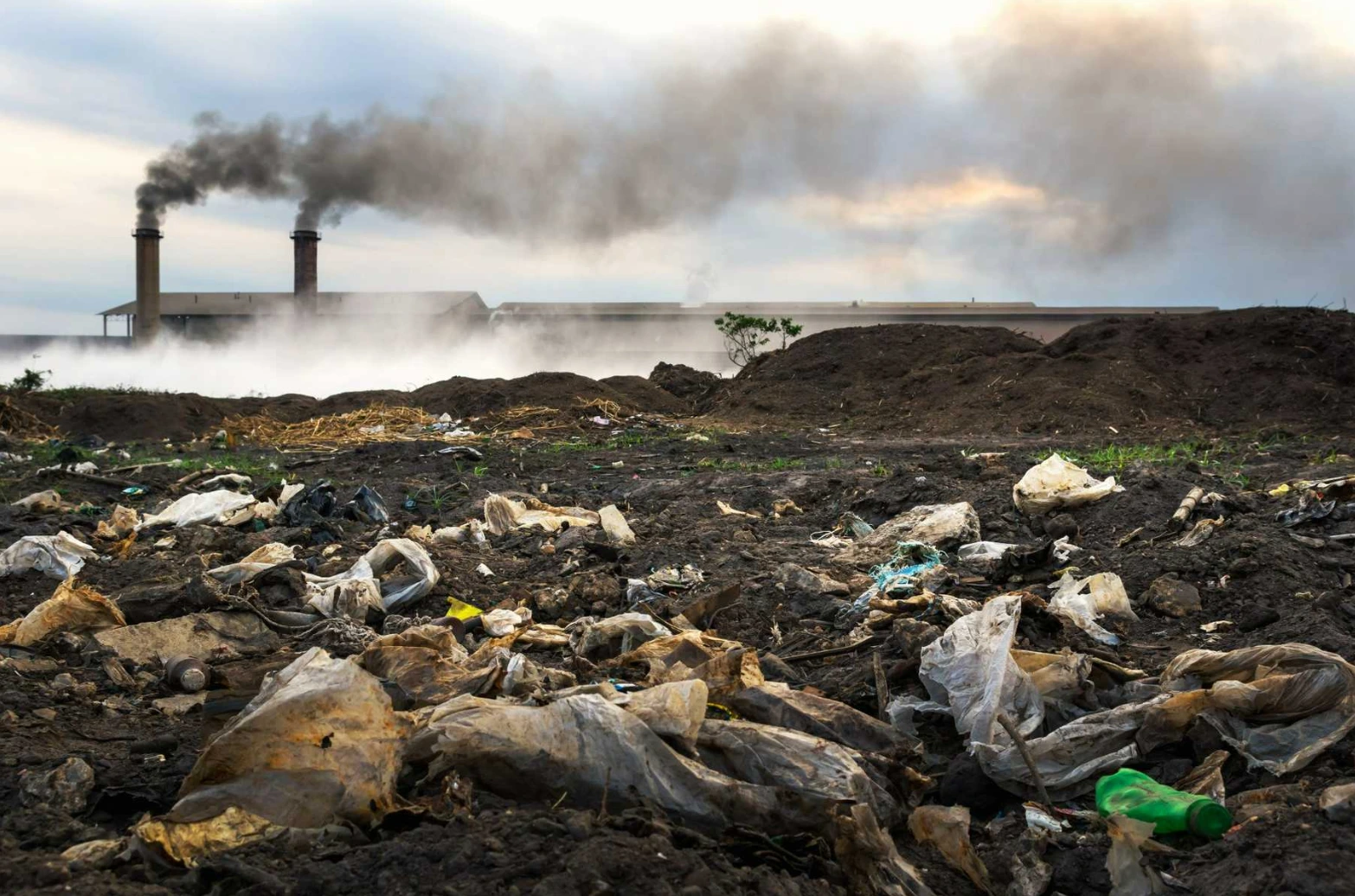
The rest hasn’t disappeared it has simply accumulated. Most of it sits in landfills, gets incinerated, or leaks into rivers and oceans, where one to two million tonnes enter marine ecosystems every single year. This isn’t a slow-moving trend either experts project plastic pollution could more than double by 2040 if nothing changes.
The math here is simple and unforgiving: production is rising faster than disposal systems can handle it. Recycling alone was never designed to absorb volumes at this scale, and it’s showing. This is precisely the gap that biodegradable and compostable materials are built to fill materials that don’t rely on recovery infrastructure to stop polluting.
Packaging Is Where Most of the Damage Happens
All the categories of plastic in circulation, packaging is the biggest single contributor. It makes up almost 40% of the total weight of plastic waste generated worldwide more than construction, textiles, or automotive uses. That’s because packaging is built for one thing to be used once and thrown away almost immediately.
The food and beverage industry is especially heavily implicated, responsible for a quarter of all plastic packaging waste globally. Grocery bags, takeout containers, wrappers, and bottles are consumed and discarded within days, sometimes minutes. Multiply that by billions of transactions daily, and it’s easy to see why packaging waste piles up faster than almost anything else.
This is also the good news hidden inside a bad statistic because packaging is such a large, concentrated slice of the plastic waste problem, it’s also the fastest lever for change. Businesses don’t need to reinvent entire supply chains switching packaging materials alone can meaningfully cut a company’s plastic footprint. It’s why so many brands are now exploring compostable alternatives across their packaging lines.
India's 2026 Rules Have Turned Urgency Into a Legal Deadline
India isn’t a bystander in this story it’s currently generating around 20% of the world’s plastic waste management, more than any other single country. That scale has pushed Indian regulators to move faster than most. In March 2026, the Ministry of Environment notified the Plastic Waste Management (Amendment) Rules, 2026, tightening recycled-content mandates and compliance tracking across the board.
For plastic packaging, the bar keeps rising: rigid plastic packaging must now scale from 30% recycled content in 2025-26 to 60% by 2028-29. Non-compliance isn’t a slap on the wrist either-penalties run from ₹10,000 up to ₹1.5 million, with an additional ₹10,000 for every day a violation continues. For businesses still relying on conventional plastic, the compliance burden is only going to get heavier from here.
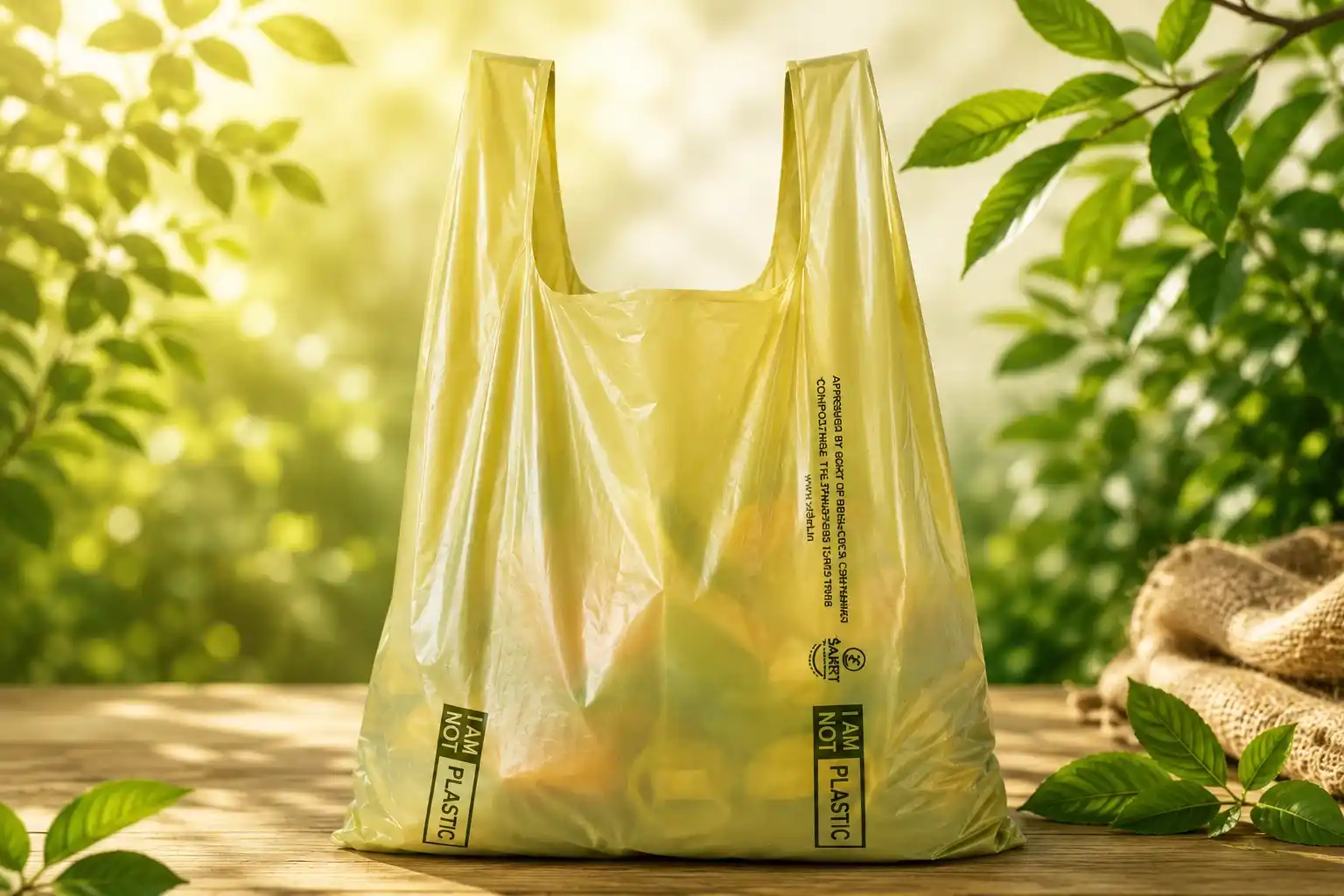
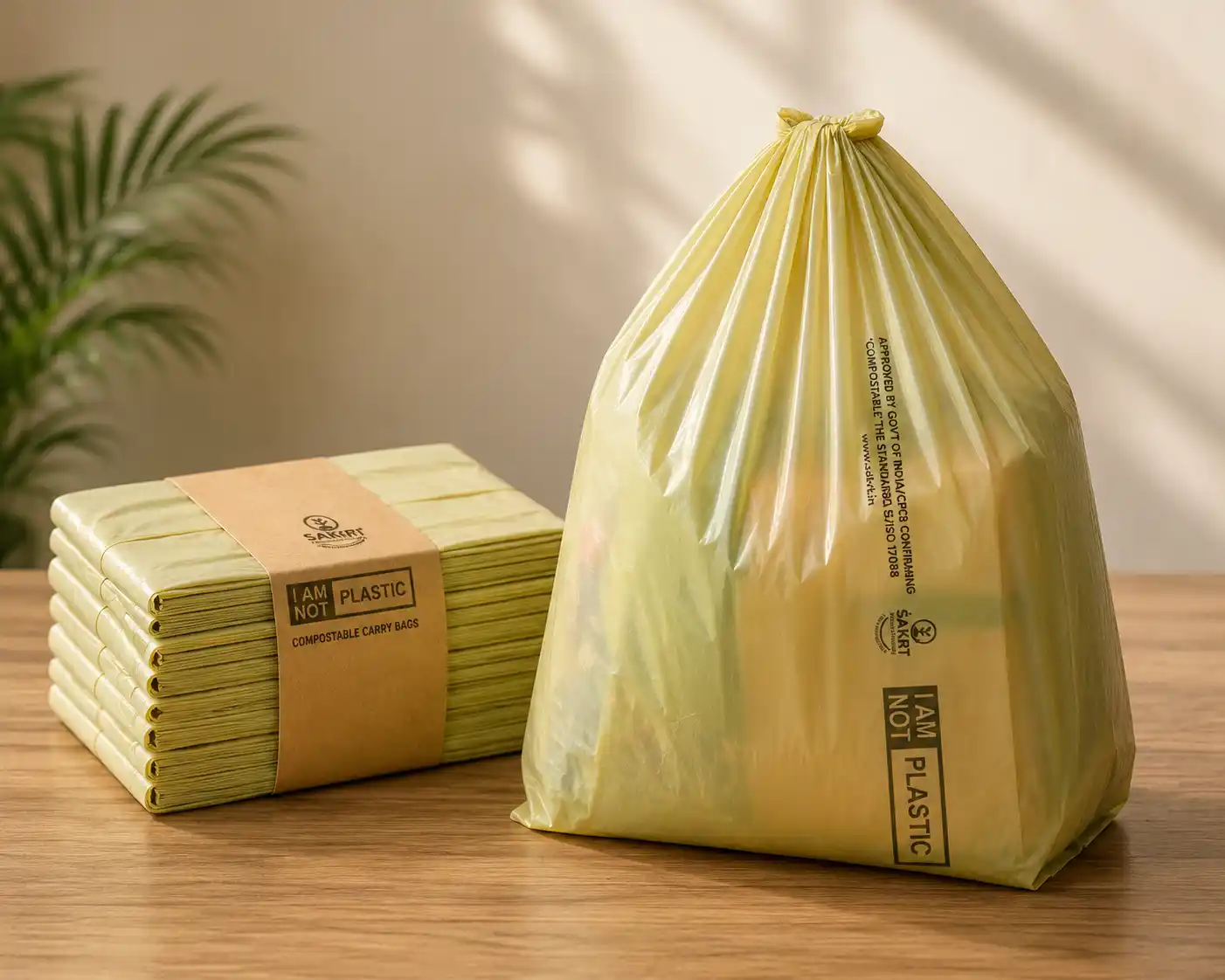
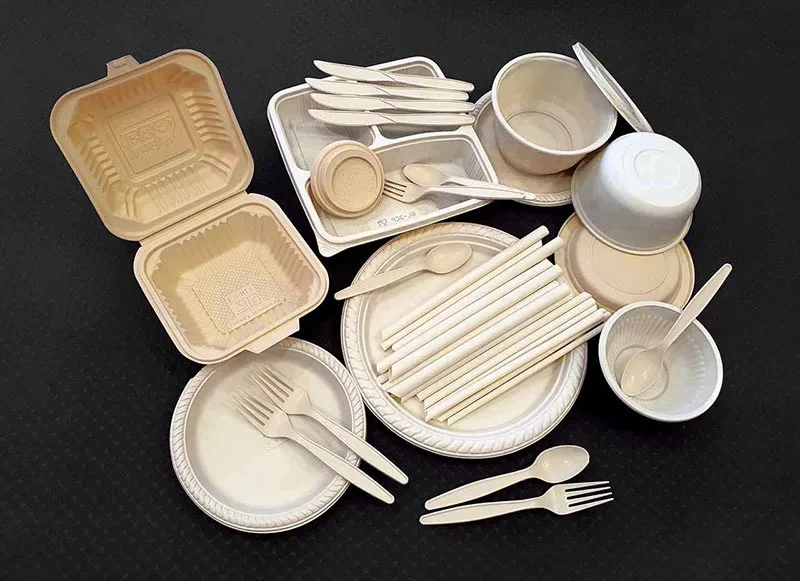
Certified compostable packaging offers a genuinely simpler path through all of this. Under the new rules, materials certified under IS 17088 bypass recycled-content quotas and traceability codes entirely, meeting EPR obligations simply by composting. Businesses evaluating compostable manufacturers and suppliers right now are essentially getting ahead of a compliance curve that’s only tightening.
Why This Matters, and What to Do About It
Plastic waste management has crossed a threshold where recycling alone can’t keep up, packaging is the single biggest contributor to that waste, and India’s 2026 regulations have turned this into a compliance issue with real financial consequences. None of these three facts exist in isolation together, they’re why biodegradable packaging has moved from “nice to have” to “needed now”. The businesses that switch early aren’t just reducing their environmental footprint; they’re avoiding penalties, simplifying compliance, and meeting a level of customer expectation that keeps rising.
Understanding the difference between compostable and biodegradable materials is a useful next step if you’re evaluating options for your business. And if you want to see where the compostable packaging market is headed next, that’s a good place to start planning your transition. SAKRT works with businesses across food service, retail, and events to make that switch practical explore our range of compostable food packaging solutions to see what fits your operation.
SAKRT – A Brand of Envirly Innovations Pvt Ltd
Choose SAKRT’s Biodegradable Products
Join the sustainability revolution today!
Choose SAKRT’s biodegradable products for your home, business, or event and make waste disposal responsible.
FAQs
Why do we need biodegradable packaging now explain
We need biodegradable packaging now to reduce the growing problem of single-use plastic waste. Traditional plastics can take hundreds of years to decompose. In contrast, biodegradable and compostable packaging breaks down naturally into harmless substances. This helps lower carbon footprints and reduces pollution in landfills and oceans. It also supports global sustainability goals and complies with evolving environmental regulations.
Benefits of biodegradable packaging
Biodegradable packaging naturally breaks down into safe organic materials. This helps reduce landfill waste and prevents microplastic pollution. It uses plant-based materials such as cornstarch, seaweed, and sugarcane instead of petroleum-based plastics. These renewable materials lower carbon emissions and support efforts to combat climate change.
Biodegradable packaging in food industry
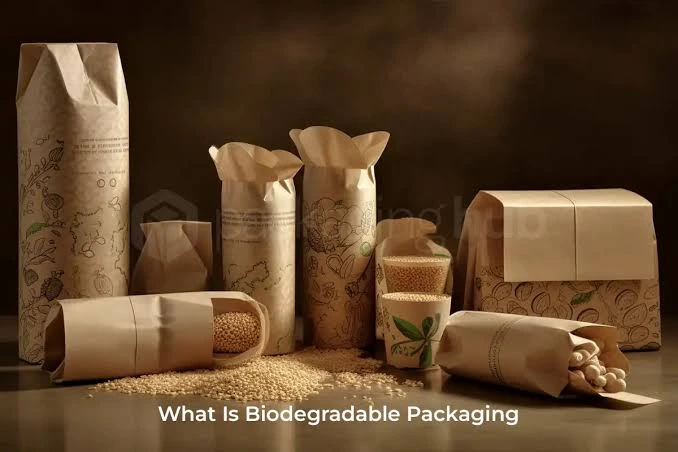
In the food industry, biodegradable packaging is made from plant-based materials, agricultural leftovers, and fungi. These natural materials allow the packaging to break down without creating harmful microplastics. It helps reduce waste in landfills and supports a cleaner environment. Biodegradable packaging is also a safer and non-toxic alternative to conventional plastic. However, it requires industrial composting facilities to decompose properly.
Disadvantages of biodegradable packaging
While biodegradable packaging aims to reduce environmental harm, it also has some limitations. These materials often cost more to produce than conventional packaging. They may also be less durable, making them unsuitable for certain applications. In many cases, they require specialized disposal methods to break down effectively. Some biodegradable materials decompose only in industrial composting facilities. If disposed of incorrectly, they can contaminate existing recycling streams and reduce recycling efficiency.
How is biodegradable packaging made
Creating biodegradable packaging uses materials from renewable sources such as starch, cellulose, sugarcane waste fibers or agricultural waste.