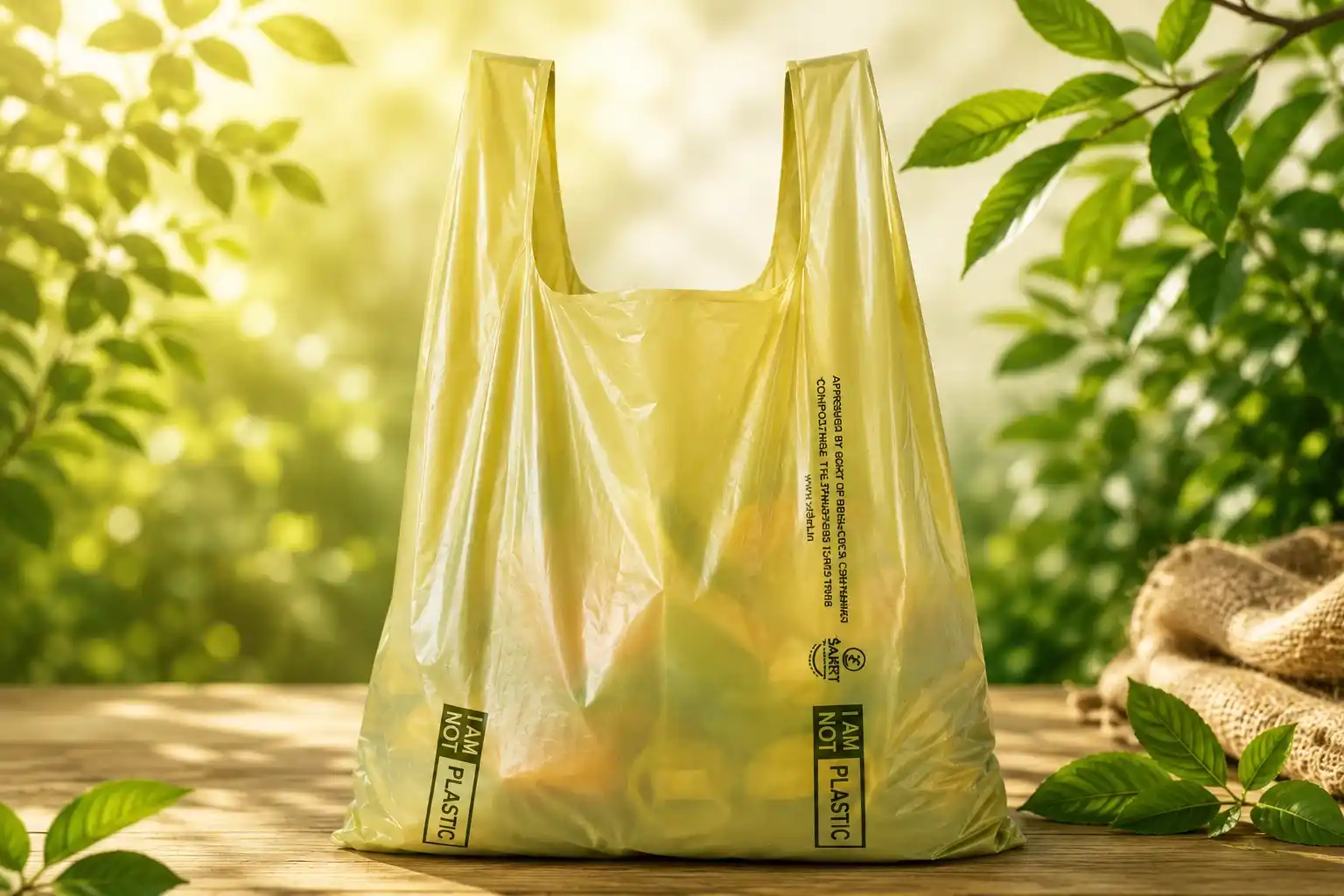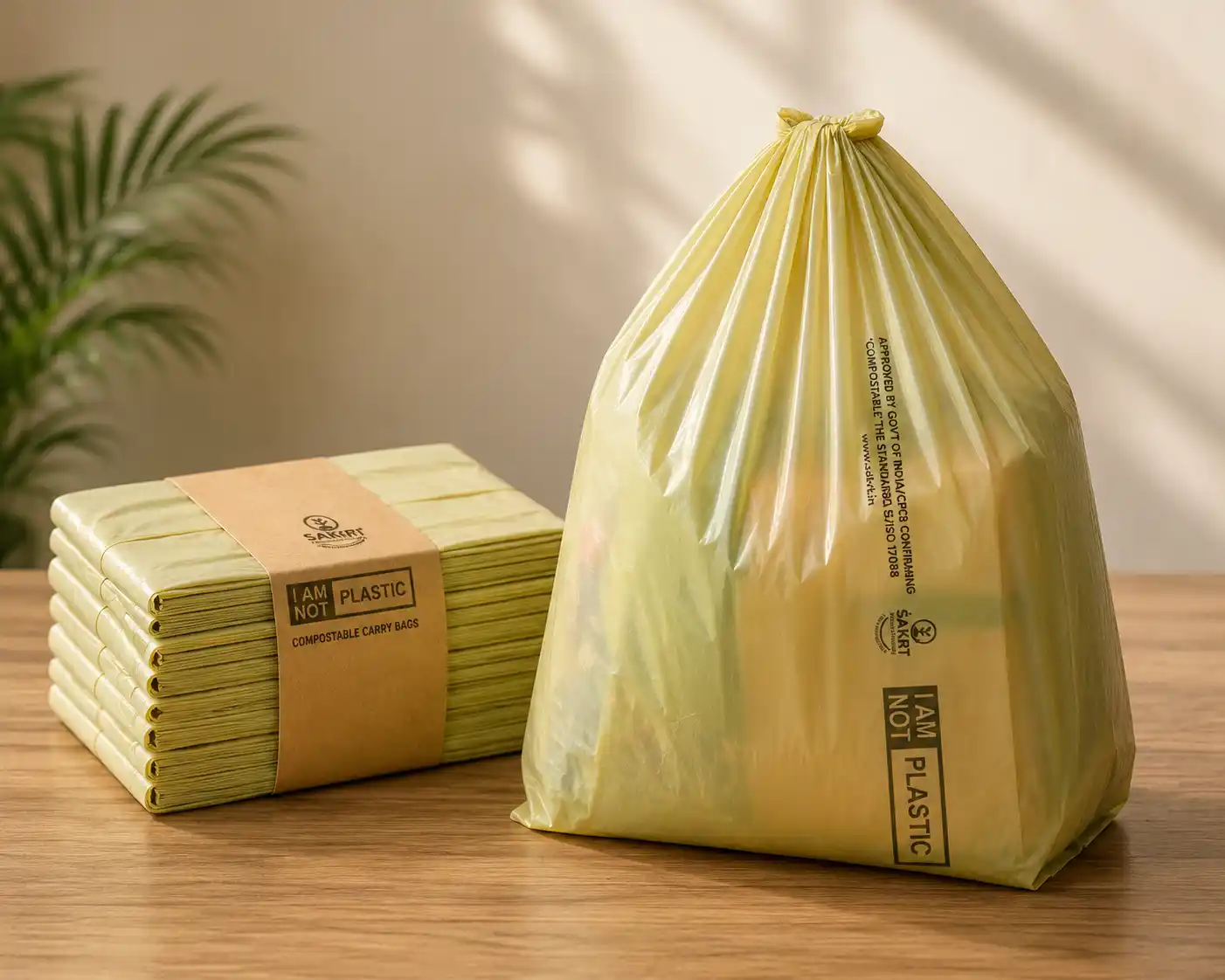

Managing large volumes of waste in homes, commercial offices, restaurants, and industrial facilities requires sturdy, high-capacity solutions. However, traditional plastic garbage bags pose a massive threat to soil and marine ecosystems. As India accelerates its transition toward sustainable waste management, high-capacity, compostable big garbage bags have emerged as an essential alternative to single-use plastics.
Upgrading to eco-friendly big garbage bags allows businesses and households to keep surroundings hygienic without leaving a centuries-long plastic footprint.
Why Modern India Needs Eco-Friendly Big Garbage Bags
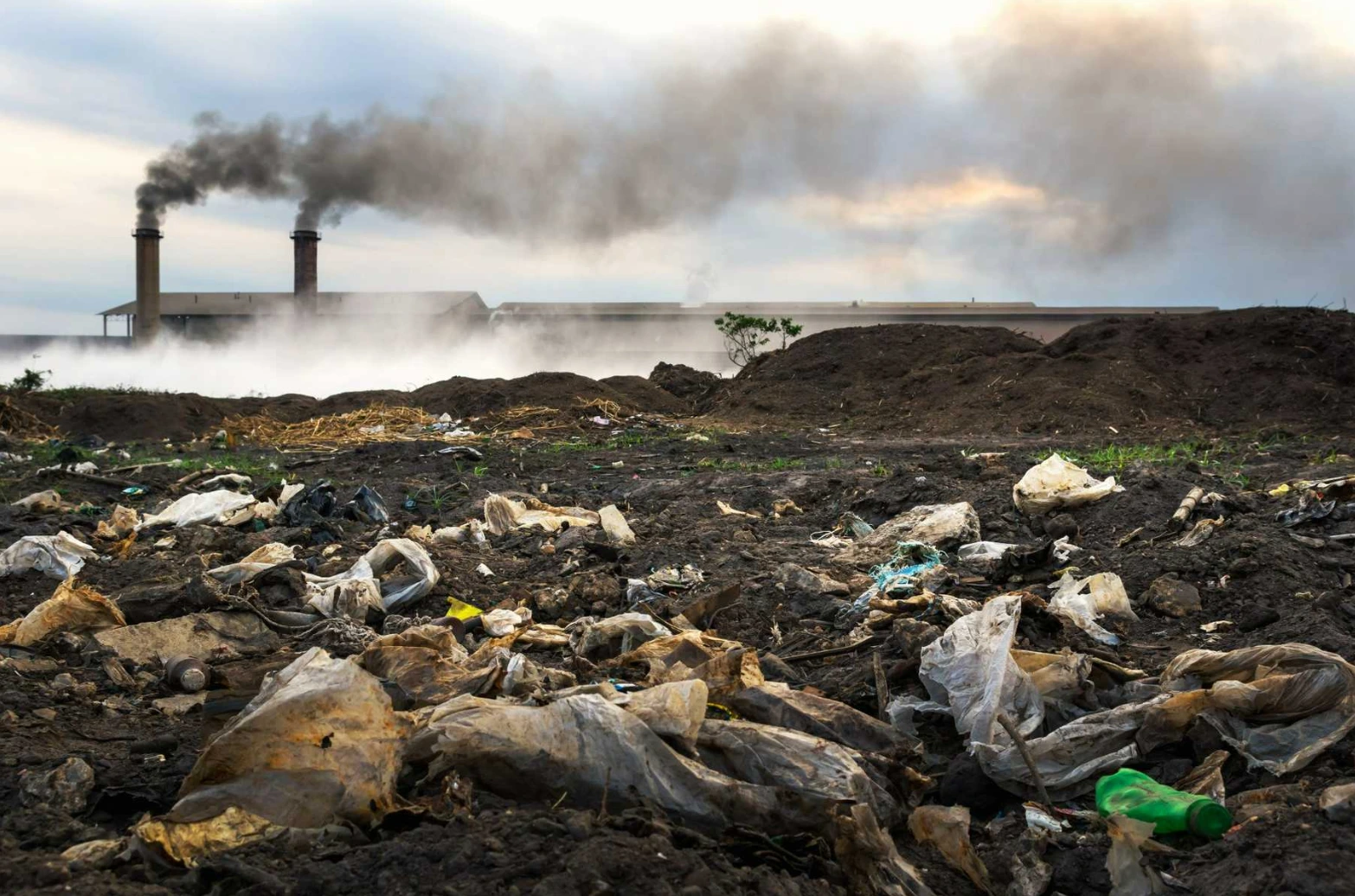
Urbanization and industrial growth generate thousands of tons of municipal solid waste daily across Indian cities. Conventional plastic bags used for waste disposal take upwards of 500 years to decompose, breaking down into harmful microplastics that pollute our waterways and agricultural soil.
The Environmental Danger of Traditional Large Trash Bags
- Soil Contamination: Non-biodegradable plastics leach toxins into groundwater.
- Stray Animal Hazards: Animals frequently ingest conventional plastic bags left at open dumping sites.
- Microplastic Accumulation: Burning or dumping traditional bags pollutes air and marine ecosystems.
How Compostable Alternatives Solve the Problem
Certified compostable big garbage bags are made from plant-based polymers (such as cornstarch or PLA). When discarded in composting environments, micro-organisms consume these bags, converting them into natural humus, water, and carbon dioxide within 90 to 180 days, leaving zero toxic residue.
Key Features of Heavy-Duty Compostable Garbage Bags
A primary concern when switching to eco-friendly garbage bags is strength. Modern compostable manufacturing ensures that large-capacity bags handle heavy, wet, and bulky waste without tearing.

Superior Tear Resistance and Load Capacity
High-density plant-based polymers provide high tensile strength. Whether you are disposing of kitchen waste, dry packaging, or office refuse, compostable big garbage bags resist punctures and stretch under heavy loads.
Leak-Proof Star-Sealed Bottoms
Wet organic waste often leads to messy leaks. Quality large compostable bags feature star-sealed or reinforced bottom seams to evenly distribute weight and prevent liquid spills during transport.
Applications Across Sectors
- Commercial & Offices: Efficient disposal of shredded paper, food scraps, and general waste.
- Restaurants & Hospitality: Safe containment of heavy, wet organic kitchen waste.
- Large Households: Perfect for community waste segregation and garden waste.
- Event Venues: Reliable containment for high-volume waste during large gatherings.
Choosing the Right Big Garbage Bags Manufacturer in India
- Not all eco-friendly bags offer equal performance. When sourcing large garbage bags in bulk or for retail use, verify that the manufacturer meets official Indian quality standards.
Best Practices for Storing and Disposing Compostable Bags
To get the best performance from your compostable big garbage bags, follow these simple usage guidelines:
- Store in a Cool, Dry Place: Keep unused bags away from direct sunlight and excessive humidity to maintain shelf life (typically 12–18 months).
- Avoid Boiling Hot Liquids: Allow extremely hot kitchen waste to cool slightly before disposal.
- Ensure Proper Segregation: Separate wet organic waste from dry recyclables to accelerate the composting process at waste treatment facilities.
Conclusion: Make the Switch to Sustainable Waste Management
Switching to certified compostable big garbage bags is a practical, impactful step toward supporting Swachh Bharat initiatives and reducing plastic pollution. By choosing plant-based, heavy-duty waste bags, you protect the environment while maintaining the highest hygiene standards for your home or business.
SAKRT – A Brand of Envirly Innovations Pvt Ltd
Choose SAKRT’s Biodegradable Products
Join the sustainability revolution today!
Choose SAKRT’s biodegradable products for your home, business, or event and make waste disposal responsible.
FAQs
Like degradable bags, biodegradable are often still plastic bags that have microorganisms added to break down the plastic. Which bin? Biodegradable bags should only be used for and placed. into your general waste bin. COMPOSTABLE.
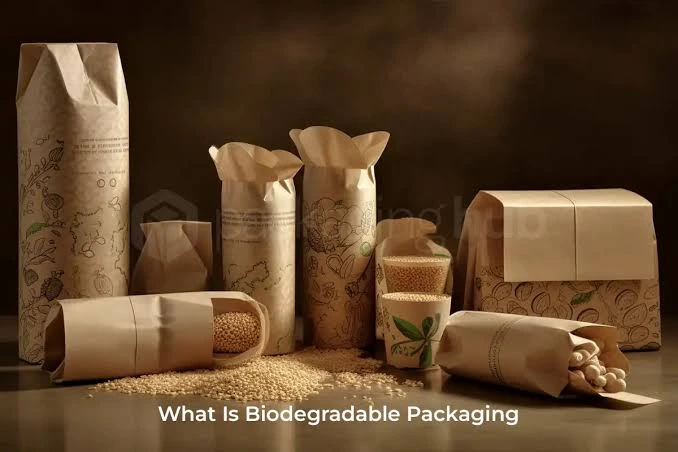
100% biodegradable packaging is made from materials that microorganisms can break down into natural elements like water, carbon dioxide, and biomass, leaving no toxic residue. Biodegradable packaging is typically made with paper, cardboard, and bioplastics from renewable resources like cornstarch or sugarcane.
Although they are conceived and produced expressly to reduce environmental impacts, biodegradable packaging materials have limitations. Cost, durability, and failure to produce desired sustainability benefits are among the chief concerns holding back some biodegradable packaging solutions.
Everything else, including packaging labelled as compostable (unless suitable for home composting or can be collected by your local authority), and biodegradable should be put into general waste
Biodegradable plastics take three to six months to decompose fully. That’s much quicker than synthetic counterparts that take several hundred years. Exactly how long a biodegradable bag takes to break down depends on various factors, such as temperature and the amount of moisture present.