As environmental regulations tighten and consumers become increasingly eco-conscious, businesses across the food, retail, and hospitality sectors are rethinking their packaging strategies. Traditional single-use plastics are rapidly being replaced by high-performance eco-friendly packaging solutions. Among these, certified compostable products have emerged as the gold standard for brands striving toward zero-waste commitments and circular supply chains.
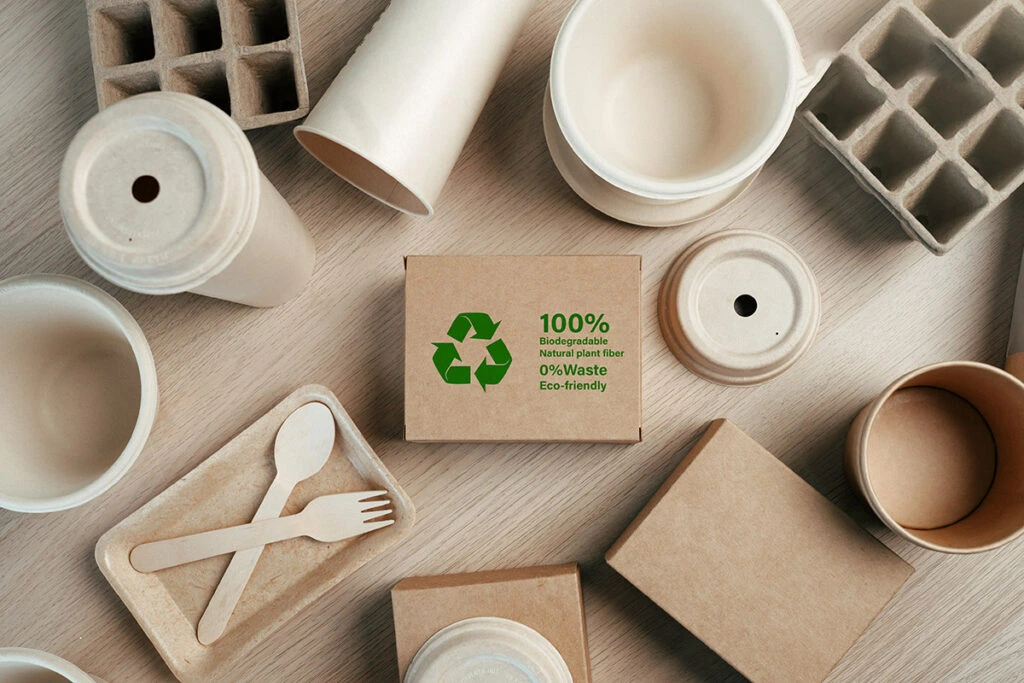
Why Brands Choose Eco-Friendly Packaging Over Traditional Plastics
The shift toward sustainable packaging is no longer just a trend—it is a core business strategy. Forward-thinking brands are switching to eco-friendly packaging for four major reasons:
1. Meeting Strict Environmental Regulations
2. Building Stronger Consumer Loyalty
Modern shoppers actively support brands that demonstrate real environmental responsibility. Studies show that a significant majority of consumers prefer purchasing products packaged in sustainable materials and are often willing to pay a premium for eco-conscious packaging.
3. Lowering Carbon Footprints
Unlike petroleum-based plastics, compostable products are derived from renewable plant-based raw materials like sugarcane bagasse, cornstarch (PLA), and cassava. Manufacturing these materials generates lower carbon emissions and reduces dependency on fossil fuels.
4. Supporting Circular Waste Management
Traditional plastics persist in landfills and oceans for centuries, breaking down into harmful microplastics. Certified compostable containers break down naturally into organic matter, enriching the soil without leaving toxic residues.
Key Benefits of Certified Compostable Food Packaging
Feature | Conventional Plastic | Certified Compostable Packaging |
Primary Material | Petroleum / Fossil Fuels | Plant Starch (PLA, Cornstarch, Bagasse) |
Decomposition Time | 400+ Years | 90–180 Days in Composting Setup |
Microplastic Risk | Very High | Zero |
Regulatory Compliance | Low (Subject to Bans) | High (Meets CPCB / EN 13432 Standards) |
What Makes Packaging "Certified Compostable"?
Not all “green” packaging is created equal. Many products claim to be “biodegradable,” but without recognized certification, these claims often amount to greenwashing.
To be labeled certified compostable, products must undergo rigorous laboratory testing by accredited bodies (such as BPI, TÜV Austria, or CPCB in India) to prove that:
- Disintegration: The material breaks down physically within 12 weeks in industrial or home composting setups.
- Biodegradability: At least 90% of the organic carbon converts into CO2 within 180 days.
- Non-Toxicity: The resulting compost contains no heavy metals or toxic residue, making it completely safe for plant growth and soil health.
How Food Brands Implement Certified Compostable Solutions
Transitioning to eco-friendly food packaging requires choosing the right materials for specific menu items and delivery conditions.
Popular Plant-Based Packaging Materials
- Sugarcane Bagasse Containers: Perfect for hot meals, gravies, and meal trays. Bagasse is naturally heat-resistant, microwave-safe, and grease-proof.
- PLA (Polylactic Acid) Cups & Lids: Clear, durable plant-starch containers ideal for cold beverages, salads, and desserts.
- Cornstarch Clamshell Boxes: Sturdy, leak-resistant boxes tailored for takeaway orders, burgers, and cloud kitchen packaging.
How to Transition Your Business to Eco-Friendly Packaging
Upgrading your brand’s packaging strategy is simple when executed in clear, strategic steps:
- Audit Your Current Packaging Needs: Identify single-use plastic containers, bags, and cutlery that can be swapped for plant-based alternatives.
- Verify Certifications: Ensure your supplier provides official test reports and CPCB/EN 13432 certificates to verify true compostability.
- Test Heat & Oil Resistance: Request product samples to test grease containment, temperature tolerance, and delivery durability.
- Educate Your Customers: Print clear disposal guidelines on your packaging to help consumers compost or dispose of items correctly.
SAKRT – A Brand of Envirly Innovations Pvt Ltd
Ready to Go Green?
Join hundreds of businesses making the switch to eco-friendly packaging solutions.