As India tightens regulations on single-use plastics, restaurants, cloud kitchens, and catering businesses face a major shift. Customers no longer just evaluate food by taste; they care about the environmental footprint of the box it arrives in.
Transitioning to compostable food packaging is no longer just an environmental decision; it is a critical regulatory and branding move for modern food businesses.
Why Sustainable Food Packaging Matters for Indian Restaurants & Cloud Kitchens
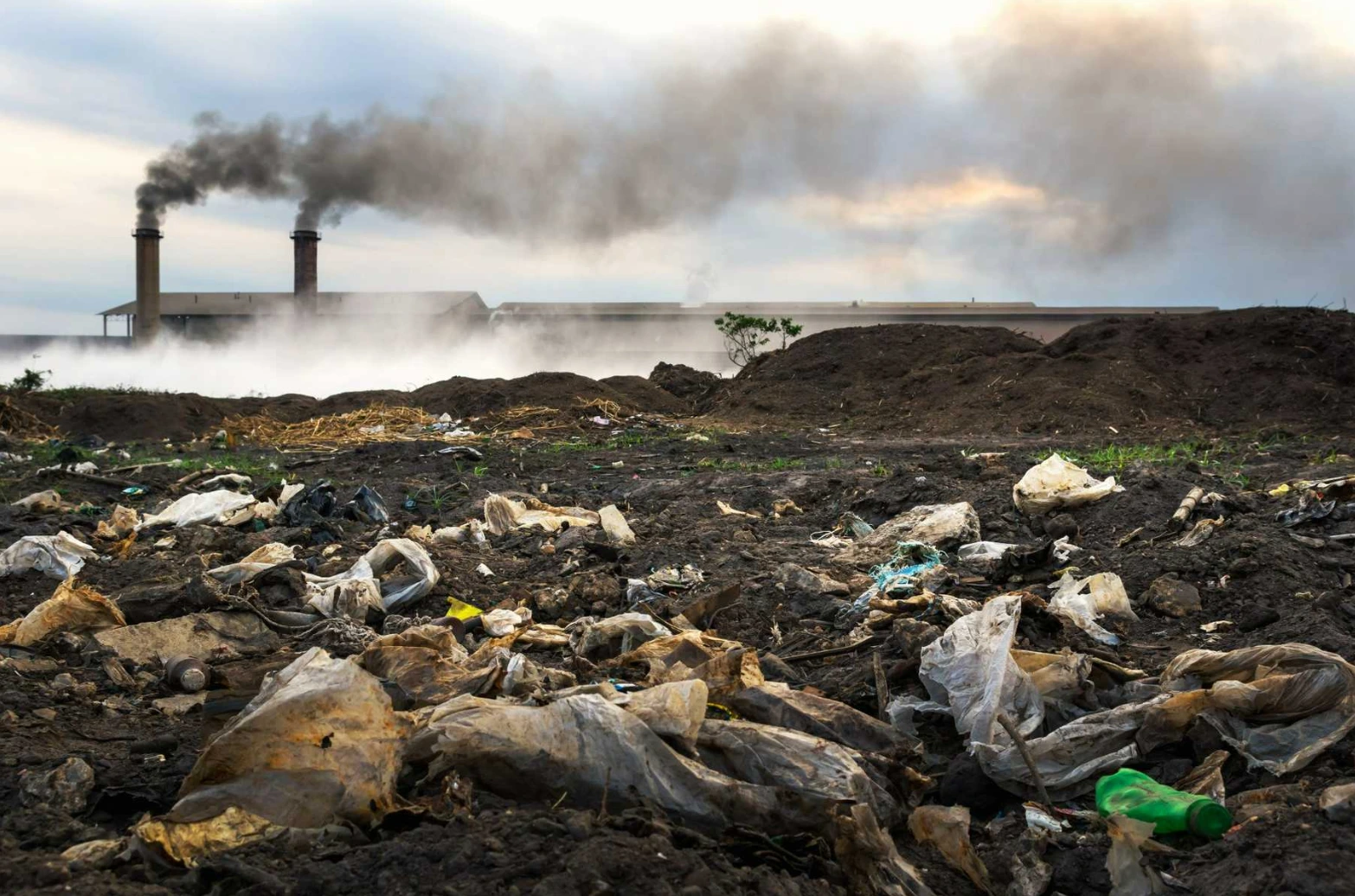
Single-use plastic containers and non-recyclable plastic-lined paper boxes take hundreds of years to decompose in landfills, releasing harmful microplastics into the soil and water supply.
With government mandates enforcing bans on single-use plastics across states like Karnataka and Maharashtra, food businesses require compliant, high-performance alternatives.
By adopting 100% plant-based compostable food containers, food delivery brands achieve three major goals:
- Full Legal Compliance: Adherence to Central Pollution Control Board (CPCB) standards.
- Enhanced Brand Loyalty: 73% of modern urban consumers prefer ordering from eco-friendly delivery brands.
- Zero Waste Impact: Packaging breaks down naturally within 90 to 180 days into organic soil nutrients.
What Makes Food Packaging "Compostable"?
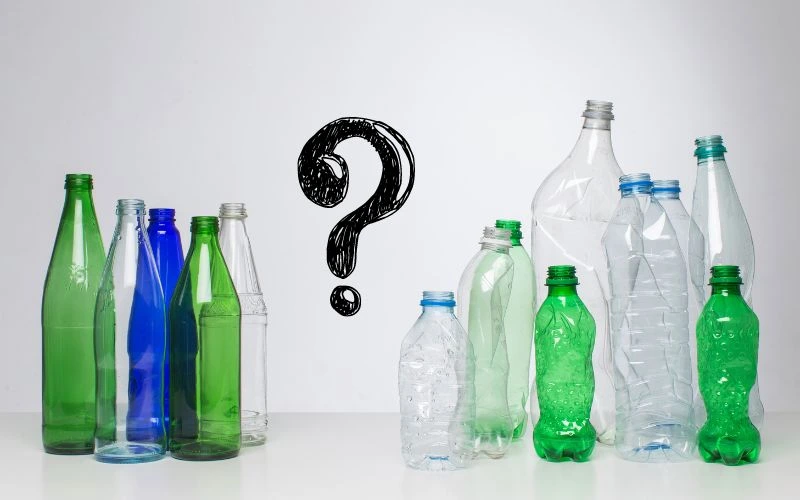
It is common to confuse the terms “biodegradable,” “recyclable,” and “compostable,” but they represent entirely different end-of-life processes for packaging. Understanding the distinction is key to making a genuinely sustainable choice for your business.
The Problem with "Biodegradable"
While “biodegradable” sounds eco-friendly, it simply means a product will eventually break down. However, this process can take an unspecified amount of time, sometimes decades. Many biodegradable plastics are made from blended synthetic polymers that leave behind toxic microplastics as they degrade, contaminating soil and water systems.
The Limits of "Recyclable" Food Containers
Recyclable packaging requires complex, energy-intensive industrial reprocessing. The biggest drawback for the food industry is contamination. Grease, oil, and food stains prevent plastic and paper containers from being recycled. Once a recyclable box is soiled with gravy or oil, it is typically rejected by recycling facilities and sent straight to a landfill.
The Compostable Advantage (The SAKRT Standard)
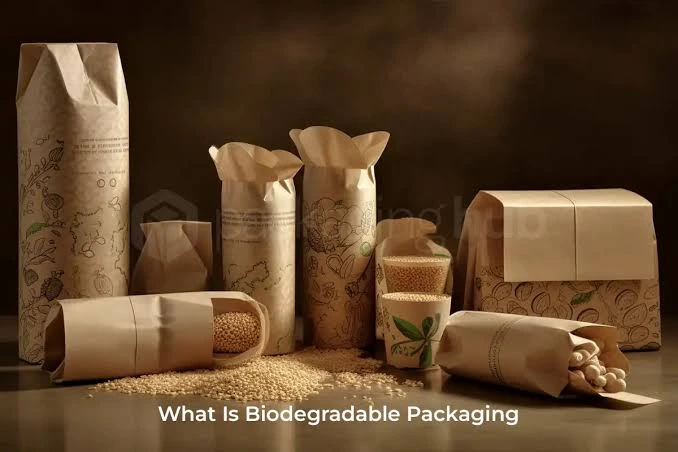
Compostable packaging is the true zero-waste solution. Made from 100% plant-based renewable materials like sugarcane bagasse and cornstarch (PLA), these containers are designed to return to the earth. Under composting conditions, they decompose naturally the role of microbes in compost production into nutrient-rich organic matter within just 90 to 180 days. Most importantly, they leave absolutely zero toxic residue or microplastics behind. Because they are completely organic, compostable containers can be safely disposed of right alongside leftover food scraps without needing to be washed first.
Top Types of Compostable Food Packaging Materials
1. Sugarcane Bagasse Containers
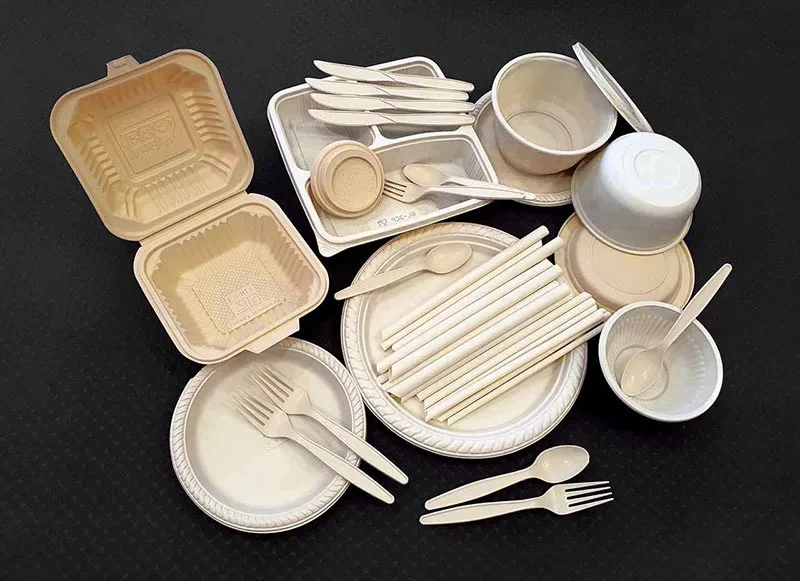
Bagasse is the natural fibrous byproduct left behind after pressing sugarcane juice. It is molded into sturdy meal trays, compartment boxes, and bowls.
- Best For: Hot gravies, thalis, meal boxes, and deep-fried items.
- Key Benefit: Microwave-safe, freezer-friendly, and naturally oil-and-water resistant without plastic coatings.
2. Plant-Starch (PLA) & Cornstarch Container
- Best For: Cold beverages, clear salad bowls, clear dessert tubs, and transparent lids.
- Key Benefit: Crystal-clear clarity matching conventional plastic with 100% industrial compostability
Polylactic Acid (PLA) is derived from renewable plant sugars like cornstarch or cassava root.
3. Unbleached Kraft Paper with Bio-Coating
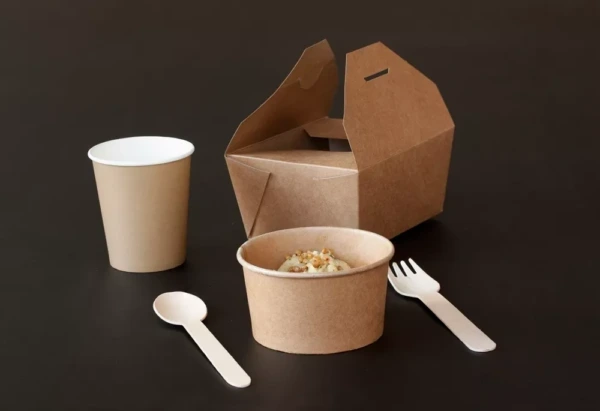
Heavy-duty Kraft paper coated with aqueous or PLA moisture barriers rather than traditional polyethylene (PE) plastic.
- Best For: Burger boxes, sandwich wraps, noodle boxes, and french fry pouches.
- Key Benefit: Excellent thermal insulation and customization possibilities for brand printing.
Key Benefits of Switching to CPCB-Certified Containers
1. Superior Heat & Oil Resistance
Unlike flimsy plastic containers that melt or leach harmful chemicals when exposed to hot food, high-density bagasse and bio-lined containers retain structural stability up to 100°C.
2. Elimination of Chemical Leaching
Polystyrene (thermocol) and cheap plastics release harmful phthalates and Bisphenol A (BPA) when mixed with hot oils and acidic sauces. Plant-based compostable tableware is 100% food-grade and non-toxic.
3. Customized Branding Opportunities
Custom-printed eco-friendly meal boxes showcase a brand’s commitment to sustainability on every food delivery order.
Essential Compostable Products for Every Food Service Operator
Whether running a local restaurant or a national cloud kitchen chain, setting up an eco-friendly packaging workflow requires key essentials:
- Meal Trays & Clamshell Boxes: 2, 3, and 5-compartment bagasse boxes for thalis and combo meals.
- Soup & Gravy Bowls: Leak-proof compostable bowls equipped with tight-fitting plant-starch lids.
- Eco Cutlery & Straws: Sturdy cornstarch forks, spoons, knives, and paper straws.
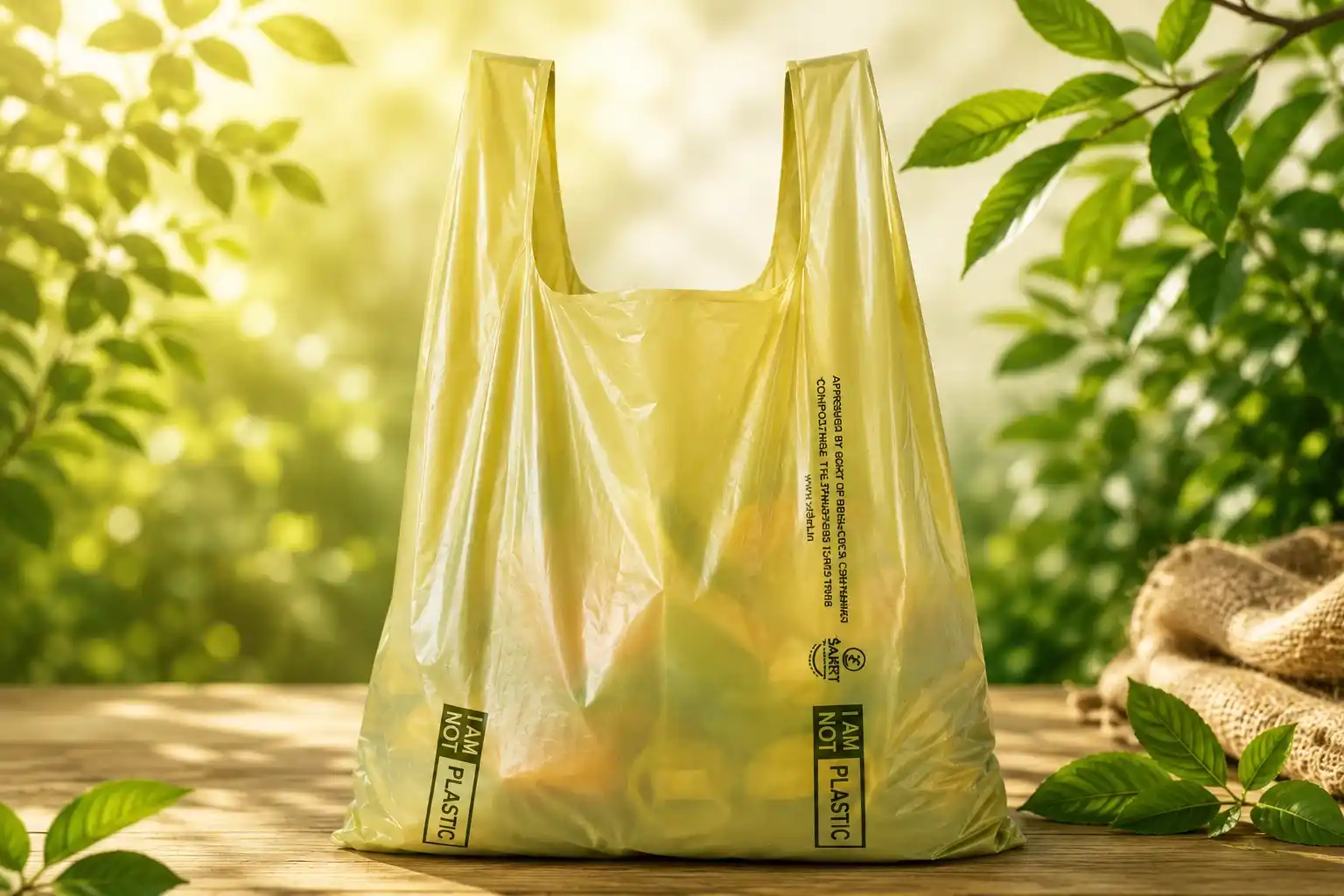
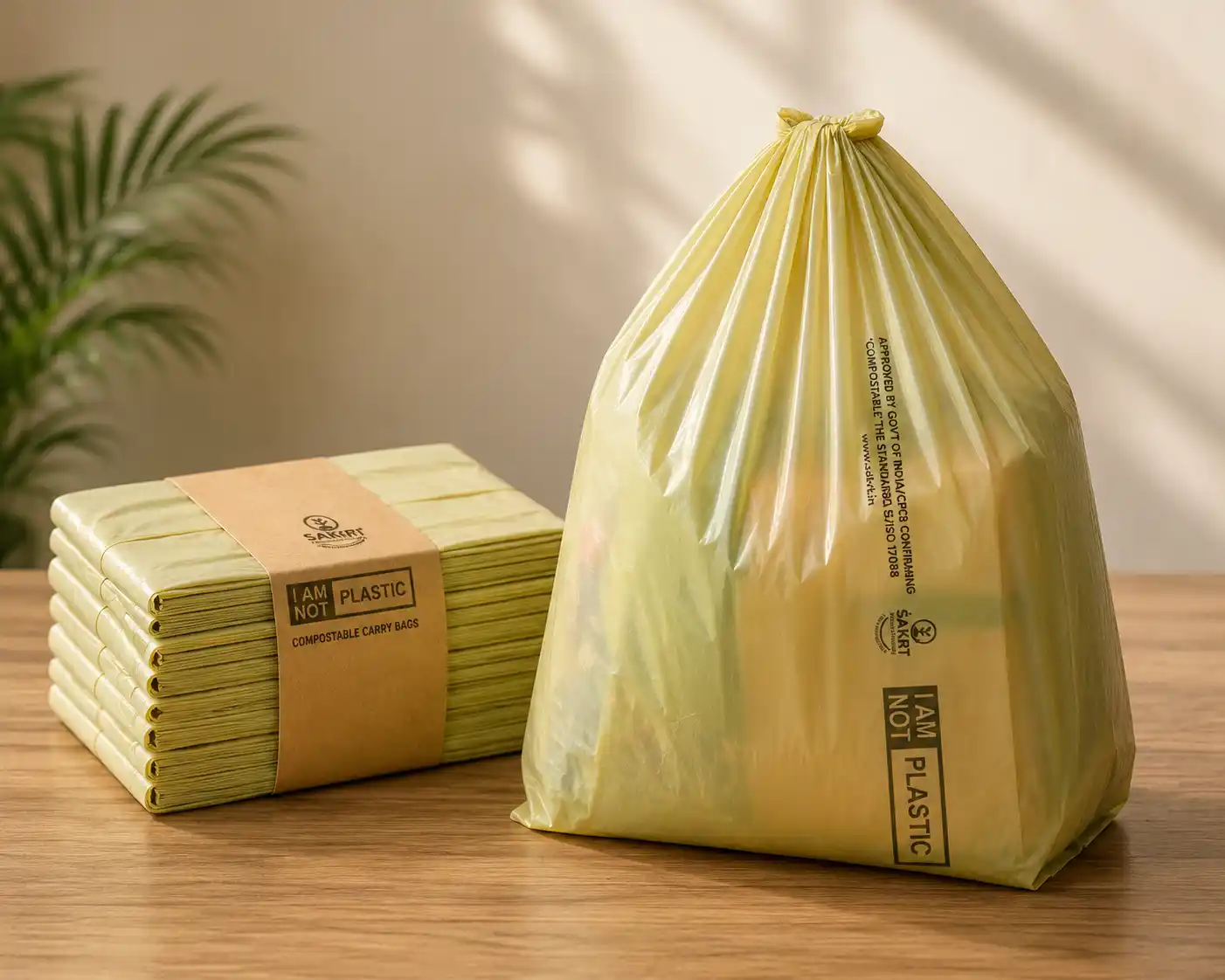
- Compostable Delivery Carry Bags: Bio-based carry bags engineered to transport heavy food boxes safely.
How SAKRT Empowers Sustainable Food Delivery
At SAKRT, we manufacture and distribute 100% CPCB-certified compostable packaging solutions across Mangalore, Karnataka, and Pan-India. Our plant-based products help food businesses eliminate single-use plastics without compromising leak resistance or delivery quality.
Ready to make your cloud kitchen or restaurant 100% eco-friendly? Explore our complete range of certified compostable carry bags, garbage liners, and food packaging solutions.
SAKRT – A Brand of Envirly Innovations Pvt Ltd
Choose SAKRT’s Biodegradable Products
Join the sustainability revolution today!
Choose SAKRT’s biodegradable products for your home, business, or event and make waste disposal responsible.