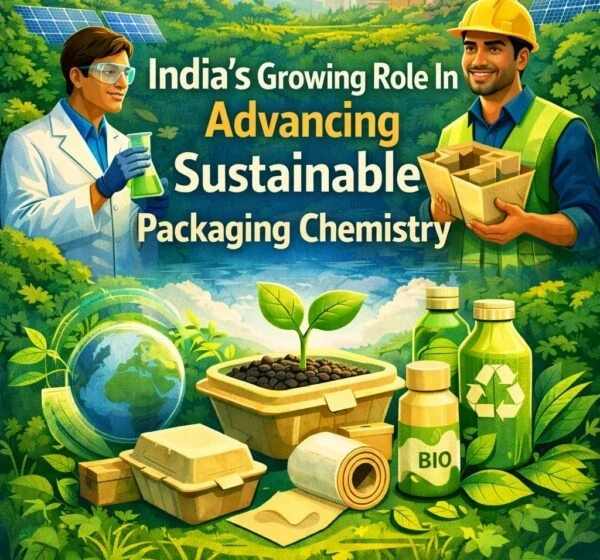
The global shift away from single-use plastics is no longer just a trend; it is a regulatory and environmental mandate. As businesses worldwide scramble to adapt, India is quietly emerging as a powerhouse in advancing sustainable packaging chemistry. With strict government regulations and an influx of plant-based innovations, the landscape of eco-friendly packaging is transforming rapidly.
For retailers, e-commerce brands, and enterprises, understanding these changes is critical to staying compliant and meeting the modern consumer’s demand for green solutions.
The Catalyst: Eco-Friendly Packaging Laws in India
The push for sustainable packaging in India has been heavily accelerated by updated legislative frameworks. Extended Producer Responsibility (EPR) mandates and strict guidelines from the Central Pollution Control Board (CPCB) have made it clear: businesses must take accountability for their plastic footprint.
How Single-Use Plastic Bans Are Shaping the Market
With the sweeping bans on specific single-use plastic items, the demand for verified alternatives has skyrocketed. However, the market is currently facing a challenge: distinguishing between genuine compostable products and misleading “oxo-degradable” plastics that simply break down into toxic microplastics.
This regulatory tightening is forcing the industry to move beyond greenwashing and invest in true sustainable packaging chemistry materials derived from corn starch, sugarcane, and other plant-based polymers that return to the earth naturally.
Emerging Plant-Based Packaging Trends for Brands
100% Compostable Carry Bags and Mailers
Traditional polyethylene is being replaced by Polylactic Acid (PLA) and Polybutylene Adipate Terephthalate (PBAT) blends. These materials provide high tensile strength and puncture resistance for e-commerce mailers, grocery bags, and nursery bags. Most importantly, when placed in a composting environment, they decompose within 180 days, leaving behind nutrient-rich biomass.
Non-Toxic Tableware and Food Packaging
The hospitality and food delivery sectors are heavily adopting plant-based compartment plates, wrapping films, and takeaway containers. Because these items interact directly with food, zero-chemical-leaching properties are a non-negotiable standard for the modern sustainable packaging market.
The Opportunities for Sustainable Brands in India
Transitioning to CPCB-certified sustainable packaging offers more than just legal compliance; it is a powerful brand differentiator. Consumers actively seek out businesses that align with their environmental values.
Brands that adopt eco-friendly packaging report:
- Increased Customer Loyalty: Buyers are willing to pay a premium for brands that demonstrate environmental responsibility.
- Hassle-Free Compliance: Using certified compostable bags eliminates the risk of local municipal fines.
- Enhanced Brand Image: Replacing plastic courier bags with branded, compostable mailers creates a premium unboxing experience.
Partner with SAKRT for CPCB-Certified Sustainable Packaging
As India plays a growing role in packaging chemistry, local manufacturing is bridging the gap between innovation and accessibility. At SAKRT, based in Mangaluru, we manufacture 100% compostable, CPCB-certified packaging solutions designed for the modern business.
From heavy-duty garbage liners to custom-branded retail bags, our products degrade completely within six months, ensuring zero microplastic pollution.
SAKRT – A Brand of Envirly Innovations Pvt Ltd
Ready to Go Green?
Join hundreds of businesses making the switch to eco-friendly packaging solutions.