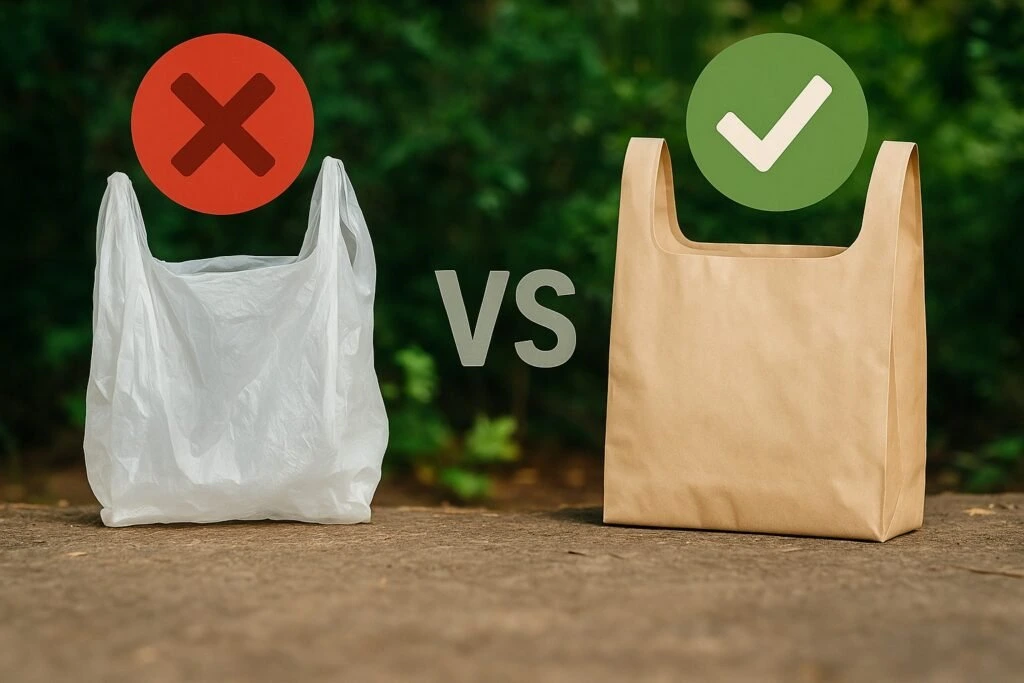
The global transition away from single-use plastics has forced businesses, retail stores, and daily consumers to rethink their packaging habits. For decades, traditional polyethylene carry bags have dominated the market due to their low cost and durability. However, the environmental toll clogged landfills, choked marine life, and centuries of microplastic pollution has made them unsustainable.
Today, the shift toward non plastic carry bags specifically plant-based, certified compostable bags is no longer just an environmental trend; it is a regulatory requirement and a consumer expectation.
What Are Non-Plastic Carry Bags?
When people hear “non plastic carry bags,” they often think of traditional cloth bags, paper bags, or woven jute sacks. While those have their place, they cannot fully replace the lightweight utility, moisture resistance, and cost-effectiveness of traditional retail shopping bags.
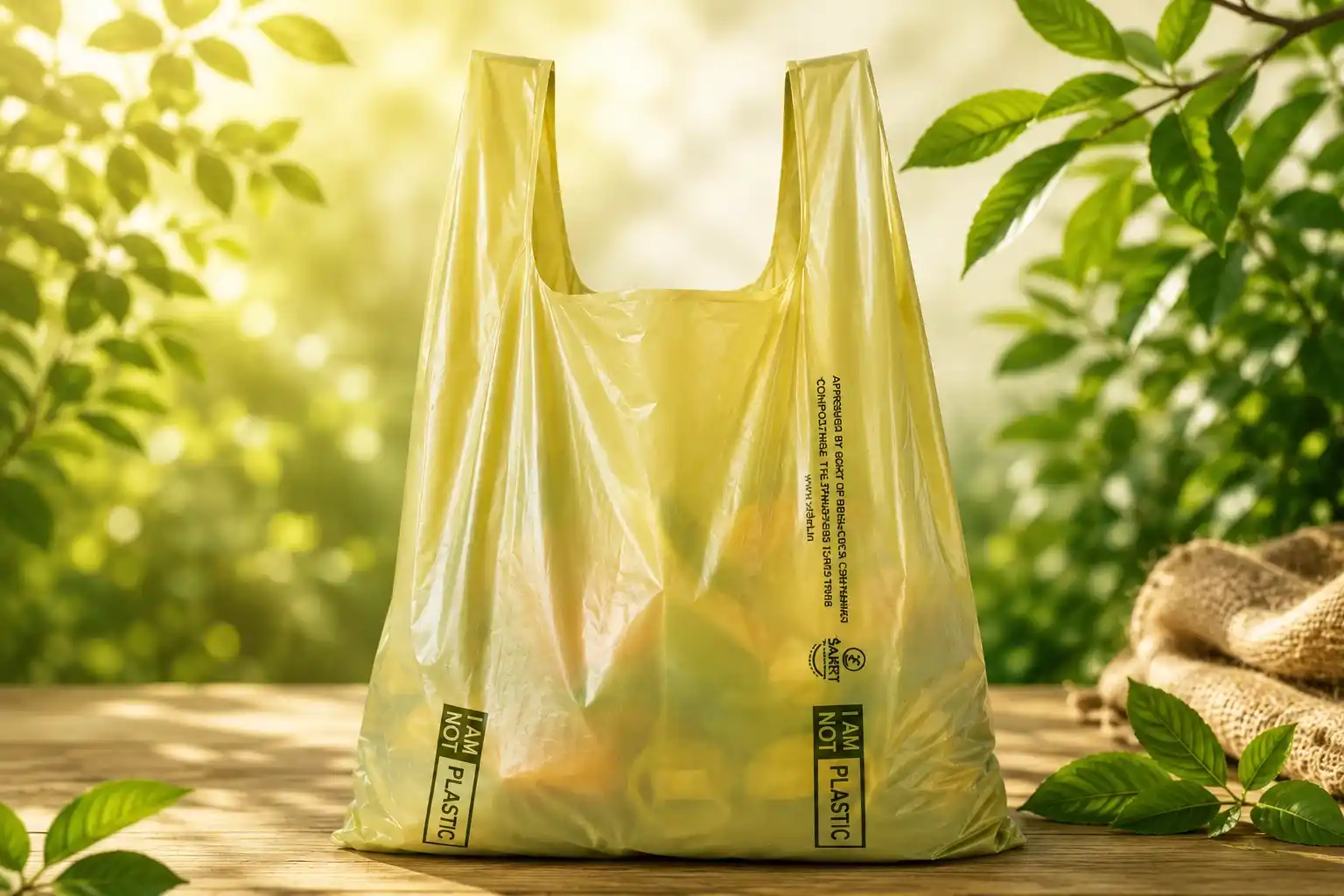
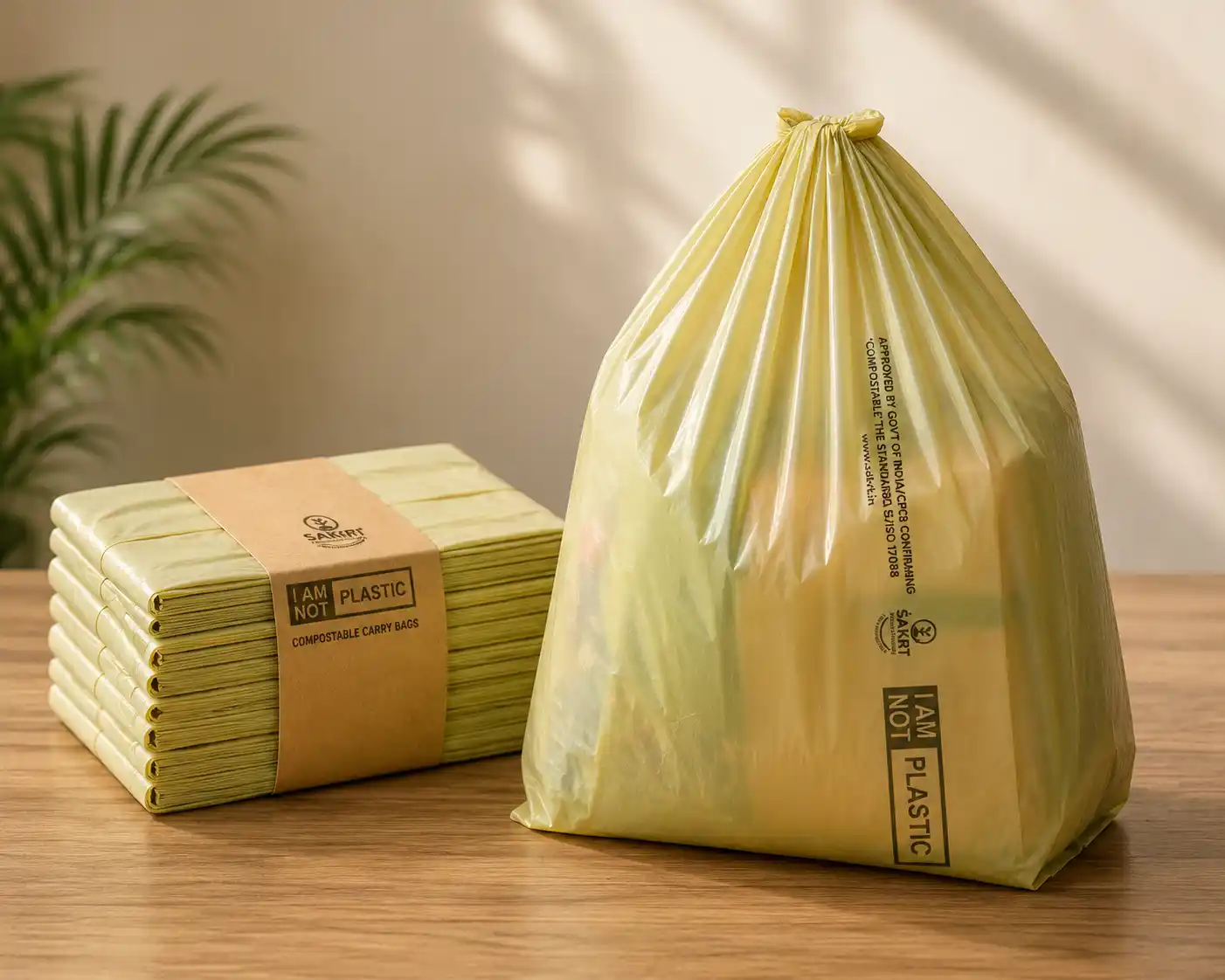
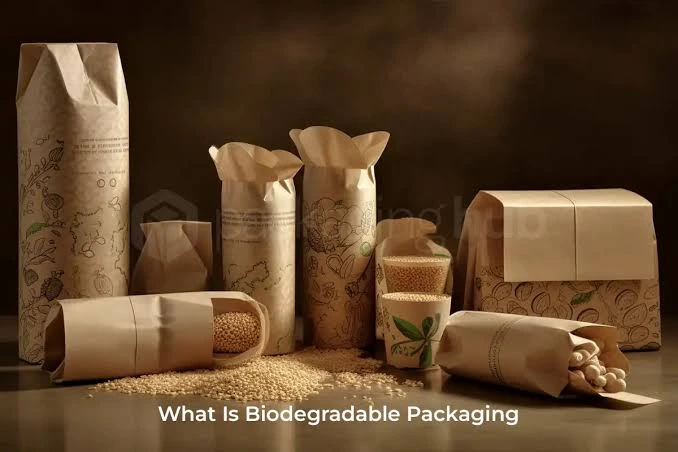
Modern non-plastic carry bags bridge this gap. Manufactured from renewable plant starches (such as corn and cassava) combined with biodegradable polymers (PBAT), these bags possess the exact same flexibility, feel, and tear-resistance as regular plastic bags. The key difference? They are entirely petroleum-free and organic.
Why Non-Plastic Carry Bags Outperform Conventional Plastics
1. Complete Biodegradability vs. Permanent Accumulation
Traditional plastic bags do not biodegrade; they photodegrade, breaking down into toxic microplastics that contaminate soil and groundwater. In contrast, high-quality non-plastic compostable carry bags decompose naturally under active composting conditions within 180 days, converting completely into biomass, water, and carbon dioxide.
2. Regulatory Compliance for Businesses
Across India, central and state pollution control boards have implemented stringent bans on single-use plastics under the Plastic Waste Management (PWM) Rules. Retailers, supermarkets, and apparel stores face hefty penalties for using banned materials. Utilizing CPCB-certified non-plastic carry bags ensures absolute legal compliance.
3. High Tensile Strength and Practical Utility
Early alternatives to plastic were notorious for tearing easily under minimal weight. Modern manufacturing advancements have solved this issue. Certified plant-based parcel bags and grocery bags offer exceptional load-bearing capacity, secure handle seals, and reliable leak resistance.
Key Applications of Compostable Carry Bags in Modern Retail
Businesses across multiple sectors are adopting non-plastic solutions to meet sustainability goals:
- Supermarkets & Grocery Stores: Heavy-duty shopping bags designed to carry vegetables, grains, and household goods safely.
- Apparel & Retail Outlets: Elegant, custom-printed carry bags that elevate brand image while matching eco-friendly brand values.
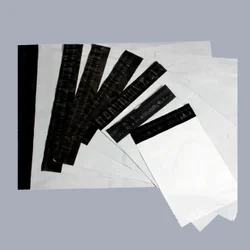
- E-Commerce & Courier Services: Sturdy parcel bags and mailing pouches that protect shipments without contributing to plastic waste.
Choosing the Right Manufacturer for Your Business
Switching to sustainable packaging requires working with certified manufacturers who maintain rigorous quality standards. At SAKRT, we engineer high-performance, CPCB-certified, and 100% plant-based compostable carry bags designed for bulk commercial supply, retail chains, and daily consumer needs.
Eliminate single-use plastic from your supply chain without compromising on strength or reliability.
SAKRT – A Brand of Envirly Innovations Pvt Ltd
Choose SAKRT’s Biodegradable Products
Join the sustainability revolution today!
Choose SAKRT’s biodegradable products for your home, business, or event and make waste disposal responsible.
FAQs
Compostable bags are enriched in a powerful nutritious compost while biodegradable bags break down into natural elements without enriching the soil.
If the conditions are right, they can break down in 3 to 6 months, which is much faster than plastic.
They are safe for food storage and packaging as long as they are food-grade certified.
They can be used for both dry and wet waste, but to keep them strong, do not store them for too long.
From certified eco-friendly packaging suppliers, both online and offline.