

In today’s world, microplastics have become a hidden part of our everyday lives. These tiny plastic bits, often smaller than 5 millimeters, come from the breakdown of bigger plastic objects or are made on purpose for things like makeup and personal care products. As microplastic pollution spreads into oceans, soil, and even the air, it moves up through food chains and ends up inside our bodies. Because of this, there is increasing worry about microplastics found in people, in the food we eat, and in the water we drink.
This blog looks at how these tiny particles impact our health and daily lives, and also gives useful tips to help people become more aware and take action. Even though research is still developing and some studies are being questioned for their methods, the widespread presence of microplastics means we need to pay attention. Learning where these plastics come from and what they might do helps people make better, informed choices.
How Microplastics Are Formed and Why It Matters
Microplastics are the tiny pieces of plastic that are smaller than 5 millimeters, and even smaller ones called nanoplastics are less than 1 micrometer in size. Some microplastics are made directly, like the tiny beads used in body scrubs, while others come from larger plastic items breaking down over time because of sunlight, waves, or friction.
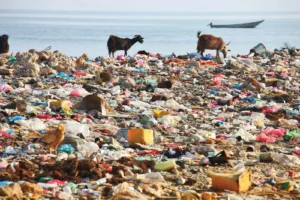
These small plastic pieces don’t break down easily and can stay in the environment for a very long time. They build up in oceans, soil, and even in the air we breathe. Microplastics come from many common sources, such as fibers from synthetic clothes that come off during washing, wear from car tires on roads, and plastic packaging that releases bits as it ages.
Sources of Microplastic Pollution in Daily Life
Microplastic pollution sneaks into everyday life through common activities. For example, when you wash clothes made from synthetic materials, millions of tiny fibers end up in the wastewater. The same happens with car tires and road markings, which break down into particles that can float in the air or flow into waterways.
At home, items like plastic cutting boards, utensils, and non-stick cookware can release small pieces over time, especially when they’re heated or worn down.
Many personal care and cleaning products also contain or create these tiny plastics. As a result, people are constantly exposed to microplastics, making them a regular part of modern life.
Microplastics in Water and packaged bottles
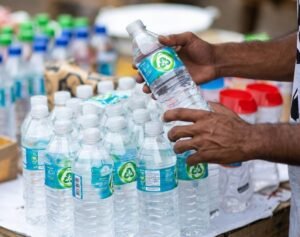
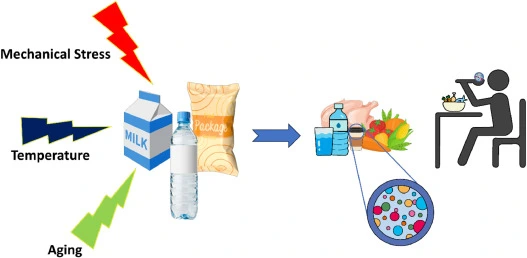
Microplastics in water are one of the main ways people get exposed to them. Bottled water often has more microplastics than tap water, with some tests finding thousands of tiny plastic particles in just one liter. This happens because the plastic used in bottles and caps breaks down over time, shedding small pieces into the water. Tap water isn’t completely safe either.
Although treatment plants filter out a lot of bigger particles, microplastics can still get into homes through pipes, from the air, or because some filters don’t catch them all. As a result, drinking water every day means taking in small amounts of microplastics. Using a water filter or drinking from glass or steel bottles can help reduce this risk.
Microplastics in Food Products
Microplastics can be found in many different types of food. Seafood tends to collect these tiny plastic particles because filter-feeding animals take them in from polluted water. Other items like sea salt, beer, honey, and even fruits and vegetables can also have traces of microplastics, often coming from contaminated water used for irrigation, polluted soil, or dust in the air.
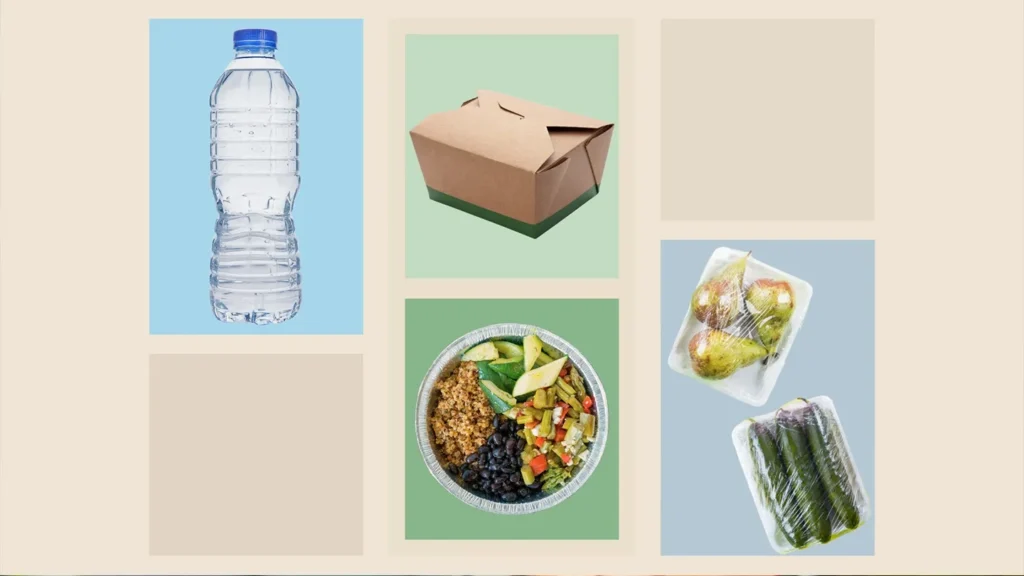
Processed and packaged foods are another source. Things like plastic wrap, takeout containers, and tea bags especially those with plastic seals can release microplastics, especially when heated. Also, animals and plants that grow in polluted areas can take in microplastics, which then end up in meat, dairy, and other foods we eat.
Studies suggest that people might swallow thousands to over a million microplastic particles just through the food they eat each year. This means microplastics are quietly making their way into our meals without us even realizing it.
Microplastics in Human Body
Scientists have found microplastics in humans in blood, lungs, liver, placenta, and even brain tissue. These particles get into the body mostly by eating or breathing them in. Some studies suggest they can pass through body barriers like the gut lining or the blood-brain barrier. Once inside the body, microplastics might stay there or move to different organs. Researchers have discovered them in artery plaques, tonsils, and reproductive tissues. However, some big findings have been questioned because of possible lab contamination, showing the importance of careful research methods. Even though there are some disagreements, most scientists agree that people are widely exposed to microplastics.
Health Impacts of Microplastics Exposure
New research shows that microplastics can cause several harmful effects on living things. In tests done in labs and on animals, these tiny plastic particles have been found to cause stress in cells, lead to inflammation, and damage cells. Some chemicals attached to the plastics, like phthalates, and other harmful substances that stick to the plastics, such as heavy metals and certain types of pollutants, can come loose. These substances can then affect how the body’s hormone system works.
Potential Effects on Cardiovascular and Respiratory Health
Studies show that microplastics found in humans are linked to increased chances of heart attack, stroke, or death in some people who have plastic particles in their artery plaques. Also, breathing in air particles may lead to lung inflammation or reduced lung function.
Digestive and Reproductive Concerns
Microplastics found in food and water can impact the gut, possibly changing the balance of good bacteria or causing discomfort. Some studies have raised concerns about possible risks to reproductive health, like effects on fertility or how a baby develops, but there isn’t enough human research yet, and the links are not fully confirmed.
Other Emerging Risks
Many studies show that oxidative stress and immune reactions are connected to microplastic exposure. Researchers are looking into how this might relate to problems in the nervous system, changes in metabolism, or long-term inflammation. However, experts say that even though there are possible risks, it’s not clear yet if microplastics directly cause these issues. They stress that more solid research is needed to understand the full picture. In general, microplastics contribute to the body’s overall exposure to harmful substances, but the effects are often not obvious.
How Microplastics Affect Daily Life
Beyond health, microplastics affect everyday routines in practical ways. Clothes made from synthetic materials need to be washed often, which leads to more microfibers being released and increases laundry expenses. The ease of using food packaging also brings hidden risks, as particles can come off, making people rethink how they store and prepare food.
Additionally, there’s growing awareness that household dust can contain plastics floating in the air, which impacts indoor air quality.
This has led some families to shift towards using more reusable items, which in turn changes their shopping, cooking, and cleaning habits. In short, microplastics are quietly changing how people live sustainably.
Practical Steps to Reduce Exposure in Daily Life
Reducing exposure to microplastics can be difficult, but it’s possible with small, thoughtful changes. Start by using filtered tap water instead of buying bottled water. Then, choose containers made of glass, stainless steel, or ceramic for storing and cooking food, and avoid using plastic in the microwave.
Wear clothes made from natural materials like cotton or wool to reduce the release of microfibers. Use wooden or bamboo cutting boards and kitchen tools instead of plastic ones. Wash fruits, vegetables, and seafood thoroughly, and try to eat less ultra-processed or heavily packaged foods.
Inside your home, install HEPA air filters and vacuum regularly to help keep dust under control. Also, support efforts to reduce microplastic pollution by advocating for better waste systems and fewer single-use plastics. These small actions, when done together, can lower your personal exposure to microplastics and also help protect the environment.
Conclusion
Microplastics are everywhere these days, showing how big of a problem they’ve become for the environment and our health. They show up in water, in food, and even inside our bodies. This shows how the choices we make in our daily lives are connected to the health of the planet.
Even though scientists are still learning more about microplastics, they’re working to understand the possible effects carefully. But people can take steps now to help reduce the problem. Using reusable products and pushing for less microplastic pollution can make a real difference. For more information on living sustainably and taking care of the environment, visit sakrt.in.