Walk into almost any plant nursery in India, and you will see a sea of black plastic polybags. While these plastic seedling bags have been the industry standard for decades, they come with a hidden cost both to the environment and to the plants themselves.
From stunted root systems to the stress of transplantation, traditional plastics do more harm than good. Fortunately, modern agriculture is undergoing a green revolution. Compostable nursery bags are rapidly emerging as the superior alternative, offering a seamless way to grow healthier plants while completely eliminating plastic waste.
Whether you are a home gardener in a city apartment, a commercial farmer, or managing a large-scale forestation project, switching to 100% biodegradable seedling bags is a game-changer. Here is everything you need to know about how they work.
What Are Compostable Nursery Bags?
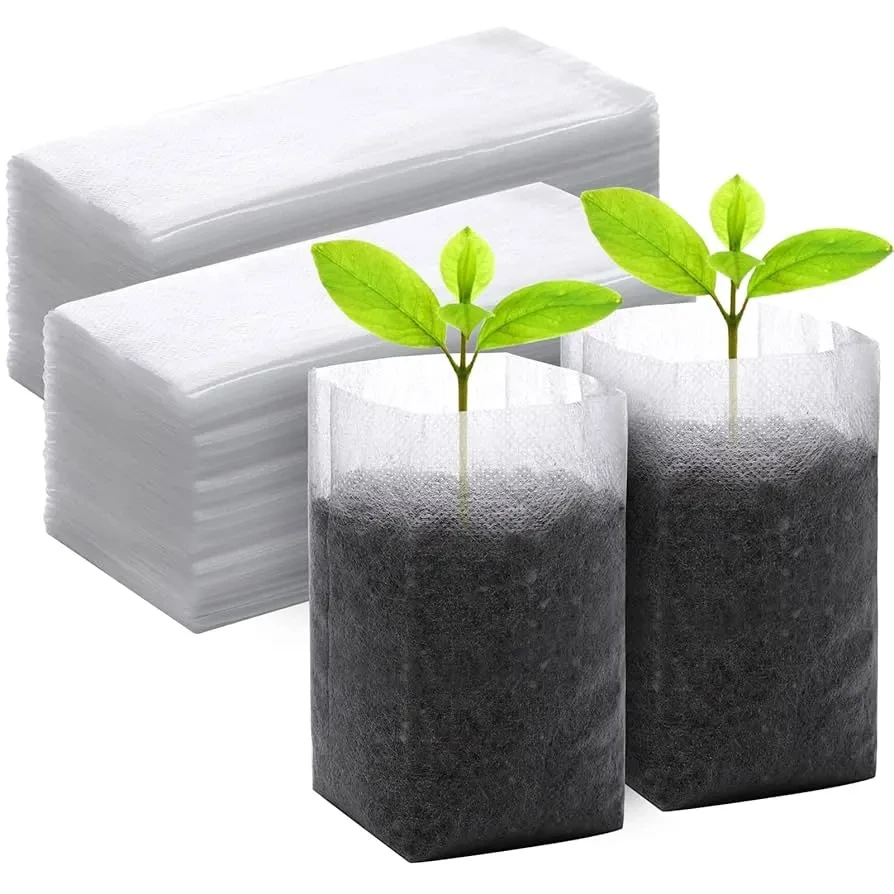
Compostable nursery bags (often called biodegradable grow bags or seedling pouches) are eco-friendly containers used to start seeds, grow saplings, and propagate plants.
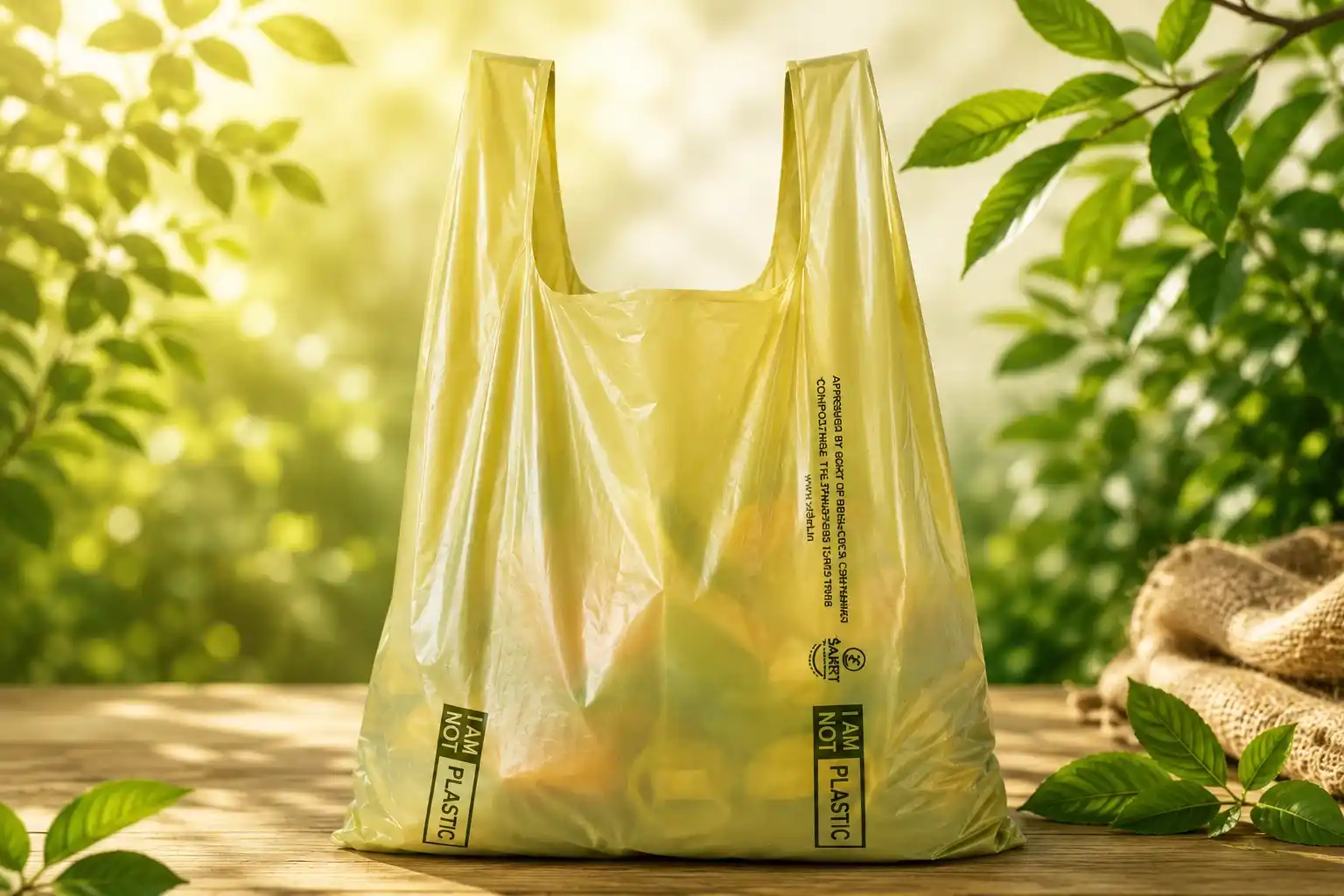
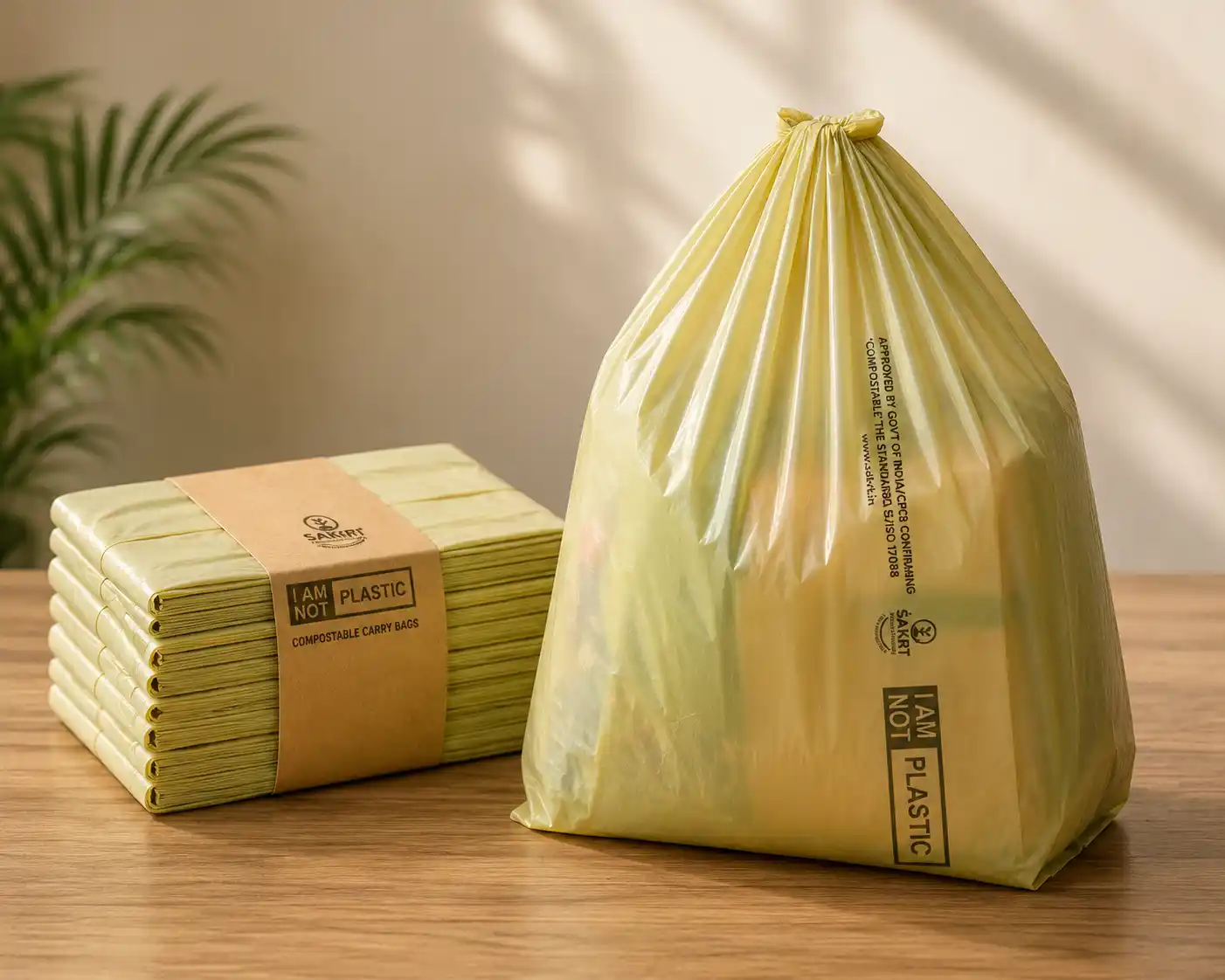
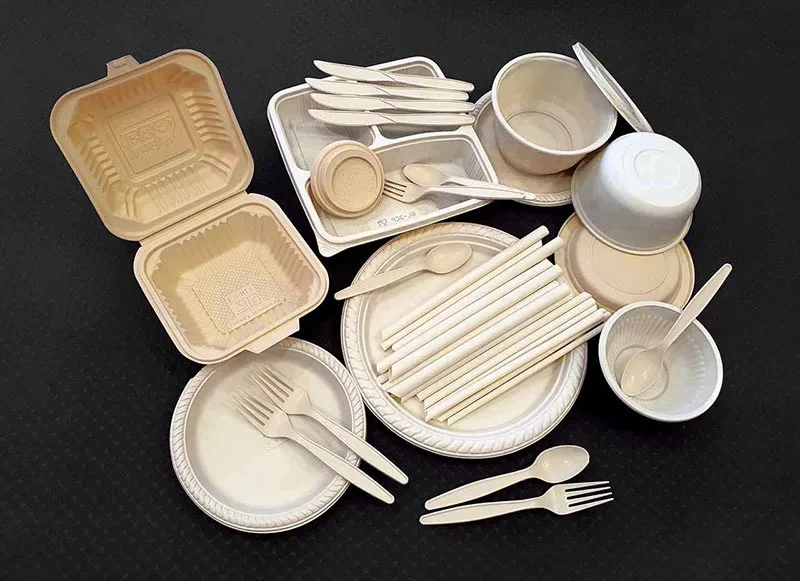
Unlike conventional petroleum-based plastic bags, SAKRT’s compostable nursery bags are manufactured using natural, plant-based materials like cornstarch, sugarcane bagasse, and non-woven natural plant fibers. Because they contain zero synthetic plastics or toxic chemicals, they are designed to be planted directly into the earth along with the sapling.
The Hidden Danger of Plastic Polybags in Gardening
To understand why compostable bags are superior, we must look at the flaws of traditional plastic:
- Root Circling: In a plastic bag, roots hit the impermeable wall and begin to circle around the bottom. This creates a weak, tangled root system that suffocates the plant over time.
- Transplant Shock: To plant a sapling grown in plastic, you must tear the bag away. This tears delicate micro-roots and exposes the root ball to sudden temperature and moisture changes, causing “transplant shock” which can stunt growth or kill the plant.
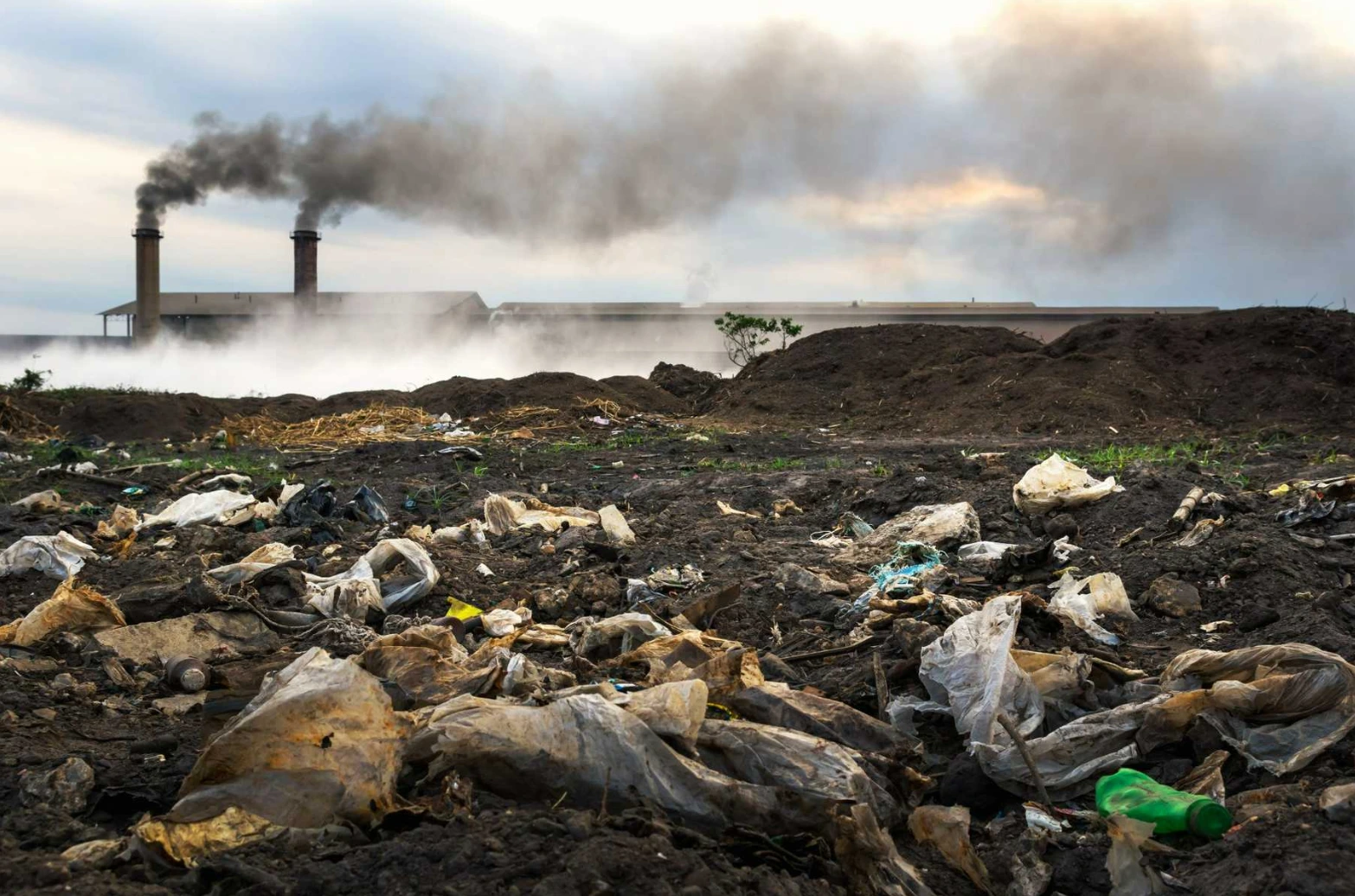
- Environmental Pollution: Millions of flimsy plastic nursery bags are discarded into Indian landfills and agricultural lands every year, eventually breaking down into toxic microplastics that poison the soil.
Top Benefits of Switching to Compostable Seedling Bags
Transitioning to plant-based nursery bags offers massive agricultural and ecological advantages.
1. Zero Transplant Shock
Because you plant the entire compostable bag directly into the ground or a larger pot, the roots are never disturbed. The plant experiences zero transplant shock, leading to survival rates of up to 90% (compared to 70% with plastic bags).
2. Promotes "Air Pruning" for Healthier Roots
Our compostable bags feature a breathable, non-woven structure. When a root reaches the edge of the bag, the exposure to air naturally “prunes” the tip. This forces the plant to grow a dense, fibrous network of secondary roots inside the bag, resulting in a much stronger, more resilient plant.
3. Eco-Friendly and Soil-Enriching
SAKRT’s compostable nursery bags are unlocking stronger, greener growth for India’s horticulture enthusiasts, from novice balcony gardeners in Chennai to seasoned farmers in Punjab. By mitigating soil degradation, easing transplants, and amplifying environmental resilience, they empower a sector poised for exponential expansion.
As production climbs toward 320 million tonnes, embracing these bags isn’t merely practical, it’s a step toward resilient, regenerative landscapes. Ready to cultivate success? Reach out to SAKRT for guidance, transforming your nursery into a powerhouse of sustainable vitality.
How to Use Biodegradable Grow Bags Effectively
Using these eco-friendly pouches is incredibly straightforward. Follow these steps for optimal results:
1: Soil Preparation
Fill the compostable bag with a lightweight potting mix. A standard mix of equal parts soil, compost, and sand works perfectly to ensure the bag remains breathable and drains well.
2: Seed Sowing
Sow your seeds or plant your cuttings just as you would in a normal container. Water regularly. The fabric will retain moisture beautifully while preventing waterlogging.
3: Direct Soil Planting
Once the sapling has developed a strong root system (usually 4 to 6 weeks, when roots begin to push against the fabric), dig a hole in your garden bed or final planter. Place the entire bag into the hole, cover it with soil, and water thoroughly. Nature will take care of the rest!
SAKRT: India’s Trusted Manufacturer of Plant-Based Nursery Bags
At SAKRT, we are committed to helping India achieve a greener, plastic-free future. Our compostable nursery bags are CPCB-certified, rigorously tested for durability, and engineered to support optimal plant health.
Whether you need small pouches for a balcony herb garden or bulk orders for commercial agriculture, we provide high-quality, non-toxic solutions that protect both your crops and the planet.
Ready to grow greener?
Explore our range of 100% compostable products and request a bulk quote for your nursery today. Together, we can make plastic pollution a thing of the past.
SAKRT – A Brand of Envirly Innovations Pvt Ltd
Choose SAKRT’s Biodegradable Products
Join the sustainability revolution today!
Choose SAKRT’s biodegradable products for your home, business, or event and make waste disposal responsible.
Frequently Asked Questions (FAQs)
Plastic nursery bags compact soil, reduce aeration, and release microplastics (up to 1.9 mg per kg), leading to root rot and long-term fertility loss in Indian farmlands; compostable alternatives like SAKRT’s promote microbial health and add organic matter upon decomposition.
SAKRT’s compostable nursery bags are crafted from non-woven plant-based fibers like jute, coir, or cornstarch, weighing 10–20 grams each, ensuring breathability and full breakdown without toxins, compliant with standards.
These bags allow direct soil planting without root disturbance, promoting air pruning for fibrous systems; trials show 50% less shock, with 90% survival rates for crops like tomatoes, as roots penetrate the fabric in weeks for faster anchoring.
They decompose into humus, boosting soil water-holding by 15–20% and cutting plastic waste by diverting 50–100 kg per nursery annually; they reduce emissions by 70% and support biodiversity in ecosystems like mangroves.
- Fill with 200–500 grams of potting mix, space 10–15 cm apart, water 100–200 ml daily, and transplant intact after 4–6 weeks; ideal for vegetables or saplings in 1-hectare plots or urban balconies.