India is at a crucial stage in its efforts to become more sustainable. With plastic pollution increasing and awareness of environmental issues growing, the bioplastic industry is becoming a hopeful solution. For a long time, traditional plastics have been used in packaging, farming, and many everyday products. However, these plastics don’t break down and cause long-term damage. Bioplastics, on the other hand, are made from renewable resources like corn starch, sugarcane, or wood fiber, instead of oil. Some bioplastics can decompose naturally in compost, while others are made from plant-based materials that have a smaller environmental impact. This difference is driving a lot of innovation in the country.
India’s government is playing a big role by banning single-use plastics and promoting a circular economy, where waste is reused or recycled. Because of these actions, the bioplastic industry in India is growing quickly. Recent market reports say the industry was worth around $450 to $550 million a few years ago, and it could reach $2 to $6 billion by the early 2030s. Different forecasts predict growth rates of 18 to 22% every year.
This growth isn’t just because of rules and regulations. It’s also because more people are looking for eco-friendly choices and companies want to meet their sustainability goals. But there are still challenges, like higher costs to make bioplastics and not enough supporting infrastructure. This article will look at the factors driving this change, the current state of production, the main companies involved, the opportunities available, and the obstacles that still need to be overcome in the bioplastics sector in India.
What is Bioplastic and How Does It Differ from Conventional Plastics?
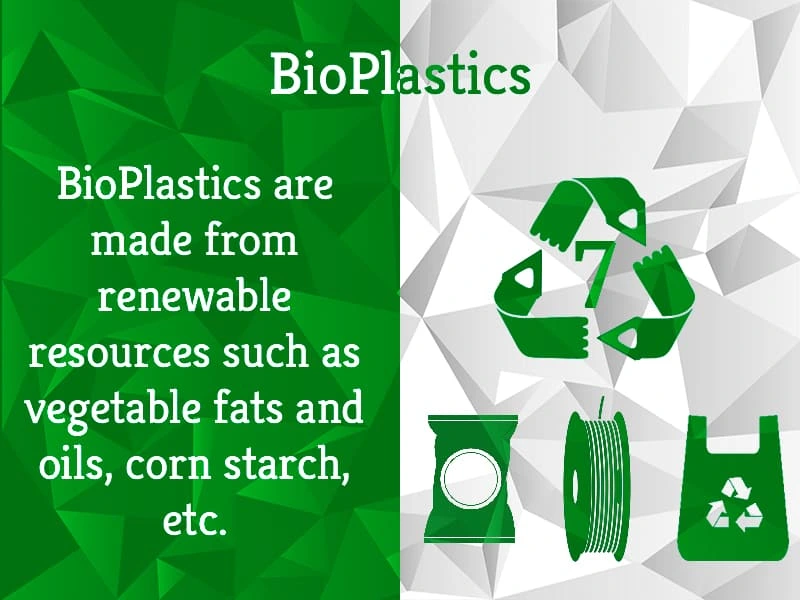
What is bioplastic at its core? Unlike plastics made from fossil fuels, bioplastics use renewable resources. They come in two main types: bio-based, which are made from plant materials, and biodegradable, which can break down with the help of microorganisms. Many biodegradable plastics can be composted at home or in industrial facilities, but not all bioplastics break down quickly some, like bio-PE, are just as strong as regular plastics but have a smaller effect on the environment. More people are turning to these materials because they help deal with plastic waste.
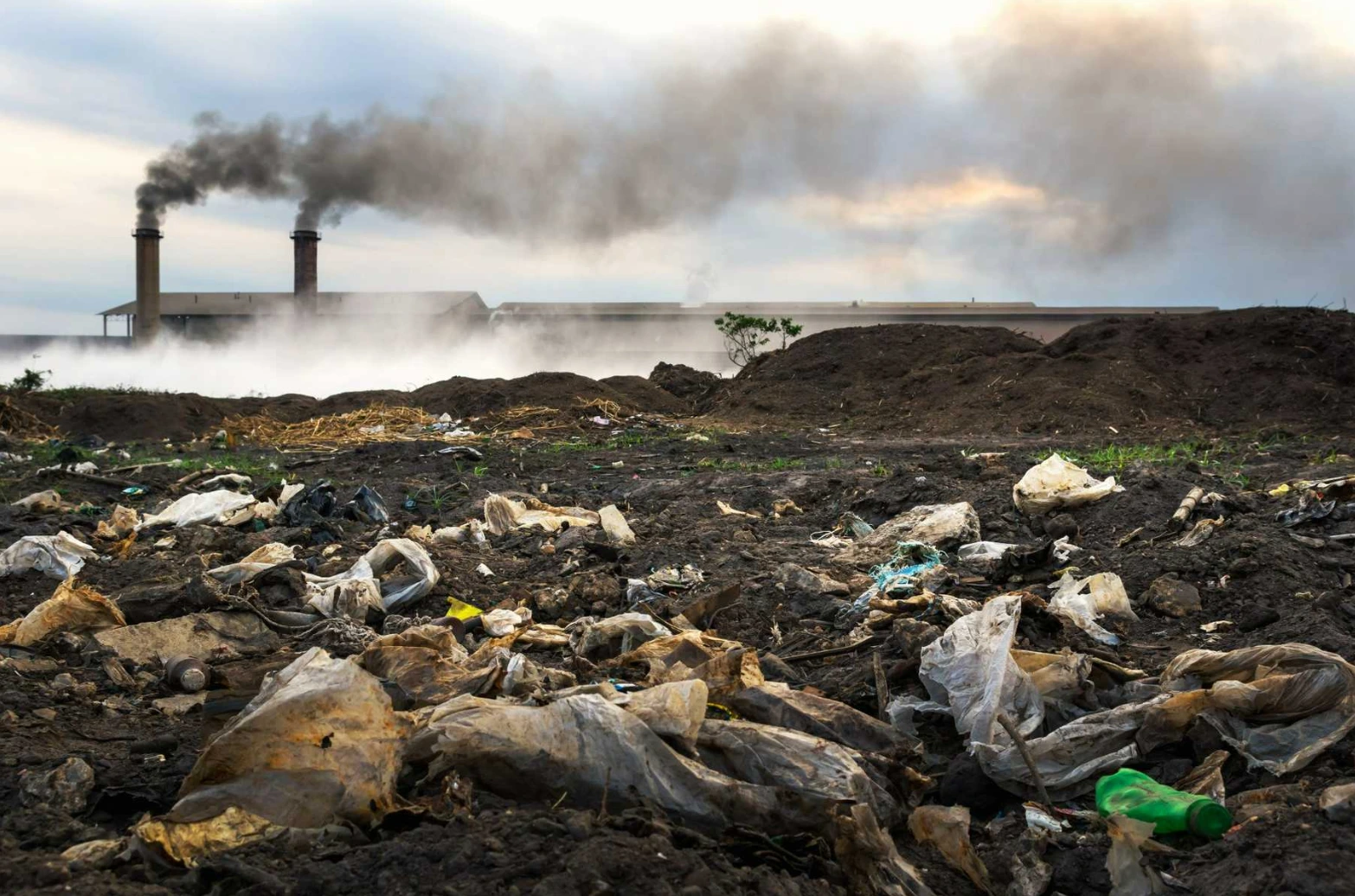
In India, millions of tons of plastic waste are produced each year, most of which ends up in landfills or the ocean. Bioplastics help reduce the need for imported oil and support farming economies by using crops like sugarcane or plants high in starch. They also match global trends where companies are looking for eco-friendly packaging to satisfy customers and follow rules. But moving to bioplastics needs careful planning.
Every step, from getting the raw materials to how the product is disposed of, matters. Good composting systems are key to making sure bioplastics really help the environment.
Drivers Behind the Rapid Growth of Bioplastic Industry in India
Several factors are helping the bioplastic industry in India grow. One key reason is the strict government rules. The ban on single-use plastics under the Plastic Waste Management Rules is pushing for better alternatives. Programs like Swachh Bharat Mission 2.0 and the BioE3 policy focus on making bio-manufactured products, including biodegradable materials. These efforts are creating a good environment for using bioplastics in packaging and other areas. Another important factor is the growing awareness about the environment among people and companies.
In cities, especially in big metropolitan areas, there’s a preference for products that are better for the planet. Companies, especially those focused on sustainability, are increasingly choosing bioplastic products for things like food packaging, shopping bags, and disposable items. India also has a strong advantage because of its rich agricultural resources.
As a major producer of sugarcane and starch crops, the country has access to raw materials that can be used to make bioplastics at a lower cost. This, along with a young and skilled workforce and improving biotechnology, is helping India become a major player in the global bioplastic market. Market forecasts show that this industry is growing rapidly. The biggest demand comes from packaging applications. Plus, new technologies are making bioplastics more practical for everyday use, which is helping them become more popular.
Bioplastic Production in India: Current Landscape and Processes
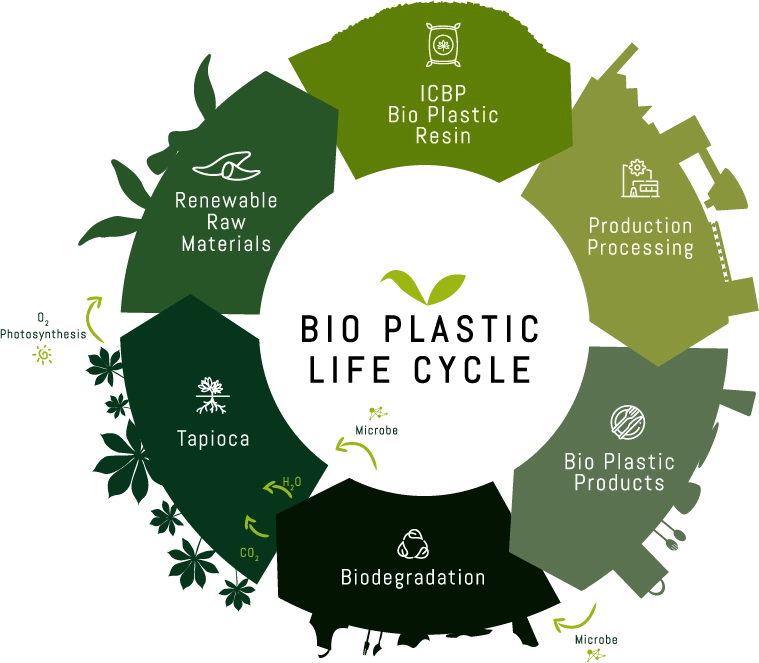
Bioplastic production in India is still growing, but the capacity is increasing steadily. The main ways to make bioplastics involve processes like turning sugars into lactic acid for PLA (polylactic acid) or mixing starch with other materials. Starch-based products are the most common because they are widely available and less expensive.
The country’s current production capacity is around 25,000 to 30,000 tonnes each year. However, a lot of the materials used, especially PLA and PBAT, still come from imports. This has changed with recent developments, like the opening of India’s first large-scale PLA plant by Balrampur Chini Mills, which shows progress towards reducing reliance on imports. Many companies are also setting up small-scale facilities to test how to turn biomass into valuable plastics.
Making bioplastics usually goes through several steps: preparing the starting materials, creating the polymer, and then turning it into granules or finished products. Some challenges include the inconsistent quality of raw materials and the high energy needed for production. However, new methods using enzymes and microbes are expected to improve efficiency. Support from the government, like research funding and industry clusters, could help increase local production and reduce the need to import materials.
Bioplastic Products and Their Applications in the Indian Market
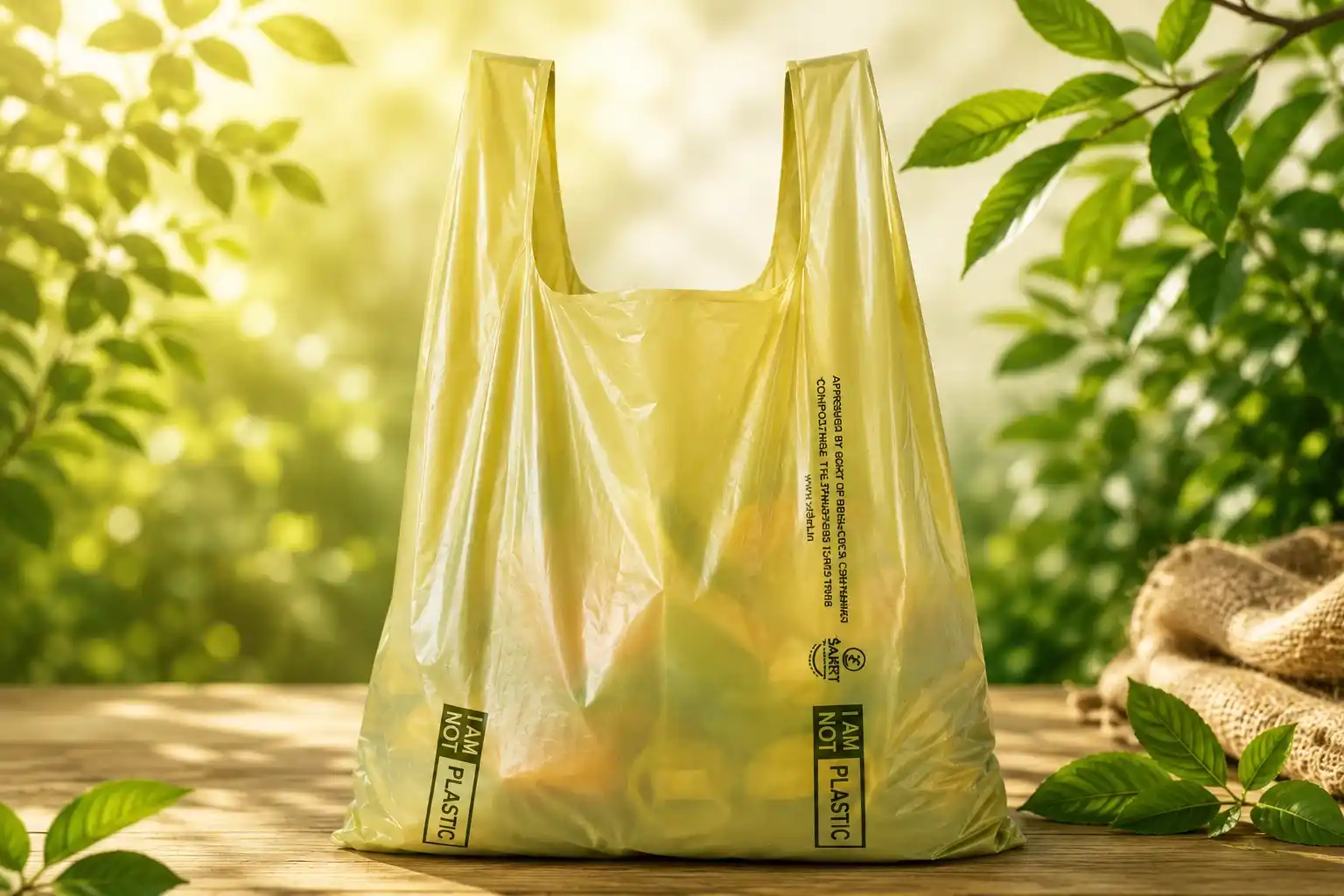
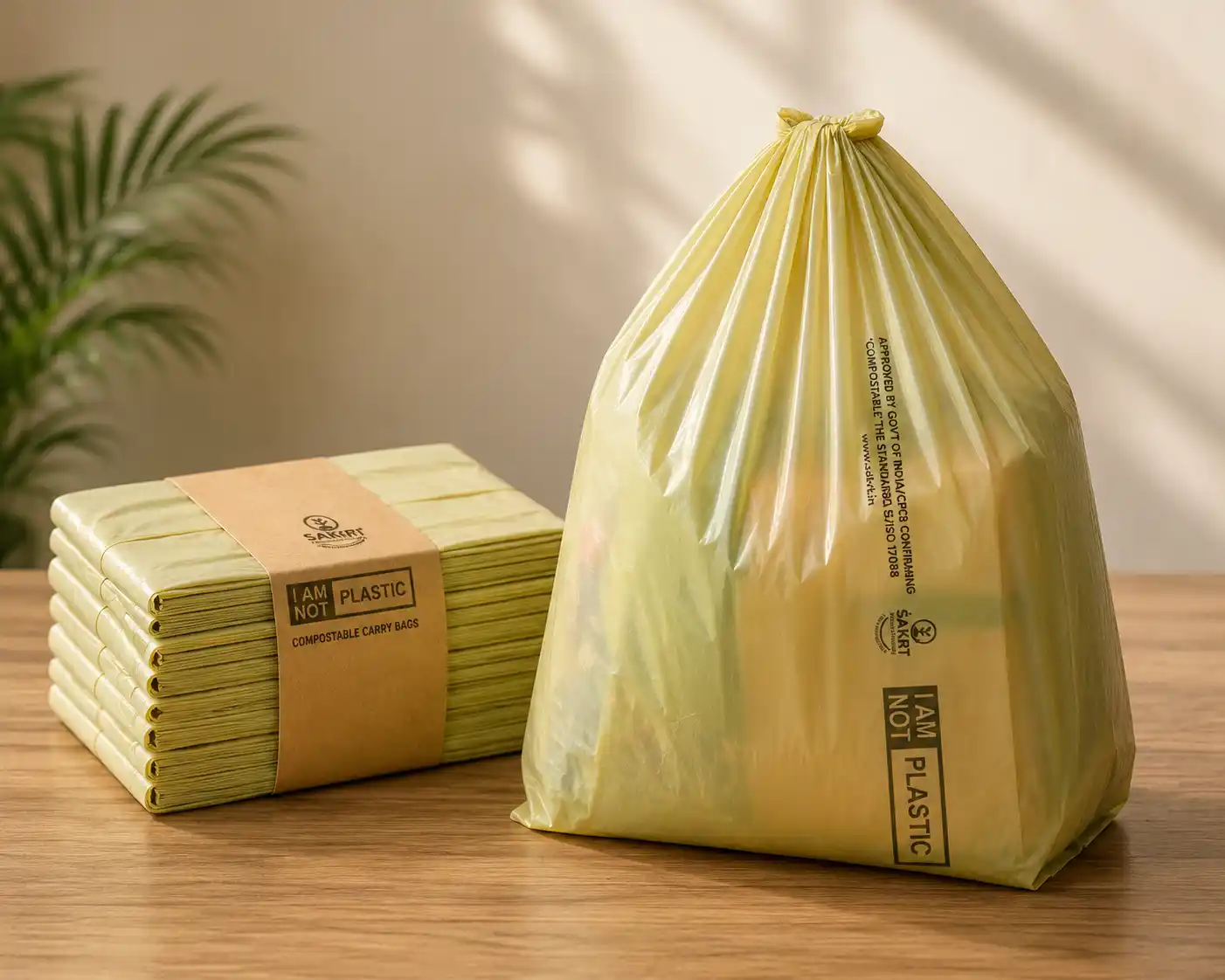
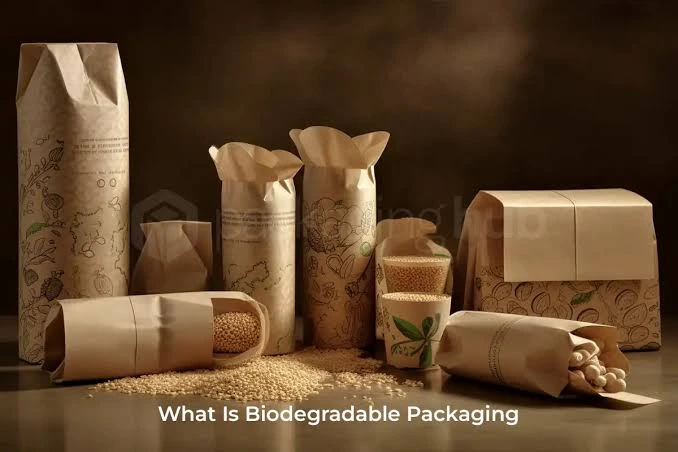
Bioplastic products are being used in many different ways, changing several industries in India. In the packaging sector, which is the biggest area, compostable films, bags, and containers are replacing single-use plastics for food delivery, retail, and online shopping. These materials keep their protective qualities while breaking down safely without causing harm.
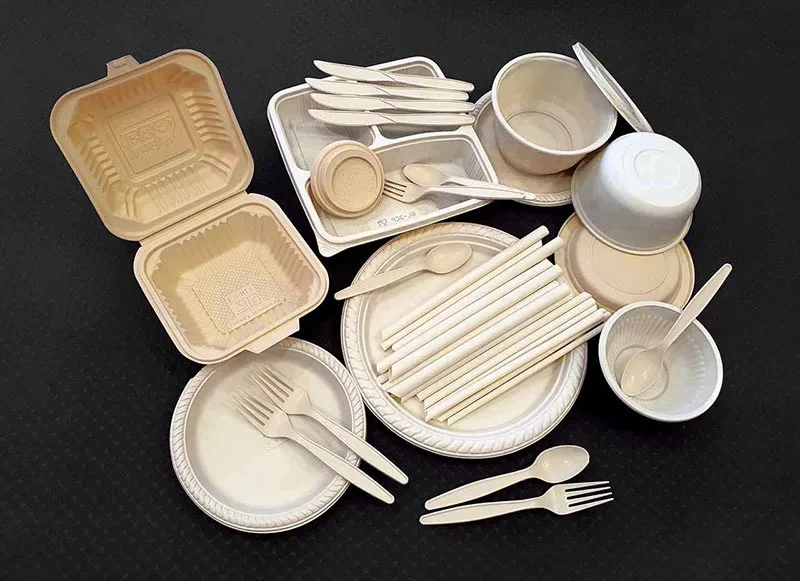
Agriculture also benefits from mulch films made from biodegradable plastics that decompose in the soil, making it easier to manage waste and reducing leftover plastic. In healthcare and personal care, bioplastics are used for disposable items like cutlery and packaging, helping to keep things clean and supporting eco-friendly practices. Many consumer goods, such as straws, cups, and garment bags, are now made from biobased materials.
Events like the G20 Summit have highlighted certified compostable products, increasing their visibility. Major bioplastic manufacturers provide these items and often create custom solutions tailored to specific needs. The wide range of uses for bioplastics is driving their popularity.
Key Bioplastic Manufacturers Leading the Charge in India
India has a lively group of bioplastic makers that are mixing creativity with the ability to scale up. Companies like TGP Bioplastics in Maharashtra work on compostable films and bags, and they spend a lot of time on research and development to create high-quality products. Nature’s Bio Plastic in Hyderabad makes biodegradable covers and cutlery, and they sell these items in global markets.
Ecolastic is unique because they work with big organizations like DRDO and are recognized as a sustainability partner for the G20. They make granules and finished products from corn starch. Greendot Biopak has a wide selection of home-compost bags, mulch films, and resins, and they use their past experience in related areas to improve their offerings. Other companies such as BioReform, Dr Bio Polymers, and Praj Industries are working on PHA and PLA technologies using demonstration plants.
Challenges Facing the Bioplastic Industry in India
Despite growing popularity, there are still several challenges to overcome. The high cost of production often 2 to 3 times that of regular plastics makes it hard for bioplastics to be widely used, especially by those who are sensitive to price. Also, there isn’t enough local capacity to produce the raw materials needed, so the industry has to depend on imports, which makes it more vulnerable to supply chain problems.
Another issue is the lack of proper infrastructure, like industrial composting facilities, which are needed to properly break down biodegradable plastics. Without these systems, some bioplastics might not work as intended, which can confuse consumers. There’s also a competition for raw materials with food and biofuel production, which raises questions about how sustainable these bioplastics really are.
Conclusion
The fast-growing bioplastic industry in India is changing how the country thinks about sustainability. From learning about what bioplastic is to making it in larger amounts and creating new bioplastic products, India shows a lot of promise. Companies that make bioplastics are leading this change, helped by government policies and market trends, even though there are still challenges like cost and infrastructure to deal with.
By working together and offering the right support, India can not only satisfy its own needs but also become a major supplier of eco-friendly materials worldwide. This path needs everyone’s effort, governments, businesses, and consumers to build a cleaner and more sustainable future. For more information on sustainable solutions and green innovations, visit sakrt.in.
SAKRT – A Brand of Envirly Innovations Pvt Ltd
Choose SAKRT’s Biodegradable Products
Join the sustainability revolution today!
Choose SAKRT’s biodegradable products for your home, business, or event and make waste disposal responsible.
FAQs
What is bioplastic? It refers to plastics made from renewable biomass sources. Its popularity in India stems from single-use plastic bans, environmental concerns, and the need for sustainable alternatives that reduce fossil fuel dependence.
Bioplastic production typically involves converting agricultural feedstocks like starch or sugarcane into polymers through fermentation and polymerization. India leverages its biomass resources, though scaling local manufacturing remains a focus area for reducing imports.
Bioplastic products include compostable shopping bags, food packaging films, disposable cutlery, mulch films for agriculture, and straws. These find use in retail, hospitality, and farming sectors.
Prominent bioplastic manufacturers include TGP Bioplastics, Ecolastic, Greendot Biopak, Nature’s Bio Plastic, and Praj Industries, known for producing certified compostable materials and advancing technologies like PLA and PHA.
Key challenges include higher costs compared to conventional plastics, limited composting infrastructure, and the need for clearer regulations. Overcoming these through policy support and investment will unlock greater growth for biodegradable plastics.