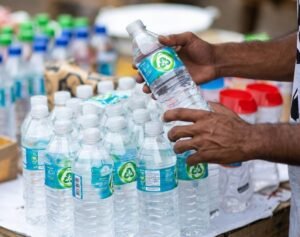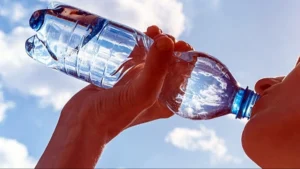


Microplastics are really tiny pieces of plastic that are found almost everywhere these days. They are in the air we breathe, the food we eat, and especially in the water we drink. New research shows that these tiny particles are a big problem. For example, one liter of bottled water can have as many as 240,000 plastic particles. Most of these are very small and are called nanoplastics. These particles are smaller than a micrometer and can easily get into the body. On the other hand, tap water usually has much fewer microplastics. In many cases, it only has tens or hundreds of particles in a liter. This makes tap water a safer choice.
Using non-plastic water bottles is a simple and good way to help. These bottles are made from natural materials like cornstarch and sugarcane. They lower the chance of harmful plastic chemicals getting into the water we drink. Non-plastic bottles also help with making better choices for the environment.
They cut down on plastic waste and help protect the planet. This is especially important in places like India where people are starting to care more about being eco-friendly. In general, using non-plastic water bottles is a smart move. It helps keep our health safe and also reduces harm to the environment. Small changes like this can have a big impact on our daily lives.
Understand The Impact of Microplastics on Health
Scientists are getting more worried about how microplastics affect health. These very small plastic particles are now found in various parts of the human body. Researchers have found microplastics in blood, lungs, liver, brain, placenta, and even some prostate tumors. Often, higher levels are found in areas that are already dealing with health problems.
Studies on animals and cells show that microplastics can cause major health concerns. These include oxidative stress, ongoing inflammation, problems with hormones, and changes in gut bacteria. Observational studies on humans also connect microplastic exposure to a greater chance of heart attacks and strokes. There is also growing worry about reproductive issues and certain cancers, like colon and lung cancer.
Even though scientists are still figuring out the exact reasons, the evidence is getting stronger. Being exposed to microplastics over a long time may lead to widespread inflammation and damage to cells in the body.
Drinking water is one of the main ways people take in microplastics. Bottled water often has more of these particles than tap water. This is mostly because of plastic breaking down and friction from bottle caps. Everyday choices like this can add up over time and increase exposure. It’s important to reduce microplastic intake to help keep long-term health in check.
A Simple Switch for Cleaner Hydration With Sustainable Water Bottles
Sustainable water bottles made without plastic create a quick shield against drinking microplastics. Different from single-use PET bottles that break down into tiny pieces over time especially when heated or used again non-plastic bottles use materials that don’t break apart. Also, these bottles help people use filtered tap water, which usually has less microplastics than store-bought bottled water.
Choosing these bottles helps cut down on personal exposure and lowers the need for plastic production. Many people say the water tastes better and doesn’t have a plastic smell, which makes them more likely to stay hydrated. As more people learn about this, eco-friendly water bottles are becoming a sign of taking charge of health at home and in the office.
Plastic Free Water Bottles
A plastic-free water bottle has no plastic parts at all, from the main body to the cap, which means it doesn’t add any microplastics to the environment. Biodegradable water bottle is a popular choice because it’s strong, light, and keeps drinks cold for a long time without causing condensation on the outside. Glass bottles are liked by people who want drinks to taste exactly as they are, but they need to be handled carefully to avoid breaking.
Newer designs made from plant-based materials or bamboo also look eco-friendly, but whether they are completely free of plastic depends on how they’re made. All these options are better than BPA-free plastic bottles, which can still release tiny bits of plastic, called micro- or nanoplastics, even though they don’t have bisphenol A. Choosing a real plastic-free water bottle helps avoid problems with chemicals leaching into the drink.
Biodegradable water BottleS in India
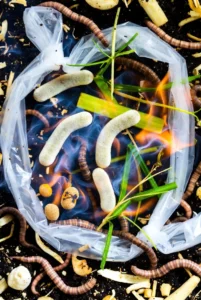
Biodegradable water bottles are a good move to help cut down on plastic waste in India, where single-use PET bottles are a big part of the problem and cause a lot of pollution and microplastic issues. These bottles are usually made from plant-based materials like Polylactic Acid (PLA), which comes from corn or sugarcane, or from things like sugarcane bagasse, which is leftover from the sugarcane industry. They can break down into water, CO2, and organic matter in just months if they are composted, instead of taking hundreds of years like regular plastic. Unlike normal plastics, they don’t leave harmful stuff behind, making them a better choice for bottled water and everyday use. In India, there has been a lot of new development lately, especially in Kerala, where the government and new businesses are working together to push this change forward.
BPA Free Plastic Water Bottles vs. True Alternatives
Even though they’re advertised as safer, BPA-free plastic water bottles can still release microplastics because the plastic breaks down over time. Research shows that even plastics labeled as “safe” can break into tiny pieces when exposed to sunlight, heat, or when they’re bent or dropped things that often happen when you carry them around. Real non-plastic bottles avoid this problem completely because they are made from materials that aren’t plastics.
They can handle being dropped and last for many years, which means you don’t have to replace them as often. This saves money in the long run because you don’t need to buy so many single-use bottles. From an environmental perspective, using these bottles helps reduce plastic waste at its source, which supports both your health and the health of the planet.
Switching to these bottles also encourages more thoughtful habits, like filling them from reliable sources or using home water filters. These actions help reduce exposure to harmful substances in all areas of your daily life.
conclusion
Using non-plastic water bottles is one of the best personal actions to reduce microplastic in our bodies. Avoiding bottled water helps cut down on harmful tiny plastic particles, and choosing materials like biodegradable bottles keeps things safe. These materials don’t react with water and help prevent health issues like inflammation and long-term damage. In places like India, it’s easy to find these alternatives, making it simple to make a change. Small changes every day can lead to big improvements in how much plastic we take in, helping us and future generations live healthier lives. Start now by refilling, reusing, and taking charge of what you drink.
FAQs
Non-plastic water bottles prevent shedding from packaging, unlike single-use bottles that release up to 240,000 particles per liter. Tap or filtered water in these bottles typically contains far fewer microplastics. Daily use significantly lowers ingestion over time. This simple swap protects health without sacrificing convenience.
Recent research links microplastics to inflammation, oxidative stress, and potential risks for heart disease, reproductive issues, and certain cancers. Particles accumulate in organs like the brain and heart. While causation is still being clarified, associations with cardiovascular events grow stronger. Reducing exposure through better choices becomes increasingly prudent.
Yes, sustainable water bottles last years, offsetting initial costs via avoided bottled water purchases. They eliminate leaching risks entirely. Many offer insulation for better temperature control. Long-term health and environmental gains make them highly worthwhile.
The best non plastic water bottle in India features durable stainless steel or glass, leak-proof designs, and insulation for hot climates. Brands like Milton or Borosil provide affordability and wide availability. They resist odors and maintain water purity. These qualities ensure reliable, microplastic-free hydration on the go.
Yes, BPA free plastic water bottles can shed micro- and nanoplastics from general wear, heat, or UV exposure. They lack BPA but use other polymers prone to fragmentation. True non-plastic alternatives avoid this issue completely. Switching ensures minimal added exposure from the container itself.