


Now, single-use plastics are causing big problems for our oceans and landfills, which are getting full of waste that doesn’t go away. That’s why it’s more important than ever to find better, eco-friendly options. Every year, billions of plastic water bottles end up being thrown out, which is bad for nature, animals, and even human health. The good news is that reusable water bottles are becoming a great choice. They help people drink water without harming the environment.
These bottles are often made from 100% compostable materials and come from renewable sources, showing a move toward more thoughtful use of resources. As more people care about sustainability, biodegradable water bottles are standing out because they can naturally break down without leaving harmful leftovers. This guide covers the advantages, materials, and practical uses of eco-friendly water bottles, explaining why they should be part of everyone’s environmentally friendly lifestyle. Whether you’re walking through Bengaluru’s green trails or rushing through a busy day at work, these bottles offer refreshment without guilt.
Biodegradable Water Bottles
Biodegradable water bottles are changing how people stay hydrated by combining ease of use with care for the environment. Unlike regular plastic bottles that can take hundreds of years to break down, these bottles are made to decompose naturally, often in just a few months when the right conditions are met.
What makes them special is their material mainly plant-based polymers that work like normal plastic bottles but are better for the planet. As more people become aware of their benefits, more companies are creating these types of bottles, making them easier to find and use. Choosing them helps lower your personal environmental impact and supports a system where waste is kept to a minimum.
Materials Powering Biodegradable Bottles
Biodegradable bottles are made from materials that come from plants and are strong yet good for the environment. One popular material is polylactic acid, or PLA, which is made from cornstarch or sugarcane. It’s clear and tough, similar to plastic made from oil. When mixed with polybutylene adipate terephthalate, or PBAT, these bottles can fully break down into water, carbon dioxide, and organic matter without harmful leftovers. Another option is cellulose, which comes from wood pulp or potato starch. It makes a light and flexible alternative to plastic bottles. These materials meet strict standards like EN 13432 and ASTM D6400, proving they truly break down naturally. As more of these bottles are made, less oil is used in production, helping make manufacturing more eco-friendly.
The Breakdown Process of Biodegradable Plastic Bottles
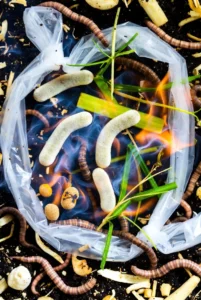
Biodegradable plastic bottles are made to break down naturally. The breakdown starts when microbes in a compost environment get to work. When these bottles are exposed to heat, moisture, and air, they gradually start to decompose. This usually takes place at temperatures between 50 and 60 degrees Celsius. Over time, the plastic breaks into smaller pieces and eventually turns into rich, fertile soil.
In commercial composting plants, this whole process can take around 90 days. That’s way quicker than regular plastic, which can take hundreds of years to break down. Some biodegradable bottles can also be composted at home. But for the best results, they should be used in a properly certified compost system.
These bottles help create a cycle that goes from plant-based materials back into the soil after use. This process helps reduce harm to the environment. Because of this, eco-friendly water bottles are becoming more popular with people who care about the planet.
Eco Friendly Disposable Water Bottles:
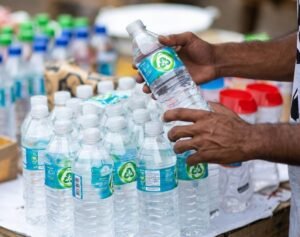
Eco-friendly disposable water bottles offer a good balance between convenience and sustainability. They are perfect for busy lifestyles, events, trips, or daily use. These single-use bottles help reduce the feeling of guilt that comes with using disposable items. They are designed to break down in composting systems.
Companies listed on sites like sakrt.in focus on making 100% compostable products. Many of these bottles are made from plant-based materials, similar to those used in eco-friendly utensils. This helps support a more sustainable environment. Disposable plastics are coming under stricter rules around the world.
Because of this, eco-friendly bottles are a simple and effective alternative. They also keep water clean and easy to carry. In addition, these bottles are made from safe and non-toxic materials. They do not release harmful microplastics into drinks. This gives consumers more confidence in their everyday choices.
Environmental Wins from Adopting Eco Friendly Disposables
Eco-friendly disposable water bottles have a big positive effect on the environment. They help cut down on pollution and make things more sustainable in several ways. When you use these bottles instead of plastic ones, it cuts down on the greenhouse gases that are released during production. Research shows that this can lower emissions by as much as 70% compared to regular plastic bottles.
These bottles also help cut down on waste in landfills. Unlike plastic, they can break down into compost, which is good for the soil and helps support animals that live on farms. Another big benefit is saving water. The materials used to make these bottles come from plants and need far less water than the oil-based materials used for plastic.
In places like India, plastic waste often clogs drains, making floods worse during the rainy season. Eco-friendly bottles help with this problem and also keep rivers and the ocean cleaner. If more people start using these kinds of bottles, it could stop millions of tons of waste from being created each year. Choosing eco-friendly products makes a real difference in protecting the environment.
Health Safeguards in Non-Plastic Water Bottles
Non-plastic water bottles are designed to promote better health by avoiding harmful chemicals found in many plastic materials. They don’t contain BPA or phthalates, which are known to interfere with hormones and can lead to health issues. Instead, they use materials like PHA, which comes from fermented sugars, ensuring the bottle is pure and doesn’t release harmful fumes even when heated. This means the water stays clean and tastes natural, whether it’s just plain water or water with added flavors. For families and athletes, this makes the bottles a safer and more dependable choice that fits with healthier living habits. Plus, these bottles are hypoallergenic, making them a good option for people with sensitive skin or allergies, which makes them popular with a wider range of users.
Non-Plastic Water Bottles:
Non-plastic water bottles are helping to make sustainability a bigger part of everyday life. Many companies now make bottles using materials like paper or packaging made from corn fiber. These bottles often have a thin compostable film inside. This layer keeps the drink cool or warm and stops it from spilling. It also avoids using harmful chemicals.
Some bottles are made to look like nature. They use sugarcane fiber on the outside, giving them a natural feel and appearance. This design is very popular among people who care about the environment.
Because of this, non-plastic bottles let people support sustainability in their daily routines. These bottles also come in many different styles. Some are simple bottles made for working out. Others come in fun, colorful packages that work well for parties or events. This variety makes it easy for people to fit them into different parts of their lives.
Compostable Innovations in Plant-Based Designs
Compostable water bottles made from plant-based materials are leading the way in eco-friendly technology. Companies like Win Win Water are setting an example with their fully biodegradable bottles, which are created from fermented sugars and starches. These bottles can handle regular use and then break down safely in compost. They are approved by organizations like OK Compost, which confirm they work as intended. The bottles can also be shaped in different ways to fit brand needs, making them great for events. In India, companies like sakrt.in are supporting local production of compostable products, which helps to reduce the carbon footprint from transporting goods. These bottles not only help people stay hydrated but also encourage discussions about sustainable and regenerative practices.
Practical Tips for Integrating Biodegradable Bottles into Daily Life
Using biodegradable bottles in your daily life is easy and fulfilling. Begin by making smart choices at home or work, like replacing single-use bottles with these eco-friendly options. Buying in bulk can save money, and using reusable lids helps you use the same bottle multiple times. If you’re into outdoor activities, choose bottles that can handle UV rays to keep them strong in the sun. Teaching others about composting and sustainable habits can make a big difference. As these habits become part of your routine, eco-friendly bottles will feel normal and natural, not something special. While the initial cost might be higher, the long-term savings and the pride of living ethically make it worthwhile.
Why Eco Friendly Water Bottles Are the Future of Hydration
As the story of sustainability continues to unfold, eco-friendly water bottles are becoming essential tools in the battle against plastic waste. Whether you’re a resident of Bengaluru or a traveler around the world, these 100% compostable bottles offer a way to stay hydrated without harming the environment. Made from plant-based materials, they break down quickly and are designed with health in mind, tackling both environmental and personal issues.
While there are still challenges in making them widely available, progress is happening thanks to companies that use materials approved by the CPCB. In the end, choosing biodegradable water bottles is more than just a decision, it’s a promise to create a cleaner, waste-free future. By opting for these bottles, you’re helping build a legacy of responsibility, ensuring that every drink you take supports both your health and the planet. The movement is already growing, joining in and taking a refreshing step toward change.
Conclusion
In conclusion, eco-friendly water bottles are a simple but effective way to help make the planet cleaner. By opting for 100% compostable and biodegradable bottles made from plant-based materials, we help reduce plastic waste, protect nature, and promote a circular economy all while keeping our water safe and easy to carry. As more people in Bengaluru and other places make this change, the positive impact becomes even bigger. Small choices, like using a biodegradable bottle instead of a single-use plastic one, really add up. The future of drinking water is sustainable, and it all starts with us today.
Frequently Asked Questions
Biodegradable water bottles are crafted from renewable sources such as cornstarch, sugarcane fibers, and potato starch, often combined with PLA for durability. These materials ensure full decomposition without environmental harm.
Biodegradable plastic bottles break down via microbial action in months, unlike regular plastics that persist for centuries. They avoid microplastic release, offering a safer, greener alternative.
Yes, eco friendly disposable water bottles certified under standards like ASTM D6400 are 100% compostable, transforming into soil nutrients in industrial or home setups without residues.
Non-plastic water bottles, reinforced with plant-based blends like PBAT, provide excellent durability for daily hydration, resisting leaks and maintaining shape through repeated handling.
Compostable water bottles are available through platforms like sakrt.in, featuring CPCB-approved, plant-based options that align with eco-friendly packaging needs.