
Table of Contents
1. The Role of Mulch Films in Modern Agriculture
2. Why Choose Compostable Mulch Films?
3. Environmental Advantages of Biodegradable Mulch Films
4. Practical Benefits for Farmers
5. Applications Across Agriculture and Horticulture
6. Supporting India’s Sustainable Future
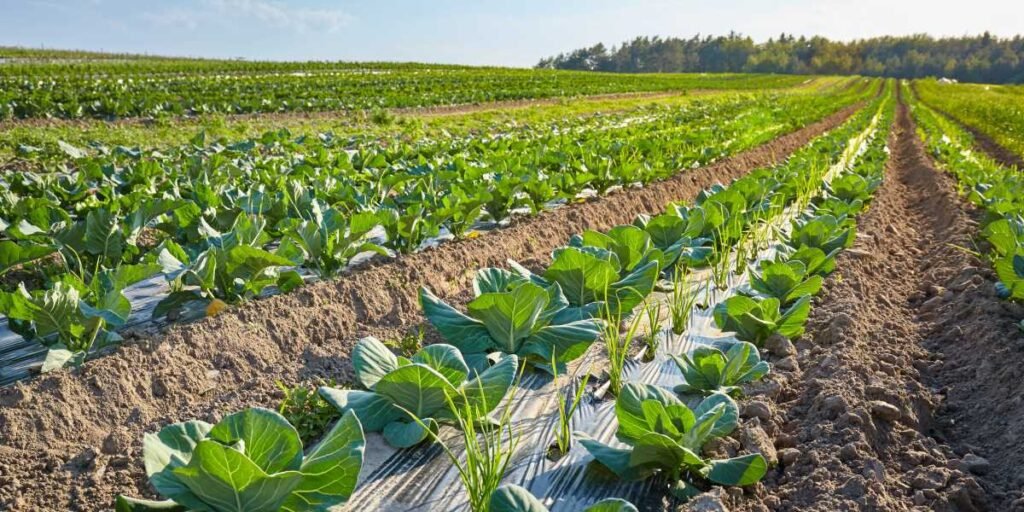
In the heart of India’s vibrant agricultural landscape, where fields of sugarcane, rice, and vegetables stretch across the horizon, farmers face the dual challenge of boosting productivity while preserving the environment.
Compostable mulch films is a game-changing solution from SAKRT, designed to enhance crop growth, protect soil health, and align with sustainable farming practices. These innovative films, manufactured from plant-based materials, offers a practical and eco-friendly alternative to synthetic plastic mulch, helping Indian farmers nurture their crops while safeguarding the land for future generations.
This blog explores how SAKRT’s compostable mulch films are transforming agriculture, their benefits for soil and crop health, and their role in fostering a greener tomorrow.
The Role of Mulch Films in Modern Agriculture
Mulching, a time-honored practice in agriculture, involves covering the soil around plants to create optimal growing conditions. In India, where monsoons and intense heat can challenge farmers, mulching is a lifeline for maintaining soil moisture and temperature.
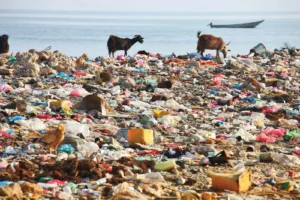
Traditionally, plastic mulch films have been used to suppress weeds, retain water, and regulate soil conditions. However, these non-biodegradable synthetic materials often leave behind microplastics, polluting the soil and harming ecosystems.
SAKRT’s compostable mulch films address this issue by offering a sustainable alternative that delivers the same agricultural benefits without the environmental toll.
Made from compostable vegetable matter, these mulch films is lightweight, easy-to-install rolls, they cater to the needs of small-scale vegetable gardeners in states like Punjab and Maharashtra, as well as large-scale horticultural operations in Tamil Nadu and Karnataka.
Whether you’re growing tomatoes in Nashik or spices in Kerala, these films provide a versatile solution for diverse crops and climates. This connects directly with our previous discussion on Why Compostable Carry Bags Are Better Than Plastics of Any Kind, which highlights how replacing plastic with biodegradable options is critical for India’s future.
Why Choose Compostable Mulch Films?
One of the standout benefits of compostable mulch film for soil health is its ability to create a balanced growing environment. By covering the soil, the film blocks sunlight, preventing weed growth that competes with crops for nutrients and water. This stronger weed control reduces the need for chemical herbicides, lowering input costs for farmers.
For instance, a farmer cultivating brinjal on a 1-hectare plot could save significantly on labor and weed management by using SAKRT’s mulch films.
Additionally, the films excel at moisture retention, a critical factor in regions like Rajasthan, where water scarcity is a concern. By reducing evaporation, they help maintain consistent soil moisture levels, ensuring crops like okra or chillies thrive even during dry spells. Studies suggest that mulching in agriculture can reduce water usage by up to 30%, making it a boon for farmers reliant on limited irrigation.
The films also regulate soil temperature, keeping roots cool during scorching summers and warm during cooler months, which can extend growing seasons for crops like cabbage or cauliflower.
The result? Improved crop yields and quality. Farmers using agricultural mulch film often report higher outputs, sometimes up to 20% more for vegetables like cucumbers or bell peppers, due to healthier plants and optimized growing conditions.
SAKRT’s mulch film rolls, available in custom widths and lengths, are easy to lay across fields, making them accessible for both small and large farms. Learn more in our blog on environmental significance of compastable products.
Environmental Advantages of Biodegradable Mulch Films
Unlike conventional plastic mulch, which can persist in the soil for decades, SAKRT’s biodegradable mulch films decompose naturally, depending on soil conditions. This decomposition process enriches the soil with organic matter, enhancing its fertility without the need for additional fertilizers.
For organic farmers in Uttarakhand or Andhra Pradesh, this aligns perfectly with their commitment to chemical-free farming.
The environmental advantages of biodegradable mulch films extend beyond the farm. By replacing plastic, these films reduce the risk of microplastic contamination in soil and water bodies, protecting ground water and ecosystems. Moreover, the production of these films involves renewable plant-based materials like cornstarch or sugarcane bagasse, which have a significantly lower carbon footprint compared to petroleum-based plastics.
SAKRT’s commitment to sustainability ensures that their mulch films meet global compostability standards, making them a trusted choice for eco-conscious farmers and horticulturists. By choosing these films, farmers play a role in reducing India’s plastic waste, which is estimated at 9.46 million tonnes annually, and contribute to national goals like the Swachh Bharat Mission.
These practical advantages echo what we explored in Top Benefits of Switching to Compostable Wrapping Film for Businesses, showing how compostable materials deliver real-world economic and environmental benefits.
Practical Benefits for Farmers
SAKRT’s compostable mulch film rolls are designed with practicality in mind. Lightweight and compact, they are easy to store and transport, even for farmers in remote areas like the Northeast. A typical roll can cover a significant area, making it cost-effective for smallholder farmers.
Installation is straightforward as farmers can lay the films manually or with basic equipment, securing them with soil or weights. This ease of use is particularly valuable in regions like Madhya Pradesh, where labor shortages can make complex farming practices challenging.
The films are also customizable to suit specific crops or field sizes. For instance, a farmer growing strawberries in Mahabaleshwar might opt for narrower rolls to fit raised beds, while a sugarcane farmer in Uttar Pradesh could choose wider films for larger plots, this flexibility ensures that SAKRT’s products meet the diverse needs of India’s agricultural landscape.
Applications Across Agriculture and Horticulture
The versatility of SAKRT’s compostable mulch films makes them suitable for a range of applications. In vegetable gardening, they are ideal for crops like tomatoes, potatoes, and leafy greens, where weed suppression and moisture retention are critical. In horticulture, these films support flowering plants like marigolds, widely grown in India for festivals and markets.
Landscaping applications are another growing area, particularly in urban centers like Bengaluru and Hyderabad, where eco-friendly gardening is gaining traction. Compostable mulch films enhance soil aesthetics and health in parks, nurseries, and home gardens, aligning with India’s push for greener cities.
The best compostable mulch films for vegetable gardening, such as SAKRT’s, combine durability with environmental benefits, making them a top choice for both commercial and domestic use.
Supporting India’s Sustainable Future
By adopting compostable mulch films, Indian farmers and horticulturists are not only improving their yields but also contributing to global climate goals. These films align with India’s commitments under the Paris Agreement to reduce carbon emissions and promote sustainable agriculture.
They also support the government’s push for organic farming, with schemes like the Paramparagat Krishi Vikas Yojana encouraging eco-friendly practices.
SAKRT’s role as a trusted distributor ensures that farmers have access to high-quality, certified products that deliver results. Their focus on plant-based materials and transparent supply chains builds trust among farmers, retailers, and eco-conscious brands.
How to Get Started with SAKRT’s Compostable Mulch Films
For farmers ready to make the switch, SAKRT offers a seamless process. Their mulch film rolls are available for bulk orders, with dedicated support for customizing sizes and quantities. Farmers can contact SAKRT’s team to assess their needs, whether it’s a 0.5-hectare vegetable plot or a 10-hectare orchard.
The company’s scalable supply chain ensures timely delivery, even to rural areas, and their experts provide guidance on installation and composting practices to maximize benefits.
To explore how compostable mulch film moisture retention benefits can transform your farm, reach out to SAKRT for a consultation. Their team can recommend the best options for your crops, soil type, and climate, ensuring you get the most out of this sustainable solution.
Conclusion
SAKRT’s compostable mulch films are revolutionizing agriculture in India by blending performance with sustainability. From suppressing weeds to retaining moisture and enriching soil, these films offer practical benefits that boost crop yields while protecting the environment.
As India strives for a greener future, farmers and horticulturists can rely on SAKRT’s eco-friendly solutions to cultivate healthier crops and contribute to a cleaner planet.
By choosing compostable mulch films, you’re not just farming, you’re building a legacy of sustainability for generations to come.