

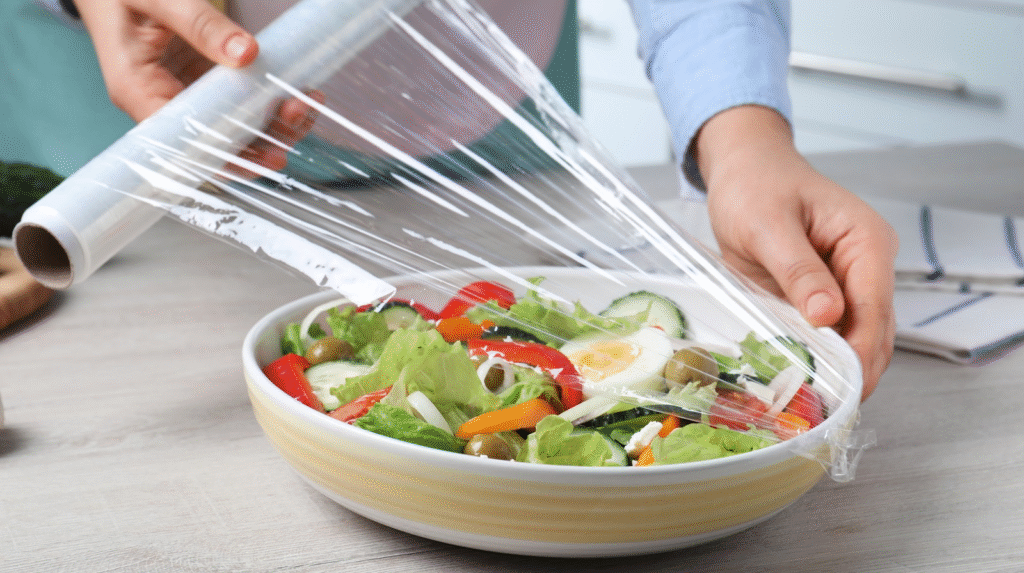
The world is heading towards more eco-friendly options, and companies are facing more pressure to be greener. One big change businesses can make is switching from regular plastic to compostable packaging. This move helps the environment and also makes the brand look better, saves resources, and matches what customers want in terms of environmentally friendly choices.
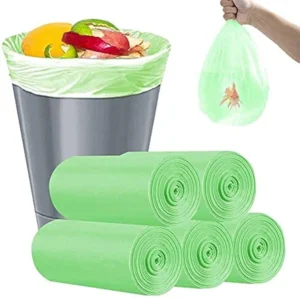
Among the eco-friendly options, compostable wrapping film has become a smart and creative solution.It can be used for wrapping items during shipping, covering fresh fruits and vegetables, or wrapping products in stores. These compostable alternatives are helping businesses rethink how they package things.In this article, we’ll look at the main benefits of compostable wrapping film for companies, why making the switch is a good idea, and how it supports sustainability and builds trust with customers.
Benefits of Compostable Wrapping Film for Businesses
Switching to compostable wrapping film gives businesses more than just a way to follow environmental rules.
- Eco–Friendly Operations: Using biodegradable film instead of plastic helps cut down on waste in landfills and reduces the amount of carbon released into the air.
- Cost Efficiency in the Long Term: Even though compostable packaging might cost more at first, using it in large amounts can save money on waste disposal over time.
- Customer Appeal: Many customers today prefer to support companies that use sustainable packaging options.
- Versatility: Compostable wrapping film works well for packaging food, retail products, and industrial items, making it useful across different industries.
Why Switch to Compostable Packaging Film
Businesses often hesitate to switch from conventional plastics due to concerns about costs and durability. However, compostable packaging offers significant long-term advantages:
- Regulatory Compliance: Governments worldwide are banning single-use plastics. By switching to compostable wrapping film, companies stay ahead of regulations.
- Durability & Safety: Modern wrapping film rolls made from plant-based materials are strong, reliable, and safe for food contact.
- Sustainability Goals: Companies striving for greener certifications or eco-friendly branding will benefit from compostable alternatives.
By making this switch, businesses not only reduce waste but also future-proof themselves in a world where sustainability is becoming non-negotiable.
Compostable Film Reduces Waste for Businesses
Businesses sometimes stay with regular plastics because they are worried about money and how long they last. But compostable packaging has big benefits in the long run:
- Regulatory Compliance: Using compostable wrapping film helps companies follow these rules and stay ahead.
- Durability & Safety: New wrapping films made from plant-based materials are tough, dependable, and safe to use with food.
- Sustainability Goals: Companies that want to get eco-friendly certifications or build a green brand can benefit from using compostable options.
Compostable Film Improves Brand Image
In today’s world where people are more aware of their choices, a brand’s packaging says a lot about them. Companies that use compostable packaging are seen as caring for the environment right away.
Here’s how it helps a brand’s image:
- Customer Loyalty: People tend to support businesses that share their values, especially when it comes to being eco-friendly.
- Positive Public Relations: Efforts towards sustainability often get good attention in the news and help the brand get noticed.
- Competitive Edge: Offering products with compostable wrapping gives a business an advantage in busy markets.
In short, sustainable packaging isn’t just a passing fad it’s a smart marketing move that helps build trust and keeps customers coming back.
Compostable Wrapping Film for Food Packaging Businesses
The food industry uses a lot of plastic packaging. They use it for things like wrapping fruits and vegetables in clean film and for storing large amounts of food in rolls. The need for plastic packaging is very high. However, regular plastic creates a lot of waste and pollution.
Compostable wrapping film provides a better option for food businesses.
- Food Safety: These compostable films are approved for use directly with food.
- Versatility: They can be used for hot, cold, or oily foods and still stay strong and durable.
- Compliance: They follow the increasing international rules for eco-friendly food packaging.
Restaurants, grocery stores, and catering services that use compostable packaging help cut down on their environmental impact and draw in customers who care about the environment.
Conclusion
Switching to compostable packaging is more than just being eco-friendly—it’s also a smart move for business. It helps cut down on waste and boosts how the brand is seen, offering real advantages in many different industries.
Whether it’s wrapping film used for shipping, biodegradable film for food packaging, or packing film for retail, businesses that make this switch show they care about sustainability.By using compostable wrapping film now, companies help protect the planet and create a stronger, more future-focused brand.
FAQs
Compostable wrapping film is usually made from renewable plant-based materials like cornstarch, PLA, or cellulose.
Yes. Modern wrapping film rolls are designed to be just as strong and reliable as conventional plastics while being eco-friendly.
Absolutely. Certified compostable packaging films are safe for food contact and ideal for restaurants, groceries, and catering services.
Unlike traditional plastics, biodegradable film decomposes naturally, helping businesses cut down landfill waste and disposal costs.
With rising plastic bans and consumer demand for sustainability, adopting compostable wrapping film improves compliance, reputation, and long-term savings.