In today’s world where people care a lot about the environment, words like difference Between Compostable vs Biodegradable, and recyclable are used a lot, but do we really know what they mean?
As more people look for eco-friendly choices for things like shopping bags and trash bags, it’s important to understand the differences. Whether you’re looking for compostable plates or trying to figure out what happens to biodegradable waste, knowing the facts can help protect the planet. Let’s break down the real differences, starting with the basics.
what is the meaning of Compostable: How this benefits nature
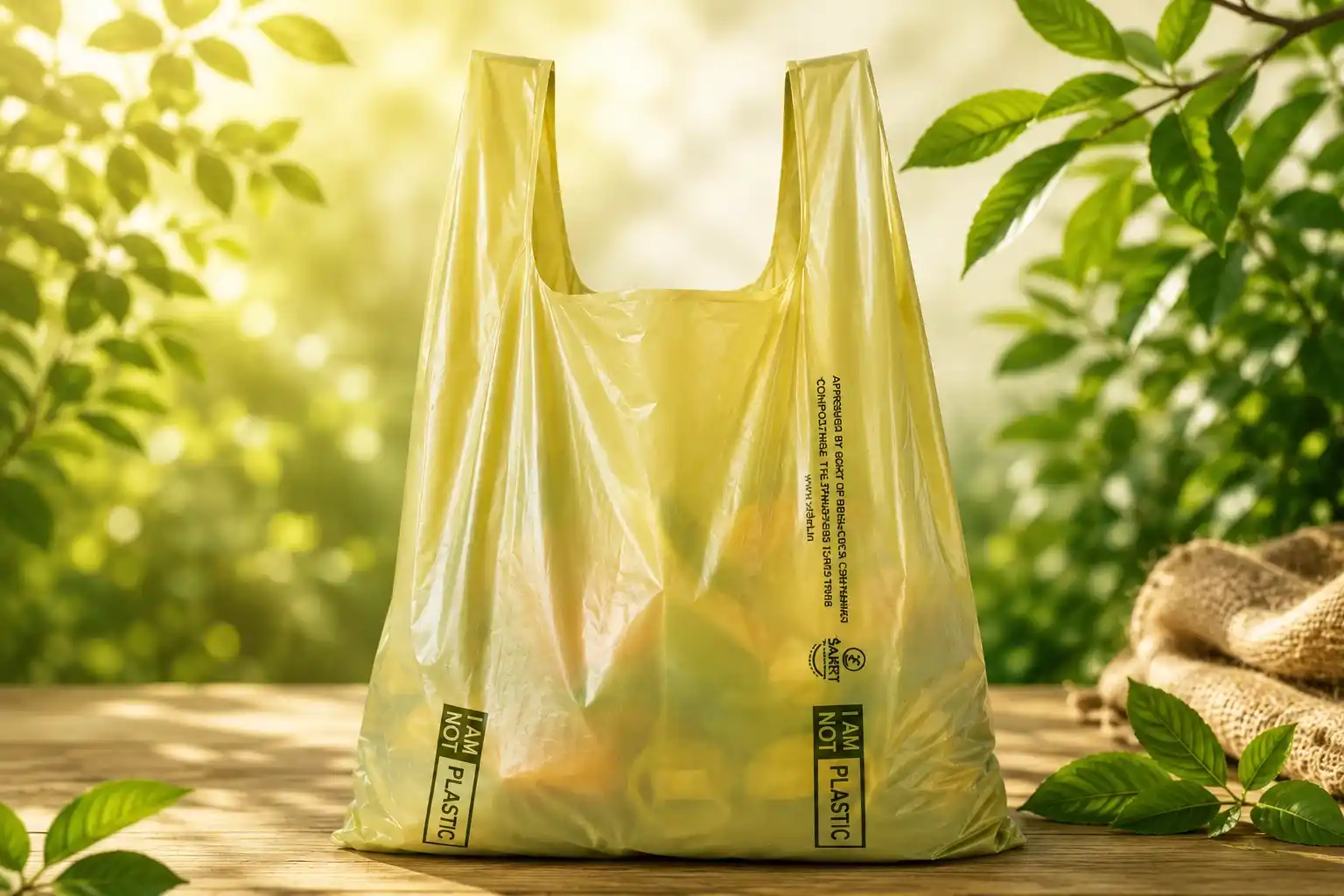
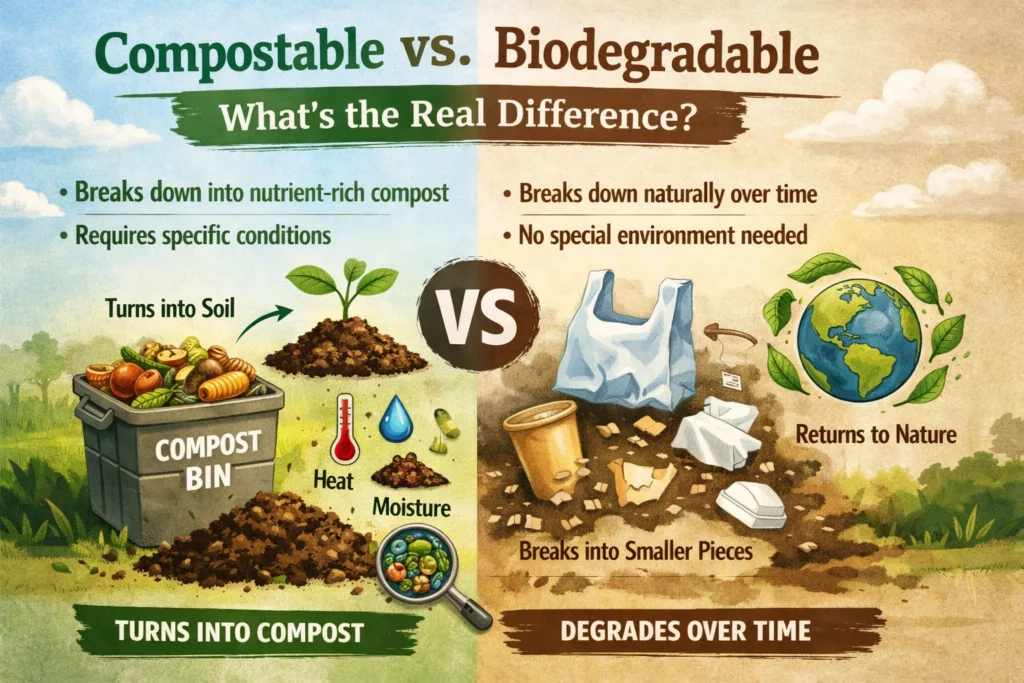
Compostable means materials that can break down under certain conditions, turning into soil that is rich in nutrients without leaving harmful leftovers. Unlike regular trash, compostable items are made to work well in composting systems. For example, compostable bags used for carrying things or storing clothes are often made from plant-based materials like cornstarch, which microbes can easily break down. However, not every biodegradable product is compostable what matters is that they need a controlled environment to break down properly.
Compostable products also have to follow certain standards, like ASTM D6400, which means they should break apart within 90 days and fully biodegrade within 180 days in commercial composting plants.
This happens because of heat, moisture, and air, turning waste into compost that helps gardens grow. Even though home composting might take longer for some items, the end goal is the same: less waste going into landfills. As more companies start offering compostable plates and clam shells, people have more choices to help support a recycling-friendly economy.
How Compost Transfers Waste into Valuable Resource ?
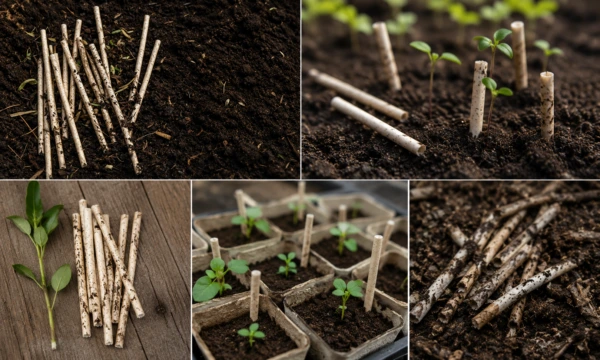
Compost is the organic material made from broken down waste, usually used to enrich soil. When talking about compostable versus biodegradable, compost shows the good result of managing waste properly. If compostable wrapping or stretch films are put into a compost heap, they break apart along with food waste, turning into a dark, fertile material that helps improve the soil. This process is not only effective but also good for the environment because it keeps waste out of landfills.
Also, compost helps make ecosystems more diverse by giving necessary nutrients to plants. Farmers and gardeners use this method to grow more crops without using chemical fertilizers. For things like single-use bowls made from compostable materials, the path from use to becoming compost is an example of being eco-friendly. But it’s important to have clear labels, because without them, people might mix up compostable items with regular trash, which can mess up recycling efforts.
What is the meaning of Biodegradable?
Difference Between Compostable vs Biodegradable means things that can break down naturally through processes involving bacteria, fungi, or other living things. This is a wider idea than compostable, because biodegradable items don’t always need special places. For instance, biodegradable garbage bags can start to break down in soil, but how long it takes depends on things like temperature and moisture. The difference between compostable and biodegradable is important: both involve breaking down, but biodegradable materials might leave behind tiny plastic pieces or harmful chemicals.
Environmental factors like heat and humidity also affect how fast something breaks down. In landfills, where there’s not much oxygen, even biodegradable waste can take longer to disappear. Products like biodegradable carry bags are often promoted as being better for the environment, but they only work well if they are disposed of properly. Choosing these options helps reduce reliance on regular plastics, which is good for the planet.
Examples for Biodegradable Waste and Environmental Impact
Biodegradable waste consists of organic materials such as food leftovers, paper, and some types of plastic that can break down naturally over time. When comparing compostable and biodegradable waste, biodegradable waste has the potential to help reduce pollution if handled properly. Common examples include things like fruit peels or grass clippings, but it also includes specially made items like biodegradable garbage bags. The benefits are clear: when biodegradable waste is turned into compost, it helps cut down on harmful methane gas that comes from landfills.
However, there are still some problems. If biodegradable waste isn’t sorted correctly, it can mix with regular recyclables and cause issues. That’s why it’s important for people to learn how to properly separate their waste. For example, using biodegradable packaging films for food is good, but only if people know how to get rid of them properly. As more people become aware of these benefits, more homes are starting to use composting, turning biodegradable waste into a useful resource rather than a problem.
what is Non biodegradable?
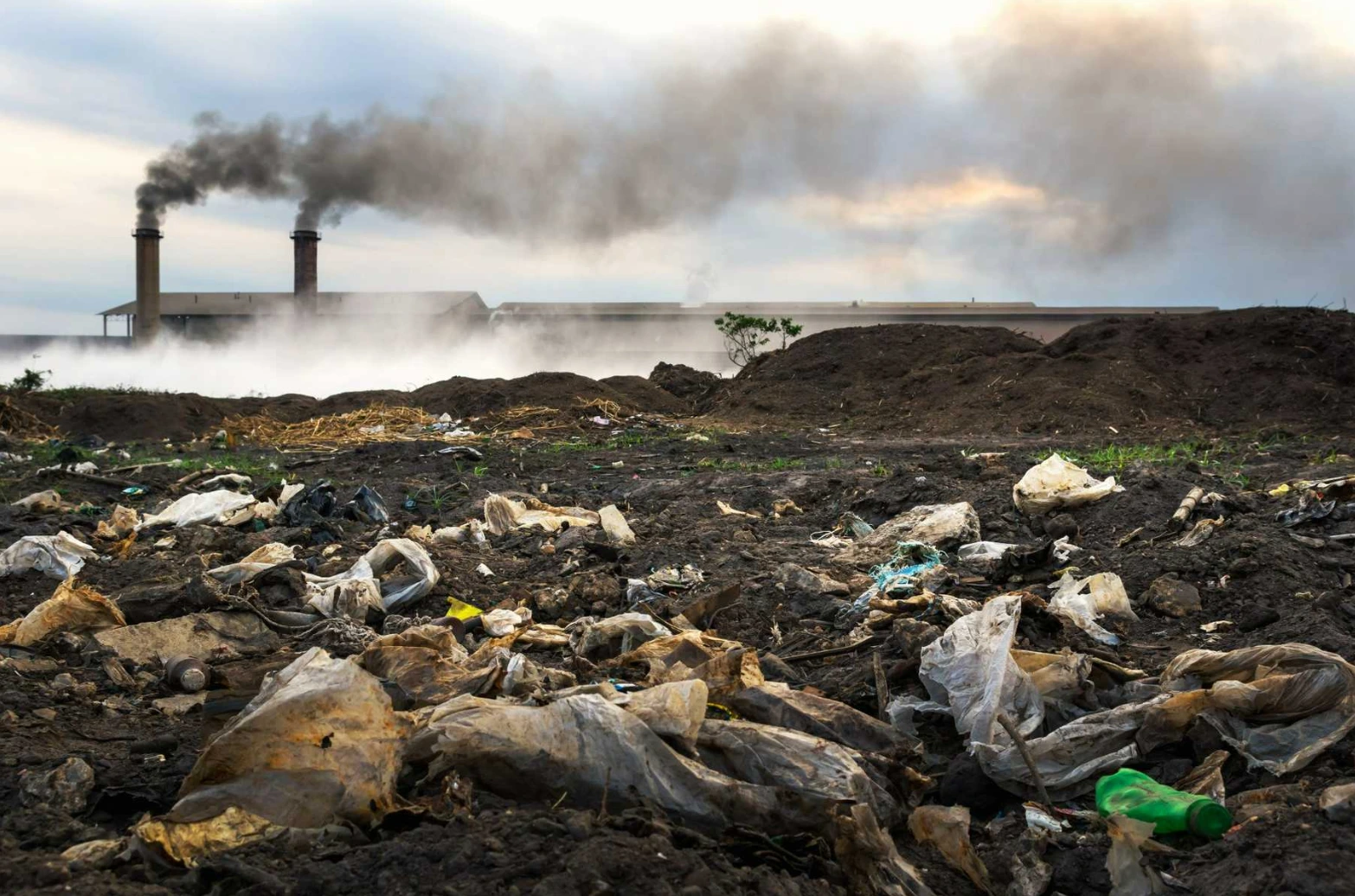
Non biodegradable means materials that don’t break down on their own in a reasonable amount of time, sometimes for hundreds of years. Things like plastic made from oil, metals, and glass are examples of non biodegradable materials. These are different from compostable or biodegradable materials. When non biodegradable waste ends up in oceans or landfills, it can harm animals and the environment. Knowing this helps explain why people are starting to prefer alternatives like compostable clam shells.
Also, the idea of non biodegradable highlights the need for change. Products like regular stretch films can cause pollution, but using biodegradable or compostable versions can help reduce that damage. More and more, governments and businesses are setting rules to limit the use of non biodegradable materials and encourage the use of eco-friendly substitutes to protect the environment.
Recyclable Materials: Closing the Loop on Resources
Recyclable materials can be gathered, processed, and made into new things, which is different from how compostable or biodegradable materials break down naturally. Things like plastic, paper, and metal are usually recyclable, which helps them last longer and saves resources. For instance, recycling one aluminum can saves enough energy to run a TV for several hours. This whole process depends on people helping by sorting their trash so it can be reused instead of thrown away.
But not all recyclable materials are the same. If they get dirty or mixed up, it can mess up the recycling process. Compared to biodegradable waste, recyclables need things like sorting centers to work properly. Recyclable garbage bags make it easier, but knowing what the symbols mean is important for it to work well. As more people recycle, the effect on the environment gets better, and it works together with composting and biodegradable methods.
Key Differences: Compostable vs Biodegradable
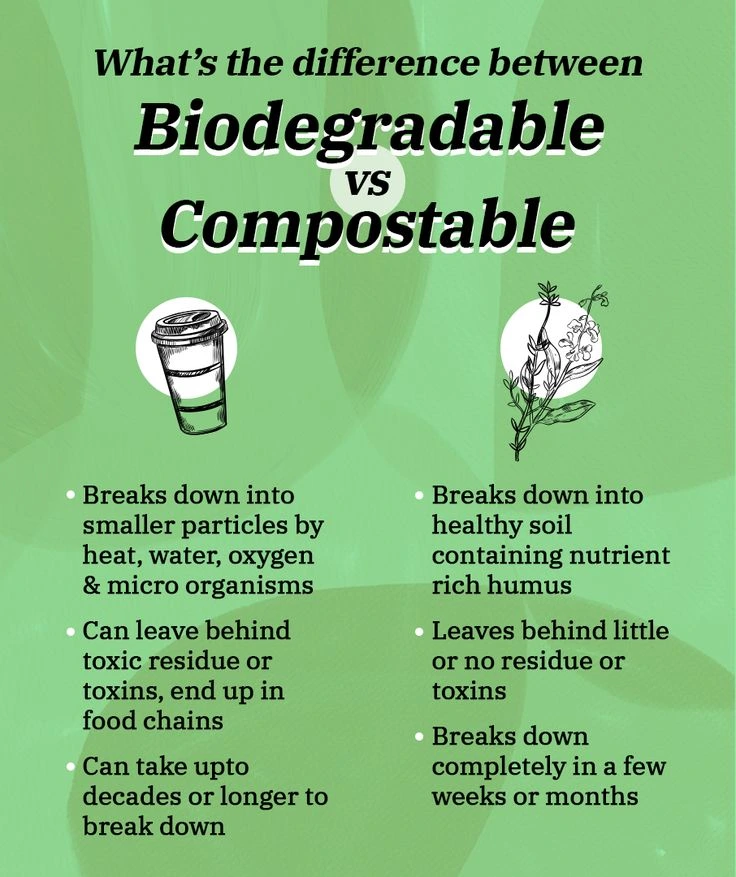
Looking closer at compostable, biodegradable, and recyclable materials, the main differences are in how they work and what happens after use. Compostable items need special conditions to break down into rich soil, making them good for things like plates and utensils. Biodegradable materials can break down in many places, but they might not help the environment much, like some disposable bowls. Recyclable items are processed again through machines, not by breaking down naturally.
The time it takes for each to break down is also different. Compostable things usually break down fast in special facilities, biodegradable items take different amounts of time, and recyclables depend on how often they’re collected. The effect on the environment varies too. Using compostable and biodegradable options helps reduce waste, while recycling saves resources. Making smart choices, like using compostable bags instead of non-biodegradable ones, helps the planet more.
In everyday life, we can use things like compostable shells for picnics or biodegradable bags for shopping. Every decision we make helps the environment, but there are still some misunderstandings. For example, thinking all biodegradable products are the same can lead to wrong ways of throwing them away
Practical Applications: From Carry Bags to Garbage Bags
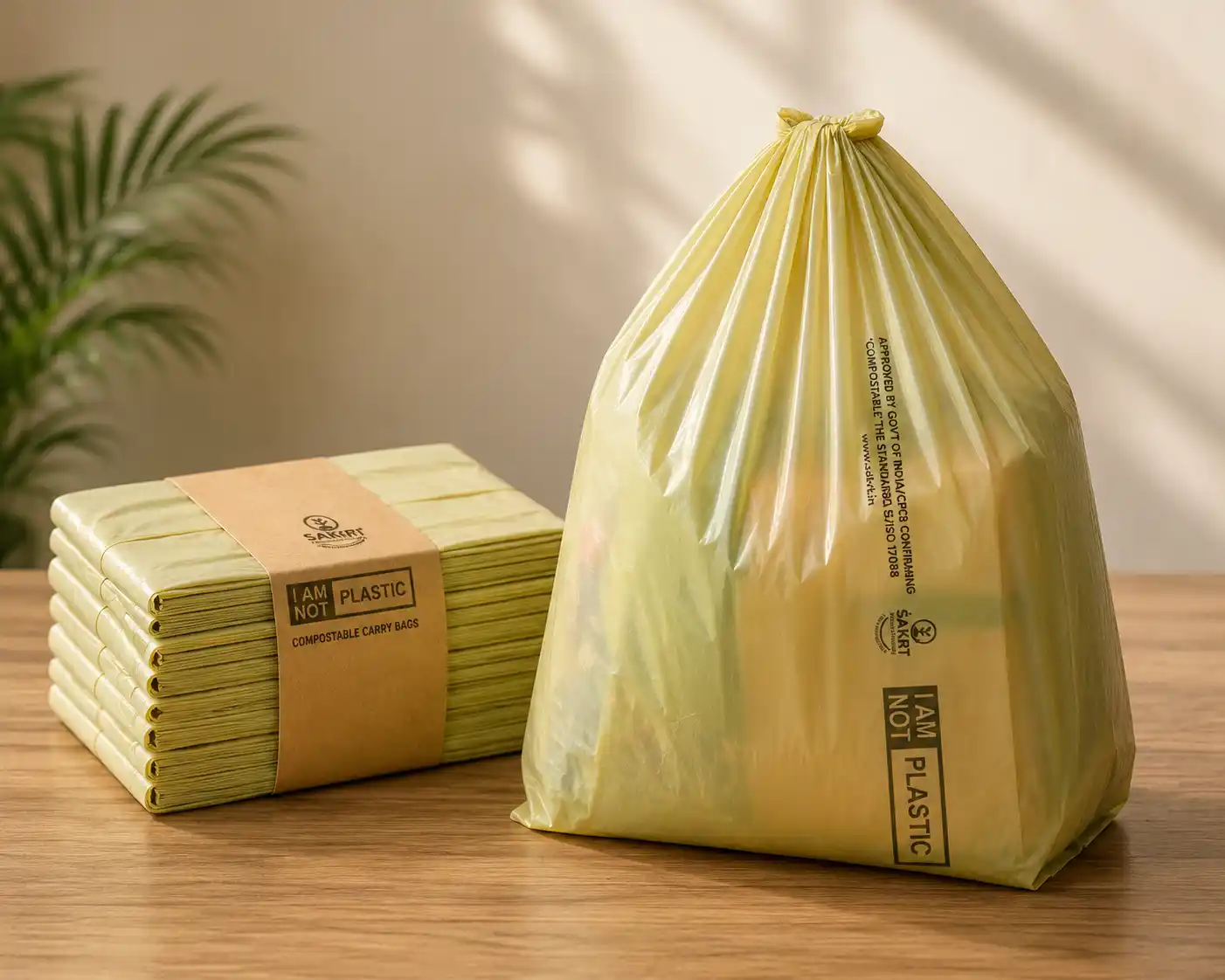
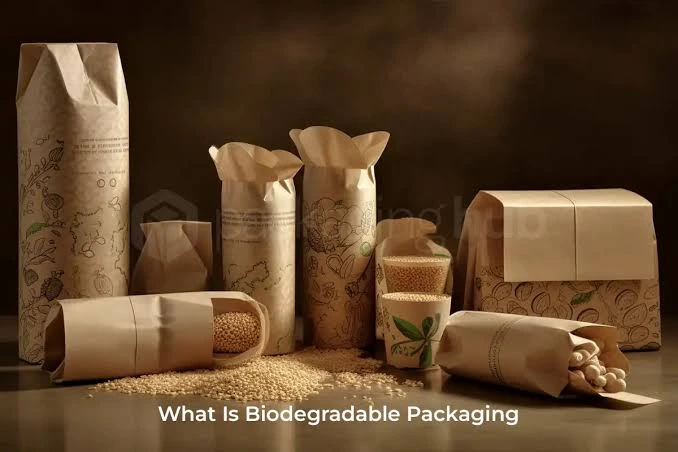
In real life, the choice between compostable and biodegradable products affects what people buy. For example, compostable carry bags work well for shopping, breaking down safely after use. Biodegradable garbage bags manage trash without causing lasting damage, and recyclable wrapping films help reuse materials. Companies are creating compostable stretch films for packaging, cutting down on the need for non-biodegradable options.
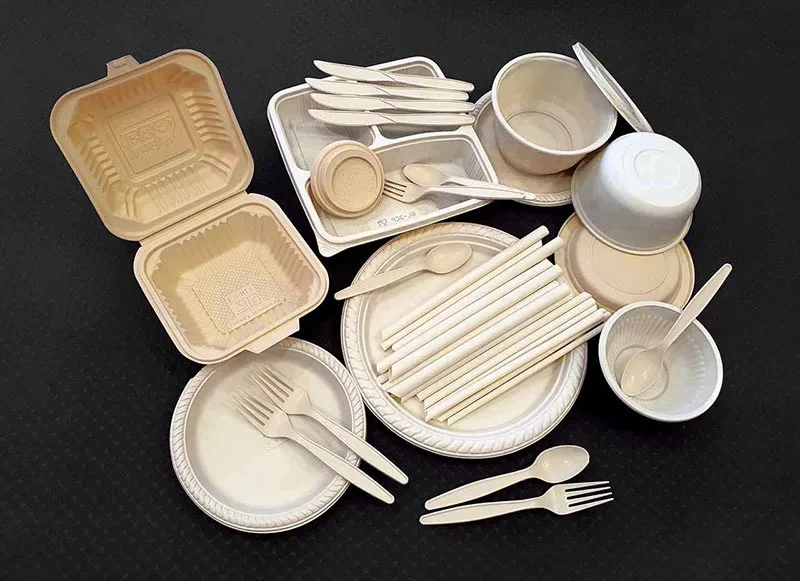
Also, compostable tableware is changing how events are set up, providing disposable bowls that go back into the earth. When clam shells for takeout are compostable, they help reduce litter. These examples show how understanding the differences between these materials helps people and businesses make better choices for the environment.
Contact Us
Join the sustainability revolution today!
Choose SAKRT’s compostable products for your home, business, or event and make waste disposal environmentally responsible.
Conclusion:
In short, understanding the difference between compostable, biodegradable, and recyclable helps us fight environmental issues. Compostable items help make soil better, biodegradable things break down on their own, and recyclable stuff can be reused. Using products like compostable bags and biodegradable trash bags can cut down on waste. But it all depends on how we throw things away and how much we know. As we move towards a more sustainable future, every small decision matters and helps create a better, cleaner world.
SAKRT – A Brand of Envirly Innovations Pvt Ltd
Choose SAKRT’s Biodegradable Products
Join the sustainability revolution today!
Choose SAKRT’s biodegradable products for your home, business, or event and make waste disposal responsible.