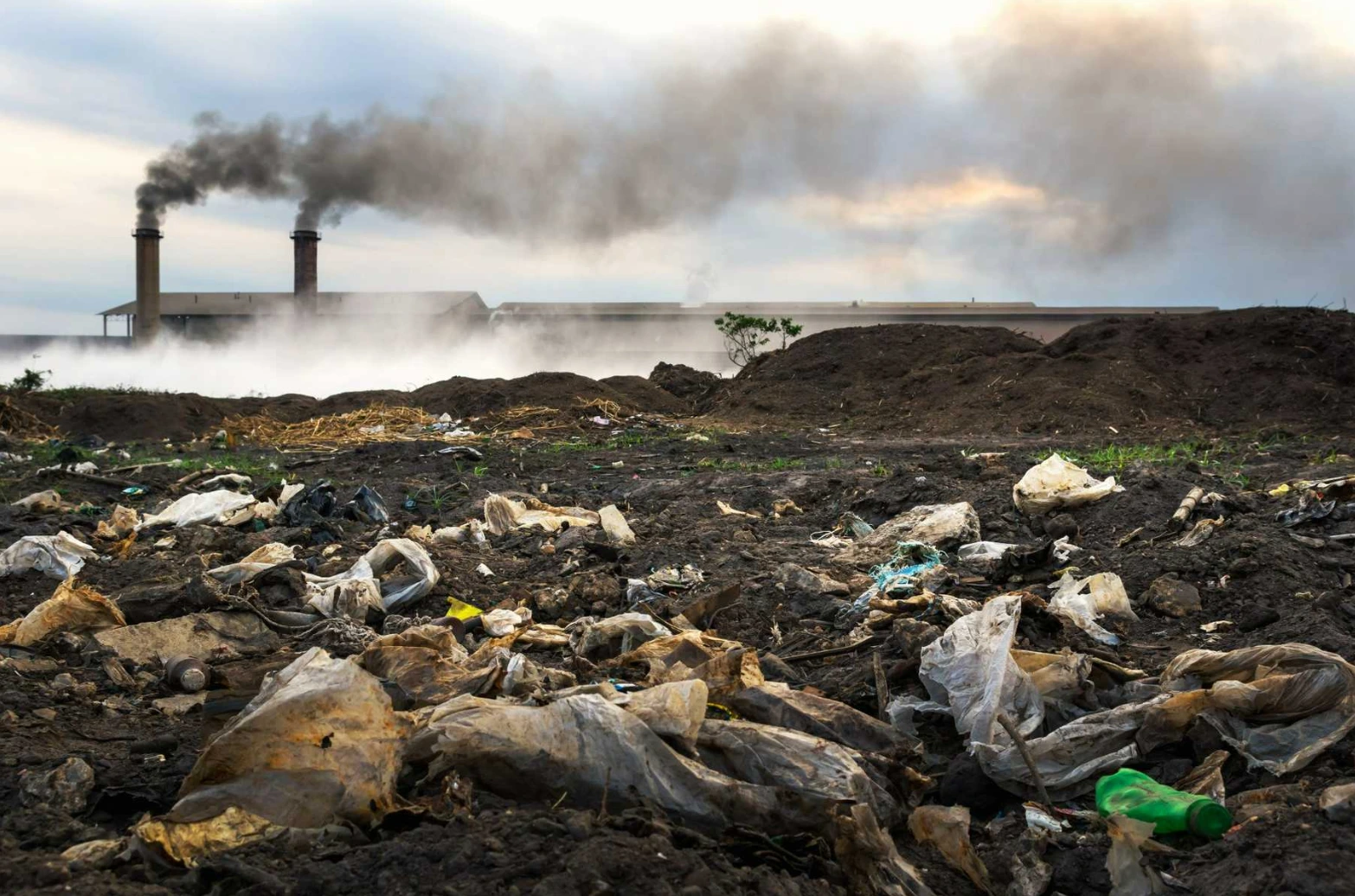
Waste management is one of the most pressing environmental challenges facing India today. Every day, thousands of tons of organic waste are sent to landfills, tightly sealed inside traditional plastic garbage bags. Because these plastic bags prevent oxygen from reaching the waste, the organic matter rots and releases methane a greenhouse gas far more potent than carbon dioxide.
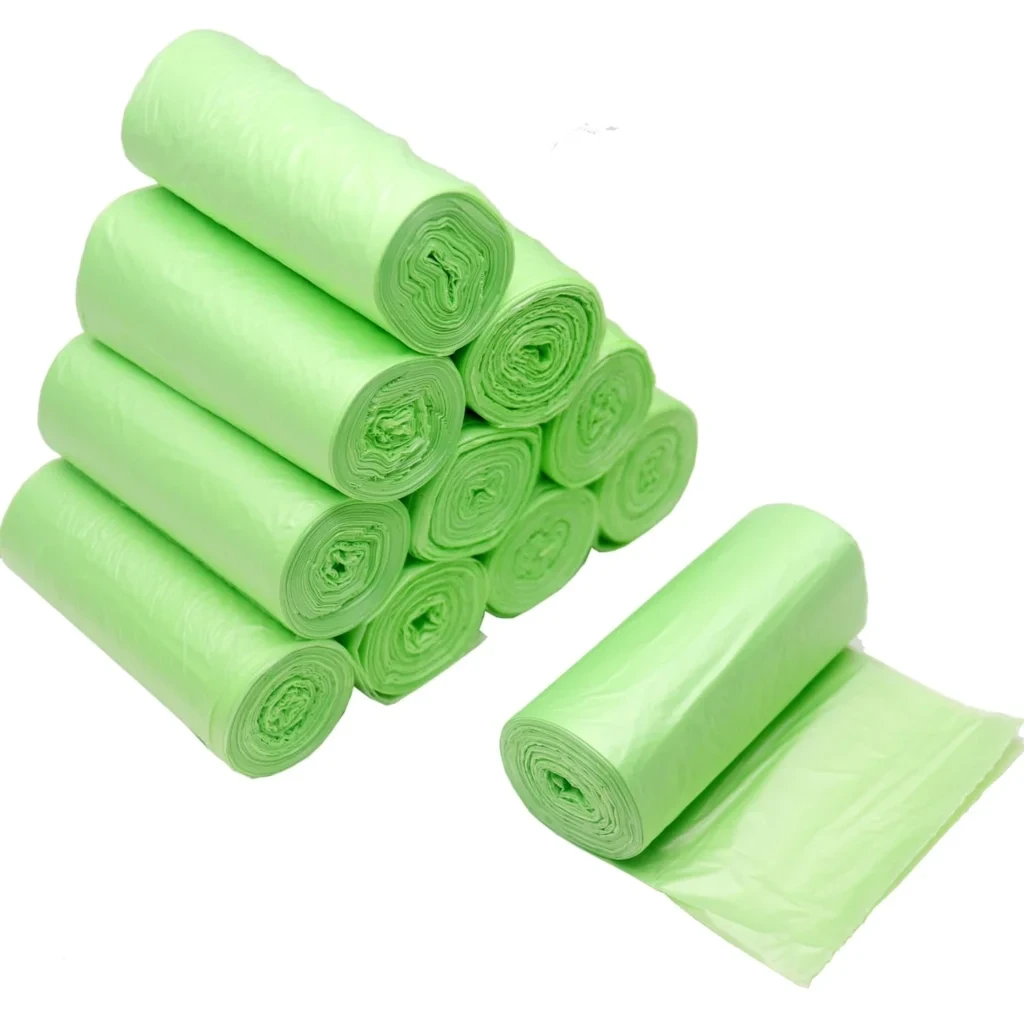
As municipal corporations across the country enforce stricter waste segregation laws, the demand for biodegradable garbage bags in India has skyrocketed.
But with so many “greenwashed” products on the market, how do you know you are making the right choice? At SAKRT, we believe in complete transparency. Here is everything you need to know about switching to sustainable waste liners, and why 100% compostable bags are the ultimate solution.
The Growing Need for Eco-Friendly Waste Management in India
India’s Swachh Bharat Abhiyan and changing Central Pollution Control Board (CPCB) regulations have made waste segregation at the source mandatory in many states. Wet waste (organic) and dry waste (recyclables) must be separated.
However, throwing wet waste into a standard black plastic bag defeats the purpose of segregation. The plastic contaminates the compostable waste, rendering it useless for municipal composting facilities. To truly close the loop on waste, the bag holding the organic waste must decompose right alongside it.
Biodegradable vs. Compostable Garbage Bags: What is the Difference?
What are Biodegradable Garbage Bags?
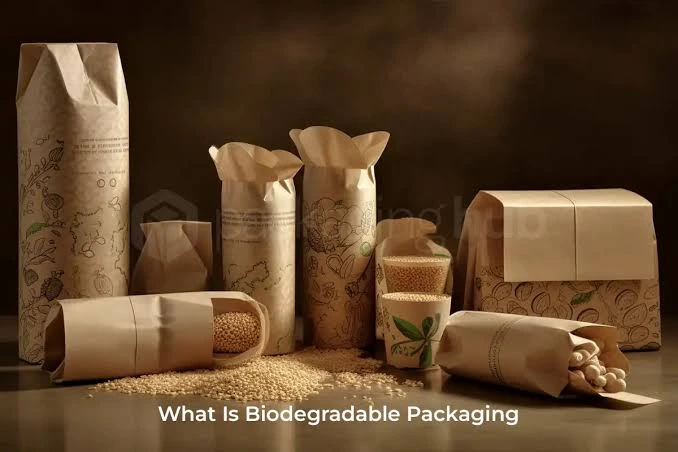
A biodegradable bag will break down over time with the help of bacteria and fungi. However, there is no set time limit for this process, and importantly, many “biodegradable” plastics break down into dangerous microplastics that remain in the soil and water forever.
What are 100% Compostable Garbage Bags?
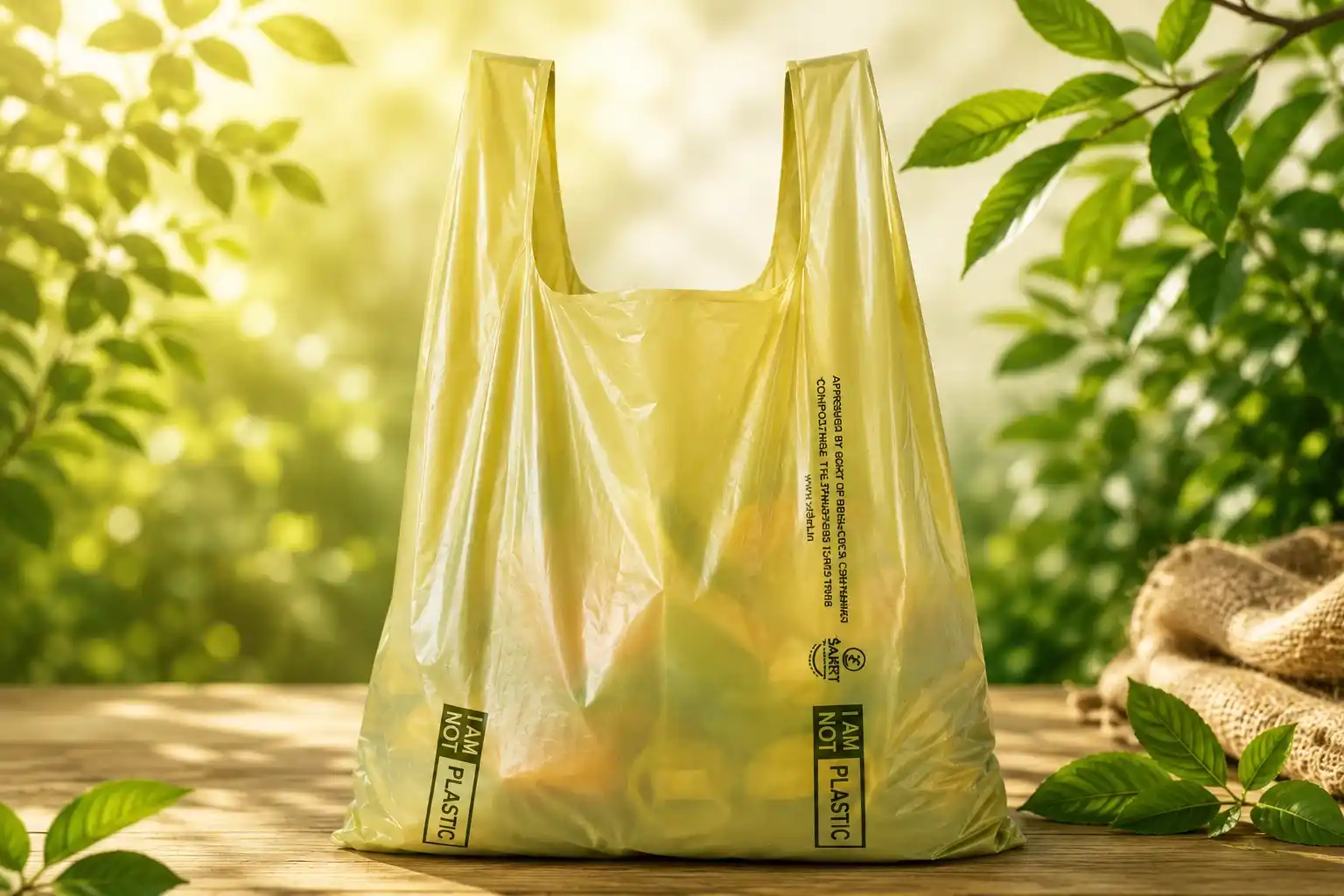
Compostable bags go a step further. Made from plant-based materials like corn starch, these bags are designed to break down entirely into natural elements water, carbon dioxide, and nutrient-rich biomass within a specific timeframe (usually 180 days) under composting conditions. They leave zero toxic residue and zero microplastics behind.
Key Benefits of Using SAKRT Compostable Garbage Bags
As a leading compostable garbage bags manufacturer in India, SAKRT provides waste management solutions that don’t compromise on quality or the environment.
1. CPCB-Certified and Government Compliant
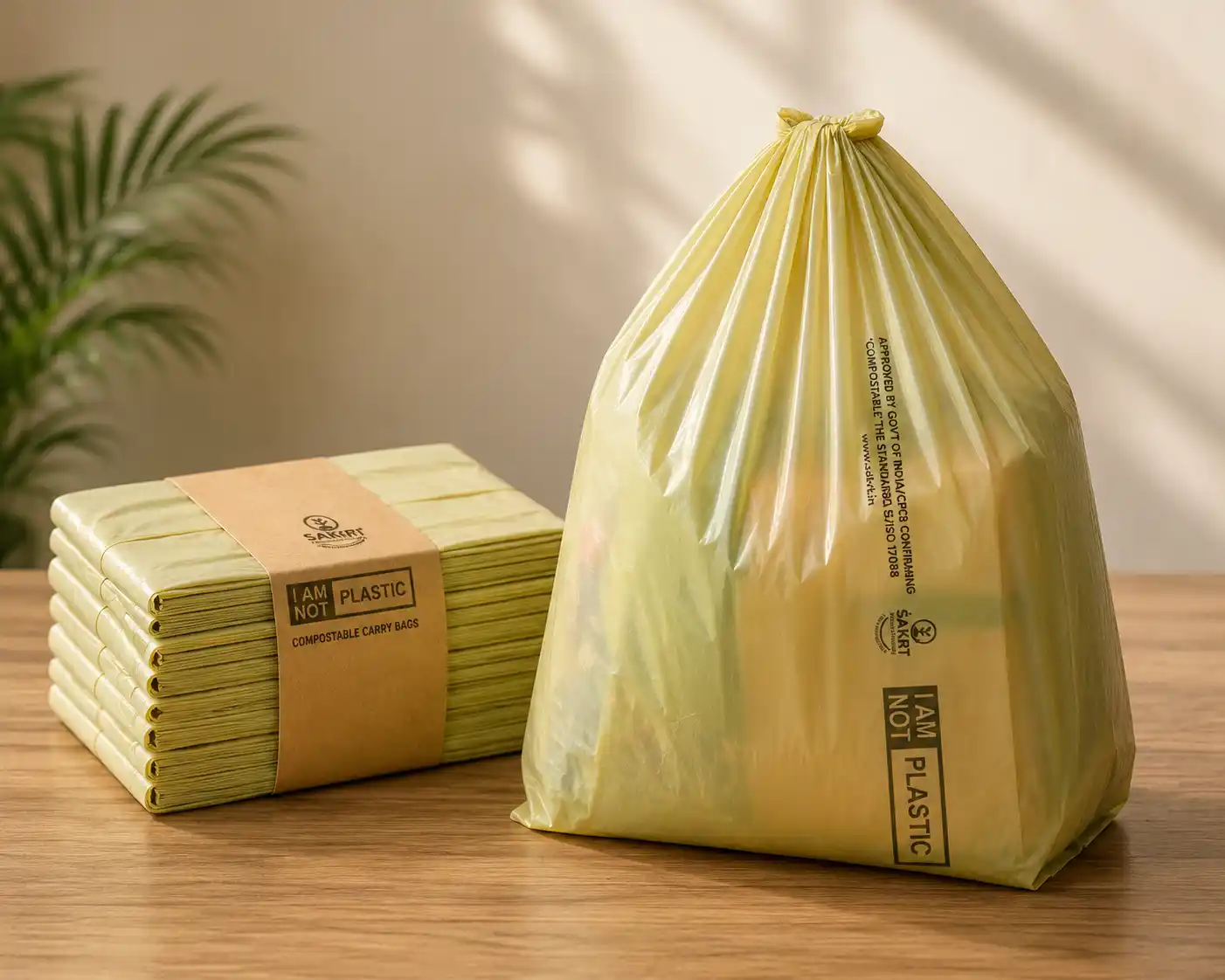
Not all green bags are legal. SAKRT’s garbage bags are strictly tested and approved by the Central Pollution Control Board (CPCB) of India. They meet the ISO 17088 standards for compostability, ensuring your business stays 100% compliant with local single-use plastic bans.
2. Heavy-Duty and Leak-Proof Design
The biggest myth about plant-based bags is that they are weak. SAKRT bags are engineered for high tensile strength and tear resistance. They feature a star-sealed bottom to prevent messy leaks, making them just as reliable as traditional polythene.
Ideal for Hospitals, Hotels, and Homes
Whether you are a hospital disposing of non-biomedical waste, a hotel managing kitchen scraps, or a household lining a daily dustbin, our bags are designed to handle heavy, wet loads without tearing.
3. Zero Microplastics & Toxin-Free
Because our bags are made from starch and natural polymers, they serve as food for microorganisms. When they decompose, they enrich the soil rather than poisoning it with invisible plastic fragments.
How to Choose the Right Manufacturer in India
When sourcing biodegradable garbage bags in India for your business or retail store, always look for:
- The CPCB Certificate: Ask the manufacturer for their CPCB certification number.
- Printed QR Codes: Genuine compostable bags in India must have a printed QR code linking to their CPCB certificate, along with the manufacturer’s details.
- Texture and Smell: True compostable bags have a soft, matte finish and often a very faint, natural scent, unlike the harsh chemical smell of standard plastics.
Make the Switch with SAKRT Today
Switching to compostable garbage bags is the easiest and most impactful step you can take toward responsible waste management. By choosing SAKRT, you are not just buying a bag; you are investing in a cleaner, greener India.
SAKRT – A Brand of Envirly Innovations Pvt Ltd
Choose SAKRT’s Biodegradable Products
Join the sustainability revolution today!
Choose SAKRT’s biodegradable products for your home, business, or event and make waste disposal responsible.
FAQs
No, biodegradable does not necessarily mean chemical-free.
Here’s why:
Biodegradable simply means that a material can be broken down by microorganisms (like bacteria and fungi) into natural elements such as water, carbon dioxide, and biomass over time.
However, a biodegradable product can still contain chemicals — both natural and synthetic. The key point is that these chemicals should eventually decompose without leaving toxic residues.
For example:
Some biodegradable plastics are made from petroleum mixed with additives that help them break down faster — but they still contain chemicals.
In contrast, compostable products (like those made from cornstarch or PHA) are designed to decompose completely into non-toxic components, making them safer for the environment.
Yes, biodegradable materials are generally more expensive than conventional plastics — though prices are slowly decreasing as demand and production grow.
Here’s why they tend to cost more:
Raw Material Costs:
Biodegradable materials are often made from renewable sources like cornstarch, sugarcane, or potato starch, which are costlier than petroleum-based plastics.Production Technology:
The manufacturing process for biodegradable materials is still developing and requires specialized equipment, which adds to the overall cost.Limited Scale:
Conventional plastics benefit from large-scale production. Biodegradable materials, being newer, are made in smaller quantities, leading to higher unit costs.Certification and Testing:
To be labeled as biodegradable or compostable, products must meet strict standards (like EN 13432 or ASTM D6400) and undergo testing, which increases expenses.
Yes, there are several biodegradable alternatives to plastic, made from natural, renewable sources that break down safely in the environment. These materials are designed to mimic the strength and flexibility of plastic while being far more eco-friendly.
Here are some popular biodegradable alternatives:
PLA (Polylactic Acid):
Made from fermented plant starches like corn or sugarcane. Commonly used in food packaging, cups, and disposable cutlery.PHA (Polyhydroxyalkanoates):
Produced by bacteria from plant oils or sugars. It’s 100% biodegradable and compostable, even in marine environments.Starch-Based Plastics:
Made by blending starch with other biodegradable materials. Used in grocery bags, compostable packaging, and disposable items.Bagasse (Sugarcane Fiber):
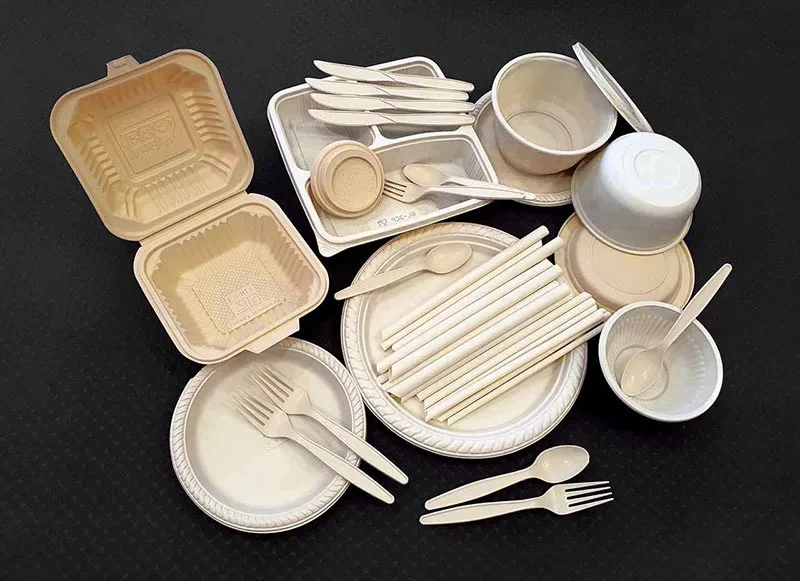
A byproduct of sugarcane processing. It’s durable, heat-resistant, and used for making plates, bowls, and food containers.Bamboo and Palm Leaves:
Naturally biodegradable and sturdy materials ideal for making tableware, packaging, and straws.Paper and Cardboard:
When sustainably sourced and free from plastic coatings, they’re biodegradable and recyclable.
The most biodegradable waste is organic waste — materials that come from plants or animals and decompose quickly through natural biological processes.
Here are the top examples of highly biodegradable waste:
Food Waste:
Items like fruit and vegetable peels, leftover food, coffee grounds, and eggshells decompose within days or weeks.Paper and Cardboard:
Made from plant fibers, these break down easily when not coated with plastic or wax.Yard Waste:
Grass clippings, dry leaves, and small branches are rich in organic matter and compost quickly.Animal Waste:
Manure and other organic by-products are highly biodegradable and even useful as compost when handled properly.Natural Fibers:
Materials like cotton, jute, and wool decompose faster than synthetic fabrics like polyester or nylon.
Biodegradable waste is generally considered wet waste because it mainly includes materials that contain moisture and organic matter, which can decompose naturally.
Here’s a clear breakdown:
🌱 Wet (Biodegradable) Waste:
This includes items that can rot or decompose easily.
Examples:
Food scraps (vegetable peels, fruit waste, leftovers)
Tea leaves and coffee grounds
Garden waste (grass, flowers, leaves)
Paper towels and tissues
These materials break down quickly and are ideal for composting.
🧱 Dry (Non-Biodegradable) Waste:
This includes materials that don’t decompose easily.
Examples:
Plastic, glass, and metal
Styrofoam
Aluminum foil
Synthetic fabrics