
Certified
Product

Ontime
Delivery

Custom
Orders
Easy
Returns
About This Item
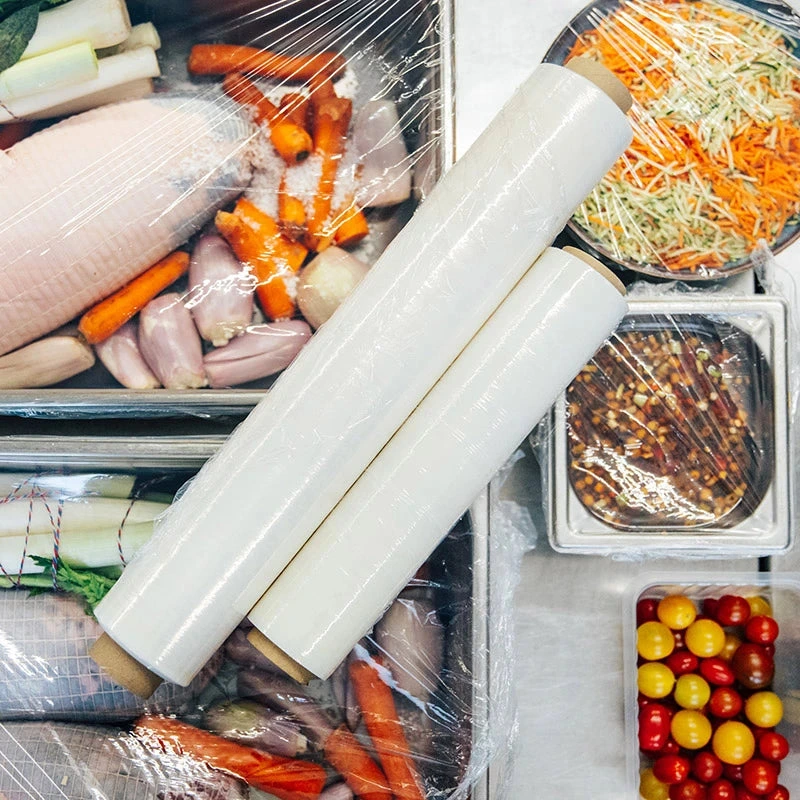
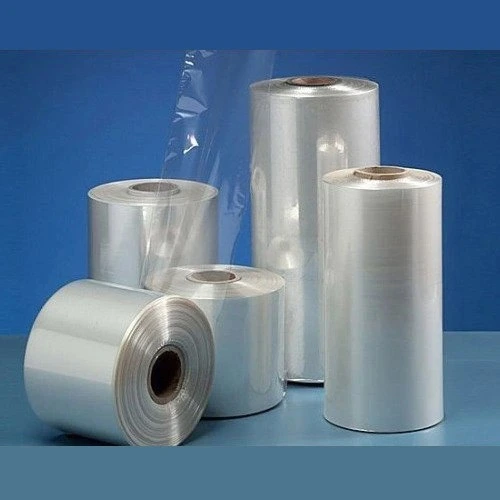
- Shrink films are available in roll and bag formats with multiple dimensions to meet diverse industrial packaging needs.
- Made from industrial-grade shrink films that deliver excellent clarity, strength, and long-lasting performance.
- Shrink films tightly conform to products when heat is applied, ensuring a secure and professional finish.
- Acts as a reliable barrier against dust, moisture, and external damage during storage and transportation.
- Compatible with standard heat shrink machines and heat guns for smooth and efficient application.
- Maintains integrity even under handling stress, stacking, and long-distance shipping.
- High transparency enhances product visibility and shelf appeal.
- Easily wraps products of various shapes and sizes without tearing.
- Reduces material waste while delivering maximum protection.
- Environment-friendly shrink films that are compostable.

CPCB CERTIFIED
BPA-free and non-toxic, safe for food wrapping.
CIPET Certified

Easy Order

Easy Payment
Why Shrink Films?
Shrink films are a smart and efficient packaging solution designed to protect, secure, and enhance the presentation of products across industries. By shrinking tightly around items when heat is applied, shrink films provide tamper resistance, reduce movement during transport, and extend product life. Their versatility, durability, and eco-friendly nature make shrink films an ideal choice for businesses seeking reliable and sustainable packaging solutions.
Read More
Additional Product Details
- Tear-resistant and puncture-proof structure.
- Lightweight material reduces shipping costs.
- Suitable for manual and automated packaging lines.
- Maintains clarity even after shrinking.
- Consistent thickness for uniform wrapping.
- Excellent sealing performance.
- Helps improve product shelf life.
- Safe for packaging food and non-food items.
- Designed for high-volume industrial use
Read More
Usage Applications:
- Packaging of consumer goods and retail products.
- Industrial bundling and pallet wrapping.
- Food and beverage packaging.
- Electronics and hardware protection.
- Pharmaceutical and cosmetic product wrapping.
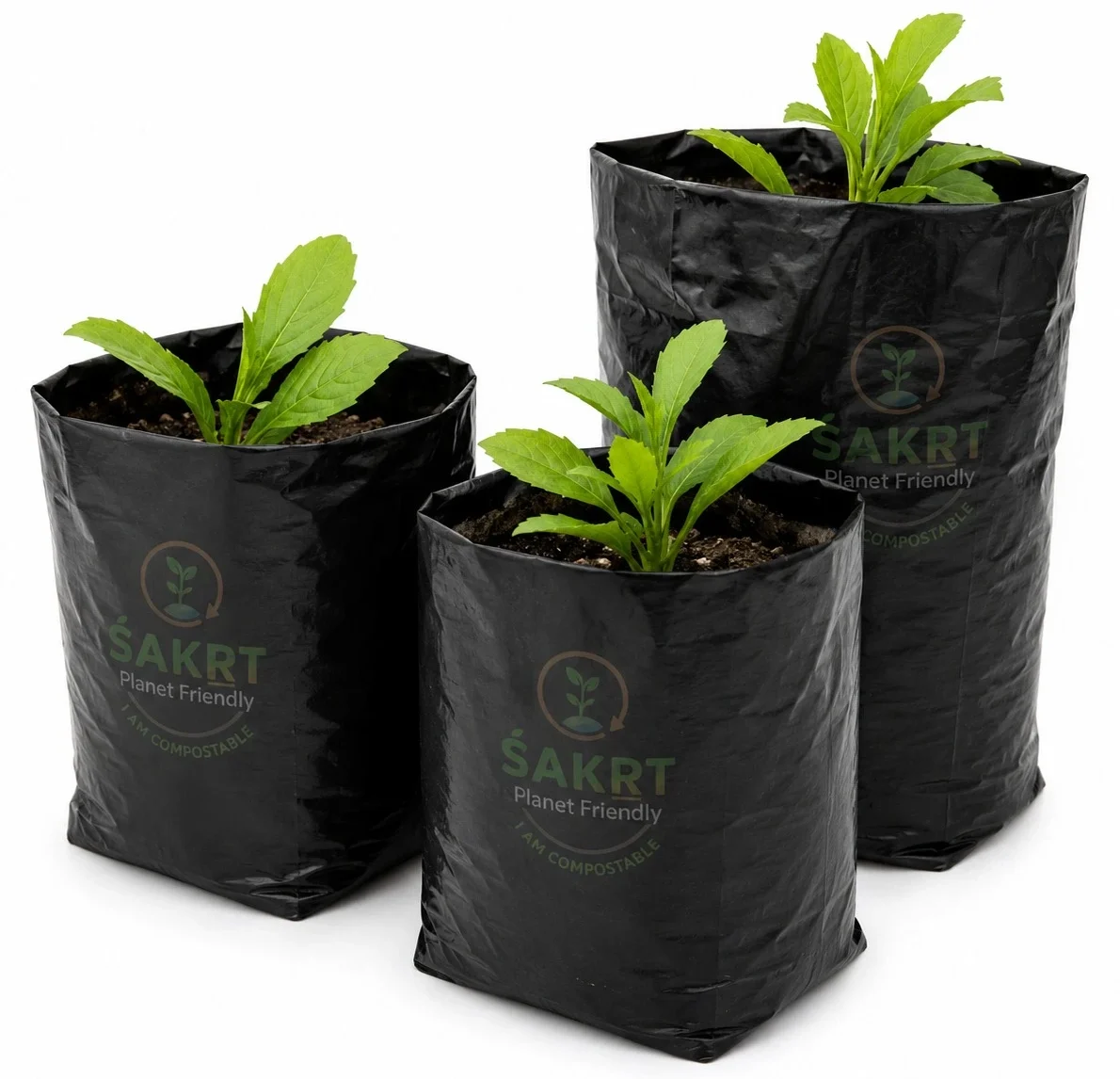
SAKRT – A Brand of Envirly Innovations Pvt Ltd
Choose SAKRT’s Biodegradable
Shrink Films
Join the sustainability revolution today!
Choose SAKRT’s biodegradable products for your home, business, or event and make waste disposal environmentally responsible.
Related Products


FAQs
Although composting is a highly sustainable waste management practice, it does come with certain challenges. It requires regular monitoring and maintenance, adequate space, and proper balancing of organic materials. Compost piles may also generate unpleasant odors if not managed correctly and can attract insects or pests. Furthermore, the decomposition process can take several weeks to several months before producing nutrient-rich compost that is ready for use.
To maintain a healthy, efficient, and odor-free compost pile, avoid adding materials that may attract pests, spread diseases, or introduce harmful chemicals. Keeping unsuitable items out of your compost helps ensure proper decomposition and results in high-quality, nutrient-rich compost for your garden.
Biodegradable materials can be broken down naturally by microorganisms into carbon dioxide, water, and biomass over time, although the duration and environmental conditions required are not specifically defined.
Compostable materials are also broken down into carbon dioxide, water, and biomass, but they must do so within a defined timeframe and under specific composting conditions, leaving behind no harmful residues.
In simple terms, all compostable materials are biodegradable, but not all biodegradable materials are compostable.
During the composting process, various gases such as carbon dioxide, ammonia, nitrous oxide, methane, hydrogen sulfide, and carbon disulfide can be released as organic materials break down. In poorly ventilated or enclosed composting systems, the buildup of these gases may create health and safety concerns by reducing oxygen levels and affecting air quality. Proper ventilation and regular maintenance are essential to ensure a safe and effective composting environment.
Composting converts organic waste into nutrient-rich compost, providing significant benefits for the environment, agriculture, and sustainable waste management. By diverting organic materials from landfills, composting helps reduce waste accumulation and minimize greenhouse gas emissions. It also improves soil structure, enhances fertility, and supports healthy plant growth, creating a natural and sustainable cycle that returns valuable nutrients back to the earth.
enclosed composting systems, the buildup of these gases may create health and safety concerns by reducing oxygen levels and affecting air quality. Proper ventilation and regular maintenance are essential to ensure a safe and effective composting environment.