Govt Approved Certified

Compostable / Biodegradable Products Manufacturer In India

SAKRT offers a wide range of sustainable bioplastic products for retailers, foodservice, and industrial enterprises across India.

The world is changing more and more from using plastics made from petroleum to more eco-friendly options. Two terms you often hear are compostable products and bioplastic products. Even though they are similar, they are not exactly the same. Knowing the differences can help people, companies, and government leaders make better decisions in 2026.

Here you see what these products are, how they are different, their benefits and problems, real examples, what’s happening in the market right now, and why they are becoming more popular.

What Are Bioplastic Products?

Bioplastic products are made from bioplastics, a kind of material that comes from renewable biological sources instead of fossil fuels. Unlike traditional plastics made from oil, bioplastics are usually made from plant-based materials like corn starch, sugarcane, vegetable oils, or cellulose. The goal is to make less harmful effects on the environment, cut down on carbon emissions, and help with making products in a more sustainable way.

Bioplastics are generally divided into two main types: bio-based plastics and biodegradable plastics. Bio-based plastics come from natural sources but might not break down easily. Biodegradable plastics are made to break into natural things like water, carbon dioxide, and biomass under specific conditions. Some products have both features, meaning they are made from plants and can be composted.

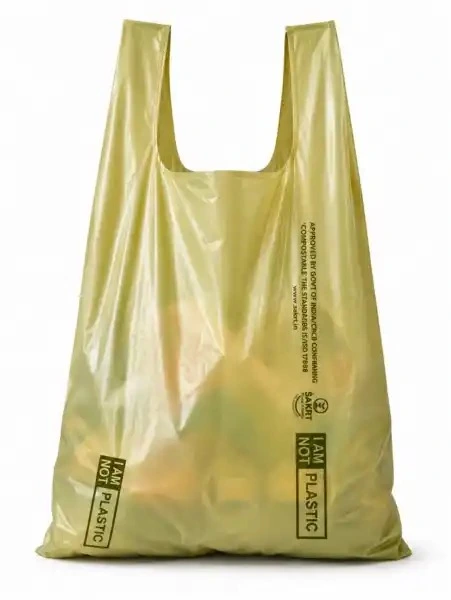
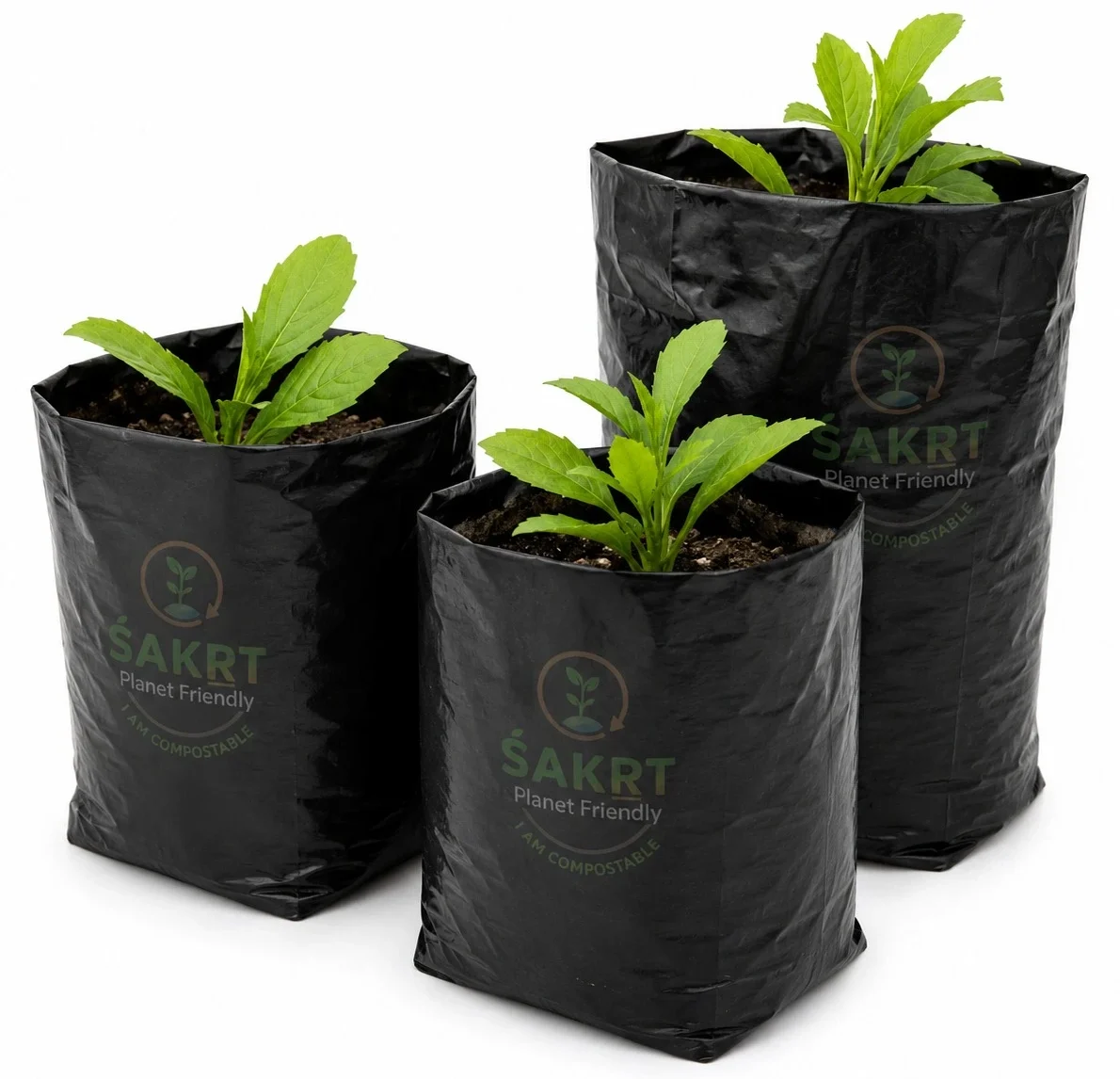
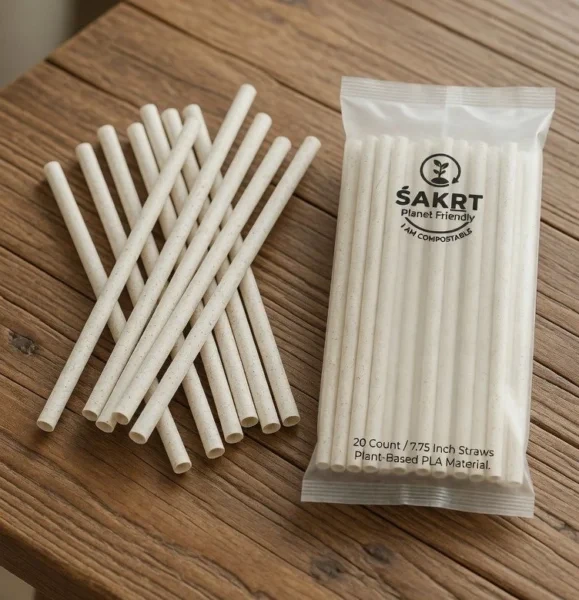
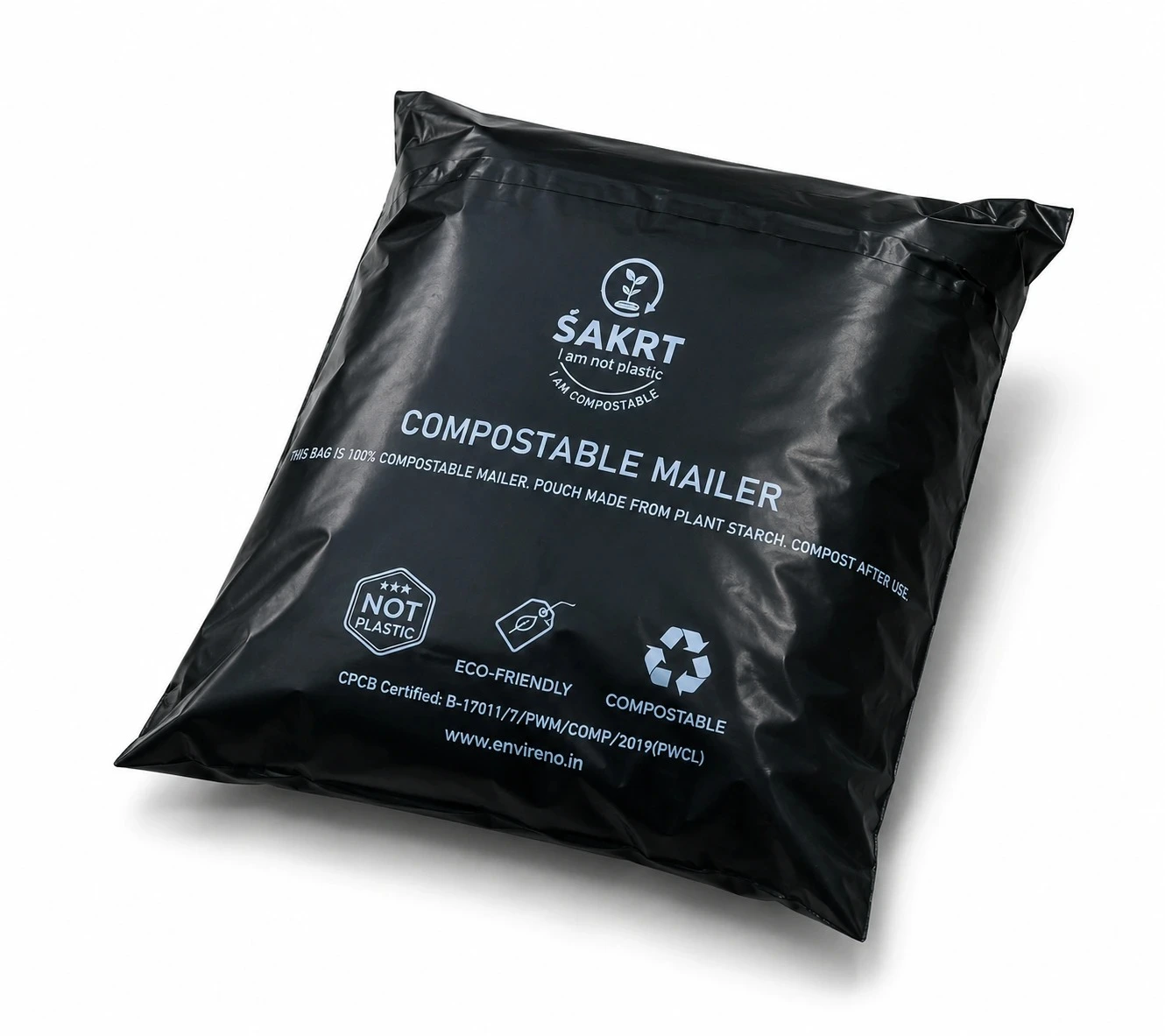
Bioplastic products are now used in many parts of everyday life. Everyday examples include compostable bags, food packaging, single-use utensils, agricultural films, bottles, and even some medical items. Many food places and eco-friendly brands use these materials because they help cut down on single-use plastic and support greener business habits. One big benefit of bioplastic products is that they help reduce reliance on fossil fuels and lower greenhouse gas emissions. They also help with waste management methods like industrial composting. However, they are not a perfect answer. Some bioplastics need special composting facilities to break down right, and if they’re thrown away improperly, their environmental benefits can be lost. Overall, bioplastic products are an important step toward sustainable packaging and better use of resources. As technology gets better and more people become aware, these materials are likely to become a major part of reducing plastic pollution and building a circular economy.

What Are Compostable Products?

Compostable products are things made to break down naturally into harmless parts like water, carbon dioxide, and soil-like materials when they are put in a composting system. Unlike regular plastics, which can take hundreds of years to go away, compostable materials safely return to the earth and help make the soil better. 

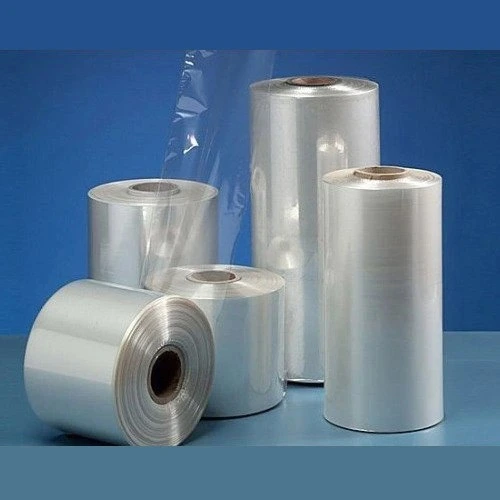
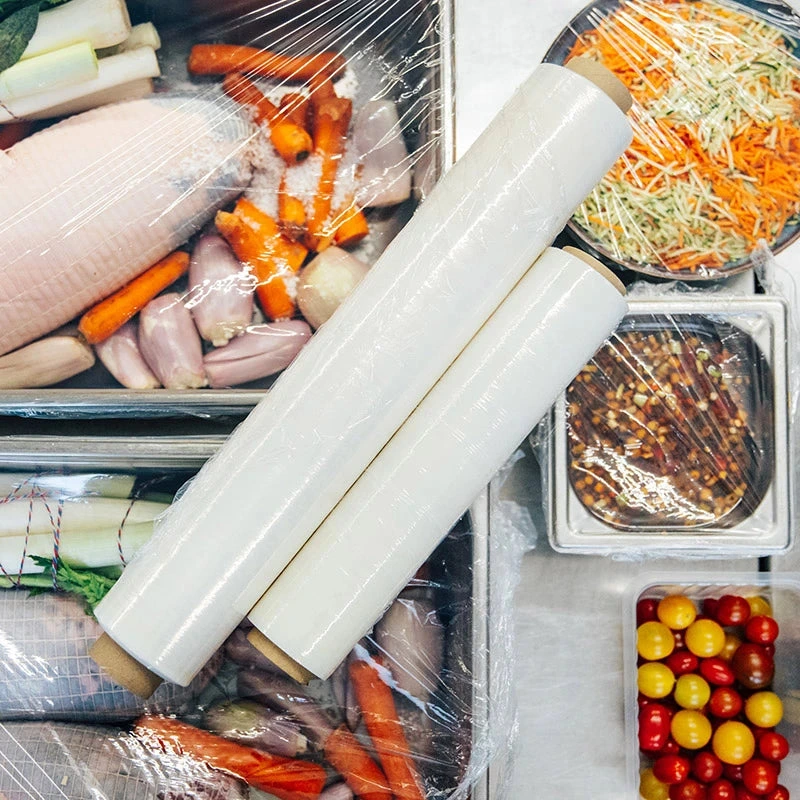
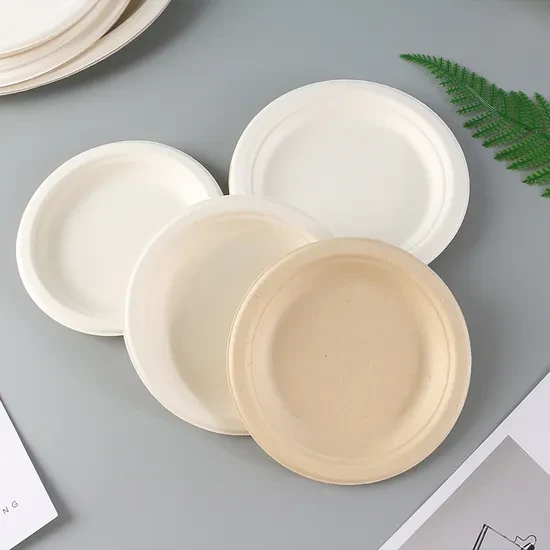
These products are usually made from materials from plants, such as cornstarch, sugarcane fiber, bamboo, or other materials that break down easily. Examples include containers for food, garbage bags, utensils, plastic wrap, and sheets used in farming. When these items are properly disposed of in a compost system, they break down in a few weeks to a few months, depending on how warm, wet, and full of microbes the compost is. Compostable products are a type of biodegradable material, but not all biodegradable items are compostable. Compostable products need to meet certain standards to make sure they fully break down without leaving any harmful leftovers. Groups like the International Organization for Standardization and the United Nations Environment Programme help set rules and spread awareness so that compostable labels are accurate and safe for the environment.

Using compostable products helps cut down on waste in landfills, reduces the need for plastics made from oil, and supports better ways to manage waste. These products are especially helpful in areas where people use a lot of single-use items, like food packaging, hotels, farms, and stores.

However, compostable products work best when there is a good composting system in place. Industrial composting facilities offer the best conditions for them to break down quickly, while home composting might take longer. So, it’s just as important to know how to dispose of these items properly as it is to use them. In short, compostable products are a simple way to help reduce plastic waste and make the world more eco-friendly. If they are used widely and thrown away correctly, they can make a big difference in protecting nature and making the soil healthier.

Advantages and Disadvantages

Advantages of Bioplastics and Compostable Products:

  • Using renewable materials means less dependence on fossil fuels.
  • Many options have a smaller amount of carbon emissions because the plants used take in carbon dioxide as they grow.
  • Some materials can be composted, which helps the soil and cuts down on waste going to landfills.
  • There is growing support for these materials because laws in places like the EU, India, and parts of the US are stopping the use of single-use plastics.
  • New developments in 2025–2026 are making these materials stronger, clearer, and better at keeping things inside..

Disadvantages

  • Higher cost (often 20 to 100 percent more than regular plastics).
  • Compostable items need special facilities; if thrown in a landfill, they can produce methane.
  • Grown for bioplastics, like corn for PLA, uses land and water that could otherwise be used for food.
  • They aren’t always a complete solution: some bioplastics can have higher overall emissions if not handled properly.
  • There are not enough industrial composting plants in many areas.

conclusion

Compostable and bioplastic products give hope in the battle against plastic waste. Compostable items work well in closed-loop systems when there’s the right setup, while bioplastics offer versatile and renewable options. As consumers, check for certifications, support companies that use these materials, and push for more composting options. For businesses, think about the cost versus long-term advantages and rules. By choosing these products carefully, we help create a more sustainable future. What eco-friendly change are you making soon? Share your idea in the comments.