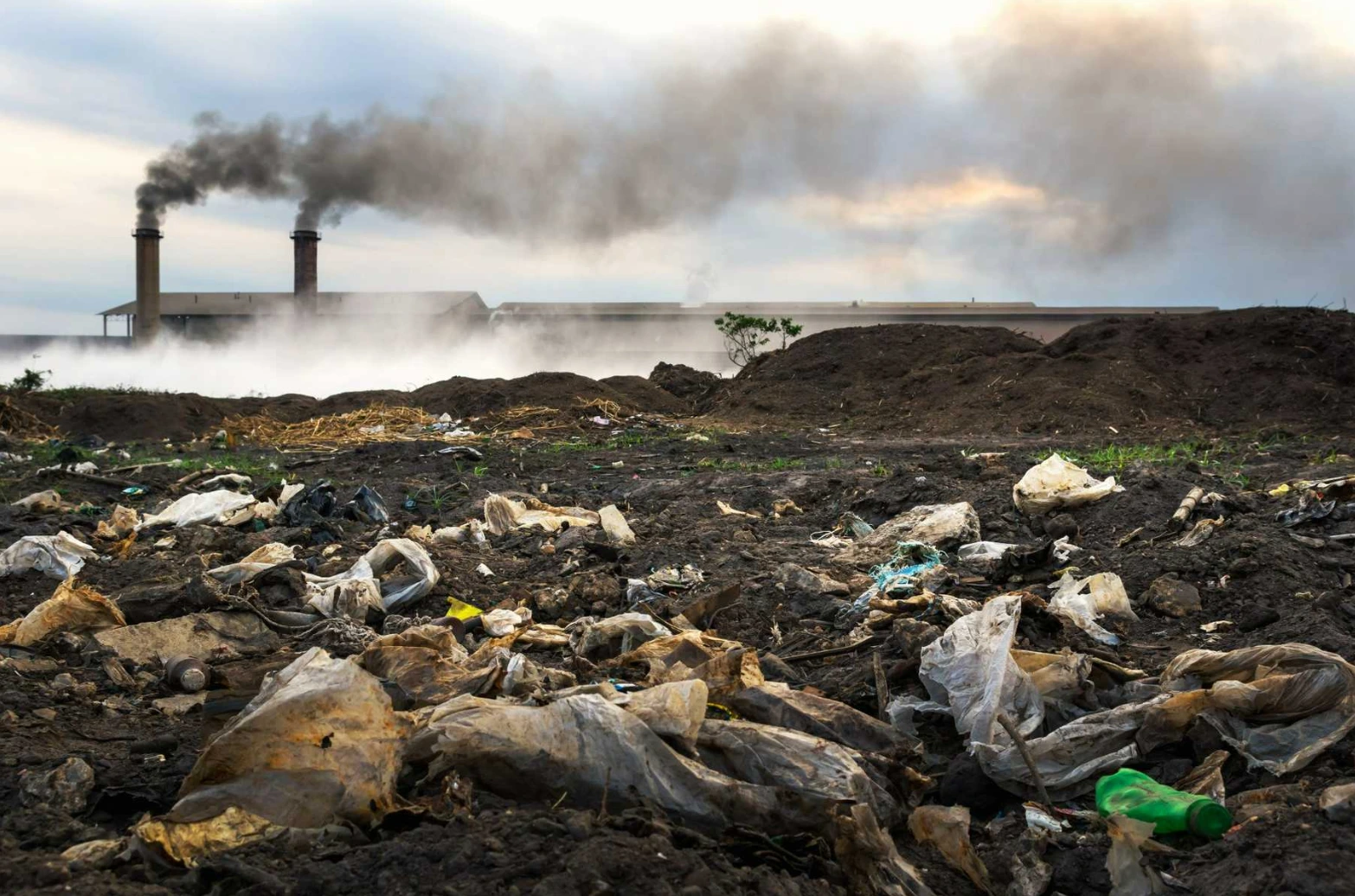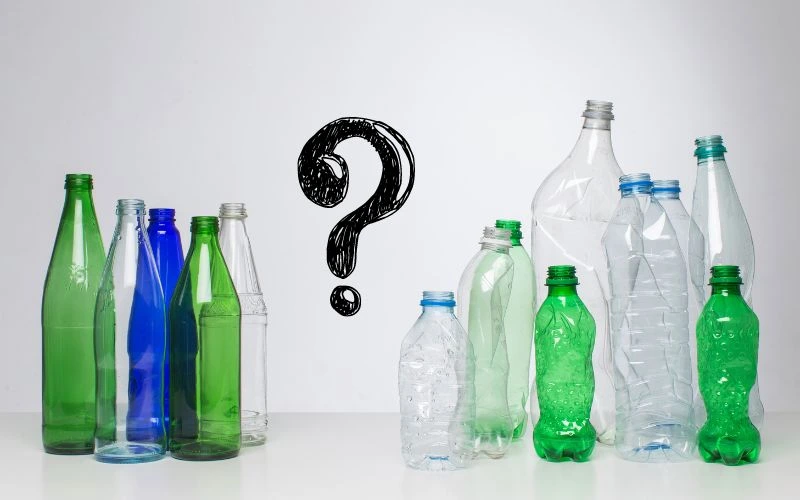
Plastic pollution is one of the most pressing environmental challenges of our time. From clogged drains to polluted oceans, single-use petro-plastics take hundreds of years to break down. But as awareness grows, businesses and consumers are finding better alternatives.
If you are looking to reduce your carbon footprint and transition to sustainable living, understanding the role of green plastic bags is the perfect place to start.
What Exactly Are Green Plastic Bags?
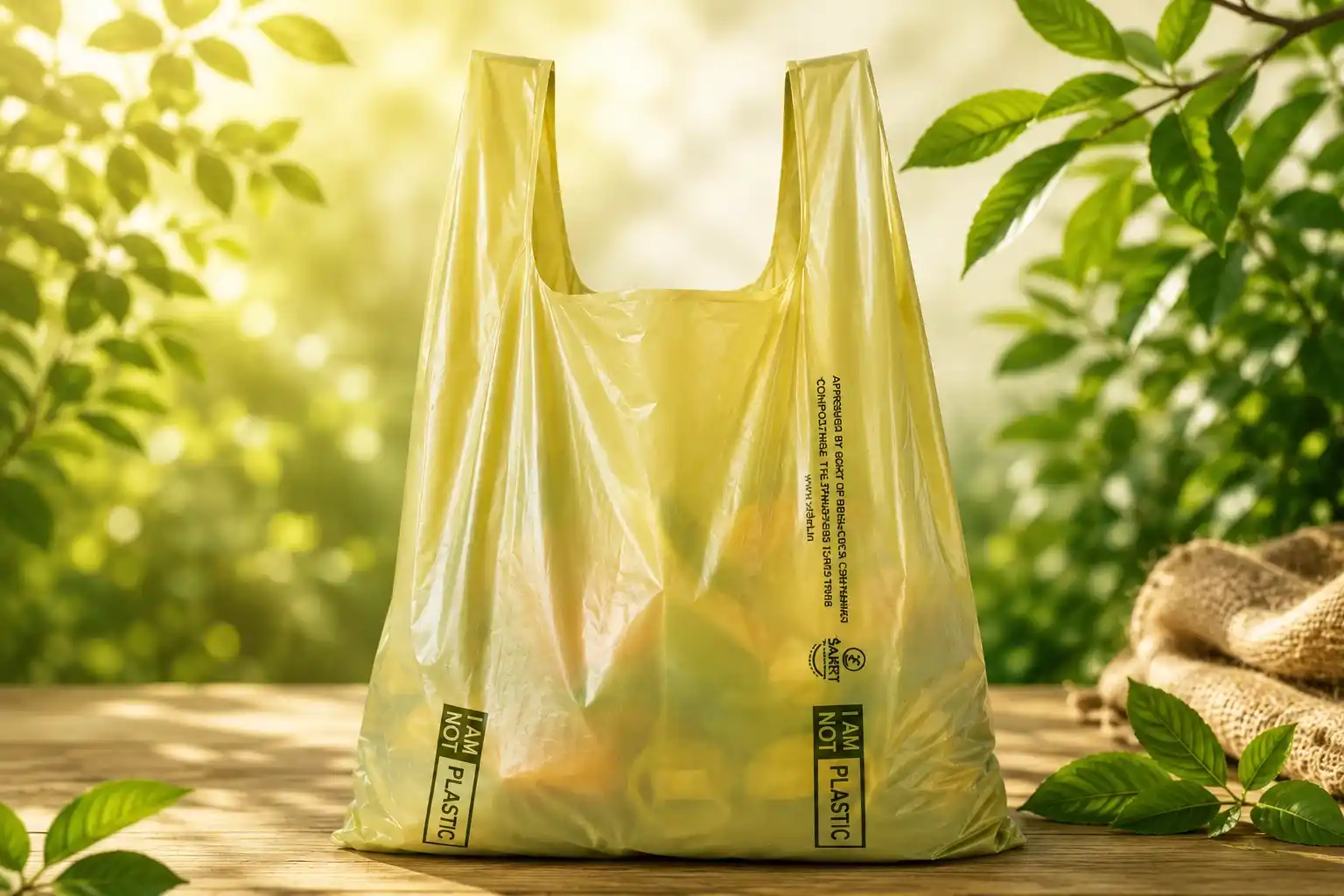
Unlike traditional plastic bags made from petroleum-based chemicals, green plastic bags are manufactured using natural, plant-based materials like corn starch and other biodegradable polymers.
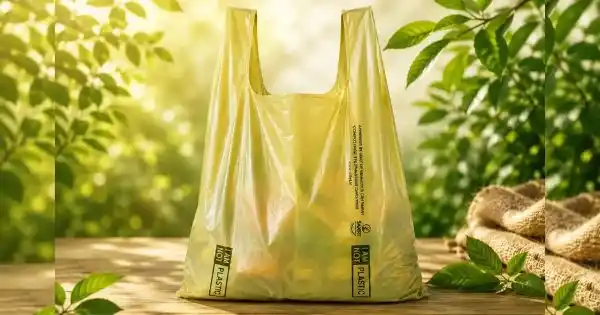
Also known as compostable bags, these eco-friendly alternatives are designed to break down naturally in a composting environment, leaving behind no toxic residues or harmful microplastics. They look, feel, and function just like regular plastic bags, but with a fraction of the environmental impact.
The Top Benefits of Switching to Green Plastic Bags
Why are these eco-friendly bags becoming the standard for retailers, waste management, and households? Here is how they contribute to a more stable environment:
1. Zero Toxic Residue and Microplastics
Traditional plastics photo-degrade, meaning they just break into tiny, dangerous microplastics that infiltrate our soil and water. Green plastic bags, when certified compostable, break down into organic matter, water, and carbon dioxide, acting as a fertilizer for the soil rather than a pollutant.
2. Significant Reduction in Landfill Waste
Billions of conventional plastic bags end up in landfills every year, taking up space for centuries. Because green plastic bags decompose in a matter of months under the right composting conditions, they significantly reduce the burden on local landfills and waste management systems.
Working with a manufacturer that makes certified compostable packaging can make things easier. Instead of dealing with all the paperwork for EPR audits or QR code labeling on your own, going with a known supplier means these rules are already included in the product. For retailers, online sellers, and organizations looking to change how they package things, it’s not just about swapping one bag for another. It’s about moving in the same direction as what the laws and what customers expect.
3. Lower Carbon Footprint
The manufacturing process for plant-based, biodegradable bags generally consumes less energy and generates fewer greenhouse gas emissions compared to the petroleum refining process required for standard plastics.
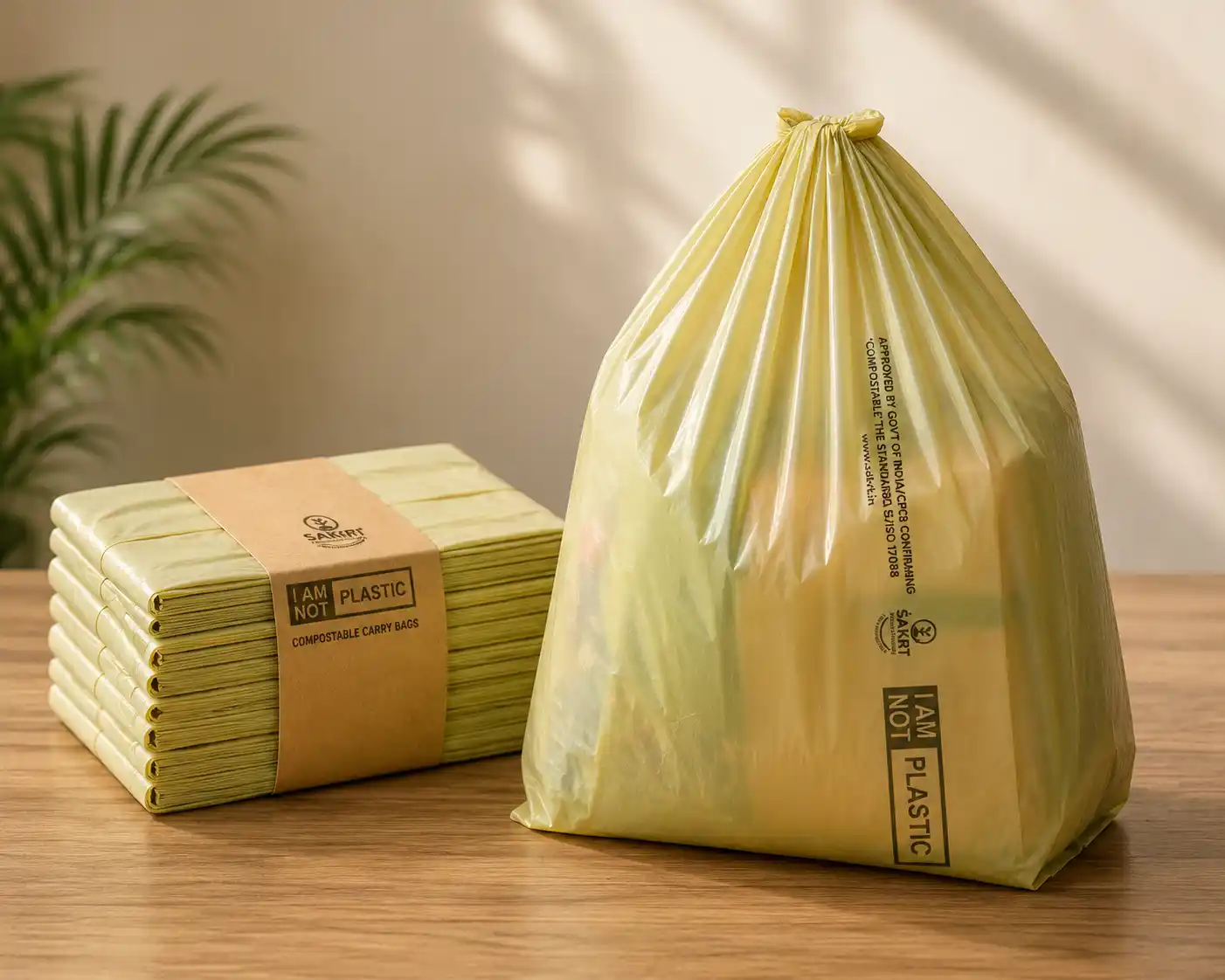
SAKRT manufactures IS 17088-certified compostable carry bags and packaging built for exactly this shift. If your business is ready to move away from conventional plastic, our team can help you find the right fit for your packaging needs.
4. Safe for Marine Life
Ocean plastic is devastating to marine ecosystems. Because compostable green bags break down naturally, they pose a drastically reduced threat to wildlife, helping to preserve our oceans and rivers.
SAKRT – A Brand of Envirly Innovations Pvt Ltd
Choose SAKRT’s Biodegradable Products
Join the sustainability revolution today!
Choose SAKRT’s biodegradable products for your home, business, or event and make waste disposal responsible.
Why CPCB Certification Matters
In India, simply claiming a product is “green” isn’t enough. When buying green plastic bags, it is crucial to look for CPCB (Central Pollution Control Board) certification.
A CPCB-certified bag guarantees that the product meets strict government standards for compostability and environmental safety. Using uncertified “fake green” bags (like oxo-degradable plastics) can actually harm the environment more by leaving behind heavy metals.
Make the Switch with SAKRT
Creating a more stable environment starts with the choices we make every day. Whether you are a business owner needing reliable packaging or a household managing daily waste, switching to green plastic bags is a simple yet powerful step.
At SAKRT, we manufacture 100% CPCB-certified, high-quality compostable bags designed to seamlessly replace single-use plastics. From carry bags to garbage liners, our products help you stay compliant, eco-friendly, and responsible.
Ready to make a positive impact? Browse our collection of certified green plastic bags today and join us in paving the way for a greener tomorrow.
FAQs
No. All compostable items are biodegradable, but not all biodegradable items are compostable. Compostable items break down into nutrient-rich soil without leaving toxins.
Some can be composted at home, but many require industrial composting for proper breakdown. Always check the label.
In industrial facilities, they usually decompose within 90–180 days.
Yes when certified food-safe, they are non-toxic and free from harmful chemicals.
Look for BPI Certified, OK Compost, or Seedling Logo to ensure genuine compostability.