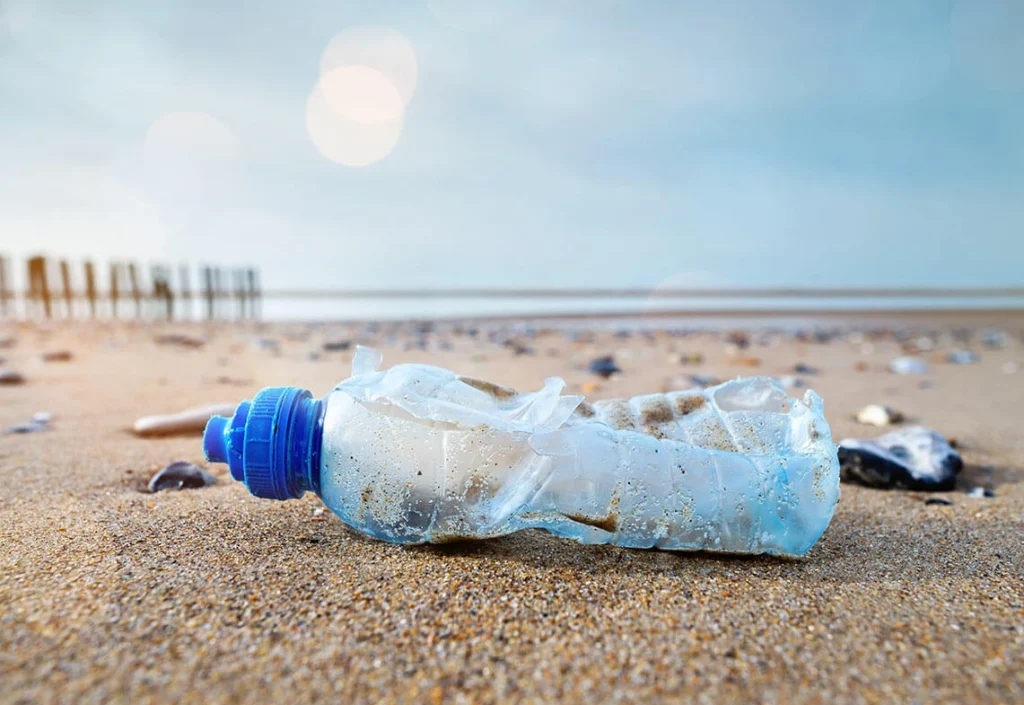
Imagine strolling along a beach and seeing a sea turtle caught in a discarded plastic bag or a child drinking juice through a straw that will last for centuries. These images, once uncommon, are now a regular sight due to the increasing amount of single-use plastic waste.
This blog dives deep into the plastic waste issue, looks at its harmful impacts, and discusses solutions to plastic pollution, eco-friendly alternatives, and ways to cut down on single-use plastics. By learning about the problem and taking steps to address it, everyone can play a role in stopping this growing threat.
What is single use plastic?
These are items meant to be used just once and then discarded, like shopping bags, straws, utensils, bottles, and packaging. While they are convenient, they contribute to a major global issue that pollutes oceans, harms animals, and can affect human health. The problem of plastic waste has gotten much worse. Every year, the amount of plastic entering our oceans, rivers, and lakes is equal to the load of 2,000 garbage trucks. Also, almost half of all plastic made today is single-use, which directly adds to the long-lasting plastic pollution problem.
The Scale of Single-Use Plastics
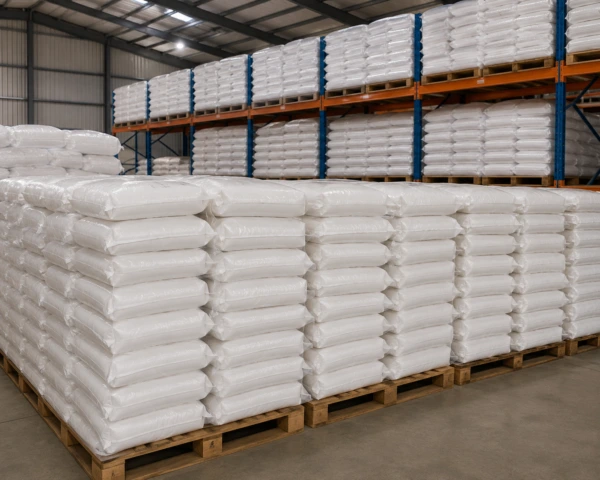
The main issue with plastic waste comes from the huge amount of single-use items made each year. Globally, more than 430 million tonnes of plastic are produced annually, and if things keep going the same way, this number could double by 2050. A big part of this plastic around 36 to 50 percent is used for packaging and other consumer products, mostly single-use items.
As a result, the world creates about 350 million tonnes of plastic waste every year. But only about 9 percent of all the plastic ever made has been recycled. The rest ends up in landfills, on streets, or in nature. In 2025 alone, it’s estimated that 31.9 percent of the plastic produced will be mismanaged, which means it’s likely to pollute air, water, or soil.
This problem is growing fast because single-use plastics are easy and cheap to make. Companies use them because they’re convenient, and people throw them away after using them just once. So, the amount of plastic waste is increasing faster than the systems in place to manage it, especially in developing countries where waste management is not as advanced. Also, the trade of plastic waste between countries has dropped a lot, which means more plastic stays in local areas and makes the problem even worse.
How Single-Use Plastics Are Contaminating Plastic Pollution to the World
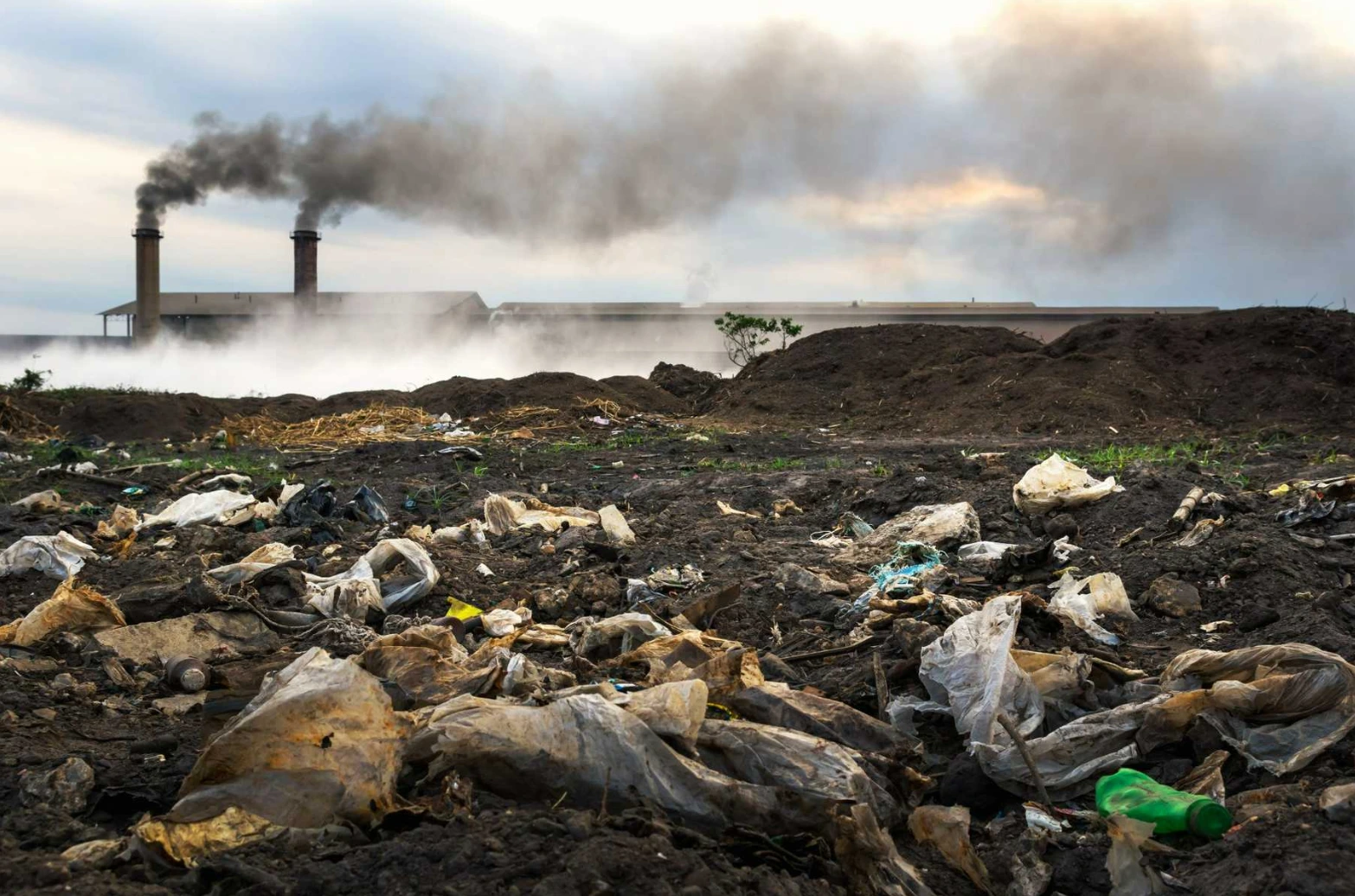
Once thrown away, single-use plastics don’t fully break down; instead, they turn into smaller pieces. This leads to a huge amount of plastic pollution. Every year, between 19 and 23 million tonnes of plastic waste ends up in water systems like lakes, rivers, and the ocean. Also, about 1 to 2 million tonnes of plastic goes into the ocean each year, adding to the 82 to 358 trillion plastic particles already in the sea.
These tiny plastic pieces, called microplastics, are less than 5 millimeters in size. They come from the breakdown of bigger plastics and are found everywhere. Scientists have found them in faraway Arctic ice, deep ocean areas, and even in human blood. Rivers carry about 1.4 million tonnes of plastic into the ocean yearly, and if nothing changes, this amount could more than double by 2060.
Plastic pollution turns clean environments into harmful places. It also builds up in food chains, trapping harmful chemicals that were added when the plastics were made. So, the problem of plastic waste goes far beyond just seeing trash around it quietly harms ecosystems all over the world.
Environmental Impacts of Plastic Pollution
Plastic pollution deeply affects both ocean and land environments. Sea creatures often eat plastic pieces thinking they are food, which can lead to them starving, getting injured inside, or dying. Getting tangled in old fishing nets and plastic bags also puts turtles, seabirds, and other animals at risk. Plastic also changes habitats by covering coral reefs and harming soil on land.
This harms the important services nature provides. Dirty water leads to fewer fish, which impacts the food supply for many people. Plus, making and getting rid of plastic adds to climate change by releasing harmful gases. Because of this, natural systems become less able to handle other problems, causing ongoing environmental damage that future generations will face.
Health Risks from Plastic Pollution
Human health is at risk because of plastic pollution. Microplastics have been found in human organs like the liver, kidneys, and even in the placentas of unborn babies. People are eating about 5 grams of plastic every week roughly the weight of a credit card through the food, water, and air they consume.
Plastics also release harmful chemicals like bisphenol A (BPA) and phthalates, which can mess up the body’s hormone system.
This leads to problems with reproduction, development, and a higher risk of cancer. These chemicals are also connected to brain disorders, weaker immune systems, and heart diseases. So, the issue of plastic waste isn’t just about the environment it’s a major public health concern that needs immediate action.
Plastic Pollution Solutions to a Cleaner Future
Fortunately, efforts to tackle plastic pollution are happening around the world, in countries and communities. Globally, there are talks about a plastics treaty that aims to control how much plastic is made, stop the use of harmful single-use items, and set clear goals. If we combine limits on plastic production with better waste management, it’s possible to cut down annual plastic pollution by up to 83% by 2040.
On a national level, some countries have already banned certain single-use plastics, like Rwanda did early on. These bans have encouraged local businesses to come up with better alternatives. However, even with recycling programs expanding, experts say recycling alone can’t fix the issue because not all plastic gets recycled properly.
Another key approach is extended producer responsibility, which makes companies take charge of the whole life of their products. This kind of systemic change, rather than just personal efforts, is seen as the most effective way to fight plastic pollution. When paired with public education and awareness, these steps can greatly slow down the growth of plastic waste.
Eco-Friendly Plastic Alternatives: Sustainable Swaps for Everyday Use
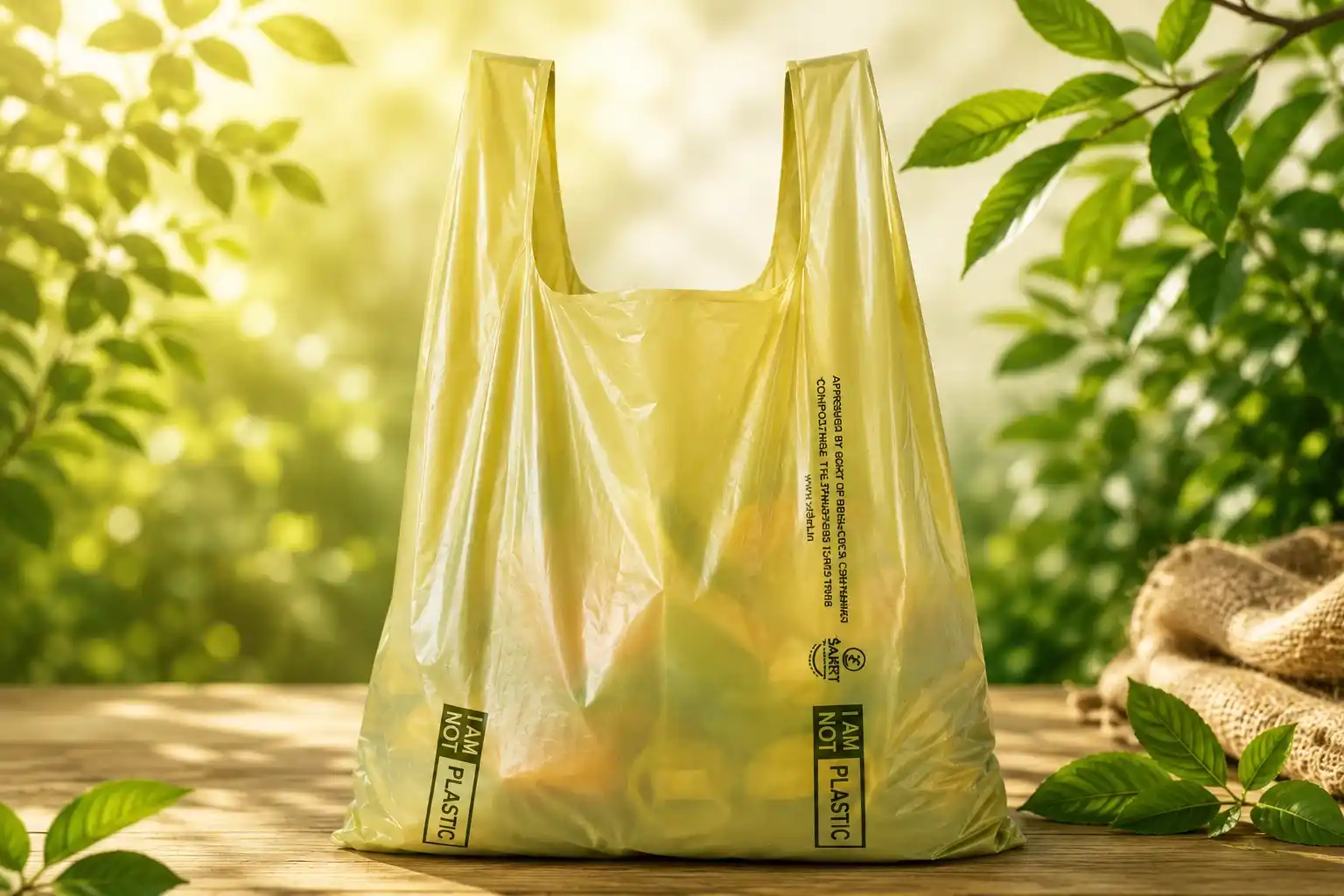
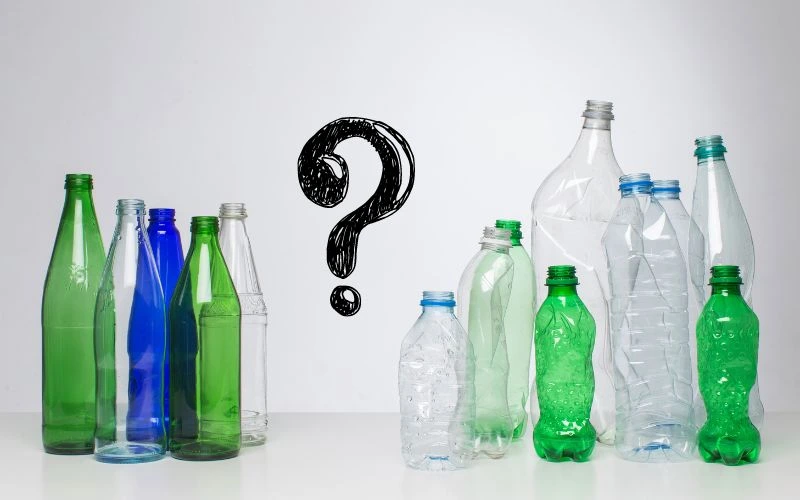
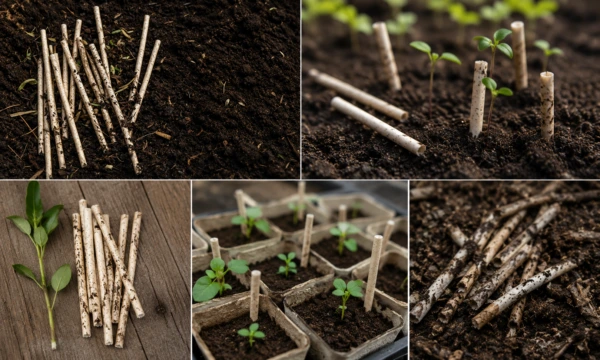
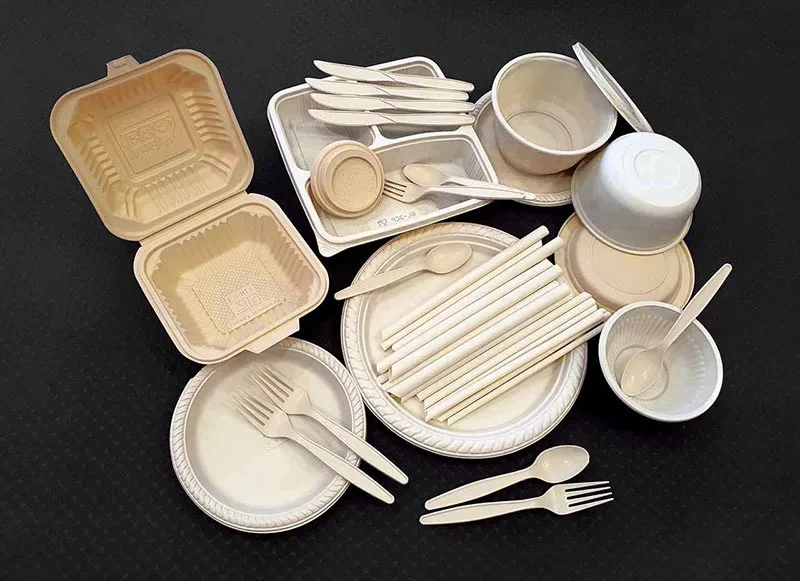
Switching to eco-friendly plastic alternatives is one of the easiest ways to tackle plastic pollution. Using reusable bags made from cotton or non-woven materials can replace single-use plastic bags, helping to reduce waste right from the start. Similarly, stainless steel or glass bottles and containers are strong and long-lasting choices for storing drinks and food. Bamboo cutlery, straws, and utensils are good biodegradable options that can replace plastic versions.
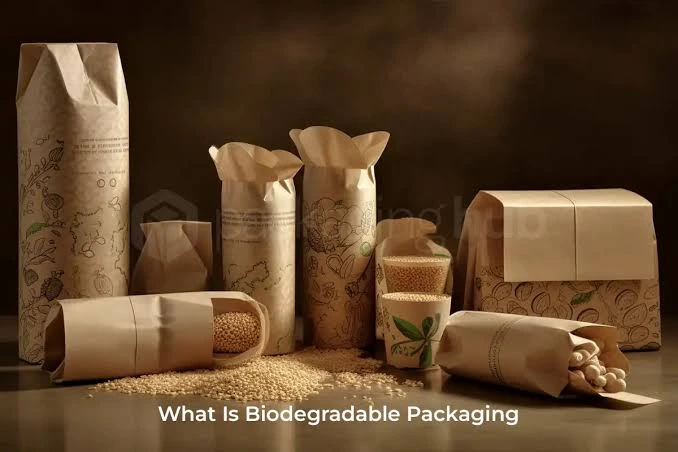
Beeswax-coated cloths are also a great alternative to cling film. Other new materials like bagasse, which comes from sugarcane, and algae-based polymers make packaging that breaks down naturally without harmful leftovers. Paper-based products, when made from sustainable sources, also help cut down on the use of new plastics.
Even though bioplastics need to be carefully considered to avoid using up food crops or not breaking down properly, many eco-friendly alternatives now work as well as traditional plastics. By choosing these options, both businesses and individuals can make a real difference in reducing single-use plastics and helping to solve the plastic waste problem.
Reducing Single-Use Plastics
Reducing single-use plastics starts with small, everyday changes that lead to significant impacts. People can make it a habit to carry reusable bags, bottles, and eating utensils every day, and say no to single-use items when they’re offered. Also, opting for products that come with minimal or recyclable packaging helps push for larger changes in how things are made and used.
Businesses are key in this effort by rethinking how they source and distribute products to prioritize reusable options and set up refill stations. They can also support policies aimed at solving plastic pollution, which helps these changes spread more widely. Together, what consumers choose to buy and what companies do responsibly speeds up the move toward a circular economy.
Education is also important because it helps communities understand the issue of plastic waste and motivates them to take action. When more people focus on cutting down on single-use plastics, the demand for new raw materials decreases, which puts pressure on industries to come up with better, more sustainable solutions.
Conclusion
The big issue of single-use plastic waste is one of the biggest environmental problems we face today. It starts with making too much plastic and ends up everywhere, harming nature and people’s health. The situation is serious and needs quick action. But there is still hope through better ways to deal with plastic pollution, using more eco-friendly materials, and working hard to cut down on single-use plastic.
We can all help by choosing reusable items, supporting international agreements, and making thoughtful choices every day. What we use today doesn’t have to be what our future looks like. Everyone has a part to play in keeping our oceans, animals, and kids safe. Start with small steps, keep doing the right things, and together we can make a big difference against plastic pollution for good.
SAKRT – A Brand of Envirly Innovations Pvt Ltd
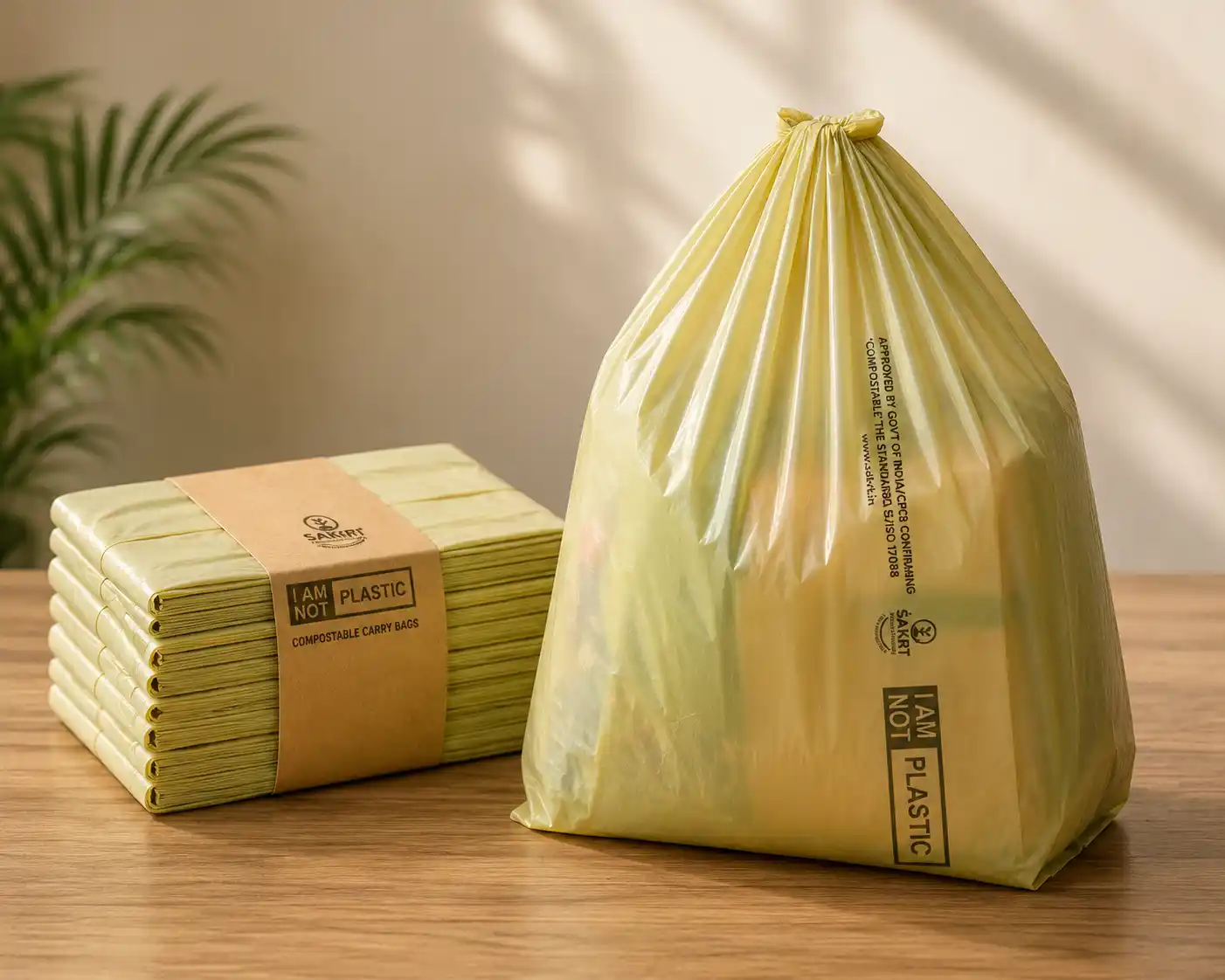
Choose SAKRT’s Biodegradable Products
Join the sustainability revolution today!
Choose SAKRT’s biodegradable products for your home, business, or event and make waste disposal responsible.
FAQs
The plastic waste problem generates approximately 350 million tonnes of plastic waste annually, with nearly half classified as single-use. Moreover, 19 to 23 million tonnes leak into aquatic environments yearly, highlighting the urgent need for intervention.
Plastic pollution causes marine animals to ingest or entangle in debris while microplastics enter human bodies, leading to endocrine disruption and other illnesses. Additionally, it damages habitats and reduces ecosystem resilience, making the impacts both widespread and long-lasting.
Plastic pollution solutions include production caps, international treaties, and bans on harmful items. Furthermore, expanded recycling combined with reuse systems could slash pollution dramatically by 2040 when implemented at scale.
Eco-friendly plastic alternatives such as cotton bags, glass containers, bamboo utensils, and algae-based materials offer practical replacements. Consequently, these swaps maintain convenience while preventing new single-use plastic waste from entering the environment.
Reducing single-use plastics involves carrying reusables, choosing minimal packaging, and supporting sustainable brands. In addition, businesses can adopt refill models and advocate for policy changes, creating lasting reductions in the plastic waste problem.