


Have you ever thought about how food leftovers and garden waste can become rich, fertile soil? The answer is all about the tiny living things, called microbes, that help in the process of composting. This is a natural way to turn plant and food waste into something useful for plants and farms. Composting helps cut down on waste and makes the soil healthier, which supports living in a more sustainable way. In this blog post, we will look into the world of these small creatures and how they play a big part in this green practice. They help break down materials and improve soil quality, which is important for making good compost. As we go on, you’ll learn how these little helpers work hard in the background, making composting a smart and effective way to help the environment.
What is the Role of Microbes in Compost Production?
Microbes play a key role in the composting process by breaking down organic matter. A huge number of bacteria, fungi, and other tiny organisms live in the compost pile and get their food from the nutrients present. For example, bacteria start the process by eating simple sugars and starches, and they produce heat as a result. This heat is important because it speeds up the breakdown of materials and helps kill harmful bacteria. Additionally, microbes help recycle nutrients like nitrogen and phosphorus back into the soil. Without these microbes, organic waste would decay very slowly and wouldn’t turn into rich, fertile compost. The variety of microbes also helps them handle different types of materials, such as leaves and food waste, efficiently.
Role of Microbes in Soil Fertility
Microbes play a big part in making soil fertile, especially when compost is used. Once compost is ready, it brings helpful microbes into the soil. These microbes team up with plant roots in a helpful way, making it easier for plants to get the nutrients they need. For instance, some fungi called mycorrhizae team up with plant roots, helping them reach more water and minerals. Also, certain bacteria in the compost can pull nitrogen from the air and make it available for plants to use. This not only helps plants grow better but also makes the soil stronger and less likely to wash away. But it’s important to take care when using microbes in compost to make sure they work well together. If the balance is off, plants might lose important nutrients. In gardens, using compost that has lots of microbes can increase crop production by up to 20%, showing how important these tiny helpers are for growing food in a sustainable way.
Vermicomposting Boosts Microbial Efficiency
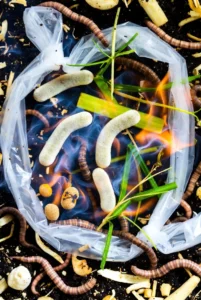
Microbes play a big part in making compost. They start by breaking down organic stuff like leaves and food leftovers. There are tons of tiny creatures, like bacteria and fungi, that live in the compost pile and eat the nutrients there. For example, bacteria begin by eating simple sugars and starches, and they give off heat as they do.
This heat is important because it speeds up the breakdown process and helps kill harmful germs. Also, these microbes help recycle nutrients like nitrogen and phosphorus back into the soil. Without them, organic waste would just sit there and slowly decay, but it wouldn’t turn into rich, fertile soil. The variety of microbes helps because different types of materials, like leaves or food scraps, are handled best by different kinds of microbes.
Compostable Bags Facilitates Microbial Breakdown
Compostable bags are a good way to gather food scraps and other organic waste. They are made from things like cornstarch, which are from plants. These bags break down because of tiny organisms called microbes, which help turn waste into rich soil. Unlike regular plastic bags that can take hundreds of years to go away, compostable bags can disappear in just a few months if the right conditions are met. To work properly, these bags need to be in a compost pile that’s warm and damp, which helps the microbes do their job. This process makes sure nothing is left behind, helping to make better compost. Also, using these bags helps keep recycling systems cleaner by reducing unwanted materials. Having them in everyday use shows how new ideas can support the natural work that microbes do in composting.
The Microbial Stages in Composting
Composting happens in different steps, and each step is run by certain types of microbes. At first, during the mesophilic stage, bacteria that like moderate temperatures break down simple materials, which starts to make the pile get warmer. As the temperature goes up, microbes that can handle heat take over. These microbes break down proteins and more complex materials. This stage is important because it helps kill off harmful things in the pile. Then, when the pile starts to cool down, fungi and actinomycetes work on tougher materials like lignin and cellulose, which gives the compost its earthy smell. Finally, during the maturation stage, the microbes help make the compost stable and balanced. All through these steps, the amount of oxygen and moisture in the pile affects how well the microbes work, making sure everything breaks down properly. Knowing these steps helps people compost better by keeping the right conditions for good results.
Factors Affecting Microbial Activity in Composting
Several things affect how microbes help in making compost. One important factor is air. Microbes that need oxygen work better than those that don’t, and the ones without oxygen can make bad smells. To give the good microbes enough air, you should mix the pile often, which helps speed up the breakdown of waste. The right amount of water is also needed around 50 to 60 percent keeps the microbes happy without making the pile too wet. The balance between carbon and nitrogen is important too; too much carbon can slow things down, while too much nitrogen might cause a strong ammonia smell. Checking the temperature helps make sure the microbes stay active in their best range. The pH level also matters, as most microbes like a neutral environment. By taking care of these things, you can help the microbes work better, which makes the compost process faster and produces better results.
Benefits of Microbial Composting for the Environment
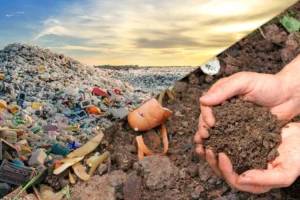
The good things for the environment from using microbes in composting are really big. When we compost, we keep organic waste out of landfills, which helps cut down on methane, a strong gas that traps heat in the atmosphere. Microbes help turn waste into carbon that stays in the soil, keeping it from going into the air. This process also saves resources because making your own compost can take the place of chemical fertilizers that can hurt water sources. In cities, when people work together on composting projects, it helps different kinds of life, including the tiny microbes that support bees and other pollinators. Even though there might be some problems if compost isn’t handled right, learning how to do it properly helps fix those issues. Overall, using microbes in composting helps create a system where waste is turned into useful things, which helps the environment all around the world.
Advanced Techniques to Enhance Microbial Roles
Innovative techniques can help microbes work better in composting. For example, bioaugmentation adds special microbes to help break down waste faster. When dealing with hard-to-degrade materials like wood, using fungi can speed things up. Bokashi is another method where microbes break down waste without needing air, and then it moves on to regular composting. This two-step process helps reduce smells and keeps more nutrients in the compost. Tools like compost thermometers can also help keep track of the right conditions. Scientists are still finding new microbes that can handle tough environments, which opens up more ways to use composting. These improvements make composting easier and more effective for people everywhere.
Conclusion
In short, microbes play a key role in turning waste into useful materials, helping make soil healthier and the planet more eco-friendly. From breaking down waste at first to turning it into rich compost, these tiny organisms work hard and do it very well. By learning how to support them like managing compost properly, using worms to help break things down, or using compostable bags we can all help make better use of resources. Whether you’re just starting out with gardening or have been farming for a long time, using microbes in composting has lots of good results. Let’s take advantage of this natural process and make composting a part of our daily lives for a better, more productive future.
FAQs
Microbes break down organic matter into nutrient-rich compost through decomposition stages, releasing essential elements for plant growth.
Composting introduces beneficial microbes that enhance nutrient cycling, improve soil structure, and boost plant health naturally.
Vermicomposting uses earthworms alongside microbes for faster decomposition, producing finer castings with higher nutrient content.
Yes, compostable bags degrade via microbial action in active compost piles, reducing waste and contamination effectively.
For home gardeners, microbes transform kitchen scraps into fertile soil amendments, promoting sustainable and productive gardening practices.