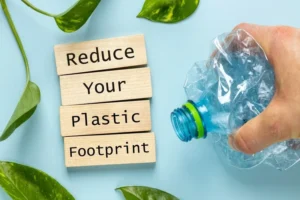



In today’s busy world, convenience often comes with a hidden price. Single-use plastics, like bags, bottles, and straws that we use once and throw away without thinking, are everywhere in our daily lives. But as people become more aware, many are starting to think about how much damage these materials really do. What began as a big invention in the middle of the last century has turned into a worldwide problem.
Single-use plastics are made in huge amounts, with millions of tons ending up in our environment every year. This blog looks closely at the issue, explaining why single-use plastics are such a big challenge.
The main issue with single-use plastic isn’t just one thing it’s a mix of environmental, health, and economic problems. It harms sea animals, contributes to climate change, and has wide-reaching effects. As we look into the causes and possible solutions, it’s clear that change is not only needed but also possible. In this post, we’ll look at where the problem started, what it’s doing to our planet, and what practical steps we can take. By learning about these things, readers can make better choices that help reduce their use of single-use plastics. Let’s start this journey to learn the truth and take action.
Understanding Single Use Plastic
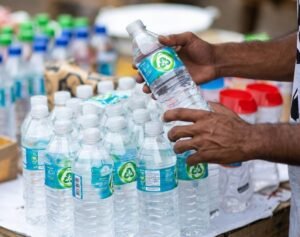
Single use plastic means things made to be used just once and then tossed away. Examples are shopping bags, food wrappers, throwaway utensils, and packaging. The big problem with single use plastic is that it lasts a really long time but is meant to be thrown away. It can take hundreds of years to break down, and when it does, it turns into tiny pieces called microplastics that get into the environment. For example, a plastic bottle can take up to 450 years to fully break down. The use of single use plastic started to grow in the 1950s because it was cheap and easy to use.
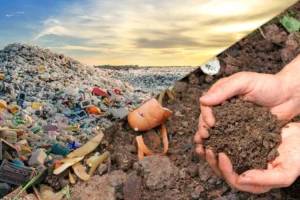
Today, the world makes over 400 million tons of plastic each year, much of which ends up as trash. This happens because of how people and industries use it, but the real issue is that it’s not properly managed. If it’s not recycled or disposed of correctly, it becomes pollution that harms the land, water, and air. Changing this habit starts with understanding the full life of plastic, from where it comes from to how it breaks down.
Also, single use plastic causes bigger environmental problems. As it builds up, it messes with nature and harms animals. Birds, turtles, and fish often eat plastic pieces thinking they are food, which can be deadly. But the problem isn’t just about things we can see. Microplastics have been found in places like mountains and the deep ocean. This shows why it’s so important to deal with single use plastic now. By understanding how much it’s part of our daily lives, we can start making better, more sustainable choices.
Causes of Plastic Pollution
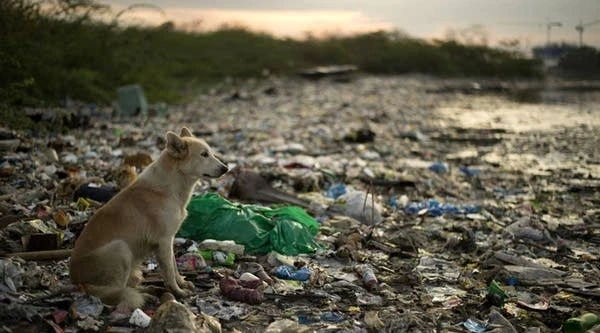
Plastic pollution comes from many different places, and each of them makes the problem worse. The main issue starts with how single-use plastic is used and thrown away. When it’s not properly managed, a lot of it ends up in nature, where it stays for a long time. For example, in many areas, there isn’t enough trash collection, so waste gets into rivers and oceans. Wind and water then carry it further. Also, factories add to the problem by releasing tiny bits of plastic during production and transport. Another big reason is how much plastic is made.
As more people use single-use items, more waste is created. But recycling isn’t very common. Only about 9% of all plastic ever made has been recycled worldwide. That means most of it ends up in landfills or is burned, which causes harmful smoke. People also play a part by throwing things away carelessly, making streets and parks full of trash. Even though technology is improving, people’s habits haven’t changed much, so the problem keeps going.
The causes of plastic pollution are linked together, including both big system problems and what individuals do. Rainwater from cities can carry trash into streams, and farming practices like using fertilizers and plastic films add microplastics to the environment. If we tackle these main causes, we can help stop more plastic waste from spreading. Understanding these basics is important for making real changes.
10 Causes of Plastic Pollution
Looking more closely, here are ten reasons why plastic pollution happens.
- Using too many single-use things, like bags and bottles, which are thrown away after a short time, fills up waste systems.
- Not having good waste collection in poorer areas lets trash get into nature without being stopped.
- Factories sometimes release tiny plastic pieces into the air and water while making products.
- Old fishing gear, like nets and lines, is often left in the ocean, trapping animals and breaking into small bits.
- Clothes made from synthetic materials release tiny fibers when washed, which end up in sewage and then the ocean.
- Plastic used in farming, like mulch films, takes a long time to break down and slowly gets into the soil.
- Rainwater from city streets washes away trash into rivers, making pollution worse in cities.
- Not having proper recycling systems means a lot of single-use plastic is not properly dealt with.
- People throwing trash on beaches or at events adds more plastic directly into the environment.
- Plastic waste spilling from ships while they are moving ends up in the ocean.
These reasons show that plastic pollution comes from many different sources and needs a wide range of solutions.
The Biggest Problems with Single Use Plastic
The main problem with single-use plastic is the harm it does to the environment. A lot of plastic ends up in the oceans each year about 19 to 23 million tons. This pollution affects where animals live and makes it harder for different kinds of life to survive. Sea animals often eat or get trapped in plastic waste, which can hurt or kill them. Even tiny pieces of plastic, called microplastics, end up in the food chain, which affects the whole ecosystem.
There are also big health risks from single-use plastic. Some chemicals in plastic, like BPA, can get into the body and affect hormones, which might cause cancer. These harmful chemicals can build up in people through polluted water and fish. In areas near plastic factories, people often get breathing problems and other health issues because of the polluted air.
Even worse, making single-use plastic uses a lot of fossil fuels, which leads to climate change. By 2050, plastic production could be responsible for 15% of all carbon emissions. The whole process of taking plastic from the earth, making it, and then throwing it away makes the planet warmer. The cost of cleaning up plastic and losing tourism money adds to the problem. In the end, the biggest problem with single-use plastic is that it causes damage that’s hard to fix, putting our planet and future generations in danger.
Reducing the Impact of Single Use Plastic Through Alternative Products
Reducing the effect of single-use plastic by using better alternatives is a good way to help the environment. When we switch to things that can be used again, like cloth bags and metal straws, we make much less waste. These items can last for years and help protect the planet. More and more, governments and companies are pushing for these changes, and some places have even stopped using single-use plastic altogether, which helps speed up the change.
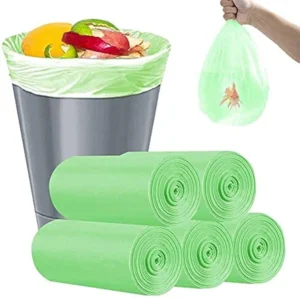
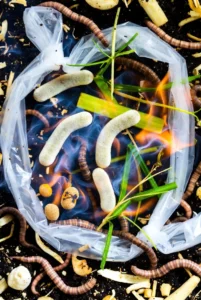
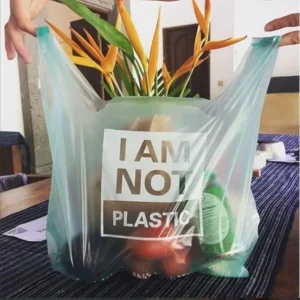
New ideas are also helping. Materials made from plants, such as cornstarch, can break down on their own without causing harm. Local programs also encourage people to use refill stations for drinks, which helps cut down on using single-use plastic. Teaching people about these choices is important because small actions can lead to big improvements.
There are still some problems, like the cost of buying these alternatives at first. But over time, the savings from less waste and cleaner environments make it worth it. By choosing these options, both people and communities can take real steps to fight pollution. Using alternatives to single-use plastic isn’t just possible it’s necessary for a better future.
Alternatives to Single-Use Plastics
There are many good choices that help avoid single-use plastics, and they work well in different areas. Instead of using throwaway utensils, people can use bamboo cutlery, which is strong and looks nice. Reusable coffee cups are also a great replacement for disposable ones. For packaging, paper or edible seaweed bags are new ideas that help keep food fresh. Another option is using mushroom-based materials for insulation and cushioning, which can grow quickly and take the place of plastic.
In the clothing industry, using organic cotton and recycled fabrics helps cut down on tiny plastic fibers that come off in the wash.
Around the home, glass jars and beeswax wraps are useful for keeping food safe without needing plastic. These alternatives help reduce pollution and support systems that reuse and recycle resources. Choosing these options makes it easier to live in a more environmentally friendly way, showing that making a change is possible.
Conclusion
In short, the main issue with single-use plastic is how much it pollutes, harms health, and affects the climate. Looking at the reasons and the better options we have shows that taking action is really important. By cutting down on single-use plastic, we help protect the environment and make the planet healthier. Let’s make smart, sustainable choices right now for a better future.