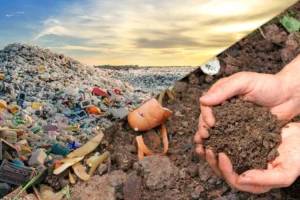

In today’s world, plastic waste has become a big issue. Oceans are full of things people have thrown away, and landfills are packed with materials that can take hundreds of years to go away. Because of this, a small but important change is happening in the way food is packaged.
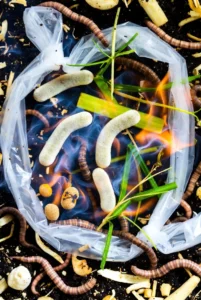
Imagine drinking your morning coffee from a cup that becomes rich soil after you’re done with it. Instead of staying in the environment for centuries, it breaks down naturally. This is the idea behind compostable food packaging. Compostable packaging is made to break down into natural parts. It doesn’t leave behind harmful waste, making it a better choice for the environment. One example of this is cornstarch packaging.
It’s made from corn, a plant that grows in many places around the world. Because it comes from natural sources, it breaks down much faster than plastic. As more people want eco-friendly products, many companies are starting to use sustainable packaging materials. These alternatives help protect the environment and support a greener future. In this blog, we’ll explain what compostable food packaging really means. We’ll also look into how it’s made, especially cornstarch packaging. Lastly, we’ll go over the benefits it brings to the environment. Whether you’re buying food packaging boxes in bulk or looking for greener options, this guide will help you make more environmentally friendly choices.
What Is Compostable Food Packaging?
Compostable food packaging is made from materials that break down entirely into natural parts when placed in the right composting conditions. This means they don’t leave harmful leftovers behind. Unlike regular plastics, which can take hundreds of years to break down, compostable materials turn into rich soil nutrients. This process usually happens in special composting centers where heat, water, and microbes help things break down faster. For example, packaging made from cornstarch can turn into water, carbon dioxide, and useful plant matter in about 90 to 180 days if the conditions are right.
It’s important to know the difference between compostable and biodegradable. Biodegradable materials might break down eventually, but they can leave harmful pieces or take a lot of time. Compostable packaging, on the other hand, follows strict rules like ASTM D6400 or EN 13432, making sure it fully goes back into nature without causing harm. This is especially important for food packaging, where safety and the environment are both key. As laws get stricter on single-use plastics, compostable options are becoming more popular, offering a good way to cut down on pollution.
In short, compostable food packaging is part of a bigger idea called a circular economy, where waste is turned into something useful. These materials are often made from plants, which helps reduce the need for oil-based products. As we start using more of these materials, learning about what they’re made of helps us understand why they’re better than traditional packaging.
Eco Friendly Food Packaging: A Sustainable Shift
Eco friendly food packaging is becoming a hopeful solution to help protect the environment. It includes materials that take care of the planet while still working well for food storage. For example, cornstarch packaging is a great choice because it feels like plastic but can break down completely in nature. It is made from natural ingredients and helps keep food dry and fresh by stopping moisture and air from getting in.
More and more people are choosing products that are good for the environment, which is pushing companies to make better choices. But there are still some issues, like not having enough places to properly compost these materials. Still, the good effects of using eco friendly packaging, like producing less pollution, are much more important than the challenges.
Switching to eco friendly packaging also helps protect different plant and animal life by using fewer resources that are not easily replaced. It also encourages using materials that come from farms, like leftover parts of crops. As more businesses change how they operate, eco friendly packaging will become the usual choice instead of something special.
Eco Friendly Food Packaging Boxes: Versatile and Green
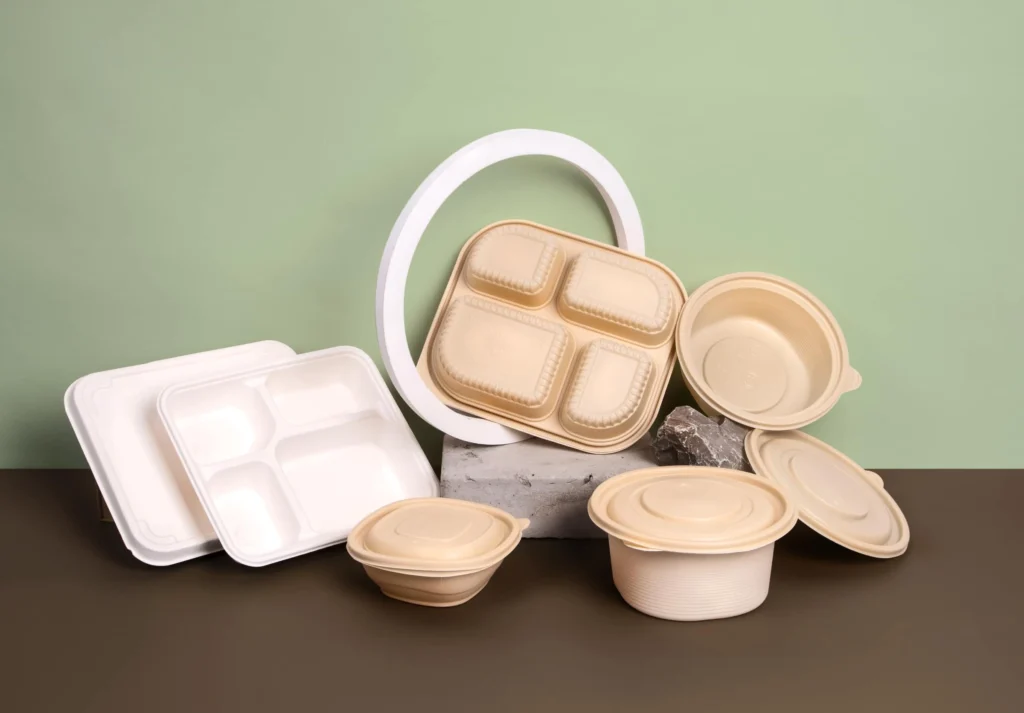
Eco-friendly food packaging boxes are changing the way we keep and carry meals. These boxes are usually made from materials like cornstarch or other biopolymers, and they are just as strong as regular cardboard. The best part is that they can be easily broken down by nature after use. They are perfect for takeout, helping food stay safe during delivery and then disappearing without causing harm.
In addition, these boxes can be designed with a business’s logo or branding, which is why many restaurants and cafes love using them. They are also light, which helps lower shipping costs and makes them more cost-effective. In wholesale markets, there are plenty of options for buying these boxes in bulk, allowing businesses to grow in a sustainable way without worrying about expenses.
Sustainable Food Packaging: Long-Term Benefits
Sustainable food packaging looks at the full journey of a product, not just what happens when it’s first used. For example, cornstarch packaging is made from a natural resource and helps reduce the amount of waste going into landfills. It can break down without leaving harmful microplastics, which protects both the ocean and the soil. Also, making sustainable food packaging uses less energy during production.
This is because the process doesn’t require high temperatures like those used for oil-based plastics, which saves energy and helps protect natural resources. By using these kinds of materials, we not only solve today’s waste problems but also help create a better future for people who will live after us.
How Compostable Packaging Is Made
Compostable packaging is made using a mix of science and nature, turning regular plants into safe materials. The process starts by choosing renewable materials, like corn, which is plentiful and inexpensive. Cornstarch packaging goes through several steps that show how smart humans can copy natural processes.
First, the starch is taken out of corn kernels by soaking them in hot water with sulfur dioxide. This makes the kernels soft and separates parts like protein, fiber, and starch. The starch is then broken down into glucose, a simple sugar, which prepares it for the next step.
Bacteria are used to turn the glucose into lactic acid, which is an important part of the process. This lactic acid is then turned into polylactic acid (PLA), the main ingredient in cornstarch packaging. PLA is made into small pellets that can be shaped into things like trays or films using methods like extrusion or thermoforming.
Throughout the process, checks are done to make sure the final product is good for composting. The whole method uses less energy than making regular plastic, which supports being eco-friendly. Because of this, compostable packaging is a useful option that can be used a lot in food businesses.
The Detailed Process of Cornstarch Packaging Production
Cornstarch packaging begins at the farm, where corn is collected and prepared. The kernels are crushed to get out the starch, which is then cleaned and turned into dextrose. Next, fermentation takes place, creating lactic acid that is condensed and turned into a polymer.
This polymer, called PLA, can be mixed with other materials to make it more flexible if needed, but pure versions are often used for better quality. Machines then form the material into containers, making sure they are all the same shape. Finally, tests check if the packaging can break down properly in industrial composting conditions.
Food Packaging Containers: Innovations in Compostability
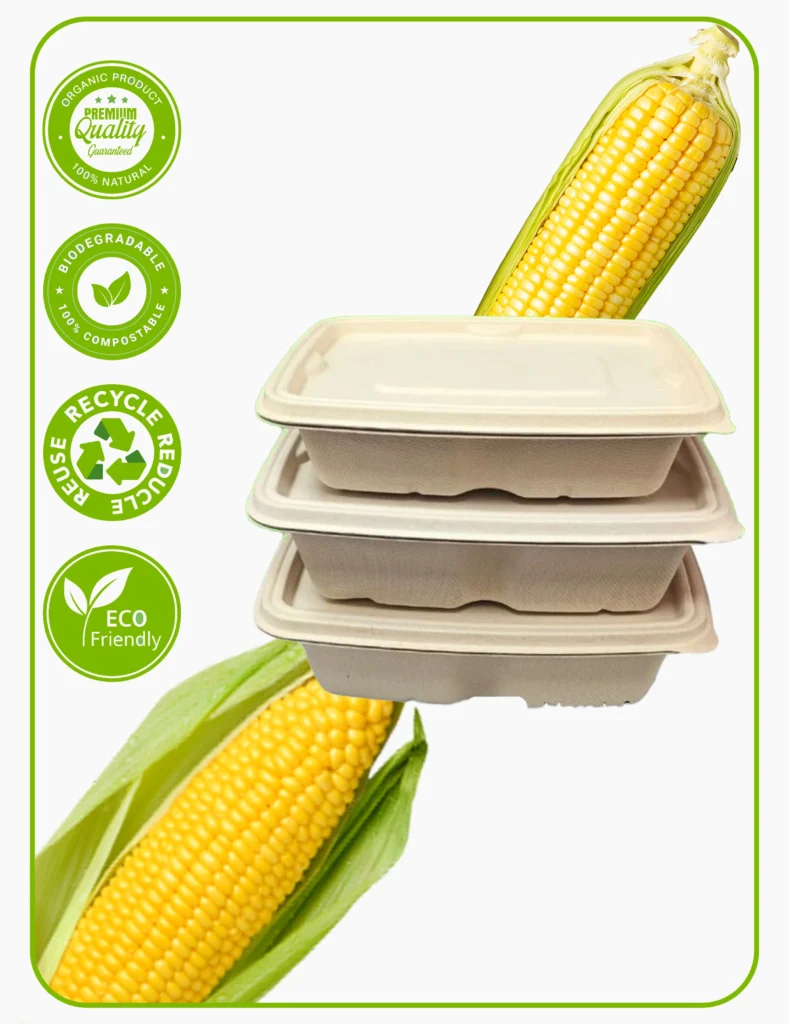
Food packaging containers made from compostable materials are changing the industry. These containers, which often use cornstarch, are great for holding soups, salads, and other foods. They are leak-proof and can be used in the microwave because they can handle heat, which makes them very convenient.
In addition, paper food packaging is also being used. It helps with baked goods because it allows air to pass through. This paper is made from recycled pulp, which makes it more eco-friendly. Companies looking for food packaging can find bulk options that are both affordable and sustainable.
These new options are helping to reduce the use of plastic, making the supply chain more environmentally friendly. As more people want these products, manufacturers are creating more choices, making them easier to find.
Advantages of Adopting Cornstarch Packaging
Using cornstarch packaging offers many benefits, both for the environment and for everyday use. It greatly reduces the need for fossil fuels because it’s made from renewable corn crops. This helps lower carbon emissions and makes a positive impact on the environment.
Additionally, cornstarch packaging is safe to use with food and doesn’t contain harmful chemicals that could get into what you eat. It can be used in many ways, like for wrapping or making boxes. For small businesses, buying in bulk helps keep costs low.
But it’s important to dispose of it correctly. Industrial composting is the best way to make sure it breaks down properly. Overall, it’s a good choice for more responsible and eco-friendly use.
Contact Us
Join the sustainability revolution today!
Choose SAKRT’s cornstarch packaging for your home, business, or event for a goal of Reducing the impact of plastic materials
Conclusion
In conclusion, compostable food packaging, like cornstarch packaging, gives us a great solution to our plastic problem. From where it comes from to how it’s made, it shows how new ideas can work with nature. As we’ve seen, eco-friendly food packaging boxes and sustainable containers aren’t just temporary fads they’re important for a better future. By using these materials, we cut down on waste, save resources, and help build a circular economy. Whether you’re buying food packaging boxes in bulk or choosing paper packaging, every decision makes a difference. Let’s make these changes now, so we can leave a cleaner world for everyone.