


Plastic pollution is now one of the biggest problems for the environment. When landfills get too full and the oceans are filled with trash, people are looking for better ways to deal with it. One idea that’s getting a lot of attention is using compostable plastic and biodegradable bioplastics. These materials are meant to break down in a safer way than the usual plastics made from oil. But there’s a lot of confusion about what they really are, how they work, and if they’re actually better for the planet.
Learning about science and how sustainable these materials are can help both people and businesses make smarter choices.
In this article, we’ll talk about biodegradable bioplastics, how they’re different from regular plastics, their advantages, where they’re used, and why they’re seen as an important part of building a more eco-friendly future.
What is Compostable Plastic and Bioplastics?
Compostable plastic is a type of plastic that can break down into natural things like carbon dioxide, water, and organic matter when it’s in a composting environment. Different from regular plastic, which can stay in the environment for hundreds of years, compostable plastic is made to break down in a certain amount of time without leaving harmful stuff behind. Bioplastics are plastics made from natural materials such as corn starch, sugarcane, or potato starch.
If these bioplastics can also break down in a compost, they are called biodegradable bioplastics. These kinds of materials help the environment because they use less fossil fuels and create less waste.
Most of the time, special composting plants provide the right conditions like heat, moisture, and bacteria to help compostable plastics break down properly. So, how you throw away these plastics is really important for making sure they help the environment.
Bioplastic Bags and Their Growing Importance
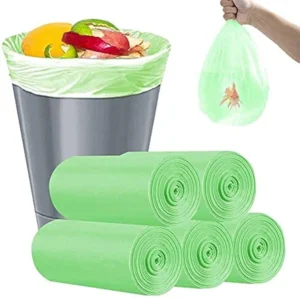
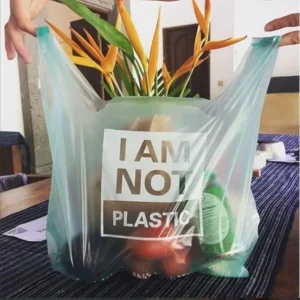
Bioplastic bags are gaining popularity as a substitute for regular plastic bags. They are usually made from materials derived from plants, which makes them better for the environment. If they are certified compostable, these bags can break down in compost systems without leaving harmful microplastics behind.
Many stores and businesses in the food industry are starting to use bioplastic bags to cut down on plastic waste. More people are also choosing eco-friendly options when they shop. Even though making these bags can be more expensive, the long-term benefits for the planet are worth the cost.
In addition, these bags help support a circular economy, where waste is reused or returned to the earth instead of harming the environment. As more people become aware of the benefits, the need for compostable plastic alternatives in everyday life is likely to grow.
Advantages of Bioplastic in Sustainable Living
Bioplastics offer more than just less waste. They use materials that come from plants, which means we use less oil. This helps cut down on the gases that warm up the planet during making the plastic.
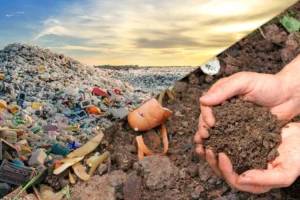
Another good thing is that when you compost bioplastic products, they turn into organic matter. This adds useful nutrients back into the soil, making it healthier. Plus, biodegradable bioplastics usually make less pollution than regular plastics.
Bioplastics are also less harmful. They don’t leave behind bad chemicals, so they don’t pollute the soil or water. This makes eco-friendly packaging better and helps protect the environment.
Green Plastic Bags and Environmental Impact
Green plastic bags are sold as better choices than regular plastic bags. When they are made from biodegradable materials, they can be considered compostable if they have the right certification. These bags are better for the environment if they are composted properly.
But people still need to know how to dispose of them correctly. If green plastic bags are thrown away in landfills without air, they might not break down as quickly. Using industrial composting helps these materials break down more effectively.
These eco-friendly options help cut down on plastic waste, keep ocean animals safe, and support systems that focus on composting. As governments start banning plastic, green alternatives are becoming more popular.
Biodegradable Plastic Bags and Decomposition Process
Biodegradable plastic bags are a bit different from compostable ones. All compostable plastics are biodegradable, but not every biodegradable plastic can be composted properly. To be called compostable, the plastic needs to break down in a certain amount of time and not leave any harmful stuff behind.
How fast a biodegradable bag breaks down depends on things like temperature, the presence of microbes, and how wet the environment is. If the conditions are just right for composting, these bags can break down in a few months instead of taking years. It’s important for people to know what the labels mean.
Standards like ASTM or EN help tell if a product is truly compostable. These labels make sure that claims about being eco-friendly are real and not just tricks to make people buy more.
Role of Compostable Plastic in the Future
The future of packaging and waste management depends on using eco-friendly materials. As scientists work on new ideas, compostable plastics are getting better at lasting longer and costing less. Companies in food packaging, farming, and stores are using more biodegradable bioplastics. Governments are also pushing for alternatives to throwaway plastics.
Because of this, people around the world are asking for more compostable plastic options. New inventions in plant-based materials are helping these products become easier to find. Even though there are still problems, like not enough waste handling systems, things are moving forward. If waste systems are set up properly, compostable plastic can help cut down on plastic waste worldwide.
Conclusion
Biodegradable bioplastics and compostable plastics are good moves toward living more sustainably. They help reduce dependence on fossil fuels, cut down on harmful waste, and support composting systems that improve soil quality. Even though they aren’t a total fix for plastic pollution, they can be a better choice if used and thrown away properly.
As people become more aware and companies start using more eco-friendly methods, these materials are likely to become more widely used. By choosing products made from compostable plastics now, we can help create a more circular and environmentally friendly world.
FAQs
Yes, bioplastic bags made from renewable sources are more sustainable, especially when they qualify as compostable plastic and are composted correctly.
Bioplastics are better than regular plastics because they come from plants and other renewable resources, which helps the environment. They produce less pollution and harmful gases, and they can break down much faster, usually in months instead of hundreds of years. They also tend to be safer and less harmful than traditional plastics.
Certified green plastic bags made from compostable plastic can decompose within months in industrial composting environments.
Not always. Some biodegradable plastic bags do not meet standards required for compostable plastic, so certification matters.