


Eco-friendly plastic bags are a better choice than regular plastic, helping protect the environment while still meeting everyday needs. As more people learn about the problems with plastic waste and its effect on the climate, businesses and shoppers are turning to biodegradable options that are less harmful in the long run. One popular type is compostable bags made from corn starch, which can safely break down and become part of the soil again.
This blog covers the whole story of eco-friendly plastic bags, from how they start as plants like corn, to how they turn into rich soil. It also shows how these bags are used in many ways, such as for carrying items, storing clothes, holding garbage, wrapping food, and even making compostable dishes like plates and containers.
The life of eco-friendly plastic bags follows a cycle that helps protect the environment. These bags are made from materials that are taken from nature in a responsible way, used carefully to save resources, and then thrown away in a way that doesn’t damage the environment.
Eco Friendly Covers and the Origin of Compostable Materials
Eco-friendly covers start with materials from renewable agricultural sources, like corn starch. Corn plants take in carbon dioxide as they grow, which helps reduce emissions made during production. Once the corn is harvested, the starch is taken out of the kernels and turned into biopolymers such as PLA, which becomes the main material for many biodegradable bags. Unlike plastic made from oil, these plant-based materials are made to break down on their own. This makes eco-friendly covers help protect the environment while still being strong enough for packaging, protecting products, and moving them around.
Biodegradable Bags and the Manufacturing Process
Biodegradable bags are made using a special process that turns corn starch into flexible and strong films. These films are then shaped or pushed through machines to create different types of bags, like shopping bags, clothing bags, and trash bags.
During the making process, companies are using more energy-saving methods to use less water and produce fewer harmful gases. They also check the quality of the bags to make sure they are strong enough for everyday use and still break down properly in the environment. This helps biodegradable bags work just as well as regular plastic bags without harming the planet.
Carry Bags and Their Role in Daily Use
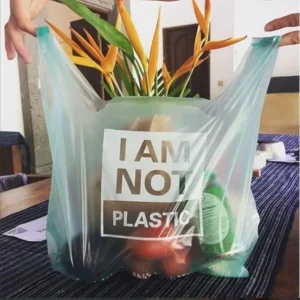
Carry bags made from materials that can break down in the environment are now commonly used in stores, supermarkets, and food delivery services. These types of plastic bags are strong enough for regular use but have a smaller effect on the environment.
Besides being used for shopping, these materials are also used for wrapping and securing products during packaging. Since these bags are meant for temporary use, they can decompose after being thrown away, which helps keep the environment cleaner.
Disposable Bags Across Food and Packaging Applications
Disposable bags are important in places where keeping things clean is very important, like in restaurants. Now, people often use bags that can be thrown away after being used, and they go along with other things like plates and containers that also break down naturally. When these kinds of products are used together, they make a full system that helps the environment. You can throw away food leftovers and the packaging together, which makes it easier to sort trash and helps take care of waste in a better way.
Biodegradable Products and Responsible Disposal
Biodegradable products work best when thrown away properly. Eco-friendly plastic bags are made to break down in composting conditions, which have heat, water, and tiny living things. How long they take to break down depends on whether they can be used in a home compost pile or need an industrial composting plant. When these bags are put in the right composting setup, they turn into water, carbon dioxide, and soil-like material without leaving dangerous stuff behind. This is different from regular plastic, which can stick around for hundreds of years.
Garbage Bags and the Transition to Soil
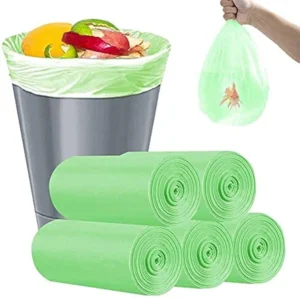
Garbage bags made from compostable materials are really helpful for collecting organic waste. You can put food leftovers, garden waste, and packaging that can be composted all together. This helps keep the compost clean and less polluted.
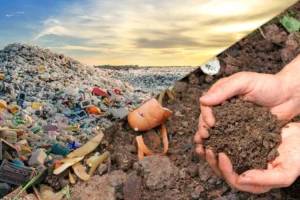
As the materials break down, they turn into rich compost that makes the soil better. This final step finishes the whole process, giving back useful organic stuff to the earth and helping crops grow better.
Environmental Benefits of Eco Friendly Plastic Bags
Eco-friendly plastic bags help reduce waste, cut down on carbon emissions, and lessen the need for fossil fuels. Since they come from renewable resources, making them helps create a more sustainable way to get materials. Also, compared to regular throwaway bags, compostable options reduce the amount of trash in landfills and help prevent pollution in the oceans. Their whole life cycle shows how smart material choices can make everyday convenience work better with caring for the environment.
Contact Us
Join the sustainability revolution today!
Choose SAKRT’s biodegradable garbage bags for your home, business, or event and make waste disposal environmentally responsible.
Conclusion
The process of making eco-friendly plastic bags from corn starch shows how sustainable innovation can change everyday items. By using biodegradable bags instead of regular plastic, companies and people can help reduce harm to the environment. From eco-friendly covers and tote bags to trash bags and compostable plates, these options are useful and still good for the planet. When thrown away properly, they return to the earth in a way that helps nature and future generations.
FAQs
The life cycle of bioplastics includes several stages.It starts with getting the raw materials, then processing them, making the product, using it, and finally disposing of it. After that, the material breaks down in compost and becomes something new again.
It is thought to take about 1,000 years for a single plastic bag to break down completely. As they break down, the plastic releases harmful chemicals into the environment.
Biodegradable plastic bags usually take three to six months to decompose. That is much faster than regular plastic, which can take hundreds of years. The time it takes depends on things like temperature and how wet the environment is.