
Table of Contents
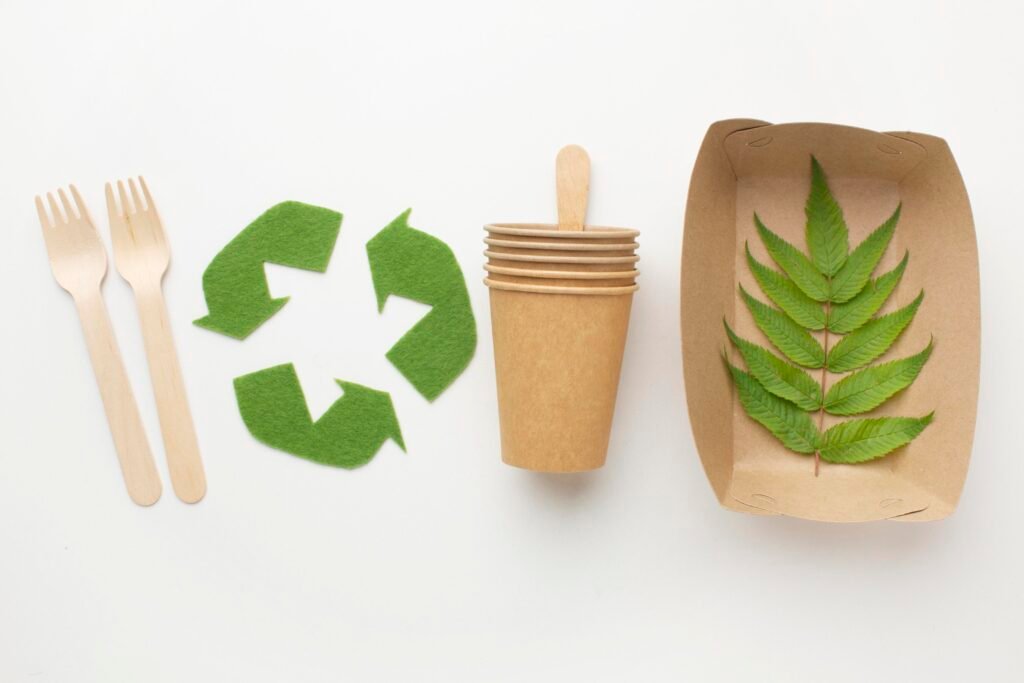
In India, where bustling food markets, vibrant festivals, and thriving restaurant scenes define daily life, the demand for hygienic and sustainable food packaging is soaring. From street-side chaat stalls in Delhi to fine-dining takeaways in Mumbai, single-use plastics have long been a staple, but at a steep environmental cost.
SAKRT’s compostable hygiene packaging, including clamshell containers and paper straws, offers a revolutionary alternative that delivers safety, convenience, and eco-friendliness. Crafted from natural crop fibers, these products decompose naturally, tackling the growing menace of microplastic pollution.
This blog explores how SAKRT’s compostable hygiene packaging, spanning revolutionary hygiene packaging, clamshell tubs, and straws, reduces microplastics, supports sustainable food service, and aligns with India’s vision for a cleaner future.
The Growing Threat of Microplastics in India
Plastic pollution is a pressing challenge in India, with an estimated 9.46 million tonnes of plastic waste generated annually. When single-use plastics like food containers and straws break down, they fragment into microplastics, tiny particles less than 5 mm that infiltrate soil, water, and even food chains.
In regions like the Ganges river basin or coastal areas of Tamil Nadu, microplastics threaten marine life and contaminate agricultural land, affecting fisheries and crops like rice. For instance, studies estimate that Indian soils contain up to 1.9 mg of microplastics per kilogram, impacting soil health and plant growth.
Traditional plastic packaging, often used for takeaways or events, is a major contributor to this crisis. These materials persist in the environment for centuries, releasing toxins and disrupting ecosystems.
SAKRT’s compostable hygiene packaging addresses this issue head-on by offering products that break down into organic matter, leaving no harmful residues. From 1000 ml clamshell tubs to sturdy paper straws, these solutions cater to India’s food service industry while prioritizing environmental health.
What is Compostable Hygiene Packaging?
SAKRT’s compostable hygiene packaging is designed for food safety and sustainability, using 100% natural crop fibers. Unlike conventional plastics, which rely on petroleum-based polymers, these materials meet ISO 17088 standards for compostability, ensuring they decompose in industrial composting facilities. The range includes:
- Hygiene Packaging: Featuring a hygienic clamshell design with a Bio Seal coating, these containers are safe for hot and cold foods, microwavable, and freezable. They’re ideal for packing burgers or sandwiches etc. in restaurants, catering, and events, ensuring food safety without plastic waste.
- Clam Shell Packaging: These 1000 ml paper tubs with spill-proof lids are perfect for dry food or meal prep. Lightweight (around 50–100 grams per tub) and sturdy, they handle generous servings while being fully compostable.
- Straight and U Bend Straws: Made from sustainably sourced paper, these toxin-free, odorless straws are durable for hot and cold beverages like lassi or filter coffee. They suit parties, cafes, and home use.
These products are engineered to perform like plastic while breaking down naturally, making them a cornerstone of eco-friendly food service in India.
How Compostable Hygiene Packaging Reduces Microplastic Pollution
The Science of Compostable Materials
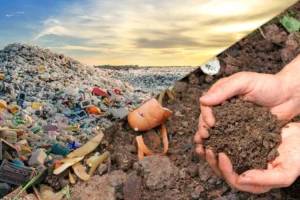
The environmental benefits of compostable hygiene packaging lie in its ability to decompose without leaving microplastic residues. Conventional plastics fragment into smaller particles over time, polluting soil and water.
In contrast, SAKRT’s packaging uses biodegradable polymers derived from renewable sources. When composted, these materials break down into water, CO₂, and biomass, enriching the soil rather than harming it.
For example, a clamshell tub used for a takeaway biryani in Hyderabad will fully decompose in an industrial composting facility, leaving no trace of microplastics.
The Bio Seal coating on SAKRT’s hygiene packaging enhances its compostability while maintaining food safety. This plant-based coating prevents leaks and ensures the packaging can handle oily or wet foods without compromising its eco-friendly properties. By eliminating the need for plastic linings, SAKRT’s products significantly reduce microplastic contamination in landfills and water bodies.
Impact on Soil and Water Health
Microplastics in soil disrupt microbial activity and nutrient cycling, affecting crops like wheat or pulses grown in states like Punjab and Madhya Pradesh. SAKRT’s compostable materials contribute to soil health by adding organic matter during decomposition.
For instance, a farmer near Chennai using compost from these products can improve soil fertility, supporting healthier crop yields.
In water systems, microplastics harm marine life and contaminate drinking water sources. India’s coastal regions, like those in Kerala and Gujarat, face significant risks from plastic waste washing into the Arabian Sea or Bay of Bengal. By switching to compostable hygiene packaging, restaurants and event organizers can prevent plastic waste from entering waterways.
For example, a beachside cafe in Goa using SAKRT’s paper straws ensures that discarded straws decompose naturally rather than breaking into microplastics that harm fish or corals.
Benefits for Indian Food Service Businesses
Practical Advantages
SAKRT’s compostable hygiene packaging is designed for India’s dynamic food service industry. The 1000 ml clamshell tubs are perfect for takeaways and do not leak. Weighing just 50–100 grams, they are easy to stack and transport. This makes them popular with food trucks in Bengaluru and catering services in Kolkata. Their microwavable and freezable properties suit diverse needs, from urban meal prep to bulk orders for weddings in Rajasthan.
The paper straws come in straight and U-bend designs and are popular in cafes and juice stalls. Each straw weighs about 6–8 grams and stays sturdy. It does not get soggy in hot chai or cold sugarcane juice, offering a reliable alternative to plastic.
Cost and Sustainability Benefits
While compostable packaging may have a slightly higher upfront cost than plastic, the long-term savings are significant. By reducing plastic waste, businesses avoid potential fines under India’s Plastic Waste Management Rules, 2016. Additionally, compostable plastics’ environmental benefits appeal to eco-conscious consumers, boosting brand loyalty.
The compostable nature of these products also simplifies waste management. For example, an event organizer in Mumbai can collect used clamshell tubs and straws for industrial composting, reducing landfill costs and aligning with municipal sustainability goals.
Applications Across India’s Food Culture
SAKRT’s compostable hygiene packaging is versatile, catering to India’s diverse food culture. In South India, clamshell tubs are perfect for packing dosas or idlis, while in North India, they handle hearty portions of theplas or rajma. The straws are equally adaptable, used in everything from roadside nimbu pani stalls to upscale cafes serving cold brews in Pune.
For large-scale events like weddings or festivals, SAKRT’s packaging ensures hygiene and convenience. A caterer in Chennai serving 500 guests can rely on 1000 ml tubs for biryani and dessert, knowing they’ll decompose post-event.
This aligns with India’s growing push for sustainable events, especially in urban centers like Hyderabad and Ahmedabad.
Supporting India’s Sustainability Goals
India’s commitment to reducing plastic pollution, backed by initiatives like the Swachh Bharat Mission and bans on single-use plastics, underscores the need for alternatives like SAKRT’s compostable packaging. By choosing these products, businesses contribute to national goals while protecting local ecosystems. For instance, a food chain in Gujarat using SAKRT’s straws and tubs can reduce its environmental footprint, supporting cleaner rivers and coasts.
SAKRT’s products are certified for compostability, ensuring they meet global standards like ISO 17088. This transparency builds trust among restaurants, caterers, and consumers, making SAKRT a reliable partner in India’s sustainability journey.
How to Adopt SAKRT’s Compostable Hygiene Packaging
Businesses ready to embrace sustainable packaging can connect with SAKRT for bulk orders tailored to their needs. Whether you’re a small dhaba in Jaipur or a large restaurant chain in Bengaluru, SAKRT offers customizable solutions. Options include 1000 ml clamshell tubs and paper straws. Their team also provides guidance on composting and integrating these products into your operations, ensuring a smooth transition.
To explore how compostable hygiene packaging can reduce your business’s environmental impact, contact SAKRT for a consultation. They’ll help you select the right products for your menu, events, or takeaway services. This approach supports both your customers and the planet.
Conclusion
SAKRT’s compostable hygiene packaging is transforming India’s food service industry by offering a practical, eco-friendly alternative to plastic. From spill-proof clamshell tubs to durable paper straws, these products deliver performance while tackling microplastic pollution.
By choosing SAKRT, businesses and event organizers can ensure hygiene, enhance customer trust, and contribute to a cleaner India. Embrace compostable packaging to serve delicious meals sustainably and help build a future free from microplastic contamination.