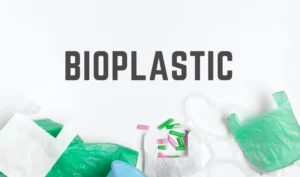



In recent years, bioplastic has become a big change in India’s efforts to reduce plastic pollution. Made from natural sources like corn starch, sugarcane, and farm waste, bioplastics are a better option than the usual plastics made from oil. India produces almost 3.5 million tonnes of plastic waste every year, so moving towards bioplastic products is becoming more popular. Laws that ban single-use plastics and growing concern for the environment are helping this change happen faster. The bioplastics market in India is now around USD 450 to 500 million and is expected to grow quickly, reaching over USD 2 billion by 2033, with a growth rate faster than 20%. This change brings environmental advantages and also creates new opportunities for farmers, producers, and inventors.
Bioplastic Production in India: Current Landscape and Growth Drivers
Bioplastic production in India is growing quickly, thanks to plenty of agricultural materials and good government support. Unlike regular plastics, bioplastics are made from natural resources like corn starch or sugarcane molasses, which India has in large amounts.
The industry is seeing a lot of investment in technologies like fermentation and polymerization. For example, companies are increasing the production of polylactic acid (PLA) and polyhydroxyalkanoates (PHA), which can fully break down in composting environments. Government programs like the BioE3 policy and financial support from the Union Budget have put biopolymers at the top of their priorities, helping local businesses grow.
This has led to more bioplastic production capacity, with forecasts showing a growth rate of more than 20% over the next ten years. The increase is because India wants to cut down on imported plastics and use its strong agriculture base to create eco-friendly materials.
Bioplastic Bags The Practical Shift Toward Sustainability
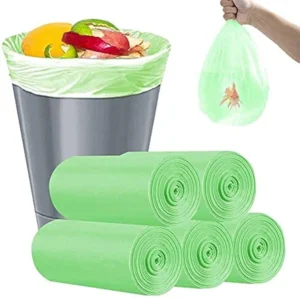
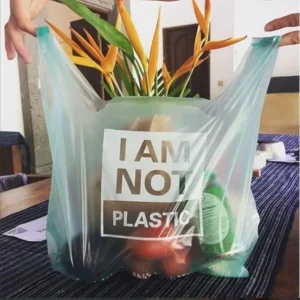
Bioplastic bags are one of the most noticeable solutions helping to replace single-use plastic. These include compostable carry bags, garbage bags, and shopping bags made from starch-based or PLA materials. They break down in 90 to 180 days when conditions are right, unlike regular plastic, which can last for hundreds of years.
Many states have already banned regular plastic bags, which has created a need for eco-friendly alternatives.These bags are strong, easy to use, and better for the environment. As more people choose green options, bioplastic bags are becoming a common part of everyday life, helping to reduce waste a lot.
Opportunities: Unlocking Economic and Environmental Potential
The growing use of bioplastics offers big chances for India. The country has lots of raw materials from farming, which can help rural areas by giving farmers more money from using things like crop leftovers. This industry could create many jobs in making products, researching new ideas, and managing supplies. Government rules, like making companies take responsibility for their products and stopping single-use plastics, are helping create a good environment for this market.
Support for making bioplastics, along with financial help such as subsidies, might bring in more money and investment. Also, selling bioplastic products can put India in a strong position in the global market for eco-friendly materials, which is expected to be worth over $30 billion. If India grows this industry properly, it can move quickly into high-value areas like packaging, farming, and healthcare.
Young Entrepreneurs Driving the Future of Bioplastics
India’s startup scene is lively, and the bioplastics industry is drawing young inventors who believe in sustainability as both a smart and essential business choice. These entrepreneurs are testing new kinds of compostable and biodegradable materials, increasing production, and designing tailored solutions for different industries.
Many Indian startups are making plant-based, compostable packaging for online shopping, which replaces regular plastic envelopes.
Some are creating biodegradable films used in farming to prevent soil contamination. Even packaging used in food, like bags and films, is being changed to compostable options. This growing trend is helping move the country towards a more sustainable, circular economy.
Conclusion
Bioplastics are no longer just a future idea in India they are becoming a real and important answer to the country’s increasing problem with plastic waste. Because of strong farming areas, helpful government rules, growing concern for the environment, and fast progress from big companies and new startups, India is slowly building a good base for a sustainable bioplastics industry. Even though there are still issues like cost, proper facilities, and people’s understanding, the good chances are much bigger than the problems.
Bioplastics can help farmers and bring money to rural areas, create new jobs in industries, and help India become a bigger player in eco-friendly materials around the world. This sector has a lot of potential for both the economy and the environment. If India keeps investing in research, making more bioplastics, setting up composting systems, and teaching the public, bioplastics can change things a lot in building a circular economy. Moving from traditional plastics to renewable and compostable options isn’t just needed for the environment it’s also a smart move toward a cleaner, greener, and more independent future.
FAQs
Bioplastic is made from renewable sources like plants, whereas traditional plastic relies on fossil fuels. Bioplastics are often biodegradable or compostable, reducing long-term environmental impact
Popular bioplastic examples include PLA from corn starch, PHA from bacterial fermentation, and starch-based blends, commonly found in packaging, films, and disposables.
Key bioplastic manufacturers include India Glycols Limited, SKYi FKuR, Deltora Biopolymers, Bharat Compostables, and EcoBharat, focusing on compostable resins and products.
Bioplastic bags comply with single-use plastic bans, decompose naturally, and meet consumer demand for eco-friendly alternatives in shopping and waste management.
Challenges include higher costs, limited composting infrastructure, raw material inconsistencies, and the need for greater consumer education to ensure proper disposal and adoption.