

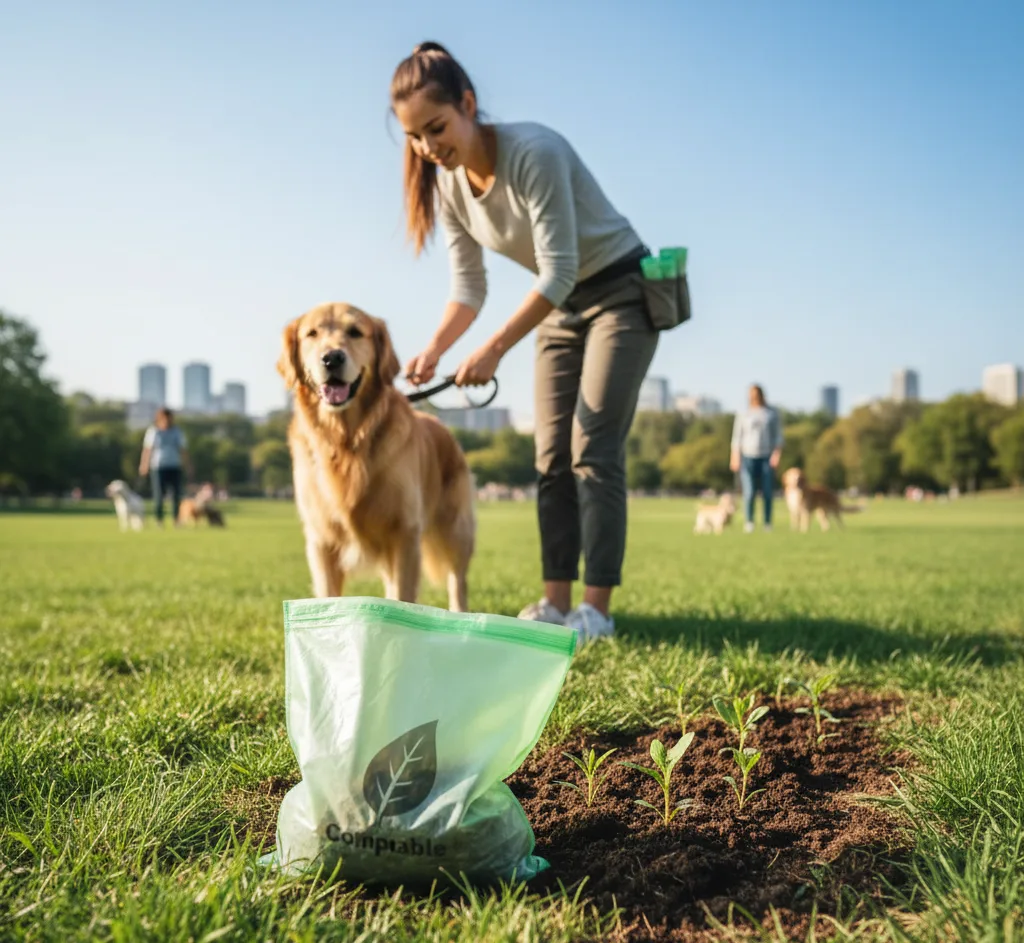
In the lively neighborhoods of Mumbai and the green parks of Delhi, pet ownership has become part of urban life. Dogs bound alongside their companions during morning walks and evening strolls.
India had over 33 million pet dogs in 2023, and this number is expected to reach 51 million by 2028. With this joy comes responsibility, including the daily task of managing pet waste.
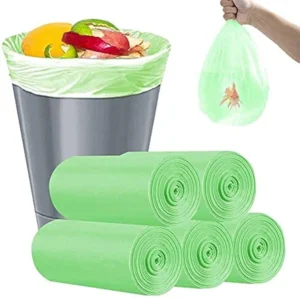
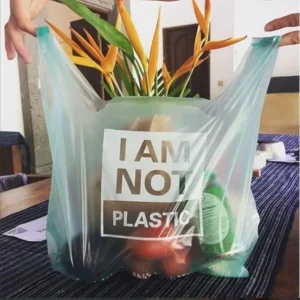
As pet parents navigate crowded streets and community spaces, their choice of cleanup tools makes a big difference. SAKRT’s compostable pet poop bags, made from plant-based materials with zero plastic, provide a cleaner solution.
These bags are strong, simple to use, and promote environmental responsibility. They help pet owners care for their pets while also caring for the planet.
This blog explores the problems with conventional waste management, the unique benefits of compostable bags, and practical tips for daily use. Together, these steps support healthier cities and a greener future.
The Plastic Problem with Traditional Pet Waste Bags
Every day, millions of dog owners worldwide reach for plastic bags to scoop waste. This habit seems harmless but carries hidden costs. Globally, over 415 billion plastic poop bags are discarded each year. That equals 0.76–1.23 million tons of plastic waste, about 0.6% of total global plastic production.
In India, the issue feels even closer. Urban pet ownership is rising fast, with 23 million households owning dogs in 2023. Each dog produces around 0.34 kilograms of poop daily. Over a year, that adds up to more than 120 kilograms per pet.
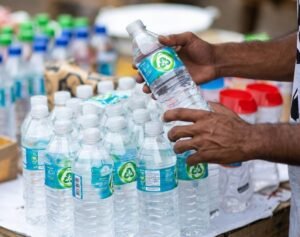
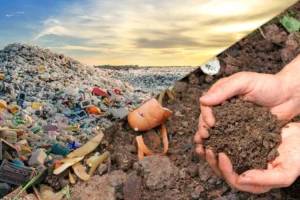
Plastic bags, usually made from polyethylene, provide convenience but damage the environment. They take centuries to break down, leaving behind microplastics. These particles spread through soil and water, worsening pollution.
India already generates 9.46 million tonnes of plastic waste annually. Discarded pet bags add to the load. They contaminate rivers like the Ganges and harm marine life along Chennai’s beaches. Microplastics then enter the food chain, threatening fish stocks that support communities in Kerala and Odisha.
Improper disposal makes the problem worse. Bags thrown into open drains or parks release toxins. These disrupt soil microbes and contaminate groundwater. In cities like Bengaluru, monsoon rains wash waste into storm drains. This creates health hazards by spreading bacteria and parasites.
The problem starts even earlier at production. Manufacturing plastic bags depends on fossil fuels, releasing greenhouse gases. These emissions intensify climate change, especially in heat-stressed regions like Rajasthan.
What Makes Compostable Pet Poop Bags Different?
Compostable pet poop bags stand apart by focusing on both performance and planetary health. Unlike plastic bags, SAKRT’s are made from 100% plant-based materials such as cornstarch and sugarcane bagasse. These renewable resources are abundant in India and ensure zero plastic content. The composition also meets strict standards like EN 13432 and ASTM D6400, proving full decomposition without harmful residues.
Biodegradable bags often fragment over time but still leave microplastics. Compostable bags, like SAKRT’s, require specific conditions to break down fully into water, CO₂, and biomass. Each roll holds 15–20 bags, weighing only 100–200 grams. They are extra-strong, leak-proof, and resist tearing. The easy-to-tie design makes them convenient for daily walks, even in busy parks of Hyderabad.
The compostable pet poop bag market reflects the global shift toward sustainability. Eco-friendly dog poop bags are projected to grow at a CAGR of 5.4% through 2030. This rise is fueled by pet humanization, especially in emerging economies such as India. The Indian pet care industry is set to reach $7 billion by 2025. Demand for plastic-free waste solutions is rising quickly among urban millennials.
SAKRT’s bags are priced affordably, balancing accessibility with eco-impact. They appeal to pet parents in tier-2 cities like Pune who want sustainable products without overspending.
How Compostable Bags Break Down in Composting Conditions
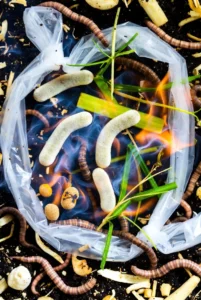
The magic of compostable dog waste bags lies in their lifecycle, transforming from a sturdy tool to nutrient-rich soil enhancer. Under ideal composting conditions with temperatures of 50–60°C, adequate moisture (40–60%), and oxygen, these bags biodegrade rapidly. SAKRT’s plant-based films, free of BPA and toxins, begin degrading within weeks, with full breakdown occurring in 90–180 days in industrial facilities.
In a home setup, like a backyard bin in a Lucknow suburb, the process starts with microbial action: enzymes from bacteria and fungi break down the starch polymers into simpler compounds. Over time, the bag’s structure weakens, releasing the enclosed waste for parallel decomposition.
Unlike plastic, which persists intact in low-oxygen landfills, compostable bags require aerobic environments to thrive, hence their incompatibility with regular trash bins. In India, where municipal composting is growing under Swachh Bharat initiatives, these bags align perfectly, turning waste into compost for non-edible plants like marigolds in community gardens.
Research confirms their efficacy: in controlled tests, certified compostable bags achieve 90% degradation within six months, leaving no microplastics. For pet owners without access to facilities, burying bags in garden soil (at least 20 cm deep) accelerates breakdown, enriching the earth for flowers or shrubs. This closed-loop process not only diverts waste but also reduces methane emissions from landfills, a boon in methane-hotspot areas like dumpsites.
Benefits for Pet Owners and the Environment
Switching to compostable pet poop bags yields dual rewards: seamless convenience for owners and lasting gains for ecosystems. For pet parents, these bags mean fewer leaks during walks in Chennai’s humid evenings or Jaipur’s dusty trails, with their reinforced seals containing messes.
Environmentally, the shift is transformative. By eliminating plastic, these bags curb microplastic pollution, estimated at 1.9 mg per kilogram of soil in affected Indian farmlands, protecting biodiversity in wetlands like those in Assam. Globally, adopting compostable options could slash pet waste plastic by 0.6% of total output, but in India, it supports national goals to recycle 60% of plastic by 2025. For communities, cleaner parks foster healthier public spaces, reducing vector-borne diseases in monsoon-prone regions.
Pet owners also gain peace of mind: SAKRT’s bags, odor-free and hypoallergenic, minimize allergic reactions for sensitive dogs. In a nation where pet humanization drives a 12% annual ownership rise, these sustainable pet care products enhance bonding without guilt, allowing families in Ahmedabad to enjoy guilt-free park outings.
Sustainable Pet Care in India's Urban Landscape
India’s pet scene is evolving rapidly, with tier-2 cities like Coimbatore seeing 40% annual growth in pet food demand, mirroring the rise in eco-aware accessories. Compostable bags fit this trend, used in dog parks from Indore to Thiruvananthapuram, where owners prioritize biodegradable dog poop bags to maintain green spaces.
Veterinary clinics in Nagpur stock them for client education, while e-commerce platforms deliver bulk packs nationwide, supporting plastic-free pet waste disposal in remote areas.
This integration promotes broader sustainability: reduced landfill strain eases municipal burdens in overburdened cities, while compost output bolsters urban gardening initiatives. As pet ownership hits 38 million animals by 2025, these bags empower a responsible community, turning routine chores into acts of conservation.
Tips for Responsible Disposal of Compostable Pet Waste Bags
Embracing compostable bags starts with smart habits. First, source certified products like SAKRT’s to ensure authenticity and check for ISO 17088 labels. During walks, scoop promptly and tie securely to prevent spills. For disposal:
- Home Composting: Use a dedicated bin for pet waste, layering with carbon-rich materials like dry leaves (ratio 30:1). Turn weekly for aeration; aim for 55°C to kill pathogens. Harvest compost after 6 months for ornamental plants.
- Community Options: In cities like Mumbai, seek municipal green waste programs; separate pet bags to avoid contamination.
- Landfill Fallback: If composting isn’t viable, bin them, as they degrade slower but without microplastics.
- Bulk Buying: Opt for 1,000-bag packs (2–3 kilograms) to cut costs and packaging waste.
- Educate Peers: Share tips in local WhatsApp groups to amplify impact.
These steps ensure bags fulfill their promise, maximizing eco-benefits.
Contact Us
Join the sustainability revolution today!
Choose SAKRT’s biodegradable garbage bags for your home, business, or event and make waste disposal environmentally responsible.
Conclusion
Compostable pet poop bags from SAKRT illuminate a path where pet parenthood and environmental care converge, offering robust tools that decompose responsibly. From tackling plastic’s pervasive harm to fostering healthier soils, these bags empower Indian pet owners to lead with intention.
As dogs trot through vibrant streets in Kolkata or Kochi, choosing compostable options honors our companions while safeguarding shared spaces. Explore SAKRT’s range today, stock up on rolls tailored for your routine and step into a cleaner, more sustainable world with every scoop.
To discover how SAKRT’s compostable pet poop bags can elevate your pet care, visit their site for bulk options and expert advice, ensuring seamless integration into your daily walks.
FAQs
Traditional plastic bags, used by millions of Indian dog owners, contribute to 0.76–1.23 million tons of global waste annually, fragmenting into microplastics that pollute soil and rivers, taking centuries to decompose and harming ecosystems in coastal areas.
SAKRT’s compostable pet poop bags are 100% plant-based with zero plastic, leak-proof for up to 1 kg of waste, and certified, breaking down fully unlike biodegradable bags that may leave residues. It is ideal for urban walks in Delhi or Mumbai.
In aerobic conditions at 50–60°C with 40–60% moisture, SAKRT’s bags degrade via microbial enzymes, turning into CO₂, and biomass; use dedicated bins for pet waste to avoid pathogens, suitable for home setups in Lucknow gardens.
In aerobic conditions at 50–60°C with 40–60% moisture, SAKRT’s bags degrade via microbial enzymes, turning into CO₂, and biomass; use dedicated bins for pet waste to avoid pathogens, suitable for home setups in Lucknow gardens.
Scoop promptly, tie securely, and add to a pet-specific compost bin (30:1 carbon ratio, turn weekly at 55°C); for non-composters, use municipal green waste in cities like Bengaluru or bury 20 cm deep in soil for ornamental plants, avoid regular trash to maximize breakdown.